
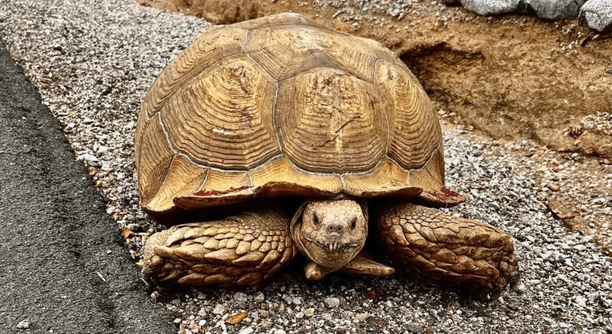
Sulcata tortoises are fascinating creatures, and creating an environment they love is key to their well-being. Their enclosures should meet their natural needs for space, warmth, and comfort. By carefully considering their habitat, you can ensure they thrive.
The best way to make a sulcata tortoise love its enclosure is to provide a spacious, well-maintained habitat with proper heat, humidity, and access to food. Ensuring a clean, enriching environment supports their physical and emotional health, making them feel at home.
Small changes to your tortoise’s environment can lead to big improvements in their comfort. Let’s explore some simple steps to create a welcoming space for your pet.
Provide Plenty of Space
Sulcata tortoises are one of the largest tortoise species, so their enclosure needs to be spacious. These creatures need room to roam, stretch their legs, and explore. If they feel confined, they can become stressed, which can negatively affect their health. A good enclosure should be large enough to accommodate your tortoise’s size and allow them to move freely. Ideally, you should provide at least 100 square feet of space for a single tortoise. The more space you can give, the better. Enclosures with plenty of room for natural behaviors are essential for their well-being.
A bigger space also allows for the creation of different zones, such as shaded areas, basking spots, and places to burrow. It’s not just about size; it’s about creating a habitat that feels like home.
For a sulcata tortoise, the best enclosure is one that mimics their natural environment as much as possible. They are used to warm, dry places and need a large area with a mix of surfaces. A spacious enclosure will give them the freedom to display their natural behaviors. Consider adding rocks or logs for climbing, hiding places for privacy, and areas where they can dig. Keeping these features in mind will make your tortoise feel comfortable and happy in their space.
Maintain Proper Temperature and Humidity
Temperature and humidity control are essential. Keeping your tortoise warm is important to mimic its natural environment.
Sulcata tortoises come from hot climates and require an enclosure that maintains a warm temperature, especially during colder months. They need a basking area with temperatures reaching around 95-100°F and a cooler area that ranges from 75-85°F. Without these temperature gradients, they can become stressed and unhealthy. Humidity is also crucial, though sulcatas prefer a dry environment, slight humidity in the range of 30-50% is ideal. Too much moisture can lead to shell rot and other health problems. An easy way to monitor this is by using thermometers and hygrometers, which will help you maintain the right conditions.
To create these conditions, use heat lamps and UVB bulbs to provide warmth and light. Make sure the heat source doesn’t create hot spots, and that the cooler areas are comfortable. With the right balance, your sulcata will be able to stay active and healthy.
Provide Fresh Food and Water Daily
Fresh food and water are essential for your tortoise’s health. They need a balanced diet to stay strong.
A diet rich in grasses, weeds, and leafy greens will keep your sulcata healthy. Fresh water should always be available to ensure hydration, especially if your tortoise is active and moving around. You can offer water in shallow bowls, making it easy for your tortoise to drink without risk of drowning. Fresh greens like dandelions, collard greens, and clover are perfect for their diet. Avoid feeding them iceberg lettuce, as it offers little nutritional value.
Feeding your tortoise a healthy variety of fresh food will help with digestion and support overall health. Offering a mix of plant-based foods ensures they get the nutrients they need. Don’t forget to clean their food and water bowls regularly to prevent bacteria from building up. By keeping their meals fresh, you help maintain their energy levels and support their long-term health.
Ensure Safe and Secure Walls
The walls of the enclosure should be high enough to prevent escape. A secure enclosure ensures your tortoise stays in a safe, controlled environment.
Sulcata tortoises can be surprisingly good climbers and diggers. The walls need to be at least 18-24 inches tall to keep them from climbing over. It’s also a good idea to bury the walls a few inches underground to stop them from digging out. If you’re using a fence or walls, make sure they are strong and sturdy enough to hold up over time. Your sulcata will test its boundaries, so it’s crucial that the enclosure remains secure.
You can use a variety of materials to build the walls, like wood, plastic, or metal. Just ensure there are no sharp edges or gaps that could harm your tortoise. By making the walls strong and high enough, you create a safe space where your sulcata can explore without the risk of wandering off.
Add Natural Elements
Incorporating natural elements into the enclosure helps your tortoise feel more comfortable.
Adding rocks, logs, or plants gives your sulcata a more natural environment. These elements provide hiding places, areas to climb, and spots to explore. It’s important to make sure the items are safe and non-toxic for your tortoise.
Live plants, such as dandelions or clover, can also be added for variety. These will provide extra food for your tortoise, giving it a chance to forage. Just make sure the plants are free of pesticides. Rocks can be used for basking, and logs give the tortoise something to climb.
Offer a Basking Spot
A proper basking area is necessary for regulating your tortoise’s body temperature.
Place a heat lamp over a designated area where your sulcata can warm up. The basking spot should be around 95-100°F to mimic the sun’s warmth in their natural habitat. This helps with digestion and overall health. You should also ensure that the spot is large enough for them to move comfortably.
A basking spot allows your sulcata to absorb UVB light, which is essential for shell and bone health. Adding a UVB bulb to the basking area provides additional benefits, helping prevent issues like metabolic bone disease. It’s important to keep the heat source at a safe distance to avoid overheating.
Keep It Clean
A clean environment is crucial for your sulcata’s health. Regularly clean the enclosure to avoid bacteria and pests.
Remove waste and leftover food daily. A buildup of waste can lead to unpleasant smells and potential health risks for your tortoise. Clean their water and food bowls frequently to maintain hygiene. Once a week, thoroughly clean the entire enclosure, disinfecting all surfaces. Regular maintenance helps reduce the risk of illness and ensures your tortoise stays in a healthy environment.
FAQ
How much space does a sulcata tortoise need?
Sulcata tortoises need a large enclosure to roam and explore. Ideally, you should provide a space of at least 100 square feet for a single tortoise. Larger enclosures are even better. This size allows your tortoise to move freely and find different areas for basking, hiding, and grazing. Without enough space, your tortoise can become stressed, which can lead to health problems.
Can I keep more than one sulcata tortoise together?
It’s possible to keep multiple sulcata tortoises together, but it requires careful planning. These tortoises are solitary by nature, so you may notice them displaying territorial behaviors. If you choose to house more than one, ensure the enclosure is large enough to give them each space to establish their own area. Watch for signs of aggression, such as biting or chasing, and be ready to separate them if needed.
What temperature does my sulcata tortoise need?
Sulcata tortoises thrive in warm environments. They need a basking spot with temperatures between 95-100°F and a cooler area of around 75-85°F. Maintaining a temperature gradient helps them regulate their body temperature. At night, temperatures can drop slightly, but it should never go below 70°F. A heat lamp and UVB light can help provide consistent warmth.
What do sulcata tortoises eat?
Sulcata tortoises are herbivores and mainly eat grasses, weeds, and leafy greens. Some of their favorites include dandelions, clover, collard greens, and hibiscus flowers. It’s important to avoid feeding them iceberg lettuce, as it lacks nutritional value. They may also enjoy some fruits occasionally, but this should not be a regular part of their diet.
Can I feed my sulcata tortoise fruits and vegetables?
While sulcata tortoises mainly eat grasses and weeds, you can occasionally feed them fruits and vegetables. However, fruits should be given in moderation, as too much sugar can cause digestive problems. Safe fruits include strawberries, apples, and melons. Vegetables like kale, collard greens, and bell peppers can also be included but should not make up more than 10-20% of their diet.
Do sulcata tortoises need a special light?
Yes, sulcata tortoises need both heat and UVB light to thrive. UVB light helps them produce vitamin D3, which is essential for calcium absorption and shell health. A UVB bulb should be placed in the basking area to simulate the natural sunlight they would receive in the wild. Ensure the bulb is replaced regularly as its effectiveness decreases over time.
How can I prevent my sulcata tortoise from escaping?
Sulcata tortoises are excellent diggers and climbers. To prevent escape, make sure the walls of their enclosure are at least 18-24 inches high and buried several inches underground. If you’re using a fence or wall, check for any gaps or weak spots that your tortoise might be able to get through. Regularly inspect the enclosure for any signs of digging or climbing attempts.
Can I keep my sulcata tortoise outside?
Yes, sulcata tortoises can live outside, as long as the climate is warm and safe. They are native to hot, dry environments, so they will be happiest in an outdoor enclosure that mimics their natural habitat. Make sure the enclosure is secure, shaded, and provides access to water. If you live in a cooler climate, you may need to bring them inside during the colder months.
How do I keep my sulcata tortoise hydrated?
Sulcata tortoises require access to fresh water at all times. Place a shallow water dish in the enclosure that your tortoise can easily drink from. Make sure to change the water daily to keep it clean. If your tortoise is outside, they may also get moisture from the plants and grasses they eat. Regular hydration is important for digestion and overall health.
Why is my sulcata tortoise not eating?
If your sulcata tortoise isn’t eating, it could be due to several reasons. Stress is a common cause, especially if there have been changes in their environment. Check the temperature and humidity levels in the enclosure to ensure they are optimal. Illness, dehydration, or an improper diet could also affect their appetite. If the problem persists, a visit to the vet is recommended.
How can I tell if my sulcata tortoise is healthy?
A healthy sulcata tortoise will have clear eyes, a smooth, hard shell, and will be active and alert. The shell should not have soft spots, cracks, or visible injuries. Pay attention to their eating habits, as a lack of appetite or unusual behavior could signal health issues. Regular veterinary check-ups are also important to monitor your tortoise’s well-being.
Creating a comfortable, secure enclosure for your sulcata tortoise is essential for their well-being. By providing enough space, proper temperature, and the right materials, you help create a habitat that supports their natural behaviors. When designing the enclosure, think about their needs for warmth, food, and the ability to explore. A tortoise’s happiness often depends on how well their environment reflects their natural habitat, so be sure to make the necessary adjustments to meet these needs.
Pay attention to their diet and hydration as well. Fresh food and clean water should be offered daily to keep them healthy and energized. Avoid foods that may harm them, like iceberg lettuce, and stick to a variety of grasses, leafy greens, and the occasional fruit. These simple steps will ensure your sulcata tortoise thrives in its home. Keeping the enclosure clean and providing regular care will help prevent health issues that may arise from bacteria or unclean environments.
By following these tips, you can create an enclosure that your sulcata tortoise will enjoy and feel at home in. With the right environment, they will be more likely to stay active, healthy, and happy. As long as you focus on their needs and maintain a safe, clean habitat, your tortoise can live a long, fulfilling life.

Hello,
If you enjoy the content that we create, please consider saying a "Thank You!" by leaving a tip.
Every little bit helps us continue crafting quality advice that supports the health, happiness, and well-being of pets around the world, for pets of all shapes, sizes, and species.
We really appreciate the kindness and support that you show us!