
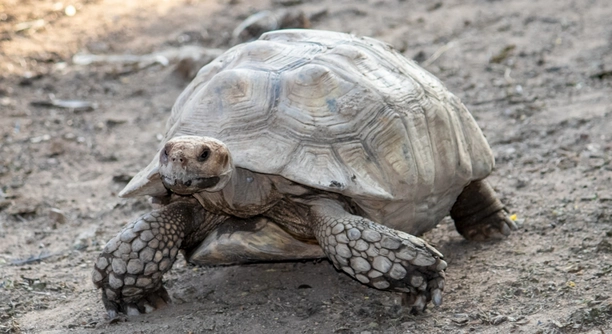
Sulcata tortoises are herbivores, and their diet plays a big role in their health. As a pet owner, it’s important to know which foods are safe and beneficial for them. One common question is whether rice is suitable for these tortoises.
Sulcata tortoises can technically eat rice in small amounts, but it is not recommended as a regular part of their diet. Rice lacks essential nutrients for their growth and can cause digestive issues if fed too often.
Understanding what to feed your tortoise is essential for its well-being. Knowing how rice affects their digestive system can help you make the best choices for their diet.
What Happens When Sulcata Tortoises Eat Rice?
Rice is not toxic to sulcata tortoises, but feeding it to them regularly can lead to potential issues. Unlike the wide range of nutrients found in the grasses, leaves, and plants they would naturally consume, rice lacks the necessary fiber and minerals. Sulcatas need a high-fiber diet to help maintain healthy digestion, and rice doesn’t provide that. If rice becomes a large portion of their diet, it may result in bloating, constipation, and other digestive problems. It’s essential to keep their diet varied and focused on natural vegetation to maintain their health.
Rice is best served in moderation. While it can be a fun treat now and then, it should never replace the core elements of their daily meals. Consistently feeding rice could result in improper nutrition and cause unnecessary stress on their digestive system. Always ensure that treats like rice don’t make up more than a small part of their diet.
Tortoises are naturally drawn to a high-fiber diet, which keeps their systems running smoothly. Without the proper foods, you may notice signs of discomfort such as sluggishness or changes in behavior. This makes understanding what to feed them even more important. While rice isn’t dangerous in small amounts, it won’t support their long-term health.
What Should You Feed a Sulcata Tortoise?
A healthy diet for a sulcata tortoise consists mainly of grasses, hay, and leafy greens. These foods provide essential fiber and nutrients that keep their digestive system functioning properly. It’s important to avoid feeding them foods high in sugars or fats.
Sulcata tortoises thrive on a diet that mimics what they would eat in the wild. Fresh grasses, dandelion greens, and leafy vegetables are great choices for your pet. They also enjoy flowers like hibiscus, which offer variety and extra nutrients. Incorporating a mix of these items ensures they get the proper nutrients needed for growth and development. Grains, processed foods, or overly starchy foods like rice should be limited as they are not nutritionally balanced for tortoises.
Providing a varied diet is essential to prevent deficiencies. You can also include calcium supplements, especially if they are housed indoors and don’t have access to natural sunlight. Sulcata tortoises require calcium to maintain strong shells and bones.
Risks of Feeding Rice to Sulcata Tortoises
While rice is not harmful in small quantities, feeding it regularly to sulcata tortoises can result in digestive issues. Their digestive system is not built to process grains well, and rice doesn’t provide enough fiber or essential nutrients for their well-being.
If your tortoise eats rice too often, it can lead to constipation, bloating, or even an upset stomach. This happens because rice doesn’t have the necessary fiber to keep their digestive system moving properly. Over time, this can result in poor digestion, weight loss, or other health problems.
Feeding your tortoise rice too frequently can also limit their intake of more nutritious foods, like dark leafy greens or grasses, which are better suited for their diet. If rice becomes a staple in their meals, the lack of variety could hinder proper growth and development. It’s always better to offer rice sparingly as a treat rather than a regular food option.
What Should Be the Main Part of Their Diet?
The majority of a sulcata tortoise’s diet should consist of high-fiber plants like grasses, hay, and leafy greens. These foods provide the proper nutrients and ensure that their digestive system stays healthy. Grains, like rice, shouldn’t be a significant part of their meals.
In the wild, sulcata tortoises feed primarily on grasses and some plants that they forage for. This high-fiber diet helps keep their digestive tract functioning well and their shells healthy. Tortoises need a constant supply of fiber to prevent any digestion issues, and leafy greens are a great way to ensure this. You can also feed them dandelion greens, clover, and wildflowers to mix things up.
Other foods like fruits and vegetables can be offered in moderation, but they should not take over their diet. Stick to high-fiber, low-calcium foods like collard greens, kale, and mustard greens to ensure your tortoise’s nutritional needs are met. Keeping their diet balanced with the right foods will help them thrive in captivity.
How Rice Affects Their Digestion
Sulcata tortoises are not designed to digest grains like rice efficiently. Their systems rely on high-fiber plants to move food through their digestive tract, and rice doesn’t offer that. Too much rice can lead to constipation, bloating, or discomfort.
Rice can disrupt the normal digestive process by causing buildup in the intestines. Tortoises may struggle to pass rice, which can cause them to feel unwell or become sluggish. This can lead to further complications if rice continues to be offered frequently. Instead, focus on foods that promote natural digestion and provide proper nutrition.
Signs Your Sulcata Tortoise Is Not Eating Properly
If your sulcata tortoise is not eating well, it might be due to an imbalance in their diet. A lack of appetite, weight loss, or changes in behavior can be signs that something isn’t right. Poor digestion is often linked to an improper diet.
Some signs of poor digestion in sulcata tortoises include lethargy, reluctance to eat, or visibly swollen areas around the stomach. If the tortoise appears uncomfortable after eating rice, it’s likely due to the digestive issues caused by that food. Keeping track of their behavior can help catch these issues early.
Can Rice Be Part of a Balanced Diet?
Rice should not be a main part of your sulcata tortoise’s diet. It can be given occasionally as a small treat, but it’s not nutritionally balanced for them. Focus on feeding high-fiber, plant-based foods instead.
FAQ
Can I feed rice to my sulcata tortoise as a regular food source?
Rice should not be a regular food source for sulcata tortoises. While a small amount of rice may not harm them occasionally, it lacks the essential nutrients they need for proper health. Tortoises need a high-fiber diet full of grasses, greens, and plants to keep their digestive system functioning well. Regularly feeding rice could lead to digestive issues such as constipation or bloating, and it doesn’t provide the right nutrients for growth or shell health.
What happens if I feed rice to my sulcata tortoise often?
Feeding rice often can cause digestive problems in sulcata tortoises. Their digestive system is not built for processing grains, so over time, rice can lead to constipation or discomfort. The lack of fiber in rice also prevents proper digestion, making it harder for the tortoise to pass food through its system. This can also lead to poor nutrient absorption and even weight loss if their diet is not properly balanced.
How much rice is safe for a sulcata tortoise to eat?
If you decide to give your sulcata tortoise rice, keep it in small amounts. A tiny portion now and then, as an occasional treat, is fine. However, it should not make up a large portion of their diet. Remember, sulcata tortoises need a fiber-rich diet, so rice should be viewed as a snack rather than a staple food.
What are the best foods to feed a sulcata tortoise?
The best foods for sulcata tortoises are high-fiber, plant-based foods. Fresh grasses, dandelion greens, and leafy vegetables like collard greens, kale, and mustard greens are great choices. Offering a variety of these plants will ensure they get the proper nutrients and fiber for healthy digestion. Wildflowers, cactus pads, and hibiscus flowers can also be added for variety.
Can rice cause long-term health problems in sulcata tortoises?
Yes, feeding rice in excess over time can lead to long-term health problems in sulcata tortoises. A rice-heavy diet can cause digestive issues like constipation, bloating, and poor absorption of essential nutrients. Over time, this can weaken their immune system, affect growth, and possibly lead to dehydration or other health complications. To ensure proper health, focus on offering foods that align with their natural diet.
Are there any benefits to feeding rice to sulcata tortoises?
Rice provides minimal nutritional benefits to sulcata tortoises. While it does offer some carbohydrates, it lacks the essential fiber, vitamins, and minerals that tortoises need for optimal health. The small amount of rice that can be given as a treat may provide variety, but it doesn’t contribute meaningfully to their overall nutrition.
Can feeding rice to sulcata tortoises lead to obesity?
Rice itself is not particularly fattening for sulcata tortoises, but feeding rice regularly may cause weight gain due to its low fiber content and high carbohydrate content. If rice replaces more nutritious foods in their diet, it can lead to a lack of essential nutrients, causing improper digestion, weight fluctuations, or obesity. It’s important to stick to a diet rich in fiber to keep your tortoise at a healthy weight.
How can I ensure my sulcata tortoise gets the right diet?
To provide the right diet for your sulcata tortoise, focus on feeding them a variety of high-fiber plants and grasses. Avoid feeding them processed foods, fruits in large amounts, or starchy foods like rice. Regularly offer fresh leafy greens, grasses, and safe flowers to mimic their natural diet. Additionally, ensure they have access to fresh water and are getting enough calcium and vitamin D, either from food or supplements, to maintain strong bones and shells.
Can I feed my sulcata tortoise fruits and vegetables instead of rice?
Yes, fruits and vegetables can be offered in moderation to sulcata tortoises. However, they should not replace the core elements of their diet, which should be high in fiber and low in sugar. Offer safe fruits like strawberries, melon, and apples occasionally. Leafy greens and vegetables like carrots and squash are also great, but should be balanced with high-fiber grasses to avoid digestive issues. Always make sure that the fruits and vegetables you give are safe for tortoises and do not make up more than a small part of their diet.
What should I do if my sulcata tortoise has trouble digesting rice?
If your sulcata tortoise is having trouble digesting rice, it’s important to stop feeding it to them. Look for signs of constipation or bloating, such as lethargy, a swollen stomach, or lack of appetite. If these symptoms appear, make sure to feed them fiber-rich foods like grasses, dandelion greens, and leafy vegetables. If the problem persists, consult a veterinarian to ensure there are no serious underlying issues.
Final Thoughts
When it comes to feeding sulcata tortoises, it’s crucial to understand what foods will provide them with the necessary nutrients for a healthy life. While rice isn’t toxic to tortoises, it lacks the essential fiber and nutrients that are important for their digestion and overall well-being. If you want your tortoise to thrive, it’s best to focus on offering foods that closely resemble their natural diet in the wild. Grasses, leafy greens, and safe plants are the foundation of a good diet for sulcatas. These foods provide the fiber, calcium, and other nutrients needed for strong shells and proper growth.
Rice can be given in small amounts as an occasional treat, but it should not be a regular part of their diet. A diet rich in fiber is essential to keep their digestive system working properly. Offering rice too often can lead to digestive issues like constipation or bloating, which can cause discomfort and health problems for your tortoise. It’s important to remember that a well-balanced diet is key to their health. Feeding them the right foods helps ensure they grow to be strong, active, and happy tortoises.
In conclusion, while it might be tempting to share a variety of foods with your sulcata tortoise, not all human foods are suitable. Rice is one of those foods that should be kept to a minimum due to its lack of nutritional value for tortoises. Instead, focus on providing fresh grasses, dandelion greens, and other safe, high-fiber plants to maintain their health. A varied diet with plenty of fiber will help keep your tortoise’s digestive system in good shape, preventing any unnecessary health issues.

Hello,
If you enjoy the content that we create, please consider saying a "Thank You!" by leaving a tip.
Every little bit helps us continue crafting quality advice that supports the health, happiness, and well-being of pets around the world, for pets of all shapes, sizes, and species.
We really appreciate the kindness and support that you show us!