
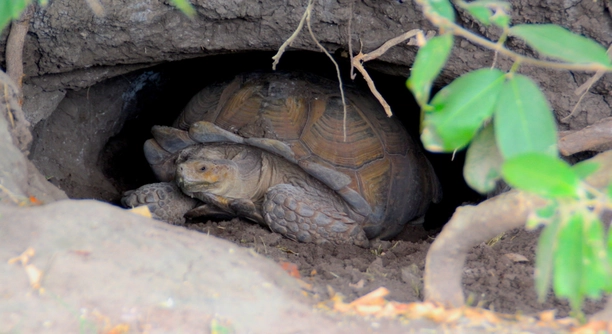
Creating a suitable environment for a sulcata tortoise is essential for its health and well-being. One of the key components is selecting the right plants for its enclosure. These plants not only provide food but also enrich the tortoise’s habitat.
Choosing the best outdoor plants for a sulcata tortoise enclosure requires considering their natural diet and the tortoise’s specific needs. Safe, nutritious plants like grasses and leafy greens are ideal, offering a natural and varied diet for your tortoise.
By including the right plants, you can ensure your tortoise stays healthy while enjoying its enclosure. Keep reading to discover which plants are best suited for your tortoise’s outdoor habitat.
Why Plants Matter for Your Sulcata Tortoise
A sulcata tortoise thrives in an environment that mirrors its natural habitat. In the wild, they graze on a variety of plants, which is why it’s essential to select the right ones for your tortoise enclosure. The right plants offer nutritional benefits, create hiding spots, and provide shade. Many of these plants also encourage foraging, which stimulates the tortoise’s natural behavior. Choosing plants that are safe, nutritious, and tough enough to survive outdoors will help keep your sulcata healthy and content.
Safe and hardy plants like grasses, dandelions, and clover are excellent choices. They offer a good balance of nutrients and are also edible for your tortoise. By selecting the right plants, you’ll create a more engaging and functional enclosure.
When planning your tortoise’s habitat, it’s important to keep in mind that the plants should be pesticide-free. Avoid any plants treated with chemicals, as they can be harmful. Researching and selecting non-toxic, native plants ensures a healthy environment where your sulcata can thrive.
Best Plant Types for a Sulcata Tortoise Enclosure
Several plant types work particularly well for a sulcata tortoise enclosure. Grasses like Bermuda, rye, and fescue are a great choice, as they offer fiber, vitamins, and minerals. Wildflowers, such as clover and dandelions, are nutritious and provide variety. Both grasses and flowers encourage foraging and are easy to maintain.
Succulents like prickly pear cactus can also be included in the tortoise’s diet. This plant offers hydration, especially during the warmer months, and is a natural food source. However, cactus thorns should be removed before being offered to the tortoise.
By using a mix of plants, you can offer your sulcata tortoise a diet that is rich in fiber and nutrients. Ensure your plants are well-established before introducing your tortoise to the enclosure, as it will allow the plants to thrive without being overgrazed too soon.
Common Mistakes to Avoid When Choosing Plants
Avoid choosing plants that are toxic to tortoises. Many common garden plants, like ivy and azalea, can be harmful. It’s crucial to double-check that the plants you’re considering are safe and non-toxic for sulcata tortoises. Always do your research before planting anything in the enclosure.
In addition to toxicity, the size and growth patterns of plants should be considered. Some plants may grow too large, overwhelming the space or becoming difficult to manage. Always choose plants that will thrive in your local climate and won’t overcrowd the enclosure. Overcrowding can limit the tortoise’s movement, which is important for their health.
Another common mistake is selecting plants that are too delicate for outdoor conditions. Plants that can’t withstand heat or heavy grazing may quickly wither. Make sure you pick plants that are not only edible but also hardy enough to endure your sulcata’s activity. Tough, drought-tolerant varieties are often the best option.
Plant Maintenance for a Sulcata Tortoise Enclosure
Once your plants are in place, maintenance is key to keeping them healthy. Regular watering and trimming are necessary to ensure the plants thrive and don’t become overgrown. Depending on your climate, some plants may need extra care during extreme weather.
A great practice is to check the plants regularly for any signs of stress, such as wilting or discoloration. When plants start to struggle, they may not provide the nutrition your sulcata tortoise needs. Replacing these plants with hardier varieties will ensure the habitat stays sustainable.
Another maintenance aspect is preventing invasive plants from taking over. Some plants may spread rapidly, which can end up suffocating other, slower-growing plants. Periodic removal of invasive species helps maintain a balanced ecosystem within the enclosure. It also ensures your sulcata gets the right variety of plants to keep it happy and healthy.
Seasonal Considerations for Planting
The time of year matters when planting in a tortoise enclosure. Different plants thrive during specific seasons, so timing is important to ensure they provide consistent nutrition throughout the year. Plan your planting schedule according to the local climate and the plants’ growth cycles.
In the colder months, many plants will go dormant. To avoid a sparse enclosure, plant hardy species that can withstand lower temperatures or plan for supplemental feeding during winter. This ensures your sulcata tortoise always has access to fresh, nutritious plants, even in off-seasons.
Ideal Soil and Drainage
The soil in your sulcata tortoise enclosure should have good drainage to prevent waterlogged conditions, which can harm plants and the tortoise. Adding sand or gravel to the soil helps create proper drainage. Well-drained soil also prevents root rot, allowing your plants to grow strong and healthy.
A mix of topsoil and organic compost can support plant growth while providing essential nutrients. It’s important to avoid overly rich or acidic soil, as this can alter the pH balance and affect plant health. A balanced, slightly sandy soil mix works best for most outdoor plants in a tortoise habitat.
Enclosure Layout and Plant Placement
When setting up the enclosure, placement is key. Avoid clustering plants too closely together. Ensure there’s enough space between them to allow for proper growth and to prevent overcrowding. Plants should be placed in areas that receive adequate sunlight but also provide some shaded spots for the tortoise to retreat during hotter days.
A well-planned layout can also create natural pathways for your tortoise to explore. By arranging plants in sections, you offer the tortoise a varied environment that encourages foraging, exploration, and exercise. This enhances its overall well-being and allows for a more natural, stimulating habitat.
FAQ
What are the best plants for a sulcata tortoise enclosure?
The best plants for a sulcata tortoise enclosure are those that are safe, nutritious, and hardy. Edible grasses like Bermuda grass, rye, and fescue are excellent choices. You can also include dandelions, clover, and other wildflowers that are safe for tortoises. Succulents like prickly pear cactus are also a great addition, providing hydration and variety in the diet. Be sure to avoid toxic plants such as ivy, oleander, and azalea.
Can I use any plant in my sulcata tortoise’s enclosure?
Not all plants are safe for tortoises. Some plants are toxic and can cause serious health issues. It’s important to avoid any plant that contains harmful chemicals or is known to be poisonous to tortoises. Always double-check the safety of any plant before introducing it into your tortoise’s enclosure. Stick to non-toxic, edible plants to ensure the health of your sulcata.
How do I maintain the plants in my tortoise’s enclosure?
Plant maintenance is essential to ensure they stay healthy and continue to provide food for your tortoise. Regular watering is important, but avoid overwatering, as it can lead to root rot. Trim plants as needed to prevent them from becoming overgrown and taking up too much space. Remove any dead leaves or wilting plants to keep the area clean and free from pests. Additionally, check for any signs of disease or infestation regularly.
Can I plant fruit trees in my sulcata tortoise’s enclosure?
While fruit trees might be appealing for your tortoise’s habitat, they are not always the best choice. Some fruit trees, like apple or peach, may be safe in small amounts, but they are not ideal for the overall diet of your sulcata. Too much fruit can upset their digestive system and cause issues like diarrhea. If you do include fruit trees, ensure the fruit is given in moderation, and focus on plants that mimic their natural diet, such as grasses and leafy greens.
How much space do the plants need in the enclosure?
When planting in your sulcata tortoise’s enclosure, it’s important to give each plant enough room to grow. Crowding plants too closely can lead to competition for nutrients and water, which can stress the plants and hinder their growth. Ideally, there should be enough space between plants to allow air circulation and light to reach each one. For larger plants, leave several feet of space between them to ensure they have room to expand without overwhelming the enclosure.
Do I need to use pesticides or fertilizers in my tortoise’s enclosure?
It’s best to avoid using chemical pesticides and fertilizers in your sulcata tortoise’s enclosure. These can be harmful to both the plants and the tortoise. If you need to address pests, consider using organic or natural alternatives, such as neem oil or insecticidal soap. For fertilization, compost or organic fertilizers can be a safer option, but use them sparingly to avoid overloading the soil with nutrients. Always prioritize safe, non-toxic methods to care for your plants.
Can my sulcata tortoise eat all the plants in the enclosure?
Most of the plants you choose for your sulcata’s enclosure will be edible, but it’s essential to monitor their diet. Sulcatas prefer a high-fiber diet consisting mainly of grasses and weeds, with small amounts of flowers and other plants. You can allow them to eat from the plants in the enclosure, but be sure to remove any plants that are not safe or are growing beyond their ideal consumption levels. Offering a variety of plants ensures a balanced diet and keeps them interested in foraging.
How do I protect my plants from my tortoise’s grazing?
Since sulcata tortoises love to graze, it’s a good idea to plant a variety of plants to ensure there’s always something available for them to eat. Consider planting a mix of fast-growing grasses and slower-growing plants. You can also establish a separate area for more delicate plants that might need a little more protection from grazing. Using plant barriers or creating distinct planting zones within the enclosure can help protect certain plants and allow them to grow freely without being constantly eaten.
What should I do if the plants in the enclosure aren’t thriving?
If your plants aren’t thriving, it may be due to several factors, such as poor soil, lack of sunlight, or improper watering. Check the soil to ensure it has good drainage and is rich in nutrients. If the plants are in too much shade or not getting enough sunlight, consider relocating them to a sunnier spot. Also, avoid overwatering, as soggy soil can cause root rot. Sometimes, replacing plants with more suitable varieties can help restore balance and encourage healthy growth.
Is it okay to let my sulcata tortoise eat plants from my garden?
It is not recommended to let your sulcata tortoise eat plants from your garden unless you are certain the plants are safe. Many common garden plants are treated with pesticides or chemicals that can be harmful to your tortoise. If you want to offer variety in their diet, ensure the plants are non-toxic, pesticide-free, and safe for consumption. It’s always best to stick to plants specifically chosen for the enclosure.
Final Thoughts
Creating the right environment for your sulcata tortoise is important for its health and happiness. Plants in the enclosure provide both nutrition and enrichment, mimicking the natural habitat where these tortoises would graze. By selecting safe, hardy plants, you can ensure that your tortoise has a diverse diet that supports its well-being. Grasses, flowers, and succulents are excellent choices, but it’s crucial to keep in mind the needs of the plants and the tortoise. Choosing the right plants can make the difference in providing a healthy, sustainable environment.
Maintaining the enclosure requires regular care to keep the plants thriving. Proper watering, trimming, and checking for pests are all part of the process. It’s important to avoid using harmful chemicals, such as pesticides, to protect both your tortoise and the plants. Organic or natural methods of pest control are safer alternatives. Additionally, making sure the plants have enough space to grow without overcrowding is key to keeping everything balanced. If one plant struggles or is eaten too quickly, it’s okay to replace it with something more suitable.
When planning your sulcata tortoise’s habitat, remember that variety is important. A mix of grasses, wildflowers, and succulents will keep the tortoise engaged and healthy. Be sure to consider the seasons and climate when planting, as some plants may need extra care during colder months. With the right plants and proper maintenance, you can create a flourishing and functional environment that meets the needs of your sulcata tortoise.

Hello,
If you enjoy the content that we create, please consider saying a "Thank You!" by leaving a tip.
Every little bit helps us continue crafting quality advice that supports the health, happiness, and well-being of pets around the world, for pets of all shapes, sizes, and species.
We really appreciate the kindness and support that you show us!