
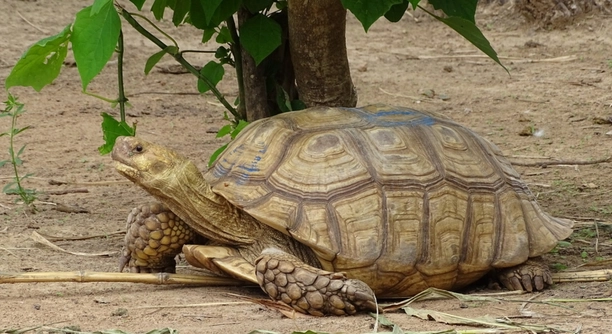
Overfeeding your sulcata tortoise can lead to several health issues that affect their well-being. Recognizing the signs of overfeeding is essential for maintaining a healthy tortoise. This article will help you identify these signs and take corrective action.
Overfeeding sulcata tortoises can lead to obesity, shell deformities, and other health problems. It is important to monitor their diet, ensuring proper balance to prevent these issues. Regular observation of their behavior and physical condition is key to their care.
Understanding these signs is crucial to ensuring a happy, healthy tortoise. We’ll walk you through the symptoms of overfeeding and offer simple solutions for getting things back on track.
Overfeeding Signs in Sulcata Tortoises
One of the most noticeable signs of overfeeding in sulcata tortoises is weight gain. These tortoises naturally have slow metabolisms, and overfeeding them leads to an increase in body fat, which can cause them to become overweight. A healthy sulcata should have a firm shell and be able to move around with ease. If their shell appears overly wide or swollen, it is a clear indication that they may be consuming more food than necessary. Additionally, sluggish behavior and difficulty moving can also be attributed to excessive food intake. Overfeeding can result in a range of health complications that affect their quality of life. Monitoring your tortoise’s weight regularly is essential for preventing these issues. Ensuring they receive the appropriate amount of food, based on their age and activity level, is key to their overall well-being.
Tortoises thrive on a controlled diet. Their food intake should be monitored closely to avoid problems like obesity, which directly impacts their mobility and health.
In the wild, sulcata tortoises forage for a variety of plants, but captivity can lead to more consistent, excessive feeding. Overfeeding can lead to shell deformities, as their bodies may struggle to grow properly with excess weight. It’s essential to provide them with a balanced diet that mimics their natural habitat, including a variety of grasses and weeds. Excessive feeding, particularly with high-calcium vegetables or fruits, can contribute to imbalances in their nutritional intake, which affects their growth and overall shell condition. Regularly trimming food portions and limiting high-fat or high-protein offerings will help maintain their natural growth patterns. Correcting diet habits early on can ensure a healthier, happier tortoise for years to come.
Solutions to Fix Overfeeding in Sulcata Tortoises
To address overfeeding, first reassess their diet and feeding schedule. Provide the correct food portion for their size and age to prevent further weight gain.
Reducing food intake is essential in reversing the effects of overfeeding. Sulcata tortoises need to eat mostly grasses, with very little fruit. Cutting back on rich foods will allow their bodies to regain proper health. The next step is ensuring they receive the right nutrients in moderation. Fresh, high-fiber foods like grass hay should be the base of their diet, while leafy greens can supplement their nutritional needs. High-protein foods like lettuce should be limited, as they contribute to unhealthy weight gain. Regularly measuring portions can help you maintain a healthy feeding routine. Exercise is equally important—allowing your tortoise to roam freely will help them burn off excess calories. Along with proper food management and exercise, monitoring your tortoise’s weight and behavior will allow you to adjust their diet accordingly.
Diet Adjustments for Sulcata Tortoises
If you notice signs of overfeeding, it’s important to revise your tortoise’s diet. Focus on providing high-fiber plants like grasses and weeds. Avoid high-protein foods, such as lettuce or fruits, as they can contribute to obesity and other health issues.
Switching to a proper diet can have significant benefits for your sulcata tortoise. Foods such as dandelion greens, clover, and hay are better suited to their nutritional needs. These options help maintain a healthy weight and ensure they’re getting the right balance of fiber, calcium, and other nutrients. Regularly offering fresh, clean food will also reduce the risk of overfeeding. Consistency in their diet will lead to steady and healthy growth. Try offering food in smaller portions to keep them from overeating. Limiting their food intake over time is necessary for restoring balance.
Dietary adjustments will allow your tortoise to shed excess weight gradually, reducing the risk of developing obesity-related health problems.
Monitoring Portion Sizes
Monitoring your tortoise’s food portions will ensure they don’t overeat. A controlled feeding schedule keeps their intake in check.
One way to measure portions is by adjusting food quantity based on their age and size. Young sulcata tortoises need more frequent feedings, while adults eat less often. If you have a fully grown tortoise, feed them once a day with a carefully measured portion. Avoid feeding them unlimited amounts of food, as this encourages overeating. When measuring portions, ensure they’re getting enough fiber and calcium but not too many fats. Track their growth and weight to avoid unnecessary weight gain. Reducing food intake by small increments will help restore balance without causing stress. Always keep their meals varied to prevent them from becoming bored with their diet.
Maintaining this careful monitoring will help you manage their health and ensure they’re not overfed, leading to a healthier tortoise overall.
Exercise for Sulcata Tortoises
Exercise is crucial for your sulcata tortoise’s health. Regular movement helps them burn off excess calories and maintain a healthy weight.
Providing a large, safe area for your tortoise to roam encourages natural behaviors and physical activity. If kept in a smaller enclosure, their exercise may be limited, leading to weight gain. Offering outdoor time or space to move freely will keep them active and engaged. The more they explore, the better their overall health will be.
Encouraging exercise prevents them from becoming sedentary, which is common with overfeeding. Regular activity is essential for long-term well-being.
Reducing High-Calcium Vegetables
High-calcium vegetables should be limited when overfeeding signs appear. Too much calcium can cause imbalances in your tortoise’s health.
Certain vegetables like kale, turnip greens, and collard greens are high in calcium. While they are beneficial in moderation, offering them too often can create health issues such as kidney problems or shell deformities. Reduce their frequency in your tortoise’s diet and focus on low-calcium plants like grasses and hay. This adjustment will help maintain proper calcium-to-phosphorus ratios, ensuring your tortoise’s shell and bones stay healthy.
Be mindful of the amount of calcium-rich vegetables to prevent overfeeding and health risks.
Providing Balanced Foods
A balanced diet is key to preventing overfeeding in sulcata tortoises. Focus on variety and proper proportions.
Offer a mix of high-fiber plants, such as grasses and edible weeds, and limit high-protein or sugary foods. A variety of foods will help balance their nutrient intake. Keep their meals consistent by providing fresh food daily. Over time, this will help them return to a healthy weight while ensuring they get all the necessary nutrients for proper growth and shell development. Variety is crucial as it mimics their natural diet in the wild, ensuring they receive all the vitamins and minerals they need for optimal health.
FAQ
What happens if I overfeed my sulcata tortoise?
Overfeeding a sulcata tortoise can lead to obesity, which increases the risk of serious health issues like shell deformities, difficulty moving, and metabolic problems. The excess weight puts pressure on their organs and can affect their overall well-being. Overfeeding can also cause poor digestion, as they may not be able to process food properly when eating in excess. This can lead to issues such as impaction, where food gets stuck in their digestive tract. To avoid these problems, always feed them the appropriate amount of food based on their age, size, and activity level.
How do I know if my sulcata tortoise is overweight?
You can tell if your tortoise is overweight by observing its shape and behavior. An overweight tortoise will have a rounder, wider shell and may struggle to move around or appear lethargic. Their legs might look thinner in comparison to their larger body, and they may have difficulty walking or climbing. Additionally, check for any noticeable swelling around the body. Regularly monitoring their weight and comparing it to their normal growth patterns is essential. If their body becomes noticeably larger without proper proportional growth, it may indicate that they are carrying excess weight.
How much should I feed my sulcata tortoise?
The amount of food you should provide depends on your tortoise’s age, size, and activity level. A young sulcata tortoise may eat more frequently, typically 2-3 times a day, while an adult tortoise needs food once a day. Offer food in measured portions based on their size. A general guideline for adults is to provide about the size of their shell in food each day. Their diet should consist mostly of high-fiber grasses and leafy greens, with very little fruit or high-protein vegetables. Adjust the portion sizes if they are not eating all the food or seem sluggish. Too much food can lead to overfeeding.
Can sulcata tortoises eat fruits and vegetables?
Yes, sulcata tortoises can eat fruits and vegetables, but these should only be offered in moderation. Fruits like strawberries, melons, and apples can be offered occasionally, but they should not make up a significant portion of their diet due to their high sugar content. Vegetables like kale, collard greens, and turnip greens are suitable but should also be offered sparingly, as too much calcium can cause problems. The majority of their diet should come from grasses and weeds. High-fiber, low-calcium foods should be prioritized to maintain a balanced and healthy diet.
How can I prevent overfeeding my sulcata tortoise?
To prevent overfeeding, establish a consistent feeding schedule and monitor portion sizes. Avoid leaving food in the enclosure all day, as tortoises tend to eat out of habit. Instead, offer them a set amount of food and remove any leftovers after 30-60 minutes. Stick to a healthy variety of grasses, hay, and weeds while limiting high-protein foods. Ensure they get adequate exercise to help them burn off calories, and make sure their enclosure is spacious enough for them to move around freely. Regularly assess their weight and adjust the food portions if necessary. By setting boundaries, you can maintain a proper diet.
How much exercise does my sulcata tortoise need?
Sulcata tortoises need plenty of space to roam and explore. A minimum of 100 square feet of outdoor space is recommended for an adult tortoise to encourage movement. Exercise helps keep them active, burn calories, and maintain a healthy weight. If they are kept indoors, provide them with a large enclosure and allow them time outside when weather permits. Give them opportunities to dig, climb, and move freely. Regular exercise also contributes to mental stimulation, preventing boredom. Ensure your tortoise is active daily to maintain a healthy and fit lifestyle.
Should I weigh my sulcata tortoise regularly?
Yes, weighing your tortoise regularly is important to track its growth and monitor for signs of overfeeding or underfeeding. Weighing should be done every 2-3 weeks, especially during their growth stages. If you notice sudden weight changes, it may indicate dietary issues or health concerns. Use a digital scale for accurate readings. Tracking their weight over time will help you make adjustments to their feeding routine as necessary and ensure they stay healthy.
Can I feed my sulcata tortoise just one type of food?
No, sulcata tortoises need a varied diet to ensure they get all the necessary nutrients. A diet consisting of only one type of food can lead to deficiencies or imbalances. For example, offering only leafy greens or grasses without other food sources can cause a lack of essential vitamins and minerals. A balanced diet includes a mix of high-fiber grasses, leafy vegetables, and occasional fruits or flowers. Ensuring variety in their diet helps maintain good health and encourages natural foraging behaviors.
How do I adjust my sulcata tortoise’s diet if it is overweight?
If your tortoise is overweight, the first step is to reduce the quantity of food offered and focus on low-calcium, high-fiber plants. Limit the amount of fruits, vegetables with high calcium, and high-protein foods like lettuce or clover. Provide plenty of high-fiber grasses like hay, dandelions, and weeds. Offer food in smaller portions and remove uneaten food promptly. Encourage exercise by giving your tortoise space to move around, and ensure they have daily outdoor time for physical activity. Gradual weight loss is better than rapid weight reduction, as it avoids stress or health issues.
What are the best foods for a sulcata tortoise?
The best foods for a sulcata tortoise are high-fiber grasses and weeds. Grasses should form the majority of their diet, as they are rich in fiber and essential nutrients. Other suitable foods include hay, dandelions, and hibiscus flowers. These foods help support digestive health and proper growth. Additionally, some leafy greens, like collard greens or turnip greens, can be given in moderation. Avoid feeding them too much fruit, lettuce, or any high-calcium vegetables, as these can lead to obesity or shell deformities. A variety of these foods ensures a balanced, healthy diet.
Final Thoughts
Overfeeding a sulcata tortoise can have serious consequences on its health and well-being. The signs of overfeeding are often subtle at first but can lead to long-term health issues like obesity, shell deformities, and mobility problems. It’s important to understand the needs of your tortoise and provide food in appropriate portions. Monitoring their diet regularly is essential for maintaining their health, as it ensures they get the right balance of nutrients while avoiding overconsumption. Regularly assessing their behavior and physical condition will help you spot any signs of overfeeding early.
Feeding a sulcata tortoise requires careful attention to the right balance of foods. Their diet should mostly consist of high-fiber grasses and weeds, which provide essential nutrients for healthy growth and digestion. Fruits and vegetables should only be offered occasionally and in moderation. Overfeeding high-calcium or high-protein foods can lead to health complications, so variety in their diet is key. It’s also important to ensure that they have ample space to move around and get exercise, as this will help them stay active and burn off any excess calories they consume.
Taking these steps to monitor and adjust their diet will help prevent overfeeding and ensure that your sulcata tortoise lives a long, healthy life. Providing a balanced diet, exercise, and regular health checks can make a big difference in your tortoise’s quality of life. By paying attention to their needs and making necessary adjustments, you can enjoy a happy, healthy tortoise as a pet for many years.

Hello,
If you enjoy the content that we create, please consider saying a "Thank You!" by leaving a tip.
Every little bit helps us continue crafting quality advice that supports the health, happiness, and well-being of pets around the world, for pets of all shapes, sizes, and species.
We really appreciate the kindness and support that you show us!