
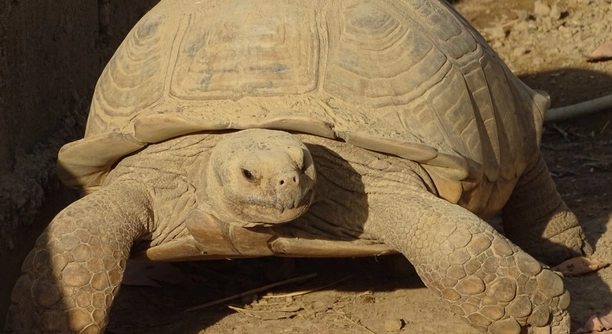
Sulcata tortoises are popular pets known for their size and long lifespan. As a pet owner, you might wonder about their diet and what’s safe for them to eat. One common question is whether kale is a suitable food for these reptiles.
Sulcata tortoises should not be fed kale regularly. Kale contains high levels of oxalates and goitrogens, which can interfere with calcium absorption and thyroid function in tortoises. It’s best to feed them a varied diet of grasses and safe leafy greens.
There are several factors to consider before feeding kale to your tortoise. It’s important to understand the nutritional needs of these reptiles and the potential risks involved with certain vegetables.
Why Kale Is Not Ideal for Sulcata Tortoises
Kale, though commonly known as a healthy vegetable for humans, may not be the best option for your Sulcata tortoise. While a small amount occasionally might not cause harm, regularly feeding them kale can lead to several health problems. This is because kale contains oxalates, compounds that can bind to calcium and prevent its absorption. A lack of calcium can lead to weak bones and other related issues. Additionally, kale contains goitrogens, which can affect the thyroid gland in tortoises. This is especially concerning for young tortoises still growing. It’s always better to prioritize foods that are naturally rich in fiber and lower in oxalates to support your tortoise’s health.
Feeding kale too often can contribute to long-term health problems. Most tortoises need a high-fiber diet that closely mimics what they would find in the wild.
It’s crucial to consider the natural diet of Sulcata tortoises in the wild. They primarily graze on grasses and other plants that provide adequate nutrients without the added risks of certain vegetables. In their natural habitat, their diet includes a variety of grasses, weeds, and leafy greens low in oxalates. These foods promote strong bones and proper digestive health. Kale, being too rich in certain compounds, can upset this delicate balance. Instead, focus on offering a mix of high-fiber, low-oxalate greens like dandelion leaves, clover, and grasses. These are much safer and more suitable for your tortoise’s digestive system. It’s important to ensure their diet supports their overall health, especially when they’re growing quickly.
What Can You Feed Your Sulcata Tortoise Instead?
Instead of kale, offer your Sulcata tortoise grass, dandelion greens, and various edible weeds.
A healthy diet for your Sulcata tortoise should consist mostly of high-fiber grasses and safe leafy greens. Grasses like timothy hay are a great staple, as they mimic the natural food sources your tortoise would consume in the wild. Dandelion greens are another excellent option, as they are rich in calcium and low in oxalates. You can also feed them clover, hibiscus flowers, and prickly pear cactus, all of which are safe and provide the necessary nutrients without the added risk of oxalates or goitrogens. It’s important to avoid vegetables high in water content, such as lettuce, as these can cause diarrhea and digestive upset. Offering a variety of grasses and plants helps ensure your tortoise is getting a well-rounded diet. Always provide fresh food, and make sure to regularly rotate the types of greens you offer to avoid dietary imbalances. By focusing on the right foods, you can support your tortoise’s health and ensure they thrive.
The Risks of Feeding Kale to Sulcata Tortoises
Feeding your tortoise kale regularly can lead to several health risks. The oxalates in kale interfere with calcium absorption, which is crucial for bone health. This can result in weak bones and poor overall development. Goitrogens in kale can also harm the thyroid, affecting metabolism.
Over time, the build-up of oxalates can cause kidney problems and make it difficult for your tortoise to absorb essential nutrients. This is especially dangerous in younger tortoises still developing. Therefore, it’s best to limit kale to an occasional treat, if at all, and focus on other safe greens.
A diet high in oxalates and goitrogens can result in long-term health issues. Sulcata tortoises are naturally grazers, so feeding them foods that mirror their wild diet helps prevent these risks. To ensure they grow healthy, provide greens that are low in these compounds and support their bone and thyroid health. By avoiding kale, you are protecting your tortoise’s future health.
How to Properly Balance Your Sulcata Tortoise’s Diet
Balancing your tortoise’s diet is key to keeping them healthy. Focus on foods rich in calcium and fiber while avoiding high-water content vegetables.
A balanced diet is one that mimics what Sulcata tortoises would naturally eat. Provide plenty of grasses, dandelion greens, and other fibrous plants. These foods help maintain a healthy digestive system and provide the necessary nutrients. It’s also important to offer calcium-rich foods like collard greens and a calcium supplement if needed.
Along with high-fiber plants, always ensure your tortoise has access to fresh water. Offering a variety of safe foods prevents boredom and promotes good digestion. Avoid giving them sugary or high-water content vegetables like iceberg lettuce. These can cause digestive issues and prevent your tortoise from properly absorbing essential nutrients.
Understanding Oxalates and Their Impact
Oxalates are compounds found in many plants, including kale. They can bind with calcium, making it harder for your tortoise to absorb this vital mineral. Too many oxalates in the diet can lead to calcium deficiencies and health problems.
When oxalates are consumed in excess, they can also contribute to kidney issues. This can be harmful in the long run, especially for young tortoises who are still growing. Therefore, keeping oxalate levels in check is crucial for maintaining a balanced and healthy diet.
The Importance of Calcium for Sulcata Tortoises
Calcium is essential for strong bones and overall health in Sulcata tortoises. Without enough calcium, they can develop shell deformities and brittle bones. Providing calcium-rich foods helps prevent these issues.
To ensure proper calcium intake, offer safe greens like collard greens, dandelion leaves, and clover. These foods help support bone development and metabolic health. It’s also important to provide a calcium supplement, especially if your tortoise is not getting enough from its diet. Proper calcium levels are essential for preventing long-term health problems.
FAQ
Can Sulcata tortoises eat other types of leafy greens?
Yes, Sulcata tortoises can eat a variety of leafy greens. In fact, providing them with a mix of safe, calcium-rich greens is essential for their health. Dandelion greens, mustard greens, and collard greens are excellent options. These greens are not only low in oxalates but also provide the necessary calcium and fiber. It’s important to avoid any leafy greens that are too high in oxalates, such as spinach and beet greens, which can cause health issues if fed too frequently.
Is it okay to feed Sulcata tortoises fruits?
Fruits should be given to Sulcata tortoises sparingly. While they may enjoy the occasional treat, fruits are high in sugar and can upset their digestive system. Overconsumption of sugar can lead to obesity and other health issues. It’s better to focus on high-fiber, low-sugar foods that mirror their natural diet in the wild. When offering fruits, make sure to limit portions and only provide them once in a while, such as small pieces of melon or berries.
How often should I feed my Sulcata tortoise?
Adult Sulcata tortoises should be fed once a day. Young tortoises may need to be fed twice a day due to their higher energy requirements. Make sure to offer a balanced diet, including various grasses, hay, and safe leafy greens. Always remove any uneaten food to avoid mold growth. Providing food on a consistent schedule helps establish a routine for your tortoise, which can aid in better digestion and health.
Can I feed my Sulcata tortoise lettuce?
Lettuce should be avoided or given very occasionally. Many types of lettuce, especially iceberg lettuce, have high water content and offer little nutritional value. This can cause diarrhea or other digestive issues. If you do choose to feed lettuce, opt for darker, more nutritious varieties like romaine lettuce. However, it’s best to stick to other, more nutrient-dense options like dandelion greens, clover, and grasses.
What should I do if my Sulcata tortoise refuses to eat?
If your tortoise is refusing to eat, there could be several reasons. Stress, temperature issues, or an unbalanced diet can lead to a loss of appetite. Ensure your tortoise’s enclosure has the correct temperature gradient and that it has access to fresh water at all times. Try offering different types of leafy greens and grasses to entice them. If the lack of appetite continues, it may be best to consult with a veterinarian to rule out any underlying health problems.
Can Sulcata tortoises eat flowers?
Yes, Sulcata tortoises can eat certain types of flowers, and they can be a great addition to their diet. Flowers like hibiscus, dandelions, and pansies are safe and provide added variety. Make sure the flowers you offer are free of pesticides and are safe for tortoises to consume. Flowers should be part of a varied diet that includes other plants and greens. Don’t rely solely on flowers as they don’t provide enough fiber and nutrition on their own.
Should I give my Sulcata tortoise a calcium supplement?
Yes, a calcium supplement is a good idea, especially if your tortoise is not getting enough from its diet. Calcium is essential for bone health, and without enough, your tortoise could develop problems like shell deformities. You can offer calcium powder to sprinkle over their food, but it’s important not to overdo it. Too much calcium can also cause health issues, so follow the recommended dosage and provide it regularly as part of a balanced diet.
Is it safe to give Sulcata tortoises cactus?
Yes, Sulcata tortoises can eat cactus. Prickly pear cactus is especially beneficial for them. It provides hydration, fiber, and vitamins, making it a great addition to their diet. However, make sure to remove the spines before offering it to your tortoise, as they could cause injury. Cactus should be given in moderation as part of a varied diet and not as a staple food.
Can Sulcata tortoises eat weeds?
Yes, weeds are often a great food source for Sulcata tortoises, as many common weeds are both nutritious and safe. Weeds like clover, plantain, and dandelion are rich in calcium and fiber. Just ensure that the weeds you offer are free from pesticides, herbicides, or other chemicals that could be harmful. Avoid any poisonous plants that may resemble common weeds.
How much water should my Sulcata tortoise drink?
Sulcata tortoises need access to fresh water at all times. They don’t drink water as frequently as other pets, but they should always have it available. It’s also a good idea to soak your tortoise in shallow water a few times a week, especially if it’s not drinking enough. Soaking helps with hydration, digestion, and shell health. Always make sure the water is clean and fresh.
Final Thoughts
In conclusion, it’s clear that Sulcata tortoises require a carefully balanced diet to stay healthy. While kale may seem like a nutritious option, it’s not the best choice for these reptiles. The high levels of oxalates and goitrogens in kale can interfere with calcium absorption and thyroid function, which can lead to serious health problems over time. Therefore, it’s important to choose foods that are safe, low in oxalates, and rich in calcium and fiber to ensure your tortoise thrives. Dandelion greens, grasses, and other leafy vegetables like collard greens are great alternatives that provide the essential nutrients without the risks associated with kale.
Maintaining a proper diet is just one part of caring for your Sulcata tortoise. Ensuring they have access to fresh water, a suitable habitat, and regular veterinary care is also essential. Sulcata tortoises are herbivores that require a diet similar to what they would eat in the wild, consisting mainly of grasses, weeds, and other low-oxalate plants. Offering a variety of safe greens will not only provide nutritional benefits but also prevent the monotony of a restricted diet, which can lead to picky eating or digestive issues. It’s also important to avoid foods high in sugar or water content, like fruits and lettuce, which can upset their digestive systems.
Finally, when feeding your Sulcata tortoise, remember that moderation and variety are key. While some foods may be safe to offer occasionally, they should not make up a significant portion of the diet. Understanding what your tortoise needs and providing the right foods will help ensure they grow strong, healthy, and live a long life. By staying informed and offering the right variety of food, you’ll give your tortoise the best chance to thrive in your care.

Hello,
If you enjoy the content that we create, please consider saying a "Thank You!" by leaving a tip.
Every little bit helps us continue crafting quality advice that supports the health, happiness, and well-being of pets around the world, for pets of all shapes, sizes, and species.
We really appreciate the kindness and support that you show us!