
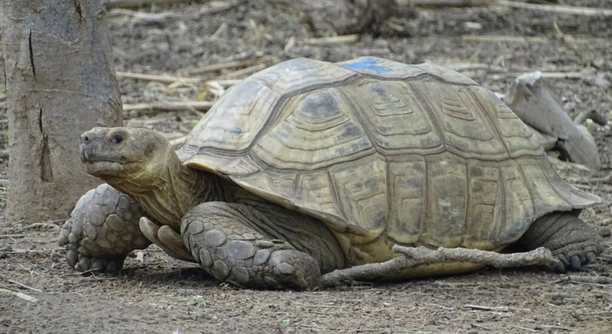
Keeping a sulcata tortoise healthy in an enclosure requires proper care, including providing ample shade. It’s essential to create a suitable environment that mimics their natural habitat. Knowing which plants offer reliable shade can make a big difference.
The best shade plants for sulcata tortoise enclosures are those that are non-toxic and provide adequate shelter from the sun. Look for sturdy plants that can thrive in hot, dry conditions, while offering shade and maintaining a safe environment.
These plants can help ensure your tortoise stays cool and comfortable. Understanding the right choices will also protect your pet from the harsh elements and contribute to a balanced habitat.
Why Shade is Important for Sulcata Tortoises
Sulcata tortoises are native to the hot, dry areas of Africa. In an enclosure, it’s crucial to provide shade to help regulate their body temperature. Without proper shade, your tortoise can become stressed, dehydrated, or even suffer from heatstroke. Since tortoises cannot regulate their body temperature as efficiently as some other reptiles, they rely on their environment to stay cool. Providing the right shade not only helps with temperature control but also offers a place for them to rest and feel secure.
Tortoises often seek out shaded areas when the sun becomes too intense, so it’s essential to have reliable shade plants in their enclosure. These plants will offer protection from the heat and provide a more natural environment for your pet.
When choosing shade plants for a sulcata tortoise enclosure, it’s important to select those that are not only effective but also safe for your pet. Some plants may look appealing but can be toxic to tortoises if consumed. Choosing safe, non-toxic plants is key to maintaining your tortoise’s health.
Top Plants to Consider for Shade
There are several plants you can choose from to provide shade. However, it’s important to pick those that can withstand hot and dry conditions while being safe for your tortoise.
Succulents, such as aloe vera, are a great choice because they require little water and thrive in full sun. Aloe vera is also non-toxic to tortoises, making it a good option for providing shade and safety. Another plant to consider is the prickly pear cactus. Not only does it offer some shade, but it can also provide a food source for your tortoise.
Another great option is the mesquite tree. Mesquite trees have broad, dense leaves that offer a lot of shade. These trees can grow well in hot, dry conditions, making them perfect for sulcata tortoise enclosures. They are also safe for tortoises and provide a natural, shaded area for them to retreat to when it gets too hot. Finally, consider using hibiscus plants, which can also offer shade while adding a pop of color to the enclosure. Hibiscus plants are non-toxic and hardy enough to handle the sun’s heat.
These plants can be placed in various spots around the enclosure, ensuring your sulcata tortoise has plenty of shade throughout the day.
Safe Shade Plants for Sulcata Tortoises
When selecting shade plants, it’s essential to ensure they are safe for your tortoise. Toxic plants can cause serious harm if ingested, so it’s crucial to choose only non-toxic varieties. Avoid plants that have been treated with pesticides or other chemicals.
Some safe plants for sulcata tortoises include aloe vera, hibiscus, and various types of cacti. Aloe vera is well-suited for a tortoise’s enclosure, offering shade without posing any risks. Hibiscus plants, with their vibrant flowers, are another non-toxic choice that also provides shade. Certain cacti, like the prickly pear, not only offer shelter but can also be a food source for tortoises.
It’s important to regularly check the plants for signs of stress or damage. Dead or decaying parts of the plants should be removed immediately to prevent any possible ingestion. Also, be mindful of the plant’s size. Some plants may outgrow the enclosure, causing shading areas to become too crowded or difficult to manage. Pruning plants when needed will help maintain a healthy environment for your tortoise.
Plant Care in a Tortoise Enclosure
To maintain healthy shade plants, proper care is key. Plants in your tortoise’s enclosure must be drought-tolerant, as water needs should be minimal. Over-watering can cause issues with mold and mildew, and it’s best to avoid that.
When planting, ensure the soil has proper drainage. This will help prevent waterlogging and ensure the roots of your plants remain healthy. You can also use a mix of sand and soil to improve drainage. Another essential aspect of plant care is ensuring the right sunlight exposure for your plants. While some shade plants thrive in direct sunlight, others may need to be protected from the harshest rays of the day.
In hot climates, watering should be done in the early morning or late afternoon to prevent excess evaporation. If possible, consider creating a watering system that doesn’t wet the entire enclosure but targets the base of the plants. This ensures the plants receive moisture without disturbing the tortoise’s environment too much. Regular checks will help you spot any issues with the plants early, ensuring they continue to provide both shade and safety.
How to Arrange Shade Plants in the Enclosure
Arranging shade plants properly is important for creating a comfortable environment. Place plants in areas where your sulcata tortoise can easily find shelter from the sun. Create a mix of smaller and larger plants to ensure various shaded spots throughout the day.
You should consider the layout of your enclosure to ensure there’s a balance of shade and sun for your tortoise. Avoid placing all the plants in one corner, as this may limit your tortoise’s movement. Distribute them evenly, making sure the tortoise can access shaded areas throughout the space.
A well-thought-out arrangement will also allow the plants to thrive without overcrowding one another. It’s essential to leave space between plants for proper growth and airflow. Overcrowding could result in unhealthy plants and limit your tortoise’s space to roam.
Benefits of Shade Plants for Sulcata Tortoises
Shade plants do more than just provide shelter from the sun; they also help with humidity regulation. As tortoises are desert animals, they need access to water but also benefit from a dry environment. Shade plants naturally keep the air cooler, helping your tortoise stay at a comfortable temperature.
Besides regulating temperature, the plants can also offer a more naturalistic feel to your enclosure. This can help reduce stress, as tortoises are naturally drawn to shaded spots where they feel safe and secure. A well-planted enclosure offers a sense of security, as it mimics the tortoise’s natural habitat in the wild.
Additionally, many plants are edible, providing a natural food source. However, make sure that any plant you choose is safe for your tortoise to eat. Some plants may be toxic, so researching each plant thoroughly before adding it to the enclosure is necessary for your tortoise’s health.
Pruning and Maintenance
Regular pruning of shade plants is necessary to keep them healthy and manageable. Trim any dead or damaged leaves to promote new growth and prevent the spread of disease. This also helps maintain the overall aesthetics of the enclosure.
It’s important not to over-prune, as doing so can stress the plant and reduce its ability to provide shade. Regular checks will help you stay on top of any growth issues. If you find plants growing too large, consider cutting them back to maintain the desired shade level and prevent overcrowding in the enclosure.
FAQ
What are the best shade plants for sulcata tortoises?
Some of the best shade plants for sulcata tortoises include aloe vera, prickly pear cactus, hibiscus, mesquite trees, and certain succulents. These plants thrive in hot, dry conditions and provide shade and shelter. Aloe vera and prickly pear cactus also double as a food source for your tortoise, while hibiscus adds beauty to the enclosure. It’s important to ensure that the plants you choose are safe for tortoises and are free from pesticides or harmful chemicals.
How do I know if a plant is safe for my tortoise?
To determine if a plant is safe, research the plant thoroughly. Many common garden plants can be toxic to tortoises, so it’s crucial to avoid them. You can check reliable reptile care websites or consult a veterinarian for advice. Some plants may look harmless but contain chemicals that can cause harm to your tortoise if eaten. Always ensure that the plant is non-toxic before adding it to the enclosure.
Can I use artificial plants for shade?
Artificial plants can be used to provide shade, but they don’t have the same benefits as natural plants. Artificial plants won’t help regulate temperature or humidity, nor can they provide a food source. They can still serve as decoration, but they should not replace real, safe plants in your tortoise’s enclosure. Natural plants are always better because they provide both shade and a more natural environment for your tortoise.
How much sunlight should my tortoise’s enclosure get?
Your sulcata tortoise’s enclosure should get a balanced amount of sunlight throughout the day. While they enjoy basking in the sun, they also need shaded areas to escape the heat. A good mix of sun and shade ensures that your tortoise can regulate its body temperature. Direct sunlight in the morning or late afternoon is ideal, as the sun’s rays are less intense. Be sure that shaded areas are available during the hottest parts of the day.
How do I care for plants in a sulcata tortoise enclosure?
Caring for plants in your tortoise’s enclosure involves ensuring they have enough sunlight, water, and proper drainage. Plants should be drought-tolerant and suited for the hot, dry conditions. You should avoid overwatering as it can lead to mold growth or plant rot. Prune dead or damaged leaves regularly and ensure the plants are not overcrowding the space. Keeping the plants healthy will provide the necessary shade while maintaining the overall health of the enclosure.
Can sulcata tortoises eat the plants in their enclosure?
Many of the plants in a sulcata tortoise enclosure are edible, but you should make sure they are safe. Plants like hibiscus, prickly pear cactus, and some succulents can be a source of food for tortoises. However, not all plants should be eaten, so it’s crucial to identify which ones are safe. Avoid plants that are known to be toxic, and make sure the plants are free from pesticides or chemicals. Always monitor your tortoise to ensure it isn’t over-consuming any plants.
How do I prevent plants from getting damaged in the enclosure?
To prevent damage, avoid placing plants in areas where your tortoise might trample them frequently. Designate certain spots for plants, ideally in places that your tortoise doesn’t use often for walking or basking. You can use barriers or create specific plant sections in the enclosure to protect them. Additionally, prune any overgrown plants to keep them manageable and prevent them from becoming too fragile or overcrowded. Regular maintenance will help keep the plants in good condition.
Are there any plants I should avoid putting in my tortoise’s enclosure?
Yes, there are certain plants you should avoid, as they can be toxic to sulcata tortoises. Plants like ivy, oleander, and certain types of lilies are poisonous and should not be included. Always do thorough research to make sure the plants are safe for your tortoise. Avoid any plants that are chemically treated with pesticides or fertilizers, as they could harm your tortoise if ingested. Stick with known non-toxic plants to ensure a safe environment for your pet.
How often should I water the plants in my tortoise enclosure?
Watering depends on the type of plants you have. Succulents and cacti require very little water and should only be watered when the soil is completely dry. Other plants may need more frequent watering, especially during the warmer months. It’s important not to overwater, as excess moisture can cause mold or rotting. Watering should be done in the early morning or late afternoon to minimize evaporation and keep the environment stable.
Can I use a combination of plants and rocks to provide shade for my tortoise?
Yes, using a combination of plants and rocks can be an effective way to provide shade for your sulcata tortoise. Rocks can help create natural hiding spots and shaded areas, especially if they are placed in a way that blocks direct sunlight. Plants can be added to the setup for extra coverage. Just be sure the rocks are stable and won’t move around, which could pose a risk to your tortoise. Using both will create a more dynamic and natural-looking environment.
Final Thoughts
Creating a comfortable and safe environment for your sulcata tortoise is essential, and providing the right shade is a big part of that. Sulcata tortoises come from hot, dry regions, but they still need access to cool, shaded areas to avoid overheating. The shade helps regulate their body temperature, reduces stress, and gives them a space to retreat from the sun when it becomes too intense. By choosing the right plants, you can create a natural, balanced environment that meets both their needs for shade and food.
When selecting shade plants, it’s important to pick non-toxic varieties that can thrive in the heat. Succulents like aloe vera and prickly pear cacti are perfect choices, as they are both heat-tolerant and safe for your tortoise to consume. Other plants like hibiscus or mesquite trees can also add variety and beauty to your enclosure. Each plant has its unique benefits, but the most important factor is ensuring they are safe for your tortoise. Regular maintenance, such as pruning and watering, will help keep the plants healthy and functioning well in the enclosure.
Finally, while the plants provide shade, it’s also important to consider the layout of the entire enclosure. Properly arranging the plants, rocks, and other elements will ensure your tortoise has easy access to the shaded areas throughout the day. A mix of sun and shade spots allows your tortoise to regulate its temperature naturally. With a little effort and careful planning, your sulcata tortoise will enjoy a secure, shaded area where it can thrive comfortably in its enclosure.

Hello,
If you enjoy the content that we create, please consider saying a "Thank You!" by leaving a tip.
Every little bit helps us continue crafting quality advice that supports the health, happiness, and well-being of pets around the world, for pets of all shapes, sizes, and species.
We really appreciate the kindness and support that you show us!