
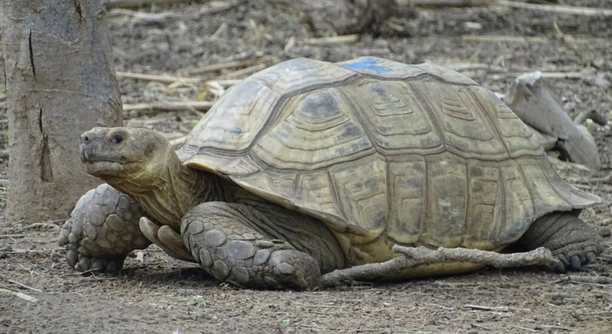
Sulcata tortoises are fascinating creatures with specific dietary needs. Understanding what foods are safe for them is key to keeping them healthy and thriving. This article will explore whether honey is a suitable food option for these reptiles.
Sulcata tortoises should not eat honey, as it is high in sugar and can cause digestive issues. Their natural diet consists mainly of grasses, weeds, and some fruits and vegetables, all of which provide necessary nutrients.
Learning what is safe and harmful for your tortoise ensures their long-term well-being. We will discuss what you can feed them instead.
Why Honey Is Not Ideal for Sulcata Tortoises
Honey, while a natural product, is not a good fit for a sulcata tortoise’s diet. These tortoises thrive on a high-fiber, low-sugar intake, which supports their digestive system. Honey contains a large amount of sugar that could upset their gut health. In the wild, sulcata tortoises consume grasses and some plants, foods that keep their systems running smoothly. A sugary food like honey may interfere with their delicate digestive balance, leading to potential problems like diarrhea or even dehydration. Over time, such foods can also lead to obesity, which is harmful to their overall health.
A healthy tortoise diet should focus on high-fiber greens and safe fruits in moderation.
The best approach is to avoid offering honey entirely and stick to what their body can handle. Providing them with safe and natural foods is the best way to ensure they stay happy and healthy.
What Should You Feed Your Sulcata Tortoise?
Sulcata tortoises need a diet that closely mimics their natural habitat. Their primary food source in the wild consists of grasses, which are rich in fiber and essential nutrients. A variety of grasses, such as timothy hay, is a great option for providing the needed fiber to keep their digestive system functioning properly. You can also supplement their diet with leafy greens like dandelion greens, collard greens, and kale. These leafy vegetables are packed with the necessary vitamins and minerals to keep your tortoise healthy. However, avoid high-oxalate greens like spinach, as they can interfere with calcium absorption.
Fruits can be given sparingly, and safe options include apples, pears, and melons. However, these should only be offered occasionally due to their sugar content. The key to feeding your tortoise is balance: ensuring they get a variety of the right foods in moderation. Always provide fresh water to ensure hydration, and consider calcium supplements to support strong shells and bones.
How Honey Can Affect a Sulcata Tortoise’s Health
Honey is high in sugar, which sulcata tortoises don’t need. Their bodies are not equipped to process such sweet foods efficiently. Over time, feeding them sugary treats like honey can lead to digestive problems and weight gain.
Excessive sugar intake can cause imbalance in their gut flora, leading to upset stomachs, bloating, or diarrhea. These digestive issues may also reduce their appetite, making it harder for them to get the necessary nutrients. Obesity is another concern, as a high-sugar diet may cause weight gain. This can put stress on their joints and affect mobility, leading to more serious health problems in the long run.
When it comes to maintaining their health, a diet focused on natural, fiber-rich foods is the best way to keep your tortoise in good shape. Avoiding honey will help ensure they stay active, healthy, and happy for years to come.
Alternatives to Honey for Your Sulcata Tortoise
Instead of honey, sulcata tortoises thrive on a diet rich in grasses and greens. High-fiber foods like hay and leafy vegetables are ideal for their digestion and overall health. These types of food provide the necessary vitamins, minerals, and fiber for a healthy gut and strong shell.
Timothy hay is one of the best options for providing fiber. It closely resembles what they would consume in the wild. Additionally, leafy greens such as collard greens, dandelion greens, and turnip greens are great supplements. They provide essential nutrients without the risk of digestive issues or obesity. Just be sure to offer a variety of these greens to prevent nutritional imbalances.
Fruits should only be given in moderation, with small portions of safe options like apples and melons. These should be occasional treats rather than staples in their diet.
The Importance of Hydration for Sulcata Tortoises
Hydration is key to maintaining a sulcata tortoise’s health. They require access to fresh water daily. Lack of hydration can lead to digestive problems, kidney issues, and difficulty shedding their skin properly.
Provide fresh water in a shallow dish to avoid drowning. Change the water regularly to keep it clean. A shallow water dish encourages them to drink more frequently, ensuring they stay hydrated. During hotter months, you might notice your tortoise drinking more, so adjust their water supply accordingly. This simple step plays a big role in their well-being.
Understanding the Role of Calcium in Their Diet
Calcium is crucial for sulcata tortoises, as it helps in the development of a strong shell and healthy bones. Without enough calcium, they may suffer from metabolic bone disease, which can lead to deformities. To ensure they get enough calcium, offer foods high in this mineral, like leafy greens, and consider a calcium supplement.
Some commercial tortoise foods also provide calcium, but be careful with over-supplementation. Too much calcium can cause kidney problems. Always consult with a veterinarian for proper dosing, especially if your tortoise isn’t getting enough calcium from natural sources.
How to Avoid Common Feeding Mistakes
Avoid feeding your sulcata tortoise foods high in sugar or fat. These can lead to obesity and other health issues. Stick to safe, natural foods like grasses and leafy greens. Monitor their diet closely to ensure they are getting the nutrients they need.
Overfeeding fruits is another common mistake. While fruits are tasty for tortoises, they should only be given as an occasional treat due to their sugar content. Instead, focus on providing a steady supply of fiber-rich foods to keep your tortoise healthy and active.
FAQ
Can Sulcata Tortoises Eat Fruit?
Yes, sulcata tortoises can eat fruit, but it should only be given in moderation. While they enjoy fruits like apples, melons, and pears, these are high in sugar. Too much sugar can cause digestive issues and contribute to obesity. Fruits should be offered sparingly, once or twice a week, and in small portions. It’s important to balance fruit intake with their primary diet of grasses and leafy greens to maintain their overall health.
Can I Feed My Sulcata Tortoise Vegetables?
Yes, vegetables can be part of a sulcata tortoise’s diet, but some vegetables should be avoided. Leafy greens like collard greens, dandelion greens, and mustard greens are great choices. These vegetables provide essential nutrients without posing a risk to their health. However, avoid high-oxalate vegetables like spinach and beet greens, as they can interfere with calcium absorption. Also, avoid feeding them starchy vegetables like potatoes and corn, as they don’t suit their digestive system.
Is It Safe to Feed Sulcata Tortoises Flowers?
Certain flowers can be a great treat for sulcata tortoises. Edible flowers like hibiscus, dandelions, and clover can be offered occasionally. These flowers provide variety and extra nutrients, but it’s important to avoid flowers from plants that have been treated with pesticides or chemicals. Always make sure the flowers are safe for tortoises before feeding them.
Can Sulcata Tortoises Eat Grass?
Yes, grass is a staple in a sulcata tortoise’s diet. In the wild, grass makes up the majority of their food. It’s full of fiber, which is crucial for their digestion. Fresh grass, like Bermuda or Timothy hay, can be provided to your tortoise regularly. Make sure the grass is pesticide-free and free from harmful chemicals. Grass is an important part of their daily food intake and helps keep their digestive system working properly.
How Often Should I Feed My Sulcata Tortoise?
Sulcata tortoises should be fed daily, with a focus on providing a variety of high-fiber foods like grasses and leafy greens. While fruits and vegetables can be offered occasionally, the majority of their diet should consist of fibrous plants. Adult tortoises can often be fed once a day, while younger tortoises may need more frequent meals to support their growth. Make sure to remove any uneaten food to avoid spoilage.
Can Sulcata Tortoises Eat Cactus?
Yes, sulcata tortoises can eat cactus, including the pads and fruit. In fact, cactus is a common part of their diet in the wild, especially in desert areas. Cactus is high in water content, which helps with hydration, and provides nutrients like fiber. However, avoid giving them spiny cactus varieties, as these can cause injury. Make sure the cactus is safe, and remove any spikes before feeding.
Should I Give My Sulcata Tortoise Supplements?
Sulcata tortoises may need supplements if their diet isn’t providing all the necessary nutrients. Calcium is particularly important, as it supports healthy bone growth and shell development. A calcium supplement, typically in the form of a powder, can be dusted on their food every few days. However, it’s essential to avoid over-supplementation, as too much calcium can cause kidney problems. Always consult a vet for guidance on supplements.
Is It Safe to Feed My Sulcata Tortoise Commercial Food?
Commercial tortoise food can be used as a supplement, but it shouldn’t make up the majority of their diet. Many commercial foods contain fillers, artificial ingredients, and too much protein, which aren’t suitable for sulcata tortoises. These tortoises require a high-fiber diet, and natural grasses and leafy greens are the best way to meet their nutritional needs. If you use commercial food, make sure it’s specifically formulated for tortoises and check the ingredients to ensure it’s of good quality.
Can Sulcata Tortoises Eat Lettuce?
While sulcata tortoises can eat lettuce, it should be offered in moderation. Romaine lettuce is a safer option, as it has a better nutrient profile compared to iceberg lettuce, which is mostly water and lacks essential nutrients. Lettuce doesn’t provide much fiber, so it shouldn’t be the main component of their diet. Use it as a small addition to other more nutritious leafy greens.
What Should I Do if My Sulcata Tortoise Won’t Eat?
If your sulcata tortoise isn’t eating, it could be due to stress, illness, or improper diet. Ensure they have a proper habitat with adequate temperature, humidity, and lighting. Sometimes, tortoises may refuse food if their environment isn’t right. Check that their enclosure is large enough and has the right conditions for them to feel comfortable. If the issue persists, consult a vet to rule out any health problems. A varied diet might also help to entice them back to eating.
Final Thoughts
Caring for a sulcata tortoise involves providing them with a proper diet and environment to ensure their long-term health and happiness. These tortoises thrive on a diet rich in grasses and leafy greens, while fruits and vegetables should only be offered occasionally. It’s important to remember that sulcata tortoises are herbivores, and feeding them foods high in sugar or fat can lead to serious health issues. By understanding what foods are safe and beneficial for them, you can help keep your tortoise healthy and avoid common mistakes.
Hydration is another critical aspect of sulcata tortoise care. Access to fresh water is essential for their well-being, and you should ensure they have a shallow dish of water available at all times. Regularly changing the water to keep it clean is equally important. In addition to water, a varied diet, including safe flowers and even cactus, can be beneficial. Always ensure that any plants offered are pesticide-free and safe for your tortoise to consume.
In conclusion, taking the time to learn about the specific dietary needs and habits of sulcata tortoises will help you become a more informed and responsible pet owner. They require attention to their hydration, diet, and environment to thrive. By offering the right foods, avoiding dangerous treats, and maintaining a proper living space, you’ll be helping your sulcata tortoise live a healthy and happy life for many years.

Hello,
If you enjoy the content that we create, please consider saying a "Thank You!" by leaving a tip.
Every little bit helps us continue crafting quality advice that supports the health, happiness, and well-being of pets around the world, for pets of all shapes, sizes, and species.
We really appreciate the kindness and support that you show us!