
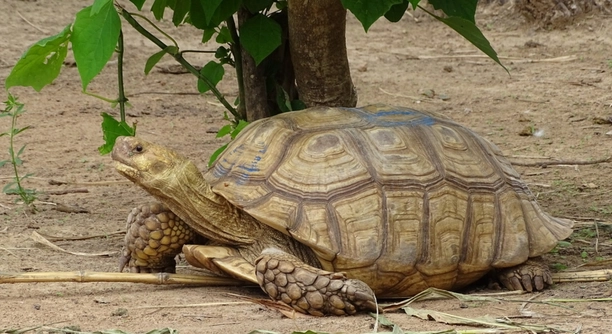
Sulcata tortoises are fascinating creatures with unique behaviors that make them interesting pets. These gentle giants are known for their calm demeanor and slow movements. Understanding their behavior can help you build a better connection with them.
Sulcata tortoises are primarily herbivores and are known for their burrowing habits. They spend a significant amount of time digging tunnels for shelter and protection from the heat. These behaviors are essential to their survival and comfort in the wild.
There’s much more to learn about their distinct ways of communicating and interacting. Stay with us as we explore some of the most surprising facts about these remarkable reptiles.
Sulcata Tortoises and Their Burrowing Instincts
Sulcata tortoises are known for their impressive burrowing abilities. In the wild, they dig extensive burrows to escape extreme temperatures, especially the intense heat of the desert. These burrows can be several feet deep, providing the tortoise with both shelter and safety from predators. This behavior is vital for their survival, allowing them to regulate their body temperature and stay hydrated. When kept as pets, providing a suitable space for them to dig and burrow is crucial for their well-being. A lack of space or the inability to dig could lead to stress and health issues.
They use their strong front limbs to dig, pushing the dirt aside with remarkable efficiency. If kept in a smaller enclosure, these tortoises may show signs of frustration or exhibit abnormal behaviors due to the lack of a proper burrowing environment. As such, it’s important to create a habitat where your sulcata can safely dig and retreat when needed.
Giving them the space to dig and explore can help them live healthier and more comfortable lives. Understanding this instinct is essential to being a responsible tortoise keeper.
Slow and Steady Movements
Sulcata tortoises are not known for their speed. Their movements are deliberate and slow, which can sometimes be misinterpreted as a sign of laziness. However, this slow pace is part of their natural behavior.
These tortoises are built to conserve energy, moving at a pace that suits their low-metabolism lifestyle. In the wild, this slow movement allows them to conserve energy for long periods, particularly during hot weather. Pet owners should keep in mind that sulcatas are not as active as some other species and may prefer spending time resting rather than moving around constantly.
Their slow movements don’t mean they’re inactive; they are simply more efficient in their actions. These creatures pace themselves and do so with purpose, focusing on finding food or digging for shelter rather than rushing about. This behavior also makes them easy to care for, as they require less attention compared to more active reptiles.
Communication Through Movements
Sulcata tortoises communicate through body language, particularly head and limb movements. They use slow, deliberate motions to express themselves, especially when interacting with their environment or other tortoises. These subtle gestures help convey their feelings.
Head bobbing is a common behavior seen when they are asserting dominance or signaling territorial boundaries. When feeling threatened, they may retract their head into their shell or move away slowly. This non-aggressive communication allows them to avoid conflicts while still expressing their needs. Understanding these signals can help pet owners recognize their tortoise’s comfort level and emotional state.
Their ability to communicate with slow, non-threatening movements means they are often misunderstood. However, over time, they develop a pattern of behavior that helps them coexist peacefully with their environment and humans.
Eating Habits and Preferences
Sulcata tortoises are herbivores, with a preference for grasses, weeds, and leafy greens. Their diet is simple yet essential for their health, providing them with the necessary nutrients. They are known to graze for hours in the wild, carefully selecting food that meets their needs.
In captivity, providing a varied, high-fiber diet helps prevent common health issues like obesity or shell deformities. Hay, grasses, and dark leafy greens are good staples, but they should avoid high-protein or high-oxalate foods. Sulcatas can also consume certain fruits as a treat, but these should be given sparingly. A proper diet is essential for maintaining their energy levels and digestive health.
Overfeeding or providing the wrong types of food can cause more harm than good. Monitoring their food intake is crucial for preventing health problems in the long run. Creating a balanced diet that mimics their natural eating habits will ensure they live a happy, healthy life.
Shell Growth and Maintenance
Sulcata tortoises’ shells grow throughout their lives. The outer layer, known as scutes, naturally shed as they grow, but this process is slow. Their shells are strong, but they need proper care to avoid deformities.
Their shell health is influenced by their diet, hydration, and exposure to sunlight. A proper diet rich in fiber and calcium helps maintain a strong, healthy shell. Without enough UVB exposure, they may develop soft shells or other health problems. Ensuring they get the right nutrients and sunlight is vital for their shell’s growth and overall well-being.
Sleeping Patterns
Sulcata tortoises are known to sleep for long periods, often resting for 12-14 hours a day. This behavior is typical in the wild, where they rest during the hottest parts of the day to conserve energy. In captivity, they may also adjust their sleep schedule based on their environment.
A consistent day-night cycle helps keep their circadian rhythm balanced. Providing them with a quiet, dark space to sleep will help them rest and recharge. Avoid disturbing them during their sleeping hours, as this can lead to stress or health issues.
Social Interactions
Sulcata tortoises are solitary by nature. In the wild, they spend most of their time alone, especially when searching for food or shelter. They don’t typically engage in social behaviors like some other reptile species.
While they may tolerate the presence of other tortoises in captivity, they are not social animals. When housed together, they may exhibit territorial behavior or even aggression. It’s important to monitor interactions carefully to prevent stress or injury. Keeping them in separate enclosures can help avoid conflict and ensure their well-being.
FAQ
How much space does a sulcata tortoise need?
Sulcata tortoises need a lot of space to thrive, ideally a large outdoor enclosure. A minimum of 100 square feet is recommended for one tortoise. In an outdoor habitat, they need room to roam, dig, and explore. They are active animals, and a cramped space can lead to stress, poor health, and lack of proper burrowing. If you must keep them indoors, they will need a very large enclosure and should be allowed outdoor access when possible for natural sunlight and exercise.
What temperature should a sulcata tortoise’s habitat be?
The ideal temperature for a sulcata tortoise’s enclosure should range from 80 to 90°F during the day. They need a basking spot with temperatures around 95°F to mimic the heat of their natural environment. At night, temperatures can drop to around 70°F. Proper heating and UVB lighting are crucial for their health, as they require both to digest food and absorb nutrients properly. Ensure there is a temperature gradient within the enclosure, so your tortoise can regulate its body temperature.
What should I feed my sulcata tortoise?
Sulcata tortoises are herbivores, primarily eating grasses, hay, and leafy greens. They enjoy dandelion greens, collard greens, and clover, and you can also offer them grasses like timothy hay. Their diet should be high in fiber and low in protein. Avoid feeding them fruit too often, as it can upset their digestion. Be cautious with high-oxalate foods, such as spinach, as they can contribute to kidney issues. Fresh, clean water should always be available, and occasionally offering them calcium-rich food can support shell health.
Can sulcata tortoises be kept with other pets?
Sulcata tortoises are solitary creatures, so keeping them with other pets can be tricky. They are not social by nature and may not enjoy sharing their space with other animals. If you have multiple sulcatas, it’s important to provide enough space to avoid territorial behavior and aggression. Other pets, like dogs or cats, may see the tortoise as prey or try to play too roughly. Always supervise interactions with other animals to ensure safety for both the tortoise and the other pets in the household.
How long do sulcata tortoises live?
Sulcata tortoises are long-lived creatures, with a lifespan ranging from 50 to 150 years, depending on their living conditions and care. In the wild, they may face threats that shorten their life expectancy, but in captivity, they can live a very long life with proper care. Because they have such long lifespans, adopting a sulcata tortoise requires a long-term commitment. Make sure you are prepared to care for them for decades to come.
How fast do sulcata tortoises grow?
Sulcata tortoises grow quickly during their first few years of life. They can grow from the size of a small hatchling to around 12 inches in just one year. However, their growth rate slows significantly as they age. By the time they are 5 to 10 years old, they may be around 18 to 24 inches long. Adult sulcatas can reach up to 30 inches in length. The rate of growth depends on factors like diet, space, and overall care. Proper nutrition and hydration are key to healthy growth.
Are sulcata tortoises good pets for beginners?
While sulcata tortoises can make great pets, they are not always ideal for beginners due to their size, space needs, and long lifespan. They require a significant commitment of time, effort, and money to maintain their habitat and ensure they receive proper care. If you’re new to tortoises, it’s important to do thorough research before deciding to adopt one. A sulcata may be a good pet for someone with experience in reptile care or who is prepared to meet their specific needs.
What kind of enclosure does a sulcata tortoise need?
Sulcata tortoises need a spacious enclosure, preferably outdoors, where they can dig and roam. If kept indoors, their habitat must be large enough to allow them to move freely and stretch out. An outdoor enclosure should include a secure, fenced-in area to prevent escapes. It should be equipped with a basking area, a cool shaded spot, and enough space for digging. The floor should be made of soil or grass to mimic their natural environment. They also need access to clean water at all times.
How can I tell if my sulcata tortoise is healthy?
A healthy sulcata tortoise will have a strong, firm shell without any soft spots or cracks. Their eyes should be clear, bright, and not sunken in. A healthy tortoise will be active and alert, moving around and eating regularly. Their skin should not have any signs of infection, such as swelling or unusual discoloration. If your tortoise is not eating, has a sunken shell, or is acting lethargic, it may be a sign of illness, and you should consult a vet. Regular checkups can help catch any health issues early.
Do sulcata tortoises need a lot of water?
While sulcata tortoises don’t need to drink water frequently, they do need access to clean water at all times. These tortoises are adapted to dry environments but still require hydration for proper digestion and overall health. It’s essential to provide fresh water daily and to occasionally offer them a shallow soaking area to help with hydration and shell maintenance. Soaking can also help prevent issues like dehydration or constipation, which are common in captive tortoises. Regular hydration supports their overall well-being.
Final Thoughts
Caring for a sulcata tortoise can be a rewarding experience, but it’s not a commitment to be taken lightly. These tortoises grow quickly, live for many decades, and require a lot of space. They are best suited for people who are prepared to provide the appropriate care for their entire lifespan. If you are considering adding one to your home, it’s important to understand their specific needs, including their diet, habitat, and social behavior. A well-maintained environment and proper care can ensure that your sulcata tortoise stays healthy and happy for years to come.
One of the most important factors in caring for a sulcata tortoise is providing enough space. These tortoises are naturally curious and active, needing room to roam and dig. They also need access to proper lighting and temperature control to mimic their natural environment. When housed indoors, they need a large enclosure and should be given the opportunity for outdoor time whenever possible. Outdoor enclosures, if properly fenced, offer plenty of space for them to move around and soak up sunlight. Make sure to provide areas for basking and shade to ensure their comfort.
Another key element is their diet. Sulcata tortoises are herbivores and thrive on a variety of grasses, hays, and leafy greens. You should avoid feeding them high-protein or high-sugar foods, as this can lead to health problems. Regular access to clean water is essential for hydration, and occasional soaking can help prevent dehydration. Keep in mind that, while they don’t require a lot of water to drink, they need a consistent supply to stay hydrated and healthy. Providing a balanced diet and fresh water can make a big difference in the long-term health of your tortoise.

Hello,
If you enjoy the content that we create, please consider saying a "Thank You!" by leaving a tip.
Every little bit helps us continue crafting quality advice that supports the health, happiness, and well-being of pets around the world, for pets of all shapes, sizes, and species.
We really appreciate the kindness and support that you show us!