
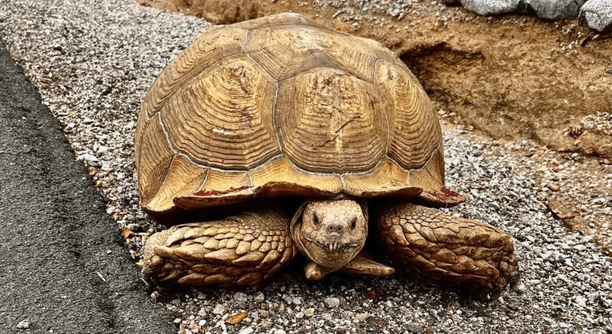
Having a sulcata tortoise means you’ll want to create a yard that suits its needs. Their environment plays a big role in keeping them healthy and happy, including the right plants to munch on.
To create a sulcata tortoise-friendly yard, select plants that are safe, nutritious, and suitable for the climate. It’s important to choose those with high fiber and low oxalate content to support their diet and overall well-being.
Choosing the right plants will provide both nutrition and shelter, ensuring your tortoise thrives in a safe environment. Keep reading to discover which plants work best.
1. Why Plants Matter for Your Sulcata Tortoise
Creating a tortoise-friendly yard isn’t just about adding space; it’s about choosing plants that meet their specific needs. Sulcata tortoises are herbivores and spend a lot of time grazing. The plants you select should be rich in fiber, vitamins, and minerals. This diet supports digestion and overall health. Besides providing food, these plants offer a natural habitat. They can help your tortoise feel safe and comfortable in its environment. Picking the right plants also reduces the risk of harmful toxins, as some plants can be dangerous. It’s essential to focus on species that are not only edible but also easy for the tortoise to access. Their ability to graze freely on the plants in their environment will help maintain their weight and energy levels, keeping them healthy for years to come.
Some plants, however, are better suited for tortoises than others. Not all green patches are safe to nibble on.
When choosing plants, focus on those that are high in fiber and low in oxalates. Many plants offer more than just food; they provide shelter, shade, and even hiding spots. Ensuring your tortoise has access to these natural features can enhance its overall well-being. It’s important to also consider how each plant grows and how it fits into your climate, especially if your tortoise will be outside.
2. Safe and Healthy Plants to Include
Some plants are just better for tortoises, offering more than just a meal.
The best plants for sulcata tortoises include grasses, weeds, and a variety of succulents. These plants offer a balanced mix of nutrients that help support digestion and hydration. Clovers and dandelions are great choices, as they are rich in fiber and calcium, two key elements in maintaining tortoise health. Planting these throughout your yard will encourage natural foraging. Aloe vera is another excellent option, though it should be used in moderation due to its high moisture content. It helps keep your tortoise hydrated, especially during warmer weather. Plants like hibiscus and opuntia cactus can also add variety to the tortoise’s diet while providing needed hydration.
While these plants are healthy, it’s essential to watch your tortoise’s eating habits and monitor any signs of overeating, which could lead to digestive issues. Ensuring your tortoise has the right balance of plants is key to avoiding health problems down the line.
3. Plants to Avoid for Your Sulcata Tortoise
Some plants can cause harm to your tortoise, so it’s important to know which ones to avoid.
Certain plants contain toxins or high levels of oxalates, which can lead to kidney problems or digestive issues. Avoid common ornamental plants like azaleas, daffodils, and oleander. These are toxic and can cause severe reactions. Additionally, plants like rhubarb and ivy may seem harmless but contain harmful substances that can be fatal if consumed in large amounts. Always check the plants you introduce to your yard for safety, especially if they’re new to you.
Another plant to avoid is the foxglove. It contains compounds that affect the heart, which can be fatal if eaten. You should also be cautious with highly aromatic herbs like lavender and rosemary, as they can upset a tortoise’s stomach if eaten in large quantities. While some of these plants may look pretty, they can be dangerous to your tortoise’s health. Instead, stick to more natural choices like grasses and weeds that are safe and easy for your tortoise to graze on.
4. Creating the Right Environment
Besides plants, other factors help make your yard safe and enjoyable.
Create a warm, dry space for your tortoise, as sulcatas prefer a sunny environment. Make sure they have access to a shaded area where they can retreat when it gets too hot. It’s important to provide a mix of open space and hiding places, as this simulates their natural habitat. If you live in an area with colder temperatures, consider building a sheltered space where they can stay warm during chilly weather. Keeping the ground level and free of obstacles is also important to ensure your tortoise can move around comfortably.
Adding a water dish is also essential for hydration. Make sure it’s shallow enough for your tortoise to easily access. A small pond can also work if it’s properly maintained. It’s important to keep the water clean and change it regularly to prevent contamination. A well-kept environment will encourage your tortoise to roam and feed naturally, reducing the need for constant attention.
5. Seasonal Considerations for Plant Care
Plants need proper care year-round.
In colder months, many plants slow down, so you’ll need to be more careful about keeping the yard safe for your tortoise. Make sure your plants stay hydrated during dry seasons but avoid waterlogging. In warmer months, monitor growth and remove any overgrown plants.
6. Sustainable Landscaping for Your Tortoise Yard
Sustainable landscaping helps maintain a natural, eco-friendly environment.
To minimize your impact on the environment, use native plants that thrive without much extra care. These plants are better suited to the local climate, require less water, and attract beneficial insects. You can also incorporate composting into your yard care routine. Not only does it enrich the soil, but it also provides natural nutrients for your plants. By planting drought-tolerant species, you’ll ensure that your yard stays lush and manageable even in tough conditions. Sustainable practices also reduce the need for harmful pesticides, keeping your tortoise safe.
FAQ
What are the best plants for a sulcata tortoise yard?
The best plants for a sulcata tortoise yard are high-fiber, low-oxalate varieties. Grasses like Bermuda, Timothy, and Rye are great staples for grazing. You can also add clover, dandelions, and prickly pear cactus. These plants provide important nutrients and hydration, ensuring your tortoise has a healthy diet. Avoid adding plants that are toxic or hard to digest. They need variety, so mixing in some edible flowers like hibiscus or pansies can also help create a balanced yard.
Can sulcata tortoises eat any type of grass?
No, not all grasses are suitable for sulcata tortoises. Avoid grasses that have been treated with pesticides or herbicides, as these chemicals can harm your tortoise. Stick to common varieties like Bermuda, Timothy, and Meadow grasses. These grasses are safe and provide a good source of fiber. It’s best to let your tortoise graze on naturally grown grass, but if you plant it yourself, make sure it’s pesticide-free.
Are succulents safe for sulcata tortoises?
Some succulents can be a safe and hydrating addition to a sulcata tortoise’s diet, but you need to choose carefully. Aloe vera is a great option, but use it in moderation as it’s high in moisture. Be cautious with other succulents, as some may have high oxalate content or be toxic. Make sure to research any succulent before introducing it to your tortoise’s yard. Avoid adding ornamental varieties unless you know they are safe.
How can I ensure the plants in my yard are safe for my tortoise?
To ensure the plants in your yard are safe, make sure you’re familiar with each one’s characteristics before planting. Some plants, like rhubarb, are toxic to sulcata tortoises. Stick to edible weeds, grasses, and flowers known to be safe. If you’re unsure, cross-check with reliable sources like reptile care guides or online tortoise communities. Additionally, avoid ornamental plants that may be chemically treated or bred for decorative purposes rather than food. Always double-check before planting something new.
How much space does a sulcata tortoise need in the yard?
Sulcata tortoises are large and active animals, so they require a lot of space. Ideally, they need a yard that allows for at least 100 square feet per tortoise. The more space, the better, as they enjoy roaming and foraging. You can also create a separate area with shaded spots and access to food plants, but make sure there is enough open space for them to roam freely. A larger area will also help ensure that they don’t overgraze the same spot, which can damage the plants and limit their access to nutrition.
Do I need to water the plants in my sulcata tortoise yard regularly?
Yes, plants need regular watering to stay healthy. While some plants are drought-resistant, most require consistent moisture, especially during hotter months. However, be careful not to overwater, as too much water can lead to mold growth or root rot. Pay attention to the specific needs of each plant species and adjust watering accordingly. Remember that sulcata tortoises enjoy grazing on the plants, so keeping them hydrated will ensure they have access to fresh, healthy vegetation throughout the year.
Can sulcata tortoises eat flowers from my garden?
Many flowers are safe for sulcata tortoises, but not all. Edible flowers like hibiscus, pansies, and dandelions are perfect for their diet. However, avoid flowers that may be treated with pesticides or grown in chemically-treated soil. Some flowers, such as lilies or daffodils, are toxic to tortoises, so it’s important to research any new blooms you want to add. Stick to non-toxic varieties and ensure they have enough edible plants to graze on, so flowers don’t become their main food source.
How do I keep my sulcata tortoise yard safe from predators?
To protect your tortoise from predators, you need to build a sturdy fence around the yard. The fence should be tall enough, at least 3-4 feet, and deep enough to prevent burrowing animals from getting through. Ensure that there are no gaps or weak spots. You can also cover the yard with a roof to prevent birds of prey or other animals from accessing your tortoise. Regularly inspect the perimeter for signs of damage and repair it immediately to ensure your tortoise remains safe.
What should I do if my sulcata tortoise is eating too many plants?
If your tortoise is overeating, monitor their grazing habits and ensure the plants are spread out across the yard. Offering a mix of different plants can prevent them from focusing on just one variety. You can also create designated feeding areas to help control their intake. Overeating may lead to digestive issues, so ensure the plants available are nutritious and not excessive. It’s also important to provide fresh water and occasional supplements, like calcium, to maintain their health.
Is it safe for sulcata tortoises to eat cactus?
Yes, cactus is generally safe for sulcata tortoises, but only certain varieties. Prickly pear cactus is a great option, as it’s high in fiber and hydration. Make sure to remove the thorns carefully before offering it to your tortoise, as they can be a choking hazard. Avoid other types of cactus that may have harmful chemicals or thorns that are too sharp. Moderation is key, as cactus should not make up the majority of their diet.
Final Thoughts
Creating a sulcata tortoise-friendly yard takes time and effort, but it’s worth it for the health and happiness of your tortoise. By choosing the right plants, you can provide a natural and safe environment that mimics what they would find in the wild. Sulcatas need a diet high in fiber, so plants like grasses, dandelions, and clover should be a big part of their diet. Additionally, offering them access to hydration through succulent plants, like aloe vera, can help keep them well-hydrated. However, it’s important to remember that not all plants are suitable for them. Always research any new plant before adding it to their habitat to ensure it is safe.
Maintaining a healthy balance in the yard is also crucial. While planting the right plants is important, it’s just as important to create a space where your tortoise feels comfortable. Make sure there are areas for them to hide or seek shelter from the sun, along with enough room to roam. A secure fence will also keep them safe from predators. Don’t forget to monitor the weather and adapt your yard care accordingly, especially during seasonal changes. These small adjustments will help create a safe, welcoming environment where your tortoise can thrive.
Remember that caring for a sulcata tortoise isn’t just about food and space; it’s about understanding their specific needs and creating a suitable habitat. By providing safe plants, a spacious yard, and the right conditions, you can help ensure your tortoise stays healthy and happy for years to come. It may take some work upfront, but the payoff is well worth it as you watch your tortoise enjoy its natural, healthy surroundings.

Hello,
If you enjoy the content that we create, please consider saying a "Thank You!" by leaving a tip.
Every little bit helps us continue crafting quality advice that supports the health, happiness, and well-being of pets around the world, for pets of all shapes, sizes, and species.
We really appreciate the kindness and support that you show us!