
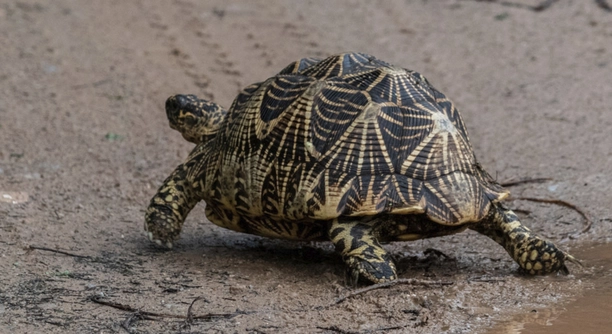
Star tortoises are fascinating creatures, and their diet plays an important role in their health. As a pet owner, you may wonder which foods are safe for them. One common food that often comes up is lettuce.
Star tortoises can eat lettuce, but it is not the best option for their diet. Lettuce has low nutritional value and can cause digestive issues if fed too often. It lacks the essential nutrients needed for their overall health.
While lettuce may seem like a quick option, there are healthier choices available that provide more nutrients for your star tortoise.
Why Lettuce Isn’t Ideal for Star Tortoises
Lettuce might seem like a healthy option for your star tortoise, but it doesn’t provide much in terms of nutrition. While it is low in calories and hydrating, it also has a lot of water content, which can lead to loose stools if fed in excess. Star tortoises need a more balanced diet with proper amounts of fiber, vitamins, and minerals to stay healthy. The low nutritional value of lettuce means it doesn’t help with their growth or shell development. If you rely on lettuce as a main food, your tortoise might not be getting the necessary nutrients.
Many pet owners mistakenly think lettuce is a great treat for tortoises. It’s often recommended to limit it and instead focus on more suitable vegetables and greens. Too much lettuce could also lead to issues like dehydration or diarrhea.
Ultimately, lettuce might be fine in small amounts as an occasional snack, but it should never replace more nutrient-rich options. You should look for leafy greens, such as collard greens, dandelion greens, or kale, which offer a higher level of nutrition.
Healthier Alternatives for Your Star Tortoise
If you want your star tortoise to thrive, you should focus on more nutritious vegetables. Fresh leafy greens like collard greens or dandelion leaves provide more essential vitamins and minerals. These greens are packed with fiber, calcium, and other nutrients that contribute to a strong, healthy shell and overall well-being.
Along with leafy greens, you can feed your tortoise a variety of other vegetables and plants, like squash, carrots, and bell peppers. These offer added nutrients that lettuce simply doesn’t provide. In addition, variety is key to maintaining a balanced diet for your star tortoise. Mixing up different vegetables ensures they get a broad range of vitamins and minerals, helping their digestive system and immune function.
It’s also important to include appropriate amounts of fiber in their diet. High-fiber foods aid in digestion and prevent problems like constipation. Incorporating high-fiber veggies along with fresh herbs like basil and parsley can keep your tortoise satisfied and healthy. Always ensure you wash the food thoroughly before serving it to remove any harmful pesticides.
The Risks of Feeding Lettuce Too Often
Feeding lettuce regularly can cause problems for your star tortoise. It’s mostly water, which can lead to loose stools and possible dehydration. These issues can upset your tortoise’s digestive system, making it harder for them to absorb the nutrients they need.
The water content in lettuce dilutes the nutrients that star tortoises require. Over time, frequent lettuce feeding can lead to malnutrition, even if they are eating other foods. Their bodies may struggle to process the large amounts of water, which can cause frequent bowel movements and a reduction in appetite. If you notice these signs, cutting back on lettuce can help restore their digestive balance.
Lettuce is also low in fiber, which star tortoises need to keep their digestion running smoothly. Fiber helps regulate their gut, preventing constipation and aiding in overall digestive health. Without enough fiber, your star tortoise may experience discomfort and other health issues over time.
What You Should Feed Instead
To keep your star tortoise healthy, stick to leafy greens that are high in nutrition. Dandelion greens, collard greens, and mustard greens are excellent choices. These greens provide more calcium, fiber, and vitamins, helping support bone health and overall well-being.
In addition to greens, you can feed your tortoise a variety of other vegetables. Squash, zucchini, and bell peppers are great additions. These vegetables are nutrient-dense, offering vitamins A and C, which are important for the immune system. Offering a mix of vegetables not only adds variety but ensures your tortoise is getting a broad range of nutrients.
You should avoid feeding your star tortoise foods that are too high in water content or low in nutritional value. A balanced, varied diet will help ensure they grow strong and healthy. Remember to wash all foods before feeding and avoid any pesticides that could harm your tortoise.
Impact on Shell Health
Feeding your star tortoise too much lettuce can affect its shell health. Lettuce doesn’t provide enough calcium or other nutrients needed to maintain a strong, healthy shell. This can lead to shell deformities over time.
Without proper nutrition, the shell can become soft or misshapen. A lack of calcium can result in a condition called metabolic bone disease, which weakens the bones and shell. To avoid this, ensure your tortoise is getting the right amount of calcium from foods like dandelion greens, clover, and fortified foods.
The Role of Vitamin D
Vitamin D plays a crucial role in your star tortoise’s ability to absorb calcium. Without enough vitamin D, even the best calcium sources won’t be effective. Natural sunlight is essential for vitamin D production. If your tortoise doesn’t have access to sunlight, consider using a UVB lamp.
A UVB light helps mimic natural sunlight, allowing your tortoise to process calcium properly. It’s especially important for indoor tortoises who can’t absorb vitamin D naturally. With a balanced diet and proper UVB exposure, your star tortoise will thrive.
Why Variety Matters
A varied diet is crucial for your star tortoise’s health. Providing different types of greens and vegetables ensures that your tortoise receives a wide range of nutrients. This variety helps prevent deficiencies and promotes overall well-being.
FAQ
Can lettuce be part of my star tortoise’s diet?
Lettuce can be fed to your star tortoise in small amounts, but it shouldn’t be a regular part of their diet. It lacks essential nutrients and can cause digestive issues. It’s better to stick with more nutritious greens like dandelion leaves, collard greens, and kale. These provide more fiber and vitamins that support their health.
Is iceberg lettuce safe for my star tortoise?
Iceberg lettuce should be avoided entirely. It’s mainly water and offers no nutritional value. It can also cause digestive problems, leading to diarrhea and dehydration in star tortoises. Stick to darker, leafy greens instead, which are much healthier and beneficial for their well-being.
How often should I feed my star tortoise lettuce?
Lettuce should only be offered as an occasional treat, no more than once or twice a week. Since it lacks nutritional value, it’s better to limit its presence in your tortoise’s diet and focus on more balanced, nutrient-rich foods. Frequent lettuce feeding could lead to health issues over time.
What greens are best for star tortoises?
Dandelion greens, collard greens, mustard greens, and turnip greens are excellent choices for your star tortoise. These greens are rich in calcium, fiber, and vitamins A and C. They support strong shell growth, healthy digestion, and overall vitality. You can also include other vegetables like squash, bell peppers, and zucchini.
Can I feed my star tortoise fruit?
While fruits can be offered occasionally, they should not make up the majority of their diet. Fruits like strawberries, apples, and melons can be high in sugar and may upset your tortoise’s digestive system if fed too often. Limit fruit servings and keep them as a rare treat.
Is it necessary to provide calcium supplements?
If your star tortoise is not eating enough calcium-rich foods, a calcium supplement may be necessary. However, it’s always best to provide natural sources of calcium, like dandelion greens and clover. If your tortoise’s diet is well-balanced, supplementation may not be required. Always consult a vet before adding supplements.
How can I ensure my star tortoise gets enough vitamin D?
Vitamin D is essential for calcium absorption. To make sure your star tortoise gets enough vitamin D, provide access to natural sunlight whenever possible. If they are kept indoors, a UVB light is necessary. This will help them produce vitamin D and properly process calcium for strong bones and a healthy shell.
Can I feed my star tortoise flowers?
Yes, many flowers are safe for your star tortoise to eat. Flowers like hibiscus, dandelions, and pansies can be a good addition to their diet. Just make sure that the flowers you offer are pesticide-free and non-toxic to tortoises. Avoid feeding flowers from stores unless you’re sure they are safe.
Should I wash the greens before feeding them?
Yes, always wash the greens before feeding them to your star tortoise. This helps remove dirt, pesticides, and other chemicals that could harm them. Rinse the vegetables thoroughly in clean water to ensure they’re safe for your pet. Even organic produce should be washed to avoid harmful residues.
How much should I feed my star tortoise daily?
The amount you feed your star tortoise depends on its size, age, and activity level. As a general rule, an adult star tortoise should be offered a handful of greens per day, with a variety of vegetables and occasional fruits. Young tortoises require more food to support their growth. Adjust portions based on your tortoise’s individual needs, and remove any uneaten food after a few hours.
What foods are toxic to star tortoises?
There are several foods that are toxic to star tortoises and should be avoided completely. These include onions, garlic, avocado, and rhubarb. Never feed your tortoise any plants from the wild unless you are certain they are safe. Always double-check if you are unsure about a specific food.
Can I feed my star tortoise commercial food?
Commercial tortoise food can be used in moderation, but it should not replace fresh vegetables and greens. Many commercial foods lack the variety and nutrients that your star tortoise needs. Look for high-quality, balanced tortoise food and combine it with fresh, natural options for a healthy diet.
What should I do if my star tortoise stops eating?
If your star tortoise stops eating, it could be a sign of illness or stress. First, check if the temperature, lighting, or humidity in their environment is correct. Offer a variety of foods, and make sure they have access to UVB light. If they continue to refuse food, it’s important to contact a vet experienced with reptiles.
Do star tortoises need to drink water?
Yes, star tortoises need access to fresh water at all times. They may not drink from a water bowl as frequently as other pets, but they will sip when thirsty. They also get hydration from the foods they eat, so it’s important to offer water daily to ensure they stay properly hydrated.
Can I feed my star tortoise grass?
Yes, grass is a natural food for star tortoises. You can feed them grass that is free of pesticides and chemicals. Fresh, untreated grass from your yard can provide an excellent source of fiber and nutrients. Avoid grass from public areas or lawns that may be treated with chemicals.
How can I tell if my star tortoise is healthy?
A healthy star tortoise has clear, bright eyes and an active, alert demeanor. Their shell should be smooth, hard, and free from cracks or soft spots. Their appetite should be steady, and they should have regular bowel movements. If you notice changes in behavior, eating habits, or physical appearance, it’s time to consult a vet.
Final Thoughts
When it comes to feeding your star tortoise, choosing the right foods is essential for their overall health and well-being. While lettuce may seem like an easy option, it’s not the best choice for your tortoise. It lacks the necessary nutrients and can cause digestive problems if fed too often. Instead, focus on providing more nutrient-dense options, like dandelion greens, collard greens, and other dark leafy vegetables. These greens are packed with the vitamins, calcium, and fiber that star tortoises need to stay strong and healthy.
In addition to leafy greens, it’s important to offer a variety of vegetables and occasional fruits to keep your tortoise’s diet balanced. Vegetables like bell peppers, squash, and zucchini provide extra vitamins and minerals that contribute to a healthy immune system and overall growth. However, fruits should be given sparingly due to their high sugar content, which can lead to digestive upset if fed too often. A well-rounded diet with a mix of greens and veggies will help your tortoise thrive and avoid nutritional deficiencies.
Finally, always remember the importance of calcium and vitamin D in your star tortoise’s diet. Without enough calcium, their shell and bones won’t develop properly. Ensure they get sufficient calcium from food and, if necessary, from supplements. Vitamin D is essential for calcium absorption, so make sure your tortoise has access to UVB light or natural sunlight. Providing the right foods, proper lighting, and hydration will help ensure that your star tortoise lives a long, healthy life.

Hello,
If you enjoy the content that we create, please consider saying a "Thank You!" by leaving a tip.
Every little bit helps us continue crafting quality advice that supports the health, happiness, and well-being of pets around the world, for pets of all shapes, sizes, and species.
We really appreciate the kindness and support that you show us!