
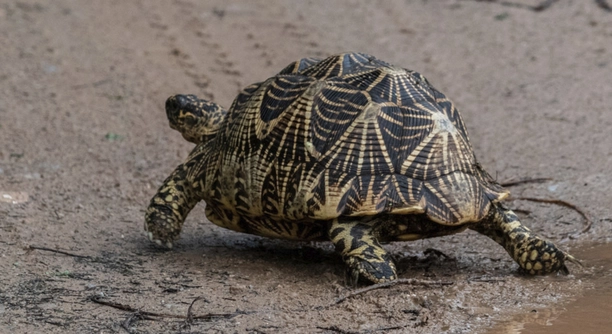
Star tortoises are beautiful creatures, and ensuring they have the right nutrition is crucial for their health. Calcium is an essential nutrient, but how can you tell if your tortoise is getting enough?
A lack of calcium in star tortoises can lead to serious health issues like shell deformities and weak bones. Monitoring their diet and behavior is key to ensuring they get the proper amount of calcium.
There are several signs to watch for in your tortoise’s behavior, appearance, and diet to ensure their calcium intake is sufficient. Keep reading to learn more.
1. Watch for Shell Deformities
One of the most noticeable signs that your star tortoise may not be getting enough calcium is shell deformities. A calcium deficiency affects the hardening process of the shell, leading to soft, weak, or even misshaped shells. If you notice soft spots, unusual indentations, or any swelling, this could be a clear indicator of insufficient calcium. As the tortoise grows, its shell should remain strong and firm, but a lack of calcium can cause it to become pliable and deformed. These issues are not only unsightly but can also be painful and detrimental to your tortoise’s overall health.
Without enough calcium, your tortoise’s bones and shell won’t develop properly. This can affect their mobility and even their ability to survive. Regular monitoring of your tortoise’s shell can help catch problems early.
Addressing a calcium deficiency as soon as possible is critical to avoid long-term damage. Ensure that your star tortoise has access to proper calcium sources and consider supplementation if needed.
2. Watch for Lethargy and Weakness
If your star tortoise is unusually lethargic, it could be a sign of calcium deficiency.
Calcium plays an essential role in muscle function and overall energy levels. When your tortoise doesn’t get enough calcium, it may feel weak, slow, and inactive. This can be particularly noticeable when they stop being as active as they once were or show less interest in moving around and eating.
Lack of calcium can affect the nervous system, making it harder for your tortoise to move and function as it normally would. If you notice your tortoise spending too much time in one spot or struggling to walk, it may be time to check their calcium intake.
3. Check for Softness in the Bones
When calcium levels are low, your star tortoise’s bones can become soft and fragile. You may notice your tortoise has difficulty standing or walking. Their limbs may appear weaker, and their bones might feel softer to the touch. This is especially concerning, as it can lead to fractures or other long-term health issues if not addressed.
If you notice these changes, it’s important to act fast. A diet rich in calcium is essential to maintain the strength of their bones. Regularly check their movement and ensure they are not having trouble supporting their weight.
Supplements or calcium-rich foods should be introduced as soon as possible to avoid further damage. Your tortoise needs calcium to maintain their bone density and overall skeletal health.
4. Monitor Their Appetite and Eating Habits
A lack of calcium can also affect your star tortoise’s appetite. They might lose interest in food or refuse to eat their usual meals. This can be a result of feeling weak or uncomfortable due to calcium deficiency.
If you notice that your tortoise isn’t eating as much as before, try adjusting their diet. Offer calcium-rich vegetables like kale or collard greens, and make sure they have access to proper calcium supplements. Keep an eye on their behavior and weight, as this could be a sign that something’s off with their nutrition.
A loss of appetite can also indicate other health issues, so always monitor changes carefully. If your tortoise continues to avoid food, consult a veterinarian for further evaluation.
5. Look for Abnormal Shell Growth
If your tortoise isn’t getting enough calcium, you may notice unusual growth patterns in their shell. This might include uneven growth or a shell that doesn’t expand properly. It could also appear more fragile or brittle. These signs often indicate that the shell is not developing as it should.
Check for any soft spots or changes in the texture. If the shell looks or feels different, it could be a calcium deficiency. The shell is a crucial part of your tortoise’s health, and a lack of calcium can weaken it over time.
6. Watch for Difficulty in Shedding
Star tortoises periodically shed their scutes (the individual pieces of their shell), and calcium plays a role in this process. If your tortoise is not shedding properly or the process seems difficult, it might be linked to a calcium imbalance. It may result in incomplete shedding or stuck scutes.
A calcium deficiency can prevent the scutes from coming off easily, leading to retained shed. You may need to help your tortoise by providing extra calcium in their diet or using a warm soak to help the shedding process. A proper balance of calcium ensures healthy growth and shedding.
7. Check for Muscle Tremors
Another sign of calcium deficiency in star tortoises is muscle tremors. When their calcium levels are too low, you may notice subtle shaking or twitching in their muscles, particularly in their legs. This can be uncomfortable for your tortoise and affect their ability to move properly.
Muscle tremors often happen because calcium is essential for nerve and muscle function. Without enough calcium, your tortoise’s muscles can become unstable, leading to spasms or shaking. If you observe any tremors, it’s a good idea to check their calcium levels and make necessary adjustments to their diet.
FAQ
How much calcium should my star tortoise have?
The ideal amount of calcium for a star tortoise is typically around 20-30% of their total diet, but this can vary depending on their age, size, and activity level. Young tortoises, in particular, need higher calcium intake to support their growing shells and bones. It’s important to provide a balanced diet that includes calcium-rich foods and supplements. You can add a calcium powder to their food or offer cuttlebone as a calcium source. Always make sure the calcium is in the correct form, such as calcium carbonate, which is more readily absorbed by their body.
Can I over-supplement calcium in my star tortoise’s diet?
Yes, over-supplementing calcium can cause health problems. Too much calcium can lead to kidney issues, bone deformities, and problems with organ function. While it is essential for star tortoises to receive adequate calcium, balance is key. Ensure that the calcium is combined with other important nutrients like vitamin D3, which helps the tortoise absorb the calcium properly. Too little or too much can both be harmful, so it’s important to monitor their diet and consult a vet if you are unsure.
What are the best calcium-rich foods for star tortoises?
Calcium-rich foods for star tortoises include dark leafy greens such as kale, collard greens, and dandelion greens. You can also feed them vegetables like mustard greens, turnip greens, and bok choy. These provide not only calcium but also other essential nutrients. In addition to leafy greens, you can provide calcium supplements, like calcium powder or crushed cuttlebone, to ensure they are getting enough. Make sure to avoid feeding them spinach, as it can inhibit calcium absorption.
Should I use a calcium supplement for my star tortoise?
Using a calcium supplement can be beneficial, especially if you’re not providing enough calcium-rich foods. Calcium powder should be sprinkled lightly on your tortoise’s food 2-3 times a week, depending on their calcium needs. It’s best to offer the supplement in combination with vitamin D3, as vitamin D3 helps the body absorb calcium effectively. If you’re unsure, your vet can guide you on the appropriate dosage for your tortoise’s age and size.
Can a calcium deficiency cause other health problems in my star tortoise?
Yes, a calcium deficiency can lead to various health issues. The most common is metabolic bone disease (MBD), which causes the bones to become weak and deformed. It can also affect the shell, leading to softness and misshaping. Over time, insufficient calcium can lead to difficulty moving and feeding. In severe cases, it can even shorten your tortoise’s lifespan. Ensuring they have enough calcium is essential for their overall health and longevity.
How do I know if my star tortoise is getting enough calcium?
The signs of calcium deficiency can vary, but some of the most common symptoms include shell deformities, weakness, lethargy, loss of appetite, and difficulty moving. If you notice any of these signs, it’s important to check your tortoise’s diet and calcium intake. Regularly examine their shell for signs of softening or abnormal growth, and keep an eye on their general activity levels. If unsure, a vet can perform tests to check calcium levels in your tortoise’s blood.
Can I give my star tortoise calcium in the form of cuttlebone?
Yes, cuttlebone is a great natural source of calcium for your tortoise. It provides a continuous source of calcium, and most tortoises enjoy nibbling on it. You can simply place it in their enclosure and let them chew on it as needed. However, ensure the cuttlebone is free of any artificial colors or chemicals, as these can be harmful. You can also crush the cuttlebone into smaller pieces and sprinkle it on their food if your tortoise prefers it that way.
What if my star tortoise isn’t eating calcium-rich foods?
If your tortoise refuses to eat calcium-rich foods, it could be due to a variety of factors, including stress, poor appetite, or the taste of the food. Try offering a variety of calcium-rich greens to see if they prefer certain ones. You can also try sprinkling calcium powder on their food to encourage them to eat it. If your tortoise consistently refuses to eat, it may be worth consulting a vet to rule out underlying health issues.
Can my star tortoise get calcium from their water?
Some tortoises may ingest small amounts of calcium through their drinking water if it’s treated with calcium. However, this is usually not enough to meet their daily calcium requirements. It’s better to provide calcium through their diet, either with calcium-rich foods or supplements. Make sure to change their water regularly to keep it clean, as dirty water can lead to other health problems.
How can I ensure my star tortoise absorbs calcium properly?
For proper calcium absorption, your star tortoise needs adequate exposure to UVB light. UVB light helps produce vitamin D3, which is necessary for calcium absorption in their body. Make sure your tortoise has access to natural sunlight or use a UVB light bulb in their enclosure. Additionally, avoid giving them too much phosphorus, which can inhibit calcium absorption. A balanced diet with proper amounts of calcium, phosphorus, and vitamin D3 is crucial for healthy bone and shell development.
What should I do if my star tortoise shows signs of calcium deficiency?
If your tortoise is showing signs of calcium deficiency, such as shell deformities, lethargy, or difficulty moving, the first step is to adjust their diet. Add more calcium-rich foods and consider introducing supplements. Ensure they have access to UVB light to help with calcium absorption. If the symptoms persist or worsen, consult a vet who specializes in reptiles for a more thorough examination and tailored treatment plan.
Final Thoughts
Ensuring your star tortoise gets enough calcium is essential for their overall health and well-being. Calcium plays a vital role in the development and maintenance of their bones and shell, which are crucial for their survival. Without proper calcium levels, your tortoise may experience a range of health problems, including shell deformities, weak bones, and muscle issues. By keeping a close eye on their diet, behavior, and physical appearance, you can spot any signs of calcium deficiency early and take action before it becomes a serious issue.
The best way to ensure your tortoise is getting enough calcium is by offering a varied and balanced diet that includes calcium-rich foods. Leafy greens like kale, collard greens, and dandelion greens are excellent sources of calcium. You can also provide calcium supplements, such as calcium powder or cuttlebone, to further support their diet. In addition to their diet, regular exposure to UVB light is essential for helping your tortoise absorb calcium properly. UVB light stimulates the production of vitamin D3, which is necessary for calcium absorption, so make sure their enclosure is set up to provide the proper lighting.
If you notice any signs of calcium deficiency in your star tortoise, such as a soft or misshapen shell, weakness, or lethargy, it’s important to act quickly. Adjust their diet by adding more calcium-rich foods and supplements, and ensure they have access to adequate UVB light. If their condition doesn’t improve or worsens, consult a veterinarian with experience in reptiles to help guide you in the right direction. With proper care, your star tortoise can thrive and live a long, healthy life.

Hello,
If you enjoy the content that we create, please consider saying a "Thank You!" by leaving a tip.
Every little bit helps us continue crafting quality advice that supports the health, happiness, and well-being of pets around the world, for pets of all shapes, sizes, and species.
We really appreciate the kindness and support that you show us!