
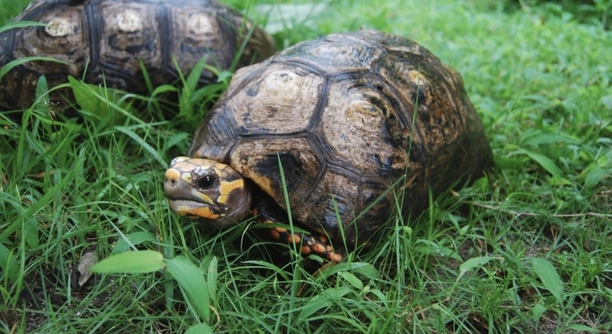
Do you ever find yourself wondering if a red-footed tortoise can live comfortably indoors? These fascinating reptiles have specific needs, and creating the right environment is essential for their well-being. Understanding their habitat requirements can make indoor care successful.
Red-footed tortoises can live indoors if provided with the proper setup. They need a spacious enclosure, stable temperatures, high humidity, and UVB lighting to stay healthy. Without these conditions, their growth, digestion, and overall health can be negatively affected.
Providing the best indoor setup ensures your tortoise thrives. From enclosure size to substrate choices, every detail matters. Creating a safe and enriching environment will help support their long-term health and happiness.
Best Indoor Enclosure for Red-Footed Tortoises
Creating a proper indoor enclosure is important for your red-footed tortoise’s health. A large tortoise table or a custom-built enclosure works best. The space should be at least 8 square feet to allow movement. Glass tanks are not ideal because they trap humidity unevenly and limit ventilation. A wooden or PVC enclosure retains heat and humidity better. Include a secure lid to prevent escapes. The enclosure should mimic their natural environment with a mix of dry and humid areas. Having a well-structured habitat keeps your tortoise active and stress-free.
A spacious enclosure allows your tortoise to explore and prevents health issues from lack of movement. It should be wide rather than tall, as these tortoises do not climb. Proper ventilation ensures fresh air circulation.
Choosing the right materials for the enclosure makes a big difference. Wood helps retain warmth, while PVC is easier to clean. Avoid wire-bottom enclosures, as they can injure their feet.
Ideal Temperature and Humidity Levels
Red-footed tortoises need warm temperatures and high humidity to stay healthy. The temperature should range from 80–85°F during the day, with a basking spot around 90°F. Nighttime temperatures should not drop below 70°F. Humidity should stay between 70–80% to prevent dehydration.
Maintaining the right humidity is essential for shell health and overall hydration. Without enough moisture, their shell can become dry and prone to pyramiding. Use a hygrometer to monitor levels. Adding a large water dish and misting the enclosure daily can help maintain humidity. A substrate that retains moisture, like coconut coir or cypress mulch, is ideal.
For heating, use a ceramic heat emitter or a basking bulb. Avoid heat rocks, as they can cause burns. A UVB light is necessary for proper calcium absorption and bone health. Position the heat source on one side of the enclosure to create a temperature gradient, allowing your tortoise to regulate its body temperature.
Best Substrate for Indoor Red-Footed Tortoises
A good substrate helps maintain humidity and supports natural behaviors like digging. Coconut coir, cypress mulch, and organic topsoil are excellent choices. These materials hold moisture well and create a soft surface for burrowing. Avoid sand, gravel, or pine shavings, as they can cause health issues.
Coconut coir is lightweight and holds humidity, keeping the enclosure moist without being too wet. Cypress mulch is another great option because it resists mold and helps maintain a stable environment. A mix of topsoil and coir provides a natural feel while supporting burrowing. Regularly spot-clean the substrate to remove waste, and change it every few weeks to prevent bacteria buildup. Keeping the substrate clean ensures a healthier living space.
Using the wrong substrate can lead to health problems. Sand can cause impaction if ingested, and pine shavings release oils that may irritate their respiratory system. A damp but not soaking substrate is ideal. Adding sphagnum moss in a specific area helps provide a humid retreat. The right substrate setup keeps your tortoise comfortable and encourages natural behavior.
Proper Lighting for Indoor Red-Footed Tortoises
UVB lighting is essential for calcium absorption and shell health. Without it, red-footed tortoises can develop metabolic bone disease, leading to weak bones and deformities. A 10.0 UVB bulb should be placed within 12 inches of the basking area and replaced every six months.
A combination of UVB and heat lighting creates a balanced environment. A basking bulb provides warmth, while the UVB light supports vitamin D3 production. Lights should be on for 10–12 hours a day to mimic natural sunlight. Position the lights correctly to prevent overheating or insufficient exposure. A shaded area allows the tortoise to regulate its exposure.
Avoid using weak UVB bulbs or placing the light too far from the tortoise. Lack of proper lighting can result in soft shells, weak limbs, and poor appetite. Investing in high-quality bulbs ensures long-term health and well-being.
Best Diet for Indoor Red-Footed Tortoises
A varied diet keeps red-footed tortoises healthy. They eat leafy greens, fruits, and protein sources like insects or boiled eggs. Dark, leafy greens like collard greens, dandelion greens, and mustard greens should make up most of their diet. Avoid iceberg lettuce, as it lacks nutrients.
Fruits should be given in moderation. Options like papaya, mango, and berries provide vitamins but should not be overfed. Protein is important but should only make up about 10% of their diet. A well-balanced diet supports strong growth and prevents nutritional deficiencies.
Importance of Hydration
Fresh water should always be available in a shallow dish. Red-footed tortoises also absorb moisture through soaking. Providing a warm soak two to three times a week helps prevent dehydration and supports digestion. A humid environment, paired with proper hydration, ensures overall health.
Safe and Unsafe Foods
Some foods can be harmful. Avoid avocado, rhubarb, onions, and processed foods, as they are toxic. Stick to fresh, natural foods that provide essential nutrients. A well-planned diet keeps your tortoise strong and active.
FAQ
Can a red-footed tortoise live indoors permanently?
Yes, a red-footed tortoise can live indoors permanently if its enclosure is large enough and properly set up. They need adequate space, UVB lighting, stable temperatures, and high humidity. Without these conditions, their health can decline. Regular outdoor time in a safe, enclosed area is beneficial but not required if the indoor environment meets their needs.
How big should an indoor enclosure be?
The enclosure should be at least 8 square feet, but bigger is always better. Red-footed tortoises are active and need space to explore. A tortoise table, custom-built enclosure, or a large wooden or PVC setup works best. Avoid small glass tanks, as they restrict movement and trap humidity unevenly.
What temperature should a red-footed tortoise’s enclosure be?
Daytime temperatures should be between 80–85°F, with a basking spot of around 90°F. At night, temperatures should not drop below 70°F. A ceramic heat emitter or basking bulb helps maintain warmth. A temperature gradient allows the tortoise to regulate its body heat by moving between warmer and cooler areas.
Do red-footed tortoises need UVB lighting indoors?
Yes, UVB lighting is essential for their health. It helps them synthesize vitamin D3, which allows them to absorb calcium and maintain strong bones. Without UVB, they can develop metabolic bone disease. Use a 10.0 UVB bulb, and place it within 12 inches of the basking area.
How do you maintain proper humidity levels?
Humidity should be between 70–80%. To maintain this, mist the enclosure daily, use a moisture-retaining substrate like coconut coir or cypress mulch, and provide a large water dish. Placing sphagnum moss in one area creates a humid retreat. A hygrometer helps monitor levels to ensure proper humidity.
What substrate is best for a red-footed tortoise?
The best substrates include coconut coir, cypress mulch, and organic topsoil. These hold moisture well, help maintain humidity, and support natural digging behaviors. Avoid sand, gravel, and pine shavings, as they can cause respiratory issues, impaction, or injuries to their feet.
What should a red-footed tortoise eat?
Their diet should consist of 70% leafy greens, 20% fruits, and 10% protein. Good greens include collard greens, dandelion greens, and mustard greens. Safe fruits include papaya, mango, and berries. Protein sources like insects, boiled eggs, or mushrooms should be given in moderation. Avoid processed foods.
How often should a red-footed tortoise eat?
Young tortoises should be fed daily, while adults can eat every other day. Provide fresh food in the morning and remove any uneaten portions later to prevent spoilage. A varied diet helps meet their nutritional needs and prevents deficiencies.
Do red-footed tortoises need water?
Yes, fresh water should always be available in a shallow dish. They also absorb moisture through soaking. Providing a warm soak two to three times a week prevents dehydration and helps with digestion. A humid environment also contributes to proper hydration.
What foods are unsafe for red-footed tortoises?
Avoid avocado, rhubarb, onions, iceberg lettuce, and processed foods. These can be toxic or lack proper nutrients. Stick to fresh, natural foods that support their health and digestion. A balanced diet ensures strong growth and overall well-being.
Can red-footed tortoises recognize their owners?
Yes, they can recognize their owners over time. They may learn to associate you with food and respond to your presence. While they are not affectionate like dogs or cats, they can show curiosity and comfort around familiar people.
How often should their enclosure be cleaned?
Spot-clean daily by removing waste and leftover food. Deep clean the enclosure every few weeks by replacing the substrate and disinfecting surfaces. A clean habitat helps prevent bacteria buildup and keeps your tortoise healthy.
Can red-footed tortoises live with other tortoises?
They can sometimes live with others of the same species, but it depends on their personalities. Males may become territorial and aggressive. If housing multiple tortoises, ensure the enclosure is large enough to prevent competition for food and space.
Do red-footed tortoises need enrichment?
Yes, they benefit from environmental enrichment. Adding logs, hides, and edible plants encourages exploration. Rearranging their habitat occasionally keeps them engaged. Providing space to dig and different textures to walk on helps stimulate natural behaviors.
How long do red-footed tortoises live indoors?
With proper care, they can live 50 years or more. A well-maintained indoor setup with proper lighting, diet, and humidity supports their long-term health. Regular checkups with a reptile vet also help ensure a long, healthy life.
Final Thoughts
Red-footed tortoises can live indoors if their enclosure meets their needs. A spacious setup with proper heating, humidity, UVB lighting, and a well-balanced diet is essential for their health. Keeping their habitat clean and offering enrichment will help them stay active and stress-free. With the right care, they can live long, fulfilling lives indoors.
Providing the correct environment requires attention to detail, but it is worth the effort. Maintaining proper temperatures and humidity ensures their shell and overall health remain in good condition. A well-planned diet prevents nutritional deficiencies, while a safe substrate allows for natural behaviors like digging and burrowing. Regular hydration and occasional soaking also contribute to their well-being. Taking the time to set up a proper habitat will make indoor living safe and comfortable for your tortoise.
Caring for a red-footed tortoise indoors is a long-term commitment, but it can be a rewarding experience. These tortoises can develop recognition for their owners and show curiosity toward their surroundings. By creating a suitable environment and providing the right care, you can help them thrive for decades. Whether kept indoors full-time or given occasional outdoor time, ensuring their needs are met will lead to a happy and healthy tortoise.

Hello,
If you enjoy the content that we create, please consider saying a "Thank You!" by leaving a tip.
Every little bit helps us continue crafting quality advice that supports the health, happiness, and well-being of pets around the world, for pets of all shapes, sizes, and species.
We really appreciate the kindness and support that you show us!