
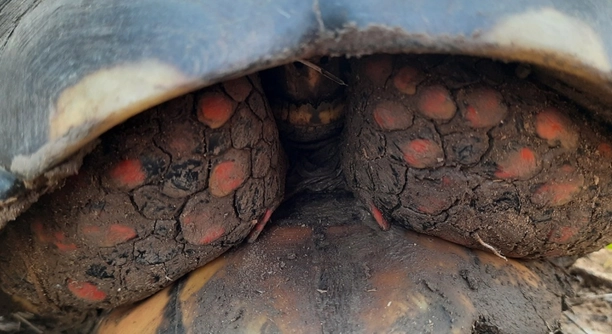
Are you struggling to keep your red-footed tortoise’s enclosure humid enough? These tropical reptiles need a consistently moist environment to stay healthy and comfortable, but maintaining proper humidity levels can sometimes be a challenge.
The best ways to keep a red-footed tortoise’s enclosure humid include using a substrate that retains moisture, misting the enclosure regularly, adding live plants, providing a humid hide, using a large water dish, and maintaining proper ventilation.
From choosing the right substrate to creating a humid hide, these methods will help ensure your tortoise stays comfortable and hydrated in its enclosure.
Use a Moisture-Retaining Substrate
A good substrate helps maintain humidity in your red-footed tortoise’s enclosure. Coconut coir, sphagnum moss, and cypress mulch are excellent choices because they hold moisture well without becoming too soggy. These materials create a natural environment that mimics the humid forest floor. Regularly misting the substrate keeps it from drying out. Mixing different substrates can also improve moisture retention. Avoid using sand or dry soil, as these do not hold moisture effectively. The right substrate not only helps with humidity but also provides a comfortable surface for digging and burrowing. Keeping it damp, not wet, ensures a healthy balance.
Check the substrate daily to see if it needs misting. If it looks dry or crumbly, add water and mix it thoroughly. Overly dry conditions can cause dehydration, while excessive moisture can lead to mold. Finding the right balance is key to maintaining proper humidity levels.
Using a deep layer of substrate helps with moisture retention. A depth of at least three inches allows the material to hold water longer. Adding leaf litter on top can further prevent rapid evaporation. If the enclosure has a heat lamp, place a water dish nearby to increase humidity. This setup helps maintain a stable and comfortable environment for your tortoise.
Mist the Enclosure Regularly
Misting helps maintain humidity by adding moisture directly into the air. It also keeps the substrate from drying out too quickly. Using a spray bottle, mist the enclosure once or twice a day, depending on how dry it gets.
A fine mist works best, as it prevents excessive wetness while still keeping the air moist. Mist in the morning and evening for better consistency. The frequency may vary based on the climate in your home. If the enclosure dries out quickly, misting more often can help.
Using a hygrometer allows you to monitor humidity levels accurately. Red-footed tortoises need humidity between 70% and 80% to stay healthy. If the humidity drops too low, increase misting or add a humid hide. Make sure the enclosure has good airflow to prevent mold growth. If misting alone isn’t enough, combining it with other methods, like using a water dish or live plants, can help keep humidity levels stable.
Add a Large Water Dish
A large water dish helps maintain humidity by allowing water to evaporate into the air. Place it near a heat source to speed up evaporation. The dish should be shallow enough for your tortoise to soak in but large enough to increase moisture in the enclosure.
Regularly changing the water keeps it clean and prevents bacteria buildup. Placing the dish on the warm side of the enclosure increases evaporation, raising humidity levels. If the enclosure is too dry, adding smooth stones or moss inside the dish can help slow evaporation, keeping the area moist for longer. A ceramic or plastic dish works well, as these materials retain heat and prevent rapid water loss. Avoid metal dishes, which can become too hot under a heat lamp. Keeping fresh water available also helps your tortoise stay hydrated, promoting overall health.
If the enclosure remains dry, consider adding multiple smaller water dishes throughout. This spreads moisture evenly, preventing one area from becoming overly damp. The placement of these dishes matters, as they should not be directly under a heat source but close enough for slow evaporation. Cleaning them daily ensures no bacteria or algae develop, keeping the environment safe. Soaking areas also provide comfort for your tortoise, supporting healthy shell and skin maintenance.
Use a Humid Hide
A humid hide provides a dedicated moist area for your tortoise to retreat when needed. It helps prevent dehydration and keeps their skin healthy. Choose a sturdy container, such as a plastic box or a cave-like hide, and fill it with damp sphagnum moss or coconut fiber.
The humid hide should be placed in the middle or warm side of the enclosure to maintain consistent moisture. Check the humidity inside the hide regularly, ensuring it stays around 80%. If the moss or substrate inside dries out, mist it lightly. A properly maintained humid hide helps prevent respiratory issues and keeps your tortoise’s shell from becoming too dry. If the enclosure is naturally humid, a humid hide may not need as much misting, but it should always be available. Adding a small entrance keeps moisture in while allowing your tortoise easy access.
Add Live Plants
Live plants help retain humidity by releasing moisture into the air. Ferns, pothos, and bromeliads are great choices since they thrive in humid conditions. Placing plants throughout the enclosure prevents dry spots and keeps moisture levels stable. Regular watering ensures they continue contributing to humidity effectively.
Plants also provide natural shade and hiding spots, making the enclosure feel more like a tortoise’s natural habitat. Their roots help keep the substrate damp, preventing it from drying out too quickly. Trimming overgrown leaves maintains a balanced environment while ensuring plants do not take over the space.
Maintain Proper Ventilation
Good ventilation prevents excessive moisture buildup while still keeping the enclosure humid. A partially covered top works well by allowing airflow while trapping humidity. Using mesh lids with a plastic covering over part of the top helps create the right balance.
Monitor Humidity Levels
A digital hygrometer provides accurate humidity readings, helping you adjust misting and other methods as needed. Checking humidity levels daily prevents the enclosure from becoming too dry or overly damp.
FAQ
What is the ideal humidity level for a red-footed tortoise?
Red-footed tortoises require a humidity level between 70% and 80%. This range helps maintain their health, hydration, and proper shedding. If humidity falls below 60%, it can cause dehydration, respiratory issues, or shell problems. To maintain the right level, use misting, a humid hide, and proper ventilation. Regular monitoring with a hygrometer will help you stay on track.
How often should I mist my red-footed tortoise’s enclosure?
Misting once or twice a day is usually enough, but this can vary depending on the climate in your home. In dry environments, misting more frequently helps maintain proper humidity levels. Always check the substrate and air moisture before misting. You can adjust the misting routine as needed based on your tortoise’s comfort and the enclosure’s humidity.
Can I use a heat lamp to maintain humidity?
Yes, a heat lamp can indirectly help with humidity by causing water to evaporate from water dishes or the substrate. However, the heat source must be positioned correctly to prevent excessive drying. Be mindful not to place it too close to the water dish, as the water might evaporate too quickly, making it difficult to maintain the right humidity.
Do I need a humidity gauge (hygrometer)?
Yes, using a hygrometer is essential for accurately monitoring the humidity levels in your tortoise’s enclosure. Without it, it’s difficult to tell if you are within the proper range of 70%-80%. A hygrometer allows you to adjust misting or other methods to keep your tortoise comfortable and healthy.
Is it okay for my tortoise to stay in a dry environment?
No, a dry environment is harmful to a red-footed tortoise. These tortoises are native to humid, tropical climates, and they need consistent moisture to thrive. If their environment is too dry, it can lead to dehydration, shedding problems, and other health issues. Ensuring proper humidity is vital for their well-being.
How can I prevent mold from forming in the enclosure?
To prevent mold, make sure the enclosure has proper ventilation. While you want to maintain high humidity, good airflow reduces the risk of mold growth. Avoid over-wetting the substrate and regularly check the moisture levels. If mold does appear, remove it immediately and clean the area with a mild disinfectant.
Can I use regular soil for my tortoise’s enclosure?
It’s not recommended to use regular soil, especially if it doesn’t retain moisture well. Dry soil can quickly reduce humidity levels, leaving your tortoise in an unsuitable environment. Instead, use substrates like coconut coir, sphagnum moss, or cypress mulch, which hold moisture and create a healthy, humid environment.
Do I need a separate humid hide for my red-footed tortoise?
Yes, a humid hide is beneficial for a red-footed tortoise. This area provides a space where your tortoise can escape from drier parts of the enclosure and find a consistently moist environment. A humid hide is important for hydration, helping your tortoise regulate its moisture levels. Place the hide in a warm section of the enclosure for optimal humidity.
How can I keep my tortoise’s enclosure from getting too humid?
To prevent excess humidity, ensure proper ventilation by using a mesh lid or having partial air circulation. Monitor humidity regularly with a hygrometer. If it gets too humid, adjust misting schedules, reduce water dish size, or increase ventilation to balance out moisture levels. Avoid keeping the enclosure sealed off completely.
What type of water dish is best for a red-footed tortoise?
A shallow, wide water dish is best, as it allows your tortoise to soak comfortably while also increasing humidity. Ceramic or plastic dishes are ideal because they retain heat, promoting evaporation and humidity. Avoid metal dishes, as they can heat up too much and cause burns. Make sure to clean the water dish regularly to avoid bacteria buildup.
Can I use artificial plants to help with humidity?
Artificial plants do not contribute to humidity like live plants do. While they add aesthetic value, they don’t release moisture into the air. For proper humidity control, it’s better to rely on live plants, misting, and water dishes. However, artificial plants can be used as decor without affecting the overall humidity.
Should I use a substrate heating mat to help maintain humidity?
A substrate heating mat can help maintain warmth in the enclosure, but it’s not necessary for humidity control. It can also dry out the substrate if the heat is too intense. If you use a heating mat, ensure it’s not too hot, and monitor humidity levels closely to prevent the enclosure from drying out.
Can I use a spray bottle to mist the enclosure?
Yes, a spray bottle is a simple and effective way to mist your tortoise’s enclosure. Choose a bottle with a fine mist setting to avoid soaking the substrate too quickly. Mist the enclosure in the morning and evening to maintain consistent humidity levels throughout the day.
How do I keep the humidity stable in different seasons?
In colder months, your home’s air may become drier, affecting humidity in the tortoise’s enclosure. During this time, you may need to mist more often or add a humidifier near the enclosure. In warmer months, humidity might naturally increase, so adjust misting or airflow accordingly. Keep an eye on the hygrometer for adjustments.
Maintaining proper humidity in a red-footed tortoise’s enclosure is essential for their health and well-being. These tortoises thrive in warm, humid environments, much like their natural tropical habitat. Without the right humidity, they can face dehydration, respiratory issues, or even shell problems. Ensuring your tortoise has consistent humidity levels, typically between 70% and 80%, will help keep them comfortable and prevent any health issues related to dryness. Simple methods, like using a humid hide, misting regularly, and choosing moisture-retaining substrates, can make a big difference in creating the ideal environment.
The most important step is monitoring the humidity levels regularly. A hygrometer is a great tool to help you keep track and adjust the misting or other humidity control methods as needed. While the right moisture levels are crucial, it’s also important to avoid excessive humidity, as it can lead to mold or other problems in the enclosure. Good ventilation plays a role in balancing the humidity and ensuring airflow. Finding the right balance is key to a healthy and happy tortoise.
It’s also important to remember that each tortoise and its environment might have different needs. Factors like the size of the enclosure, the amount of natural sunlight, or the temperature of your home can all affect how you manage humidity. Keeping the enclosure clean and making adjustments when necessary will help your tortoise stay hydrated and comfortable. By maintaining a consistent and controlled environment, you can provide your red-footed tortoise with the best possible care and ensure they live a long, healthy life.

Hello,
If you enjoy the content that we create, please consider saying a "Thank You!" by leaving a tip.
Every little bit helps us continue crafting quality advice that supports the health, happiness, and well-being of pets around the world, for pets of all shapes, sizes, and species.
We really appreciate the kindness and support that you show us!