
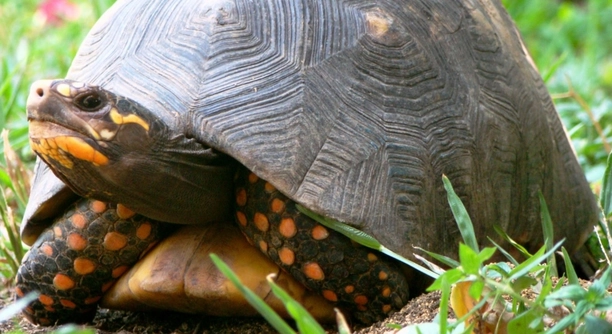
Red-footed tortoises are herbivores and enjoy a variety of foods in their diet. You may wonder if turnips are a good choice for your pet. Understanding what’s safe and healthy for them is important for their well-being.
Yes, red-footed tortoises can eat turnips. Turnips are safe and can be offered as part of a balanced diet. They provide essential nutrients such as fiber and vitamins, but should be given in moderation to avoid digestive issues.
Knowing how to properly serve turnips to your tortoise is important to ensure they are getting the right nutrition. Let’s explore the best practices for including turnips in their diet.
Why Turnips Are Good for Red-Footed Tortoises
Turnips are a great option for red-footed tortoises, providing key vitamins and minerals. They are rich in fiber, which supports healthy digestion. These vegetables are also low in calories, making them a good choice for maintaining a balanced diet. While they are not the primary food, they can offer variety and nutrients when served correctly. Red-footed tortoises enjoy the mild taste and crisp texture of turnips. The key is moderation, as too much can cause digestive upset due to the higher level of calcium and phosphorus.
A small portion of turnips can be included in your tortoise’s diet a few times a week. This vegetable should not make up more than 10% of their total intake. The main diet should still consist of leafy greens, fruits, and other safe vegetables. This ensures your pet gets all the nutrients it needs without any imbalance.
Always wash the turnips thoroughly to remove pesticides or dirt. Cut them into small, manageable pieces to make it easier for your tortoise to consume. You can offer both the root and the leaves of the turnip, as both are safe and nutritious. However, avoid overfeeding the greens, as they can be high in oxalates, which can interfere with calcium absorption.
How to Serve Turnips to Your Tortoise
When introducing turnips to your tortoise, keep the serving size small and monitor their response.
Cutting turnips into smaller pieces makes it easier for your tortoise to eat. It’s important to offer variety, so mixing turnips with other vegetables like collard greens or squash adds more nutrients. The texture of turnips can encourage healthy chewing, which is great for your tortoise’s jaw. You can mix turnips into their regular food, or serve them as a treat on their own. Try offering a few pieces alongside their favorite greens for added appeal.
Potential Risks of Feeding Turnips to Red-Footed Tortoises
Overfeeding turnips can lead to digestive issues, as they contain moderate amounts of fiber and starch. Too much fiber can cause bloating or upset stomachs in tortoises. It’s important to offer turnips in small portions to avoid these problems. Consistently high amounts of turnips can disrupt the balance in their diet.
Turnips also contain oxalates, which can bind to calcium and make it harder for your tortoise to absorb this important mineral. While occasional serving is fine, excessive oxalates over time can lead to health issues, including bone problems. To minimize this risk, keep turnips to a minimum in their diet.
Additionally, turnips are a cruciferous vegetable, meaning they can sometimes cause gas or bloating. While this isn’t usually a concern if served in moderation, you should always monitor your tortoise’s health when introducing new foods. If you notice any unusual behavior or signs of discomfort, reduce the amount or remove turnips entirely.
How Often Should You Serve Turnips to Red-Footed Tortoises?
You can offer turnips to your tortoise once or twice a week.
It’s best to serve turnips as part of a varied diet that includes leafy greens, fruits, and other vegetables. Overfeeding any one type of food can cause nutrient imbalances. Turnips should never be the main part of their diet, but instead an occasional treat. Offering different vegetables helps ensure they get a wide range of nutrients.
By providing turnips in moderation, you allow your tortoise to enjoy the benefits without overloading their system. A balanced approach ensures they receive all the vitamins, minerals, and fiber they need for optimal health.
Can Red-Footed Tortoises Eat Raw Turnips?
Raw turnips are safe for red-footed tortoises to eat. They can be offered in their natural state, providing crunchy texture that many tortoises enjoy. Just be sure to wash them well to remove any dirt or chemicals before serving.
Raw turnips can also retain more nutrients, such as vitamin C, compared to cooked versions. However, it’s important to avoid overfeeding them. Serving them in moderation ensures your tortoise gets the benefits without any potential negative effects.
Preparing Turnips for Your Tortoise
To prepare turnips for your tortoise, start by washing them thoroughly to remove any dirt or pesticides.
Next, cut them into small, bite-sized pieces. This makes it easier for your tortoise to eat and digest the turnips. You can mix them with other safe vegetables like dandelion greens or hibiscus flowers for variety. Avoid seasoning or adding oil, as these can be harmful to your tortoise.
FAQ
Can turnips be harmful to red-footed tortoises?
Turnips are generally safe for red-footed tortoises when served in moderation. However, overfeeding can cause digestive issues due to their high fiber content. Too much fiber may lead to bloating or stomach discomfort. Additionally, turnips contain oxalates, which can interfere with calcium absorption and potentially cause long-term health issues if consumed in excess. It’s important to ensure they only make up a small part of your tortoise’s diet.
How do turnips compare to other vegetables for red-footed tortoises?
Turnips are a decent option compared to other vegetables, offering essential vitamins and fiber. However, they should not replace the staple leafy greens like collard greens, dandelion greens, and mustard greens, which are better sources of calcium and other important nutrients. Turnips are more of an occasional treat or supplement in their diet rather than a regular food source.
Should I serve the turnip leaves to my tortoise?
Yes, the leaves of the turnip are safe and nutritious for red-footed tortoises. They are rich in fiber and vitamins like A and C, which are beneficial to your tortoise’s overall health. However, it’s still important to limit the quantity, as too many oxalates from the leaves may cause issues with calcium absorption. As with the root, serve the leaves in moderation.
How can I tell if my tortoise is eating too many turnips?
Watch for signs of digestive upset, such as bloating, lethargy, or loss of appetite. These could indicate that your tortoise is eating too many turnips. If you notice any of these symptoms, reduce the frequency of turnip servings. If the problem persists, it’s best to consult a veterinarian to make sure there are no underlying health concerns.
Can turnips be served cooked or only raw?
Red-footed tortoises can eat both raw and cooked turnips, but raw turnips are the best option. Cooking can cause some loss of nutrients, such as vitamin C, that are more abundant in their raw form. Additionally, raw turnips provide a satisfying crunch that is great for your tortoise’s teeth and jaw health. Avoid seasoning the turnips if you decide to cook them, as added salt, spices, or oils can harm your tortoise.
How much turnip can I give my red-footed tortoise?
A small portion of turnip, around the size of a thumb, can be offered to your tortoise once or twice a week. This small serving provides enough nutrients without overloading their digestive system or upsetting their balance of minerals. The bulk of your tortoise’s diet should come from leafy greens, fruits, and other safe vegetables.
Can turnips be part of a long-term feeding plan for red-footed tortoises?
Turnips can be part of your tortoise’s long-term feeding plan, but they should be served in rotation with other vegetables. Over time, offering a variety of vegetables ensures your tortoise gets a wide range of nutrients. Regularly changing up their diet prevents over-reliance on any one vegetable, which could lead to deficiencies or imbalances.
Are there any other foods I should avoid feeding my red-footed tortoise?
Yes, some foods are harmful to red-footed tortoises. Avoid feeding them dairy, high-fat foods, processed foods, or foods high in sugar. Foods like iceberg lettuce, spinach, and potatoes should also be avoided because they can cause digestive issues or are low in nutritional value. Always research a food before offering it to ensure it is safe.
Can I feed turnips to my baby red-footed tortoise?
Baby red-footed tortoises can eat turnips, but only in very small quantities. Their digestive systems are still developing, so it’s important to introduce new foods gradually and ensure they are getting mostly soft leafy greens and tender vegetables. Start with small pieces of turnip and observe how they respond.
How should I store turnips for my tortoise?
Turnips should be stored in a cool, dry place. Ideally, keep them in the fridge to maintain freshness, especially if you have cut them into pieces. When storing turnip greens, they should be placed in a container or bag and kept in the fridge as well. Always check for any signs of wilting or rotting before offering them to your tortoise.
Are turnips a good source of hydration for my tortoise?
While turnips do contain water, they should not be relied upon as a primary source of hydration. Red-footed tortoises should have constant access to fresh, clean water. Vegetables like cucumbers or watery greens, such as lettuce or celery, are better at helping with hydration. Turnips are more valuable for their vitamins and fiber.
Can turnips cause shell problems for my tortoise?
There is no direct link between turnips and shell problems, but an improper diet or overfeeding certain vegetables could contribute to health issues that affect your tortoise’s shell. A balanced diet, including calcium-rich foods like leafy greens and supplements, is necessary for proper shell growth and maintenance. Always ensure your tortoise is getting the right nutrients to maintain healthy bones and a strong shell.
How do I know if my tortoise likes turnips?
You’ll quickly learn if your tortoise enjoys turnips by observing their behavior when offered. If they eagerly eat the turnip pieces, it’s a good sign that they like it. If they ignore or leave the pieces behind, it may not be their favorite food. Every tortoise has its own preferences, so keep offering variety to see what they enjoy most.
Final Thoughts
Turnips can be a safe and healthy treat for red-footed tortoises when served in moderation. These vegetables offer some nutritional benefits, including vitamins and fiber, which are essential for your tortoise’s health. However, they should not make up a large portion of your tortoise’s diet. Instead, turnips should be treated as an occasional addition to a balanced diet that consists mainly of leafy greens and other safe vegetables. Overfeeding turnips could lead to digestive issues or an imbalance of nutrients, which is why it’s important to keep portions small.
In addition to providing a variety of vegetables, it’s essential to remember that turnips should be served in a way that’s safe for your tortoise. Always wash them thoroughly to remove any dirt, chemicals, or pesticides. Cutting the turnips into smaller pieces will make them easier for your tortoise to eat and prevent any choking hazards. You can offer both the root and the leaves, but it’s a good idea to avoid giving them in excessive amounts, especially the leaves, since they contain oxalates. These compounds can interfere with calcium absorption, which is important for your tortoise’s bone health. By maintaining a balanced approach and offering turnips sparingly, you can add variety to your tortoise’s diet while keeping them healthy.
Finally, always monitor your tortoise when introducing new foods, including turnips. Every tortoise has different preferences and tolerances, so observing their behavior after eating will help you understand how they react to turnips. If you notice any signs of digestive discomfort or other health issues, it’s best to consult a veterinarian. With proper care, turnips can be a nutritious and enjoyable addition to your red-footed tortoise’s diet, supporting their overall health and well-being. Just remember, variety is key to providing the right nutrition for your pet.

Hello,
If you enjoy the content that we create, please consider saying a "Thank You!" by leaving a tip.
Every little bit helps us continue crafting quality advice that supports the health, happiness, and well-being of pets around the world, for pets of all shapes, sizes, and species.
We really appreciate the kindness and support that you show us!