
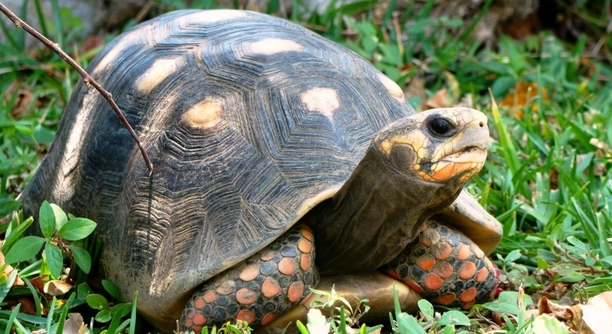
If you’re considering getting a red-footed tortoise as your first pet, there are a few essential things to know. These adorable creatures have specific care needs that will help them thrive in their new home.
Red-footed tortoises require a suitable habitat, a balanced diet, and regular health monitoring to ensure they live long, healthy lives. With proper care, these tortoises can become loyal companions and a joy to watch.
There’s much more to learn about providing the best care for your new pet. Understanding their environment, diet, and behavior will make the journey smoother for both of you.
Setting Up the Right Habitat
Creating the ideal environment for your red-footed tortoise is essential for their well-being. A spacious enclosure with proper lighting, humidity, and temperature controls is necessary. They need both a basking area and a cooler shaded area for their comfort. Your tortoise will thrive best in a humidity range of 60-80%, which can be maintained with a misting system or by placing a water dish inside the enclosure. A heat source such as a UVB light is crucial for their metabolism and shell development. A temperature gradient from 80°F to 90°F allows them to regulate their body temperature effectively.
Maintaining an appropriate habitat helps ensure the tortoise stays active and healthy. It’s important to use a well-ventilated, secure enclosure to prevent escape.
When setting up the enclosure, use a substrate that retains moisture but doesn’t become soggy. Coconut husk, orchid bark, or a mix of soil and sand work well for this. Providing branches, rocks, and hiding spots will make your tortoise feel more at home, reducing stress and encouraging natural behaviors like foraging and climbing. Adding plants to the space can also help with humidity and offer additional enrichment.
Proper Nutrition
A balanced diet is crucial for red-footed tortoises. They are omnivores, which means they need a mix of vegetables, fruits, and protein sources.
Incorporate leafy greens like collard greens, dandelion greens, and turnip greens. Fruits such as papaya, mango, and berries can be given in moderation. Protein sources, like boiled eggs and insects, should also be included in their diet every now and then. Be cautious of overfeeding fruits, as too much sugar can lead to digestive issues.
Providing a variety of food ensures they get the vitamins and minerals necessary for their health. Supplements like calcium powder can also be added to their meals. This supports shell growth and helps prevent metabolic bone disease. Offering fresh food daily, while removing any uneaten portions, ensures your tortoise gets the nutrition it needs. Regular feeding, combined with proper hydration, plays a key role in their longevity.
Health Monitoring
Regular health checks are necessary to catch potential problems early. Look for signs like lethargy, loss of appetite, or unusual behavior.
You should also keep an eye on your tortoise’s shell. Any soft spots, cracks, or discoloration could be signs of illness. Their eyes and nose should remain clear, and their breathing should be smooth. If you notice any changes, it’s a good idea to consult a reptile vet. Monitoring weight regularly can also help assess their health. If your tortoise is gaining or losing weight too rapidly, this might indicate a problem that needs attention.
Keeping track of your tortoise’s overall condition helps prevent serious health issues. Don’t wait too long to act if you notice anything out of the ordinary. Prompt attention will help your pet live a long, happy life.
Understanding Behavior
Red-footed tortoises tend to have calm and curious personalities. They are generally solitary, preferring to explore their habitat on their own terms.
Their behavior may change depending on the environment and your interactions. If they’re given ample space, they may roam and forage for food. They are most active during the morning and evening hours. You might see them basking under a heat source, or sometimes they will hide in their shelter to feel secure. During these quiet moments, it’s important to respect their space and avoid unnecessary disturbances.
Understanding their natural behaviors will help you build a stronger bond with your tortoise. While they might not show affection in the same way as other pets, they can recognize their owners and feel comfortable in their presence. Always give them the freedom to move around, and avoid forcing them into social situations that might stress them out.
Temperature and Lighting
Red-footed tortoises require a controlled environment for proper health. Maintain daytime temperatures between 80°F and 90°F, with a basking area reaching up to 95°F.
At night, temperatures should drop to around 70°F to 75°F. UVB lighting is essential for calcium absorption and shell health. A UVB bulb should be used for about 10-12 hours daily to simulate sunlight. Be sure to replace UVB bulbs every six months, as their effectiveness decreases over time.
Proper temperature and lighting not only help regulate their metabolism but also support their immune system, making them more resilient to illnesses.
Substrate and Enclosure Setup
Use a substrate that allows for burrowing and retains moisture, like coconut husk or orchid bark. These help with humidity levels and prevent your tortoise from becoming dehydrated.
Ensure the enclosure is spacious, with enough room for them to move around and explore. Provide hiding spots for security and areas where they can bask under the heat lamp. The enclosure should be escape-proof, with walls high enough to prevent your tortoise from climbing out. Proper ventilation is also essential to avoid mold and ensure a steady flow of fresh air.
Hydration
Hydration is crucial to keep your red-footed tortoise healthy. Always provide fresh water in a shallow dish, ensuring they can easily access it.
Sometimes, they will drink from the dish, but they also get moisture from their food, especially leafy greens and fruits. Make sure the water is changed daily to keep it clean.
FAQ
How often should I feed my red-footed tortoise?
You should feed your red-footed tortoise once a day, offering fresh food each time. A healthy diet includes a variety of leafy greens, fruits, and protein sources. Offer a mixture of vegetables like dandelion greens, collard greens, and turnip greens. Fruits such as papaya, strawberries, and mango can be given in moderation, and occasional protein, like boiled eggs or insects, is also beneficial.
Remove any uneaten food at the end of the day to avoid spoilage. This ensures that your tortoise gets fresh, nutritious meals daily. It’s important not to overfeed them, especially with high-sugar fruits, as this can lead to health problems like obesity.
Can I house my red-footed tortoise with other tortoises?
It’s best to house red-footed tortoises alone or with other red-footed tortoises. While they are generally peaceful creatures, different species may not always get along. Territorial behavior can arise, especially if there isn’t enough space for them to establish their own area.
In some cases, they might even fight, which could lead to stress or injury. If you want to house multiple tortoises together, ensure there is enough room and plenty of hiding spots. Avoid mixing them with species that have different care requirements, as this can create problems in terms of diet, humidity, or temperature.
What temperature should I keep my red-footed tortoise’s enclosure?
Your red-footed tortoise needs a temperature gradient in their enclosure. The daytime temperature should range between 80°F and 90°F, with the basking area reaching 95°F. At night, temperatures should drop to between 70°F and 75°F. This gradient allows your tortoise to regulate its body temperature by moving to different areas of the enclosure.
Using a heat lamp is a good way to create the warm basking spot. UVB lighting is equally important, as it helps with calcium absorption and promotes healthy shell growth. Ensure that the light is placed properly, as direct exposure to UVB helps simulate natural sunlight, which is crucial for their health.
How do I clean my red-footed tortoise’s enclosure?
Cleaning your tortoise’s enclosure is simple but essential for their health. Remove uneaten food daily and spot clean any waste. Once a week, do a deeper cleaning by removing everything from the enclosure, cleaning all surfaces with a reptile-safe disinfectant, and replacing the substrate.
It’s also a good idea to clean the water dish daily to prevent bacteria build-up. Make sure the enclosure dries completely before adding fresh substrate. Regular cleaning not only keeps your tortoise healthy but also ensures a clean and comfortable living space.
What type of substrate should I use for my red-footed tortoise?
A good substrate should retain moisture while allowing your tortoise to burrow. Coconut husk, orchid bark, or a soil and sand mixture are ideal choices. These substrates help maintain the necessary humidity levels while providing a comfortable surface for your tortoise to move around on.
Avoid using substrates like gravel or sand alone, as they can lead to impaction if ingested. It’s important to have a substrate that’s easy to spot clean but also holds moisture to keep humidity levels stable. Keep the substrate slightly moist but not soggy, as excessive wetness can cause mold or bacterial growth.
How can I tell if my red-footed tortoise is sick?
Watch for signs like a lack of appetite, lethargy, or difficulty breathing. Healthy red-footed tortoises should be active, eating well, and moving around their enclosure. If your tortoise seems sluggish or is not eating, this could be a sign of an underlying health issue.
Check for any unusual changes to their shell, like soft spots, cracks, or discoloration. Clear eyes and nostrils are also a sign of good health. If you notice any of these warning signs, consult with a reptile vet as soon as possible. Early detection and treatment are key to addressing health problems before they become more serious.
Can red-footed tortoises swim?
While red-footed tortoises are not natural swimmers, they do enjoy shallow water. They can paddle around in a shallow dish or a small pool, but they are not built for swimming like aquatic turtles. It’s important to provide a shallow area where they can drink, soak, and cool off but never leave them in deep water unsupervised.
Ensure that any water source is easy for your tortoise to exit from, as they can become stressed or drown if they can’t find their way out. A shallow water dish or a small, shallow pool with a ramp will allow your tortoise to enjoy water without the risk of drowning.
How long do red-footed tortoises live?
Red-footed tortoises have a lifespan of around 50 to 60 years, sometimes even longer with proper care. They are relatively slow-growing, but with the right diet, habitat, and health care, they can live long, happy lives.
Ensure they have a well-maintained environment and receive regular check-ups. By sticking to a consistent routine for feeding, cleaning, and temperature regulation, you will help your tortoise live a healthy and fulfilling life.
Final Thoughts
Owning a red-footed tortoise can be a rewarding experience. These tortoises are unique, with their colorful shells and calm demeanor, making them a great choice for first-time reptile owners. However, they do require special care and attention. Their environment, diet, and health should all be closely monitored to ensure they thrive in their new home. With proper care, a red-footed tortoise can live a long and healthy life, becoming a calm and fascinating pet.
The most important factor in caring for your red-footed tortoise is to set up the right habitat. Providing a space that mimics their natural environment is crucial for their well-being. This includes maintaining the proper temperature, humidity, and lighting. Their enclosure should be spacious, allowing them to move freely and explore. Regular cleaning of their living space also plays a big role in preventing health issues. Along with their habitat, a balanced diet of vegetables, fruits, and occasional protein will keep your tortoise well-fed and healthy.
Health monitoring should not be overlooked. Regular check-ups and keeping an eye on their behavior will help you spot any potential problems early. These tortoises can live for many years, so taking the time to care for them properly can lead to a long-lasting bond. Understanding their needs, being patient, and giving them the right environment will ensure your red-footed tortoise remains happy and healthy throughout its life.

Hello,
If you enjoy the content that we create, please consider saying a "Thank You!" by leaving a tip.
Every little bit helps us continue crafting quality advice that supports the health, happiness, and well-being of pets around the world, for pets of all shapes, sizes, and species.
We really appreciate the kindness and support that you show us!