
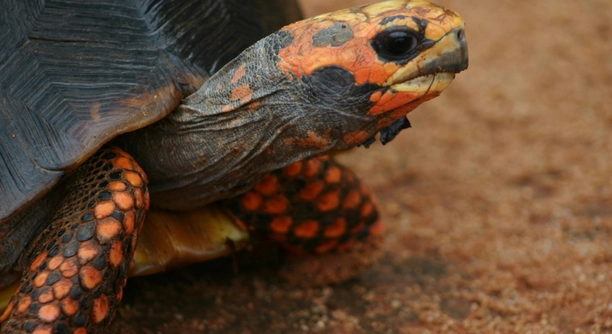
Red-footed tortoises are known for their varied diet, and as pet owners, we often wonder if certain foods are safe for them. One common question is whether tomatoes can be included in their meals.
Yes, red-footed tortoises can eat tomatoes in moderation. Tomatoes are non-toxic to them, but their high acidity and sugar content should be taken into account. Overfeeding may lead to digestive issues, so balance is key.
Understanding the balance between nutrition and treats is important for your tortoise’s overall health. Keep reading to learn how to safely include tomatoes in their diet.
Nutritional Benefits of Tomatoes for Red-Footed Tortoises
Tomatoes are packed with vitamins and minerals that can benefit red-footed tortoises. They are a good source of Vitamin C, which supports immune health and helps in the absorption of iron. Tomatoes also contain antioxidants like lycopene, which can protect cells from damage. However, while tomatoes are nutritious, they should only be offered occasionally. Red-footed tortoises are herbivores, and their diet should mostly consist of leafy greens, grasses, and fruits. When given in small amounts, tomatoes can be a healthy addition to their diet, providing variety and taste. Always make sure the tomatoes are ripe, as unripe tomatoes can be more acidic and less suitable for your tortoise.
Tomatoes contain both water and fiber, which can help with hydration and digestion. This makes them a refreshing treat for your tortoise, but remember, moderation is important to avoid overloading their digestive system.
Too much of any fruit, including tomatoes, can cause gastrointestinal issues. Overfeeding tomatoes can lead to loose stools or upset stomachs due to their high water content. If you notice that your tortoise has soft or runny stools after eating tomatoes, reduce the frequency and amount of tomatoes offered. The sugars in tomatoes, though natural, can also affect their digestive balance. Sticking to small portions, around once a week, is recommended. Always pair tomatoes with other appropriate food options, like leafy greens, to create a balanced diet for your tortoise.
Risks of Overfeeding Tomatoes
Overfeeding tomatoes to red-footed tortoises can lead to some health concerns. While they are not toxic, the acidity and sugar content can upset their digestive system. It’s important to observe your tortoise’s reaction to new foods and adjust accordingly. If your tortoise enjoys tomatoes, limit them to small, occasional servings to keep things balanced.
A red-footed tortoise’s digestive system works best when it’s not overloaded with sugary or acidic foods. Over time, too many tomatoes can cause soft stool or diarrhea, which can lead to dehydration. Tortoises rely on a variety of food to maintain good health, so it’s essential to offer them different fruits and vegetables to ensure they get all the nutrients they need. While tomatoes can provide valuable nutrients, they should not replace more substantial portions of leafy greens, such as collard greens or dandelion leaves, which are much healthier for your tortoise.
When incorporating tomatoes into your tortoise’s diet, ensure they are ripe and cut into small pieces to prevent choking hazards. Keep their overall diet rich in fiber to support healthy digestion.
How to Safely Serve Tomatoes to Red-Footed Tortoises
To serve tomatoes safely, always wash them thoroughly to remove any pesticides or chemicals. Remove the seeds if you prefer, as they may cause digestive discomfort for some tortoises. Cut the tomato into small, manageable pieces to avoid choking hazards and offer it in moderation.
When feeding tomatoes, ensure that they are fresh and ripe. Avoid giving your tortoise tomatoes that are overripe or under-ripe, as they can have a higher acid content. A small slice or a few small pieces of tomato is all that’s needed to avoid overwhelming their system. You can also mix it with other vegetables or fruits to make it more balanced. Always monitor your tortoise after trying new foods to ensure they’re adjusting well.
Tomatoes should be an occasional treat, and you should never make them the main part of your tortoise’s diet. They should be supplemented with other healthy foods such as leafy greens, flowers, and grass. A varied diet is essential for their long-term health. Always remember that the goal is to offer nutrients in the right proportions, ensuring your tortoise gets everything it needs without overindulging in any one food type.
What to Avoid When Feeding Red-Footed Tortoises Tomatoes
Avoid feeding your tortoise any green parts of the tomato plant, including the leaves and stems. These parts contain solanine, a toxic compound that can be harmful to tortoises. Always ensure you’re offering only the ripe fruit, avoiding the unripe green tomatoes.
If your tortoise has never had tomatoes before, start with a very small amount to see how they react. Some tortoises may be sensitive to certain fruits, including tomatoes. If you notice any changes in behavior, such as loss of appetite or diarrhea, stop feeding tomatoes immediately. Be aware that some tortoises may develop a preference for fruits, leading to overeating if they’re offered too frequently. Keep the servings small and balanced with other types of food to avoid this. Always follow up with a variety of vegetables and occasional fruits to keep their diet diverse and nutritious.
Can Red-Footed Tortoises Eat Tomatoes Every Day?
Feeding tomatoes daily is not recommended. While they are safe in moderation, too much can lead to digestive issues or imbalances in your tortoise’s diet. Keep it occasional to ensure their overall health remains optimal.
Red-footed tortoises require a balanced diet rich in fiber, vitamins, and minerals from various fruits, vegetables, and greens. Offering tomatoes daily could mean your tortoise misses out on the nutrients it needs from other food sources. Stick to a few times a week, alternating with other treats like melons, berries, and leafy greens to keep things diverse.
Tomatoes and Tortoise Hydration
Tomatoes have a high water content, which can help keep your tortoise hydrated. However, they should not replace water as the primary source of hydration. Fresh, clean water should always be available for your tortoise.
Relying on tomatoes for hydration may be tempting, but the water content is not enough to replace regular drinking. Providing constant access to fresh water is essential for your tortoise’s health. Additionally, water helps with digestion and supports other bodily functions, so it should be prioritized over watery fruits.
Signs Your Tortoise is Having Trouble with Tomatoes
If your tortoise experiences digestive upset after eating tomatoes, such as diarrhea or loss of appetite, reduce or eliminate them from their diet. These are signs that tomatoes may not be suitable in large amounts.
Observe your tortoise’s behavior closely after introducing any new food. If they become lethargic or refuse to eat, it may be best to avoid tomatoes or other acidic fruits. Always make dietary changes gradually to prevent stress on their digestive system.
FAQ
Can red-footed tortoises eat tomato leaves or stems?
No, red-footed tortoises should not eat tomato leaves or stems. These parts of the tomato plant contain solanine, which is toxic to many animals, including tortoises. Solanine can cause digestive problems, lethargy, and even death in severe cases. Always ensure you’re feeding your tortoise only the ripe, fleshy fruit of the tomato.
How often can red-footed tortoises eat tomatoes?
Tomatoes should be offered in moderation, around once a week, to prevent overfeeding. While tomatoes are safe, too much can upset the balance of your tortoise’s diet, leading to digestive issues. A small piece once or twice a week is a good way to introduce variety without overindulging.
Are tomatoes safe for young red-footed tortoises?
Young red-footed tortoises can eat tomatoes, but with more caution. Their digestive systems are still developing, so it’s best to introduce tomatoes slowly and in smaller amounts. Too much tomato can cause digestive upset in younger tortoises. Stick to small, infrequent servings to ensure their growth and health aren’t compromised.
What should I do if my tortoise eats too many tomatoes?
If your tortoise eats too many tomatoes, watch for signs of digestive upset, such as diarrhea or bloating. If you notice any of these signs, stop feeding tomatoes for a while and offer more fiber-rich foods, like leafy greens. If the symptoms persist, consult a veterinarian who specializes in reptiles.
Can tomatoes help with hydration in tortoises?
Yes, tomatoes can help with hydration due to their high water content. However, they should not be used as the primary source of hydration. Always ensure that fresh, clean water is available at all times. Tomatoes are a great occasional treat but should not replace regular drinking water.
Are there any risks in feeding red-footed tortoises too many tomatoes?
Yes, feeding red-footed tortoises too many tomatoes can lead to digestive problems, such as diarrhea or soft stool. Tomatoes are also high in sugar and acidity, which, when consumed in large amounts, may disrupt the tortoise’s digestive balance. Keep the tomato portions small to prevent these issues.
Should I peel tomatoes before feeding them to my tortoise?
Peeling tomatoes before feeding them to your tortoise is optional. While the skin isn’t harmful, some tortoises may find it difficult to digest. If you want to be cautious, you can remove the skin. Just make sure the tomato is ripe and free of pesticides before offering it to your pet.
Can I feed my tortoise canned tomatoes or tomato sauces?
It is not recommended to feed your tortoise canned tomatoes or tomato sauces. These products often contain added salt, preservatives, and other ingredients that may be harmful to your tortoise. Stick to fresh, ripe tomatoes with no added chemicals or preservatives to ensure the best nutrition for your pet.
Can red-footed tortoises eat tomatoes with seeds?
Tomato seeds are generally not harmful to red-footed tortoises and can be consumed. However, if you want to be cautious, you can remove the seeds to avoid any potential digestive discomfort. In most cases, small amounts of seeds won’t cause harm, but always ensure the tomato is ripe and free from pesticides.
What are the best fruits to feed red-footed tortoises besides tomatoes?
In addition to tomatoes, red-footed tortoises enjoy a variety of fruits like mangoes, papayas, berries, and melons. These fruits offer important vitamins and hydration, but like tomatoes, they should only be offered in moderation. Balance these fruits with leafy greens, flowers, and grasses to ensure a well-rounded diet.
Can tomatoes be a regular part of a red-footed tortoise’s diet?
While tomatoes can be an occasional treat, they should not be a regular part of a red-footed tortoise’s diet. They can offer some health benefits but should be kept as a small, infrequent addition. Too much tomato may throw off the nutritional balance, so focus on leafy greens, grasses, and other fruits that are better suited to their dietary needs.
Final Thoughts
Red-footed tortoises can safely eat tomatoes, but it’s important to offer them in moderation. Tomatoes are a good source of vitamins, minerals, and water, which can provide some health benefits. However, they should not be a regular part of your tortoise’s diet. A balanced diet is key to keeping your tortoise healthy, and tomatoes should only be a small treat every now and then. Too much of any fruit, especially one high in acidity and sugar like tomatoes, can lead to digestive issues and other health problems.
When offering tomatoes, it’s crucial to remove any leaves or stems, as these parts of the plant can be toxic. Always make sure the tomatoes are ripe and cut into small, manageable pieces. By keeping the servings small, you can avoid overwhelming your tortoise’s digestive system. It’s also a good idea to watch for any signs of discomfort or digestive upset after feeding tomatoes, especially if you are introducing them for the first time. If your tortoise shows any negative reactions, discontinue feeding tomatoes and try a different fruit.
Overall, tomatoes can be a tasty and refreshing treat for your red-footed tortoise when offered correctly. Remember, variety is important. A diet consisting of mainly leafy greens, flowers, and grasses should make up the bulk of their meals. Introducing occasional fruits, like tomatoes, can help keep things interesting while providing essential nutrients. Just be sure to keep portions small and avoid overfeeding. By following these simple guidelines, you can ensure your tortoise stays happy and healthy.

Hello,
If you enjoy the content that we create, please consider saying a "Thank You!" by leaving a tip.
Every little bit helps us continue crafting quality advice that supports the health, happiness, and well-being of pets around the world, for pets of all shapes, sizes, and species.
We really appreciate the kindness and support that you show us!