
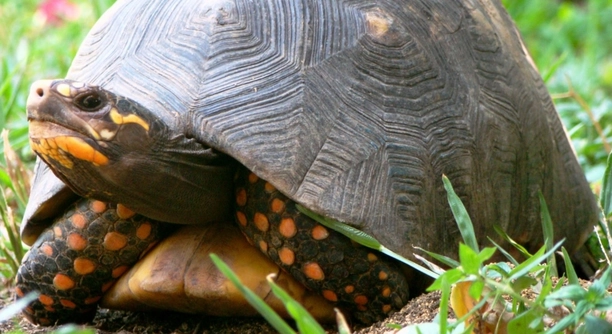
Do you hear your red-footed tortoise making clicking noises? It’s natural to wonder if something is wrong or if it’s just a normal sound. Let’s explore the possible causes of these sounds and what they could mean for your pet.
The clicking noises your red-footed tortoise makes can be attributed to a variety of reasons, ranging from health issues like respiratory infections to environmental stressors. It’s important to observe the behavior closely and seek advice from a veterinarian if necessary.
Understanding these sounds will help you identify any potential issues and ensure your tortoise is happy and healthy.
Respiratory Infections
Red-footed tortoises are prone to respiratory infections, which can cause clicking sounds when they breathe. If you hear persistent clicking or wheezing, it could be a sign of a respiratory issue. These infections are often caused by bacteria, fungi, or viruses. If untreated, they can worsen, leading to more serious health problems.
A respiratory infection can develop if the tortoise is exposed to a cold or damp environment. Improper humidity levels or drafts in its enclosure can contribute to these conditions. Make sure your tortoise has a warm and dry environment to help prevent these infections.
If your tortoise has trouble breathing, you may notice nasal discharge or lethargy in addition to the clicking noises. If this happens, it’s important to take them to a vet for a proper diagnosis and treatment. Early intervention can prevent further complications.
Dryness in the Habitat
The humidity level in the enclosure plays a key role in your tortoise’s health. If the environment is too dry, your tortoise may start making clicking sounds as a result of dehydration or difficulty breathing. Proper humidity helps them maintain healthy lungs and prevents respiratory issues.
Ensuring that the enclosure has adequate humidity, especially in colder months, is essential. Use a humidity gauge to monitor the levels and adjust the setup as needed. A water bowl and misting system can help maintain the right moisture balance.
If the humidity is too low, your tortoise may develop dryness in its respiratory system. This can cause irritation in the throat, leading to clicking noises. When the enclosure is too dry, it can also cause skin problems and difficulty shedding. Maintaining optimal humidity levels is vital for the health of your tortoise.
Mites and Parasites
Mites and other parasites can lead to discomfort in red-footed tortoises. If these pests affect their respiratory system, clicking noises may occur. You may notice other signs such as visible mites on the shell or skin.
Mites can cause irritation in the nasal passages or throat, leading to unusual sounds when the tortoise breathes. These pests often come from contaminated bedding or other animals. If you suspect mites, thoroughly clean the habitat and consider using appropriate treatments. Regular checks for parasites are important for keeping your tortoise comfortable and healthy.
Another common issue is internal parasites, which may also cause coughing or clicking when the tortoise attempts to breathe. If your tortoise shows any signs of lethargy, loss of appetite, or abnormal behavior, consider consulting a veterinarian. A vet can provide deworming treatment to eliminate any internal parasites and help your tortoise recover.
Respiratory Irritation
Sometimes, simple irritants in the environment can cause your tortoise to make clicking noises. Dust, smoke, or strong chemical smells can irritate their respiratory system, resulting in abnormal sounds when they breathe.
Check your tortoise’s habitat for potential sources of irritation. Cleaning supplies with strong scents or exposure to smoke can cause discomfort. Try to avoid using harsh chemicals in or around their enclosure. Additionally, dust from the substrate can irritate their lungs and make breathing difficult.
Maintaining a clean environment without any harsh odors is essential for preventing respiratory irritation. Ensure the substrate is changed regularly to avoid dust buildup, and use natural or safe cleaning products. A well-maintained, clean enclosure can significantly reduce the chances of irritation, leading to a happier, healthier tortoise.
Stress
Stress can lead to clicking noises in your tortoise. If they feel threatened, scared, or unsettled, they may make these sounds as a response. Signs of stress can also include hiding, lack of appetite, or erratic movements.
If your tortoise is exposed to constant noise, sudden changes in their environment, or aggressive interactions with other pets, they may become stressed. Reducing the stressors and providing a calm, quiet environment is key to helping your tortoise relax.
Providing enough space, hiding spots, and a consistent routine can help minimize stress. Avoid handling them too frequently, especially in the early days of adjusting to a new environment, to allow them to feel safe.
Overheating
Overheating can cause your tortoise to make unusual breathing sounds. If the temperature in the enclosure becomes too high, your tortoise may struggle to breathe properly, leading to clicking noises.
Tortoises require a specific temperature range to feel comfortable. If it becomes too hot, they might show signs of distress like excessive breathing or clicking. Check the temperature regularly and make adjustments if it gets too high.
Overheating can lead to dehydration and exhaustion, which can weaken your tortoise’s immune system. To prevent overheating, make sure there is a proper temperature gradient in the enclosure. Ensure that there’s a cooler spot available for your tortoise to retreat to when needed.
Dehydration
Dehydration is another common reason for clicking noises in tortoises. When a tortoise is not getting enough water, it can affect their overall health and lead to respiratory issues.
Make sure your tortoise always has access to fresh, clean water. A shallow water dish in the enclosure is crucial. You should also occasionally mist the habitat to maintain humidity levels, which will help prevent dehydration.
Dehydration can make breathing difficult and may cause your tortoise to produce strange sounds as they struggle. Regularly check water levels and encourage your tortoise to drink by placing fresh water near their favorite resting spot.
FAQ
Why is my red-footed tortoise making clicking noises when it breathes?
Clicking noises usually indicate a respiratory issue or environmental stress. Respiratory infections, mites, or even improper humidity levels in the enclosure can contribute to these sounds. If the clicking persists or your tortoise shows other symptoms like lethargy or nasal discharge, it’s important to consult a vet for a thorough examination.
How can I tell if my tortoise has a respiratory infection?
Signs of a respiratory infection in a red-footed tortoise include nasal discharge, wheezing, lethargy, loss of appetite, and clicking or wheezing sounds when breathing. If these symptoms occur, it’s best to consult with a veterinarian, as infections can worsen without proper treatment. The vet might recommend antibiotics or other treatments to help your tortoise recover.
What should I do if I think my tortoise is stressed?
Stress can cause your tortoise to make clicking noises. If your tortoise seems stressed, look for signs such as hiding, rapid movement, or not eating. To reduce stress, try to create a calm and quiet environment. Avoid handling them too often, and ensure they have enough hiding spots and space. It’s important to maintain a consistent routine and avoid sudden changes to their habitat.
How do I maintain the proper humidity level for my tortoise?
Maintaining proper humidity is vital for your red-footed tortoise’s health. A humidity range of 60-80% is ideal. You can achieve this by misting the enclosure with water daily and ensuring there’s a shallow water dish available. Consider using a hygrometer to monitor the humidity levels and adjust accordingly. If the air is too dry, consider adding a humidity box or increasing the frequency of misting.
Can my tortoise get mites?
Yes, red-footed tortoises can get mites, which may lead to respiratory issues or discomfort. Mites often appear on the skin and shell and can cause irritation. If you notice your tortoise scratching or showing signs of distress, check the skin and shell for tiny parasites. You can treat mites by cleaning the enclosure thoroughly and using appropriate mite treatments, such as reptile-safe sprays.
What temperature should I keep my tortoise’s enclosure at?
Your red-footed tortoise needs a temperature range of 75-85°F (24-29°C) during the day, with a basking spot reaching up to 90°F (32°C). At night, temperatures can drop to 70-75°F (21-24°C). It’s essential to provide a temperature gradient in the enclosure so your tortoise can regulate its body temperature. Use a thermometer to monitor these levels, and adjust heating sources as necessary.
How often should I clean my tortoise’s enclosure?
Cleaning your tortoise’s enclosure regularly is essential for preventing illness and maintaining a healthy environment. Spot clean daily by removing waste and uneaten food. A full cleaning should be done once a week, which includes changing the substrate, washing water bowls, and disinfecting surfaces with reptile-safe cleaners. Keeping the habitat clean reduces the risk of respiratory infections and parasites.
Is it normal for my tortoise to make clicking noises after eating?
If your tortoise only makes clicking noises after eating, it could be due to food particles getting caught in its throat or slight irritation from the food. This is usually not a cause for concern and should resolve itself once the tortoise clears its throat. However, if the clicking continues or is accompanied by other symptoms, it may indicate an underlying health issue.
Can dehydration cause clicking noises in my tortoise?
Yes, dehydration can cause clicking or wheezing sounds in a tortoise. When a tortoise is dehydrated, it may struggle to breathe properly, leading to unusual sounds. Ensure your tortoise always has access to clean, fresh water, and consider misting the enclosure to maintain proper humidity levels. If your tortoise seems dehydrated, make sure to provide additional water sources or soak it in warm water for a short period.
How can I tell if my tortoise is overheating?
Overheating is dangerous for red-footed tortoises and can cause them to make strange breathing sounds. Signs of overheating include excessive breathing, lethargy, or a refusal to eat. If the temperature in the enclosure becomes too high, your tortoise may become stressed and have difficulty regulating its body temperature. Make sure the enclosure has a proper temperature gradient, and provide a cool area for your tortoise to escape the heat.
What should I do if my tortoise has nasal discharge?
Nasal discharge in a tortoise is often a sign of a respiratory infection or irritation. If you notice a runny nose, make sure to clean the area gently and monitor your tortoise’s behavior. If the discharge persists or is accompanied by other symptoms like coughing or lethargy, take your tortoise to the vet for a diagnosis and treatment.
Can the enclosure size affect my tortoise’s health?
Yes, the size of your tortoise’s enclosure can affect its well-being. A cramped enclosure can cause stress, making your tortoise more prone to health issues like respiratory infections. Ensure your tortoise has enough space to move around comfortably. A larger enclosure with hiding spots and areas to explore will reduce stress and encourage natural behavior.
Should I take my tortoise to the vet if it makes clicking noises?
If your red-footed tortoise is making clicking noises and you notice other symptoms like lethargy, nasal discharge, or loss of appetite, it’s a good idea to take them to a vet. Early diagnosis and treatment can help prevent serious health problems, especially with respiratory infections. A vet will provide a clear plan for treatment to help your tortoise recover.
Are there any home remedies for respiratory issues in tortoises?
While it’s best to consult a veterinarian for respiratory issues, you can try improving your tortoise’s environment to help. Ensure the humidity and temperature are within the recommended ranges, as this can prevent further irritation. Avoid exposure to drafts or strong chemicals. Soaking your tortoise in warm water may also help with hydration and comfort. However, if the issue persists, seek professional help.
Final Thoughts
In conclusion, if your red-footed tortoise is making clicking noises, it’s important to consider the possible causes. These noises can be linked to a variety of factors, from respiratory infections to stress or environmental issues. Ensuring that your tortoise’s habitat is clean, well-maintained, and has the correct temperature and humidity levels is crucial for their overall health. Small adjustments to their environment can often help resolve minor issues. However, if the clicking noises persist or are accompanied by other symptoms like lethargy, nasal discharge, or loss of appetite, it is important to consult a veterinarian.
Regular health checks are important for any pet, and tortoises are no exception. While clicking noises can sometimes be harmless, they could also be a sign of an underlying health issue that needs attention. Observing your tortoise’s behavior, appetite, and overall health will give you a clearer picture of what might be going on. If you notice changes in their activity levels or behavior, don’t hesitate to seek professional advice. Early detection and treatment are key to preventing more serious health problems.
Lastly, always remember that a well-balanced environment plays a significant role in your tortoise’s well-being. Taking care of their habitat, providing the right diet, and ensuring a stress-free environment are all important aspects of pet care. By monitoring their health and making necessary changes, you can help your red-footed tortoise live a long, healthy, and happy life. Whether it’s improving the humidity, reducing stress, or seeking veterinary care when needed, a little attention goes a long way in keeping your tortoise comfortable and thriving.

Hello,
If you enjoy the content that we create, please consider saying a "Thank You!" by leaving a tip.
Every little bit helps us continue crafting quality advice that supports the health, happiness, and well-being of pets around the world, for pets of all shapes, sizes, and species.
We really appreciate the kindness and support that you show us!