
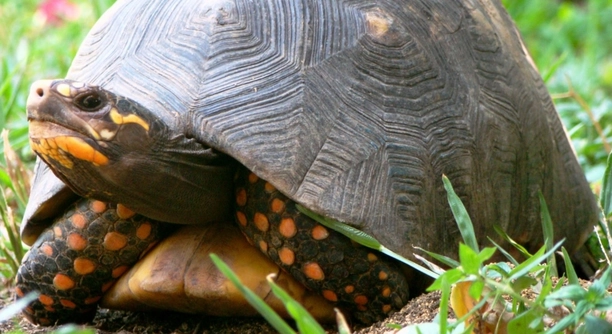
Red-footed tortoises are popular pets, known for their docile nature and easy care. As their owners, we often look for new foods to add to their diet. But, when it comes to treats, it’s important to be careful.
Red-footed tortoises can eat sunflower seeds in moderation, but they are not the best treat option. Sunflower seeds are high in fat, which could lead to obesity and other health issues if given too frequently.
There are other treats that are safer and more beneficial for red-footed tortoises. Understanding what to feed your tortoise will help keep them healthy and happy in the long run.
Sunflower Seeds and Tortoises: What You Need to Know
While sunflower seeds might seem like an easy and fun treat for red-footed tortoises, there are a few things to consider. These seeds are high in fats and can lead to health issues like obesity if given regularly. Since tortoises have a slow metabolism, fatty foods are harder for them to digest. Over time, this can lead to shell and organ problems. When you’re looking for a snack for your tortoise, it’s always better to choose foods that align more closely with their natural diet.
Sunflower seeds should not be a regular part of a red-footed tortoise’s diet. Even if they seem appealing, it’s important to limit their intake for overall well-being.
Instead of sunflower seeds, you should focus on offering your tortoise fresh vegetables and fruits that they can easily digest. Leafy greens like dandelion leaves, romaine lettuce, and kale are excellent options. Fruits such as mango, papaya, and berries also make great additions. These foods are high in nutrients and help support the tortoise’s overall health. You can occasionally offer seeds as a special treat, but they shouldn’t be a common part of their meals.
The Risks of Sunflower Seeds
Feeding sunflower seeds too often can contribute to weight gain in tortoises. Their digestive systems are not built for high-fat foods, which could cause digestive discomfort. Sunflower seeds are also high in phosphorus, which in large amounts can hinder calcium absorption.
By providing your red-footed tortoise with a balanced, varied diet, you ensure they get the right nutrients and maintain a healthy weight. A well-balanced diet filled with greens, fruits, and occasional flowers will be much more beneficial than seeds. Knowing the right choices to make when it comes to feeding your tortoise will set the foundation for their long-term health. Keep treats like seeds limited and consider them as an occasional snack rather than a staple in their diet.
Healthier Alternatives to Sunflower Seeds
Red-footed tortoises thrive on a diet that mimics their natural food sources. Offering a variety of fresh vegetables, fruits, and flowers is crucial for their health. These foods provide essential vitamins and minerals that support their immune system, shell development, and overall well-being.
Leafy greens are a top choice for tortoises, with options like collard greens, mustard greens, and hibiscus leaves being ideal. You can also offer safe fruits like strawberries, bananas, and figs. When choosing fruits, remember to offer them in moderation due to their higher sugar content. Flowers such as clover and dandelions can also make a great addition. These natural foods are low in fat and provide necessary nutrients, ensuring your tortoise stays healthy and active.
A varied diet helps prevent nutritional deficiencies and keeps your red-footed tortoise’s digestive system functioning properly. Foods like cactus pads and edible weeds are excellent, too, and they can provide additional hydration. Be sure to avoid feeding them foods that are high in oxalates, like spinach, which can hinder calcium absorption.
Feeding Habits and Proper Portions
When offering treats or new foods, moderation is key. Even healthy options should not make up more than 20-30% of your tortoise’s diet. Red-footed tortoises are grazers, so they require a steady supply of fresh food throughout the day.
Their portions should be small enough to allow for frequent eating, but not so large that they overeat. Overfeeding can lead to obesity, which is a common issue in pet tortoises. Keep in mind that the size and age of your tortoise will determine how much food they need. Younger tortoises tend to eat more frequently, while older ones may require fewer meals. It’s important to observe their behavior and adjust portion sizes to match their activity levels.
Once you’ve found a good feeding routine, stick to it. Consistent meal times help create a healthy structure for your tortoise, and regular monitoring will ensure they’re getting the right amount of food.
Common Mistakes in Tortoise Diets
Many owners make the mistake of feeding their tortoises too many fruits or not enough variety. A diet based mainly on fruits can lead to health issues, as they are too high in sugar. A lack of greens and other vegetables can result in nutrient deficiencies.
It’s essential to balance fruits with more appropriate foods. Leafy greens should be the primary staple, with fruits offered sparingly. Too many sugary treats can lead to weight gain or digestive issues. Offering a wide range of foods helps prevent deficiencies and keeps your tortoise healthy long term.
Hydration and Its Role
Hydration is just as important as diet for red-footed tortoises. They require a constant supply of fresh water to maintain proper hydration. You can also offer foods that contain water, like cucumber or watermelon.
Make sure their water is clean and fresh, and change it daily. Tortoises often soak themselves in water to help with digestion and hydration, so having access to a shallow water dish is also a good idea. This encourages them to drink more often and stay hydrated.
Sunflower Seeds in Moderation
Although sunflower seeds can be offered in moderation, they should never make up a large part of a tortoise’s diet. While seeds contain some beneficial fats and nutrients, they can lead to obesity if consumed too frequently.
FAQ
Can red-footed tortoises eat sunflower seeds regularly?
Red-footed tortoises should not eat sunflower seeds regularly. While sunflower seeds aren’t toxic, they are high in fat and phosphorus, which can cause obesity and interfere with calcium absorption. It’s better to treat sunflower seeds as an occasional snack rather than a main part of their diet. Offer them in moderation, no more than once every few weeks, and focus more on providing nutrient-rich vegetables and fruits that are better suited to their needs.
What are the best foods to feed a red-footed tortoise?
The best foods for red-footed tortoises are fresh, leafy greens and non-toxic fruits. Collard greens, mustard greens, dandelion greens, and hibiscus leaves are great options. As for fruits, try offering papaya, mango, strawberries, and bananas in moderation. Also, edible flowers like dandelions and clover are great treats for variety. These foods are rich in vitamins and minerals, which help maintain a healthy tortoise.
How often should I feed my red-footed tortoise?
Red-footed tortoises should be fed daily, especially when they are young and growing. As adults, they can be fed every other day. It’s important to give them a consistent schedule and avoid overfeeding. Provide a variety of fresh foods each day, with leafy greens as the base of their diet. Ensure they always have access to fresh water, and monitor their weight to avoid obesity.
Can red-footed tortoises eat fruits?
Yes, red-footed tortoises can eat fruits, but they should only be given in moderation. Fruits are high in sugar and can cause digestive issues or weight gain if fed too often. Try offering fruits like strawberries, mango, and papaya as treats once or twice a week, but keep the portion size small. Stick to safe fruits and avoid anything high in oxalates, like rhubarb.
Is it safe to feed a red-footed tortoise cooked vegetables?
It is generally best to feed red-footed tortoises fresh vegetables. Cooking can destroy important nutrients that are vital for their health. If you need to soften certain vegetables, it’s better to steam them lightly rather than cook them fully. Raw vegetables like leafy greens, squash, and carrots are better suited for their digestion.
Can red-footed tortoises eat flowers?
Red-footed tortoises can eat certain flowers, and they enjoy them as a treat. Flowers like dandelions, hibiscus, and clover are safe and nutritious for tortoises. Just make sure the flowers you offer are pesticide-free and safe for consumption. Avoid flowers that may be toxic to tortoises, such as lilies or daffodils.
Should I give my red-footed tortoise supplements?
Generally, if you are feeding your red-footed tortoise a balanced diet, they won’t need supplements. A well-rounded diet of leafy greens, fruits, and occasional flowers should provide the necessary vitamins and minerals. However, calcium supplementation may be necessary, especially if your tortoise is not getting enough calcium from their food. Consult a vet before adding any supplements to your tortoise’s diet.
Can red-footed tortoises eat spinach?
Spinach should be avoided or given in very small amounts because it is high in oxalates. Oxalates can bind with calcium and prevent its absorption, leading to potential health issues. While spinach does contain nutrients, it’s better to stick to other leafy greens like kale, collard greens, and mustard greens, which are more beneficial and safer for tortoises.
How do I know if I’m overfeeding my red-footed tortoise?
Overfeeding your red-footed tortoise can lead to obesity, which can cause serious health problems like shell deformities or heart issues. To avoid overfeeding, pay attention to their weight and body shape. Tortoises should have a slightly rounded shell but not be excessively overweight. If your tortoise is not moving as much or seems sluggish, it may be a sign of overfeeding. Monitoring their food intake and adjusting portion sizes can help prevent this.
Can I feed my red-footed tortoise dog or cat food?
No, it’s not safe to feed red-footed tortoises dog or cat food. These types of food are high in protein, fat, and other nutrients that are not suitable for tortoises. Red-footed tortoises are herbivores, and their digestive systems are designed for plant-based diets. Stick to providing a variety of fresh vegetables, fruits, and flowers to meet their nutritional needs.
What should I avoid feeding my red-footed tortoise?
Avoid feeding your red-footed tortoise high-fat foods, processed foods, and anything high in oxalates or phosphorus. Foods like sunflower seeds, dairy, and meat should never be given. Additionally, some common plants, such as ivy and poinsettias, can be toxic to tortoises. Always double-check if the plants or foods you plan to offer are safe and non-toxic before feeding them.
Can red-footed tortoises eat lettuce?
Yes, red-footed tortoises can eat lettuce, but it should not be a primary food source. Romaine lettuce is a good option, as it has more nutritional value than iceberg lettuce, which offers little nutritional benefit. Lettuce should be fed sparingly, as it lacks the vitamins and minerals tortoises need for proper health.
Can red-footed tortoises eat grass?
Red-footed tortoises can eat grass, but it should only be a small portion of their diet. They will naturally graze on grasses in the wild, but it shouldn’t be the main food they consume. If offering grass, ensure it is free from pesticides and chemicals that could harm your tortoise. Fresh grass can provide fiber and help with digestion, but it should be supplemented with other vegetables and fruits.
How do I introduce new foods to my red-footed tortoise?
When introducing new foods to your red-footed tortoise, do so gradually. Start by offering small amounts of the new food alongside foods they are already familiar with. This way, you can monitor their reaction and avoid upsetting their digestive system. Tortoises can be picky eaters, so it may take time for them to accept new foods.
Is it okay to feed my red-footed tortoise wild plants?
You can feed your red-footed tortoise some wild plants, but you need to be careful. Only offer plants that you are certain are safe and non-toxic. Avoid plants that may have been exposed to pesticides or chemicals. Wild plants like dandelions and clover can be great additions to their diet, but always do your research before picking plants.
Final Thoughts
Red-footed tortoises can eat sunflower seeds, but they should not be a regular part of their diet. While these seeds offer some nutrients, they are high in fat and phosphorus, which can lead to health problems over time. When it comes to feeding your tortoise, moderation is key. Occasional treats like sunflower seeds are fine, but they should not make up a large portion of their meals. Focusing on a well-balanced diet with fresh vegetables, fruits, and edible flowers is the best approach for keeping your tortoise healthy.
A varied diet is essential for the long-term health of your red-footed tortoise. Leafy greens like dandelion, collard, and mustard greens should be a staple, as they are rich in the necessary vitamins and minerals. Fruits like papaya, mango, and strawberries can also be included, but only in small amounts. Giving your tortoise a range of different foods will ensure they are getting all the nutrients they need. Be cautious about foods high in sugar or fat, as these can lead to obesity and other health issues if given too often.
Finally, it’s important to establish a feeding routine and stick to it. Red-footed tortoises thrive on consistency, and regular feeding times will help them feel secure. Be sure to monitor their weight and activity levels to ensure they are not overfed or underfed. Offering fresh water daily and keeping their living space clean will also contribute to their overall health. By providing a balanced, nutrient-rich diet and being mindful of what foods you offer, you can help your tortoise live a long and happy life.

Hello,
If you enjoy the content that we create, please consider saying a "Thank You!" by leaving a tip.
Every little bit helps us continue crafting quality advice that supports the health, happiness, and well-being of pets around the world, for pets of all shapes, sizes, and species.
We really appreciate the kindness and support that you show us!