
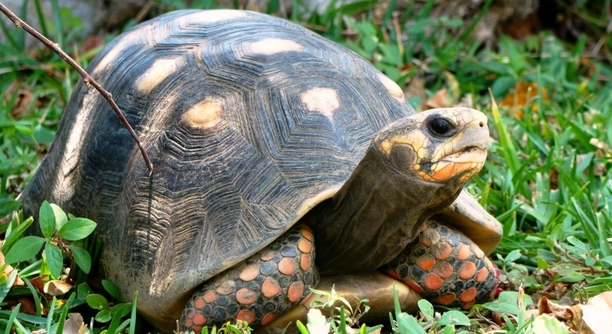
Monitoring your red-footed tortoise’s health at home is essential for ensuring its well-being. With a little effort, you can make sure your tortoise stays healthy and happy.
To monitor a red-footed tortoise’s health at home, observe its behavior, diet, hydration, shell condition, and weight regularly. Providing proper lighting, temperature, and cleanliness in its habitat will also promote its overall health.
A few simple steps will help you ensure that your tortoise lives a long, healthy life. Keep reading to learn more about how to care for your tortoise’s well-being.
Monitoring Behavior and Activity
Red-footed tortoises are naturally curious and active creatures. A healthy tortoise will explore its surroundings, eat, and rest regularly. If your tortoise is more lethargic than usual, it could be a sign of stress, illness, or an improper habitat. Keep track of any significant changes in its movement, such as not moving much or hiding excessively. A lack of interest in food can also signal a health issue. It’s important to observe your tortoise’s behavior for at least 15 minutes every day. This simple step can help you identify potential problems early on and take action.
Signs of unusual behavior can often be the first indicators of health issues. If your tortoise is inactive for long periods or avoids food, consider adjusting its environment and seeking advice from a reptile veterinarian. These behaviors shouldn’t be ignored.
Keeping track of your tortoise’s behavior is essential for monitoring its health. Activity levels can tell you a lot about how it’s feeling. By observing for any changes, you’ll be better prepared to act quickly if needed.
Diet and Hydration
Proper diet and hydration are crucial to your tortoise’s health. Ensure your red-footed tortoise has access to fresh, clean water and a balanced diet that includes leafy greens, fruits, and occasional protein sources.
An imbalanced diet can lead to digestive problems, vitamin deficiencies, or even shell deformities. Make sure the food you provide is rich in calcium and fiber while avoiding too many high-oxalate foods, which can cause health problems. Also, the water should be changed daily to prevent bacteria buildup.
A healthy diet includes a variety of foods to meet all nutritional needs. Offering the right mix will help your tortoise thrive. Avoid overfeeding or providing foods high in fat, as they can lead to obesity and other health issues. Keep the hydration levels consistent to ensure proper digestion and overall well-being.
Shell Condition
The condition of your tortoise’s shell is an important indicator of its overall health. Regularly check for cracks, soft spots, or discoloration. A healthy shell should be hard, smooth, and free of any irregularities.
If you notice any abnormalities, it could be a sign of injury, poor diet, or a bacterial infection. Keep an eye out for scutes (the plates on the shell) that may be lifting or peeling. A balanced diet rich in calcium is key to shell health, as is providing enough sunlight or UVB lighting to aid in proper shell growth.
Improper humidity or lack of proper UVB light can also affect your tortoise’s shell. Shell rot is another common issue caused by damp or dirty living conditions. Make sure your tortoise has a clean environment to avoid fungal and bacterial infections that can impact its shell. Proper care and attention to shell condition can prevent serious health problems.
Weight Monitoring
Weighing your tortoise regularly helps you monitor its health. Weight loss or sudden gain may indicate an issue that requires attention.
A healthy tortoise should maintain a steady weight. Significant fluctuations can be linked to poor diet, dehydration, or illness. Weighing it on a digital scale every few weeks will give you an accurate picture of its health. If there’s a noticeable change, consult a vet to rule out any potential issues.
Make sure your tortoise has a suitable diet to support healthy weight maintenance. If you’re unsure about how much your tortoise should weigh, consult with a veterinarian. It’s essential to track these changes to detect issues early on.
Habitat Cleanliness
A clean habitat is essential for your tortoise’s health. Regularly clean its enclosure to prevent bacteria and mold buildup. This includes changing bedding, wiping surfaces, and cleaning water dishes.
Dirty environments can lead to respiratory issues or infections. A proper cleaning routine keeps your tortoise safe from harmful germs.
Ensure the enclosure has proper drainage and ventilation to prevent stagnant water. It’s important to clean your tortoise’s habitat at least once a week to maintain a healthy environment.
Temperature and Lighting
Proper temperature and lighting are vital for your red-footed tortoise’s well-being. The enclosure should maintain a temperature between 75°F to 85°F, with a basking spot reaching up to 95°F.
UVB lighting is also essential for calcium absorption, which affects your tortoise’s shell and overall health. Without UVB, your tortoise could develop metabolic bone disease. Ensure that the light is replaced every six months to maintain its effectiveness. This lighting should be on for 10-12 hours each day to mimic natural sunlight and support proper digestion.
Observation of Respiratory Health
Respiratory problems can often be a sign of poor habitat conditions. If your tortoise is wheezing, coughing, or showing signs of nasal discharge, these could indicate a respiratory infection.
Make sure its habitat has proper humidity and ventilation. Avoid exposing your tortoise to drafts or cold environments, as these can lead to respiratory issues.
FAQ
How often should I feed my red-footed tortoise?
A red-footed tortoise should be fed daily, with a variety of leafy greens, fruits, and occasional protein sources. Make sure to provide fresh food each day to ensure proper nutrition. Avoid overfeeding, as it can lead to obesity.
What are the signs of an unhealthy tortoise?
An unhealthy tortoise may show signs such as lethargy, loss of appetite, weight loss, or changes in behavior. A shell with cracks, discoloration, or soft spots may also indicate health issues. Any abnormal symptoms should be addressed immediately with a vet.
Can I keep my red-footed tortoise outside?
Yes, you can keep your tortoise outside, but only in a secure, safe, and temperature-controlled environment. Ensure there is plenty of shade, and the habitat remains free of predators. Always monitor weather conditions and bring your tortoise inside during extreme heat or cold.
How can I prevent shell rot in my tortoise?
Shell rot is caused by bacterial or fungal infections and is often linked to damp, dirty environments. To prevent shell rot, keep your tortoise’s habitat clean, ensure it’s not too humid, and provide proper UVB lighting. If you notice any signs of shell rot, seek immediate veterinary care.
What is the best substrate for a red-footed tortoise?
A good substrate for a red-footed tortoise includes a mix of coconut coir, orchid bark, or a soil-based mix. The substrate should be easy to clean, hold moisture, and allow the tortoise to dig and burrow. Avoid sand or loose gravel, as they can cause digestive issues if ingested.
How long can a red-footed tortoise live?
A red-footed tortoise can live anywhere between 50 to 75 years, sometimes even longer with proper care. Their longevity depends on factors like diet, habitat conditions, and general health. Regular check-ups and maintaining optimal living conditions are key to a long, healthy life.
How do I know if my tortoise is dehydrated?
Signs of dehydration in a red-footed tortoise include sunken eyes, dry skin, and a lack of appetite. It may also become more lethargic than usual. Always provide clean, fresh water daily and ensure that your tortoise is soaking in a shallow dish to keep hydrated.
Can I handle my red-footed tortoise often?
You can handle your red-footed tortoise, but not excessively. Tortoises are generally solitary animals and may get stressed with frequent handling. It’s important to allow your tortoise time to acclimate to you, handling it gently when necessary, and always keeping it safe from harm.
What is the ideal temperature for a red-footed tortoise’s enclosure?
A red-footed tortoise’s enclosure should have a temperature range of 75°F to 85°F, with a basking spot that reaches around 95°F. At night, temperatures can drop slightly but should not fall below 70°F. Ensure that the tortoise can move between warmer and cooler areas to regulate its body temperature.
How do I provide UVB lighting for my tortoise?
UVB lighting is crucial for a red-footed tortoise to synthesize vitamin D3 and absorb calcium. Use a high-quality UVB bulb specifically designed for reptiles. Place the light within 12-18 inches of the basking area and ensure it is on for 10-12 hours a day. Replace the bulb every 6-12 months, as UVB output diminishes over time.
Why is my red-footed tortoise not eating?
There could be several reasons for a loss of appetite, including stress, illness, improper diet, or environmental factors. Ensure the enclosure is clean, the temperature is right, and the diet is varied and nutritious. If the tortoise continues to refuse food, consult a vet to rule out any underlying health issues.
Is it necessary to bathe my red-footed tortoise?
Occasional bathing is beneficial, especially if your tortoise isn’t drinking enough water. A shallow bath with warm water can help with hydration and encourage urination. However, avoid frequent bathing, as too much water exposure can cause stress or skin issues. Always supervise the bath and keep the water level low.
How do I create a suitable basking area for my red-footed tortoise?
A basking area should be heated to around 95°F, with a UVB light positioned above the basking spot. The area should be dry and allow the tortoise to rest and absorb heat. Ensure there is a gradient between the basking spot and cooler areas so your tortoise can regulate its temperature.
What should I do if my tortoise is acting sick?
If your tortoise shows signs of illness, such as unusual lethargy, discharge from the eyes or nose, or difficulty breathing, seek professional veterinary care immediately. Prompt action can help prevent serious health issues from worsening. Make sure to provide all relevant information about its habitat, diet, and behavior to the vet.
Can red-footed tortoises live with other pets?
It’s generally best to keep red-footed tortoises in their own enclosures, away from other pets. They can be territorial and may not get along well with other animals. If you do introduce them to other pets, make sure the interaction is supervised, and both animals are safe from injury.
What should I do if my tortoise’s shell is cracked?
If your tortoise’s shell is cracked, take immediate action to prevent infection. Clean the area gently and apply a topical antiseptic if necessary. Depending on the severity of the crack, you should take your tortoise to a vet for proper care and potential shell repair.
How much space does a red-footed tortoise need?
A red-footed tortoise requires a spacious enclosure to roam and explore. A minimum of 40 square feet of space is recommended for an adult tortoise. The enclosure should have both basking and cooler areas, as well as places to hide for added security and comfort. Larger is always better when it comes to tortoise habitats.
Final Thoughts
Taking care of a red-footed tortoise at home requires attention to detail and consistency. These gentle reptiles thrive when their environment is clean, their diet is balanced, and they have the right amount of light and warmth. Regularly observing their behavior and checking their physical condition, such as their shell and weight, will help you catch any issues early. While red-footed tortoises are relatively low-maintenance, they do need a little extra care to ensure they live long, healthy lives. By following basic health-monitoring tips, you can keep your tortoise in great shape and ensure it feels comfortable in its home.
A few simple adjustments to the way you care for your tortoise can make a big difference. Proper lighting and temperature, along with a clean habitat, are essential factors in their well-being. Their diet should be diverse and nutritious, with access to fresh water every day. It’s also important to regularly monitor their weight and shell condition to spot any potential health problems. Ensuring their habitat is the right size, temperature, and cleanliness can prevent a lot of common health issues and keep your tortoise feeling happy.
Remember, taking the time to understand your tortoise’s needs and habits is key to successful care. It’s easy to get caught up in everyday life, but checking in on your tortoise’s health and environment will help keep them safe and content. By providing a balanced diet, the right lighting, and plenty of attention, your tortoise can enjoy a long and happy life with you. If you ever notice unusual behavior or symptoms, don’t hesitate to seek advice from a veterinarian. This proactive approach will help ensure that your red-footed tortoise remains a healthy and thriving part of your home.

Hello,
If you enjoy the content that we create, please consider saying a "Thank You!" by leaving a tip.
Every little bit helps us continue crafting quality advice that supports the health, happiness, and well-being of pets around the world, for pets of all shapes, sizes, and species.
We really appreciate the kindness and support that you show us!