
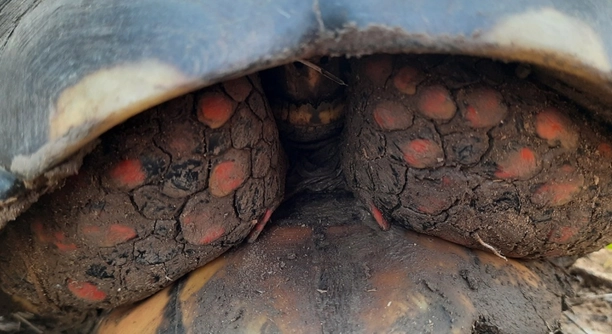
Red-footed tortoises are known for their varied diet, including fruits, plants, and sometimes even insects. But what about seaweed? Can it be a safe treat for them, or should it be avoided?
Red-footed tortoises can safely eat seaweed in small amounts. Seaweed is rich in minerals and vitamins, but excessive consumption can lead to health issues like imbalanced nutrition or kidney problems. Moderation is key.
Understanding how to feed your red-footed tortoise a balanced diet ensures it stays healthy and happy. Let’s explore the benefits and risks of adding seaweed to their meals.
Can Red-Footed Tortoises Eat Seaweed?
Red-footed tortoises are omnivores, which means they eat both plant and animal-based foods. Seaweed, being rich in minerals like iodine, calcium, and magnesium, may seem like a beneficial addition to their diet. However, it’s essential to consider the potential impacts before introducing it regularly. While it’s safe in small amounts, seaweed should not be the primary food source, as it doesn’t provide all the necessary nutrients for these tortoises. Additionally, the iodine content in seaweed can be excessive if consumed too frequently, leading to thyroid imbalances.
Seaweed is a good occasional treat for red-footed tortoises, offering some extra nutrients that help them stay healthy. However, it’s crucial to feed it in moderation, as too much can affect their health negatively.
Red-footed tortoises thrive on a balanced diet that includes a variety of fruits, vegetables, and occasional protein sources like insects. They also need proper calcium levels for healthy shell growth. While seaweed may provide beneficial minerals, it should never replace their regular food. Using seaweed as an occasional snack will add variety but should be done carefully, considering the balance of their nutritional needs.
Health Risks of Seaweed for Red-Footed Tortoises
Overconsumption of seaweed can lead to various health concerns in red-footed tortoises, especially issues with thyroid function due to excess iodine. The iodine in seaweed can alter hormone levels, which can have long-term effects on the tortoise’s overall health.
If your tortoise consumes too much seaweed, the excess iodine may disrupt its thyroid and lead to a condition called hypothyroidism. This can cause a range of symptoms, including sluggishness, poor growth, and even shell deformities. Additionally, the high salt content in some types of seaweed can harm their kidneys if not kept in check. This is why it’s crucial to offer seaweed only as a supplement to their regular diet, never as a primary food source.
Given these risks, it’s important to observe your red-footed tortoise closely after introducing any new foods, including seaweed. Too much of anything, even something as nutritious as seaweed, can upset the delicate balance of their diet and health. Always ensure a varied, balanced diet to keep them thriving.
Nutritional Benefits of Seaweed for Red-Footed Tortoises
Seaweed contains a variety of beneficial nutrients, including vitamins A, C, and E, which support overall health in red-footed tortoises. Additionally, it’s a good source of fiber, which aids digestion. Small amounts can provide some added vitamins and minerals to their diet, but it shouldn’t replace other essential foods.
The iodine in seaweed can help support healthy metabolism, while calcium and magnesium contribute to strong bones and shell development. These nutrients are vital for red-footed tortoises, but it’s important to remember that seaweed should only be an occasional supplement to their regular meals. Too much of these nutrients can cause imbalances.
Seaweed can also provide antioxidants that support the immune system. However, it’s best to serve it in moderation, as tortoises need a broader range of nutrients, including protein and a variety of plants. A healthy mix of fruits, vegetables, and leafy greens should always form the core of their diet.
How to Safely Feed Seaweed to Your Tortoise
When feeding seaweed to your red-footed tortoise, make sure it’s fresh and properly cleaned. Avoid giving them processed seaweed snacks, which may contain preservatives or added salt. Always opt for a natural, unsalted variety to ensure it’s safe.
Seaweed should be offered in very small amounts, no more than once or twice a week. Overfeeding can lead to health issues like kidney stress and thyroid problems. To keep your tortoise healthy, chop the seaweed into bite-sized pieces before offering it, allowing them to consume it more easily.
It’s essential to observe your tortoise’s reaction after eating seaweed. If you notice any changes in behavior, such as lethargy or a decrease in appetite, it might be a sign that seaweed isn’t agreeing with them. Always monitor your pet’s health closely when adding new foods to their diet.
Types of Seaweed Safe for Red-Footed Tortoises
Not all types of seaweed are safe for red-footed tortoises. The most common varieties you can offer are nori, wakame, and kelp. These types are generally safe in moderation and provide the necessary nutrients. Always avoid seaweed with added salt or chemicals.
Nori, often used in sushi, is a popular choice for tortoises due to its low iodine content. Wakame, commonly found in soups, is another safe option that provides minerals without overwhelming the tortoise’s system. Kelp can be given in small amounts, but be cautious as it may contain higher levels of iodine.
Always ensure the seaweed you offer is free from additives or preservatives. Washing it thoroughly before feeding helps remove any harmful substances. Keeping the variety simple and natural will help protect your tortoise’s health.
The Role of Seaweed in a Balanced Diet
Seaweed is a good source of supplemental nutrients for red-footed tortoises, but it shouldn’t be the primary part of their diet. A balanced diet includes fresh vegetables, fruits, and occasional protein sources. Seaweed can fill in the gaps but should not replace more essential foods.
A tortoise’s primary nutritional needs come from leafy greens, such as dandelion leaves, kale, and collard greens, which provide the right balance of vitamins and minerals. Fruits like papaya and berries offer vitamins, while protein from insects or occasional eggs supports growth and health.
Seaweed can enhance their diet, but it should only complement other food items, ensuring your red-footed tortoise gets a well-rounded, nutritious intake.
How Often Should Seaweed Be Offered?
Seaweed should only be fed occasionally to red-footed tortoises, about once or twice a week. Offering it too often can lead to health problems. Balancing its consumption with other foods ensures your tortoise stays healthy and avoids any potential issues with excess iodine or salt intake.
FAQ
Can seaweed be toxic to red-footed tortoises?
Seaweed is not inherently toxic to red-footed tortoises, but if consumed in excess, it can lead to problems. The main issue comes from the iodine content in seaweed, which can affect the tortoise’s thyroid function. High levels of iodine can lead to conditions like hypothyroidism, causing sluggishness and poor growth. Seaweed also contains a fair amount of salt, which can be harmful to your tortoise’s kidneys if consumed too frequently. Offering seaweed as an occasional treat, rather than a regular part of the diet, can help minimize any potential risks.
How much seaweed can I safely feed my red-footed tortoise?
It’s best to limit seaweed to small amounts—no more than once or twice a week. A small piece or a few strips should be enough to provide some extra nutrients without overloading your tortoise’s system. Giving it too often can lead to iodine or salt buildup, which may cause health problems. Moderation is key to ensuring your tortoise benefits from seaweed without any negative effects.
Is dried seaweed safe for red-footed tortoises?
Dried seaweed is generally safe as long as it doesn’t contain added preservatives, salt, or chemicals. It’s important to check the label if you’re buying packaged dried seaweed. If you’re harvesting it yourself, make sure it’s clean and free from any harmful substances before feeding it to your tortoise. If in doubt, it’s always a good idea to wash the seaweed thoroughly before offering it to your pet. Dried seaweed can be a little more concentrated in nutrients, so be cautious about how much you feed.
Can seaweed help with shell health?
While seaweed provides some beneficial minerals like calcium and magnesium, which support bone and shell health, it shouldn’t be relied upon as the primary source of these nutrients. A balanced diet rich in leafy greens and other calcium-rich foods is more important for your tortoise’s shell development. Seaweed can offer a small boost, but it’s not a substitute for more essential foods like collard greens, dandelion leaves, and other calcium-rich vegetables.
What types of seaweed are best for red-footed tortoises?
The best types of seaweed for red-footed tortoises include nori, wakame, and kelp. Nori is often used in sushi and is low in iodine, making it a safer option. Wakame, typically found in soups, provides a similar nutrient profile without being too rich in iodine. Kelp, while nutritious, should be fed in moderation due to its higher iodine content. When feeding seaweed, always choose varieties that are free from additives, preservatives, or extra salt. Wash them thoroughly before offering them to your tortoise.
Can seaweed be part of my red-footed tortoise’s daily diet?
Seaweed should not be a part of your tortoise’s daily diet. While it does contain beneficial nutrients like vitamins and minerals, it is not a complete food and can’t provide everything your tortoise needs for a healthy life. Your tortoise needs a well-rounded diet with plenty of fresh greens, fruits, and occasional protein. Seaweed is best used as an occasional supplement to their meals, offering extra nutrients when needed. Over-relying on seaweed can lead to imbalanced nutrition.
What are the signs that my tortoise ate too much seaweed?
If your tortoise eats too much seaweed, you may notice changes in its behavior and health. Common signs include lethargy, poor appetite, and slow movement, which may indicate thyroid issues. Shell deformities or growth problems can also be a sign of an iodine imbalance. If you suspect your tortoise has eaten too much seaweed, it’s important to monitor them closely and consult a vet if you notice any worrying symptoms.
Is seaweed good for red-footed tortoises with kidney problems?
If your red-footed tortoise has kidney issues, it’s best to avoid feeding them seaweed. Seaweed can be high in salt, which can put extra stress on the kidneys. Even in healthy tortoises, excessive salt can be harmful if consumed too frequently. For tortoises with kidney problems, it’s best to stick to a diet that is low in salt and focused on easily digestible, hydrating foods like leafy greens and fresh fruits.
Can I feed my tortoise seaweed that I collect myself?
If you collect seaweed yourself, make sure it’s from a clean, unpolluted source. Avoid areas where chemicals, oil, or waste might contaminate the seaweed. Clean it thoroughly by rinsing off any sand, debris, or salt before offering it to your tortoise. It’s also important to only collect seaweed from safe, legal, and non-toxic areas to avoid feeding your tortoise harmful substances. Always double-check the type of seaweed you’re picking, as some varieties can be too rich in iodine for regular feeding.
Are there any alternatives to seaweed for supplementing my tortoise’s diet?
If you’re looking for alternatives to seaweed, there are plenty of other foods you can add to your red-footed tortoise’s diet to ensure they get the necessary vitamins and minerals. Leafy greens like collard greens, kale, and dandelion leaves are great sources of calcium and other essential nutrients. Fruits like papaya, berries, and melons offer vitamins and hydration. Additionally, you can occasionally feed your tortoise insects or worms for protein. A varied diet will help your tortoise stay healthy without relying on seaweed as a supplement.
Final Thoughts
Red-footed tortoises can safely eat seaweed, but it should only be offered in moderation. Seaweed contains essential nutrients like iodine, calcium, and magnesium, which can benefit your tortoise in small amounts. However, excessive consumption can cause health issues, such as thyroid imbalances or kidney stress. Therefore, it’s important to make sure seaweed does not become a regular part of your tortoise’s diet. Treating seaweed as an occasional snack is the safest way to provide it to your pet.
A balanced diet for red-footed tortoises should consist mainly of leafy greens, fruits, and occasional sources of protein. Foods like dandelion leaves, kale, papaya, and berries provide essential vitamins and minerals without the risk of iodine overload. Additionally, offering a variety of fruits, vegetables, and some protein ensures your tortoise gets the nutrition it needs for healthy growth and shell development. Seaweed can be used as an occasional treat to add variety, but it should never replace these core food items.
In the end, moderation is key when it comes to feeding seaweed to red-footed tortoises. While it can be a healthy addition to their diet, feeding too much can lead to long-term health problems. Always be cautious about the type of seaweed you offer and ensure it is free from additives or salt. Regularly providing a well-rounded diet and observing how your tortoise responds to new foods will help ensure its health and happiness.

Hello,
If you enjoy the content that we create, please consider saying a "Thank You!" by leaving a tip.
Every little bit helps us continue crafting quality advice that supports the health, happiness, and well-being of pets around the world, for pets of all shapes, sizes, and species.
We really appreciate the kindness and support that you show us!