
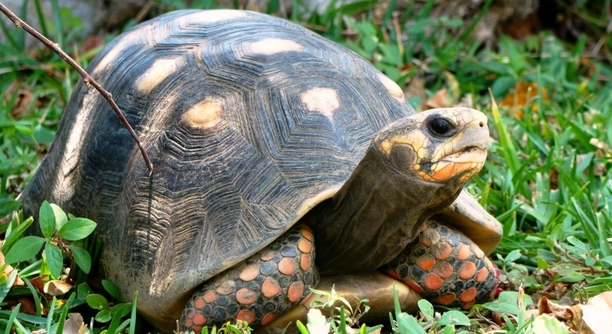
Red-footed tortoises are fascinating creatures that require a specific diet to thrive. Their health is heavily influenced by the food they consume, so it’s important to get it right. However, many tortoise owners make common mistakes when feeding them.
The most common mistakes in red-footed tortoise diets include offering improper food, neglecting variety, and not meeting their calcium and protein needs. These errors can lead to health issues such as obesity, shell deformities, or malnutrition.
Understanding these common mistakes can help improve your tortoise’s diet. Correcting these errors will lead to better overall health and longevity for your pet.
1. Offering the Wrong Foods
Feeding your red-footed tortoise the wrong foods is one of the most common mistakes. They need a balanced diet made up of fruits, vegetables, and some protein. Some foods that might seem okay, like lettuce, are actually too low in nutrition for them. Red-footed tortoises also require food that mimics what they would eat in the wild. Too much fruit can lead to problems like obesity, and overfeeding high-protein items can cause kidney issues. It’s important to focus on providing a variety of foods to keep their diet well-rounded and healthy.
Many owners tend to offer too many sugary fruits, like apples or bananas. These are okay in small amounts but shouldn’t make up the bulk of their meals. A diet high in fruits can cause your tortoise to become overweight, affecting its overall health.
It’s essential to research which foods are safe and beneficial for your pet. Offering leafy greens, squash, and mushrooms along with small amounts of fruit will provide them with the vitamins and minerals they need for optimal health. Always balance their food intake to prevent overfeeding any one food group.
2. Not Providing Enough Calcium
Calcium is crucial for red-footed tortoises, as it helps maintain a strong shell and healthy bones. Many owners forget to supplement calcium in their pet’s diet. Without enough calcium, your tortoise may experience shell deformities or other bone-related health problems.
Adding calcium powder to their food is one simple way to ensure they’re getting enough. Make sure it’s specifically formulated for reptiles to avoid any issues. It’s also important to provide access to UVB light, as it helps them process calcium properly.
Proper calcium intake is one of the simplest ways to prevent health problems in red-footed tortoises. Their shells and bones rely on calcium to stay strong. Without this essential nutrient, your tortoise is more vulnerable to conditions like metabolic bone disease. Make sure calcium is always a part of their diet, either through food or supplements.
3. Overfeeding Protein
Red-footed tortoises need protein, but too much can lead to kidney damage and other health issues. A diet rich in protein can overwhelm their system, especially if it’s not balanced with enough fiber. It’s best to limit protein sources like insects, meats, or eggs to occasional treats rather than regular meals.
When overfed, high-protein foods disrupt the balance of nutrients, leading to potential kidney problems. Protein overload can also affect the tortoise’s digestive system, causing discomfort and unhealthy weight gain. Always aim for moderation with protein intake and make sure to offer more plant-based foods, which provide fiber, vitamins, and minerals.
You should keep protein sources to a minimum and rely on leafy greens, vegetables, and occasional fruit for the bulk of their diet. Variety is key, and the more plant-based options you offer, the healthier your tortoise will be. Overfeeding protein can do more harm than good, so always follow proper guidelines for a balanced diet.
4. Lack of Variety in Their Diet
Offering the same foods every day can lead to nutritional deficiencies in red-footed tortoises. Variety in their diet is essential to ensure they get all the necessary nutrients. Just like with people, a varied diet will keep them interested in their food while promoting better overall health.
A diet limited to a few foods may lack important nutrients, causing deficiencies. Red-footed tortoises benefit from a mix of leafy greens, fruits, and vegetables. Try to rotate different types of greens and introduce new vegetables and fruits regularly. The diversity will help prevent boredom and support your pet’s long-term health.
Feeding them the same items constantly can lead to digestive problems and a lack of essential vitamins. Mix up their meals to include a range of safe vegetables, like collard greens or dandelion leaves, and fruits like papaya or mango. Adding mushrooms or edible flowers for variety is also a good idea. A diverse diet supports their health and makes feeding time more enjoyable.
5. Not Offering Enough Fiber
Fiber is crucial for red-footed tortoises to maintain a healthy digestive system. Without enough fiber, your tortoise may struggle with digestion, leading to discomfort or even impaction. Offering more fibrous plants will help keep their intestines working smoothly.
Vegetables like collard greens, mustard greens, and dandelion leaves are rich in fiber and should be part of their regular diet. High-fiber foods promote proper digestion and prevent potential health issues related to the gut. Without adequate fiber, tortoises can become lethargic and suffer from metabolic problems.
Make sure to prioritize fibrous foods and avoid overly starchy or sugary options. A lack of fiber can lead to weight gain and other complications, making it essential to create a diet rich in plant-based, fibrous ingredients.
6. Feeding Inconsistent Portions
Feeding your tortoise inconsistent portions can lead to an imbalanced diet. It’s important to have a routine when offering food to help maintain their health. By giving them the right amount of food consistently, you can avoid overfeeding or underfeeding.
Having a clear feeding schedule also helps your tortoise know when to expect food, which can help with their digestion. This routine ensures that they are getting the correct portions of vitamins, minerals, and other nutrients. Establishing consistency will also reduce the risk of health problems.
7. Incorrect Feeding Frequency
The frequency with which you feed your red-footed tortoise plays a significant role in their overall well-being. Tortoises that are fed too often may gain weight and become sluggish, while those that aren’t fed often enough may not get the nutrients they need.
FAQ
What should I feed my red-footed tortoise?
Red-footed tortoises require a varied diet made up of leafy greens, vegetables, and fruits. Some good choices include collard greens, mustard greens, dandelion leaves, squash, and mushrooms. Fruits like papaya, mango, and strawberries can be offered in moderation, but should not make up the majority of their diet. Insects and other protein-rich foods should be limited to occasional treats.
How often should I feed my red-footed tortoise?
Adult red-footed tortoises should be fed every other day, while younger tortoises may require daily feeding. It’s important to adjust the frequency based on your tortoise’s age, activity level, and overall health. Always ensure that the portions are appropriate for their size and needs to prevent overfeeding.
Can I feed my red-footed tortoise only fruit?
No, a fruit-only diet can lead to obesity and health problems for your tortoise. Fruits are high in sugar and should be given in small amounts as a treat, not as a staple food. A balanced diet of leafy greens and vegetables is essential for their health.
Can I feed my red-footed tortoise meat?
While red-footed tortoises are omnivores, they do not need much meat in their diet. It’s okay to offer small amounts of insects, worms, or cooked eggs occasionally, but too much protein can lead to kidney damage and other issues. Focus on plant-based foods for the majority of their diet.
How do I provide calcium to my red-footed tortoise?
Calcium is vital for red-footed tortoises to maintain strong shells and healthy bones. You can supplement their diet with calcium powder designed for reptiles, sprinkling it lightly over their food. Providing UVB light also helps them absorb calcium more effectively, so make sure they have access to it regularly.
Can I feed my red-footed tortoise lettuce?
You can feed your tortoise lettuce, but it should only be an occasional part of their diet. Most types of lettuce are low in nutrients and can cause diarrhea if fed too often. Instead, choose nutrient-dense greens like kale, collard greens, and dandelion leaves.
Can I feed my red-footed tortoise spinach?
Spinach is not toxic, but it contains oxalates, which can interfere with calcium absorption. If fed in large amounts, spinach can cause calcium deficiency over time. It’s okay to feed it occasionally, but make sure it’s part of a varied and balanced diet.
What’s the best way to provide fiber to my red-footed tortoise?
Fiber is essential for a red-footed tortoise’s digestive health. The best sources of fiber are high-fiber vegetables, such as dandelion leaves, collard greens, and squash. Offering these foods regularly will help keep your tortoise’s digestive system working properly and prevent issues like impaction.
Can I feed my red-footed tortoise flowers?
Yes, you can feed your tortoise edible flowers, but not all flowers are safe. Common safe options include hibiscus, pansies, and dandelions. Avoid flowers that have been treated with pesticides or chemicals. Always make sure the flowers are non-toxic and safe for reptiles.
What should I do if my red-footed tortoise refuses to eat?
If your red-footed tortoise isn’t eating, it could be a sign of stress, illness, or an issue with their diet. Check for any environmental factors that might be causing the problem, such as improper temperature, lighting, or humidity. You can try offering different foods or hand-feeding to encourage eating. If the issue persists, consult a veterinarian.
Is it okay to feed my red-footed tortoise commercial pellets?
Commercial pellets are not the best choice as the primary food source for your red-footed tortoise. While they can provide some nutrients, they should only be an occasional supplement to a diet made up of fresh greens, fruits, and vegetables. Focus on whole foods for a more balanced and natural diet.
Can I feed my red-footed tortoise cucumbers?
Cucumbers are safe to feed your tortoise in moderation, but they should not be a primary part of their diet. They have high water content and low nutritional value, so they should only be offered as a treat or alongside more nutritious foods.
How do I know if my red-footed tortoise is overweight?
Signs that your tortoise may be overweight include a visible bulging stomach, difficulty moving, and lethargy. An overweight tortoise may also develop health problems like metabolic issues and shell deformities. Make sure to monitor their diet and avoid overfeeding high-calorie foods.
Can I feed my red-footed tortoise tomatoes?
Tomatoes are safe in small amounts, but they should not be fed too often. While they contain important vitamins, tomatoes also have high acidity, which can upset your tortoise’s stomach. Offer them as an occasional treat, and always remove the leaves and stems, which are toxic.
What fruits can I feed my red-footed tortoise?
Safe fruits for red-footed tortoises include papaya, strawberries, blueberries, and mango. These should be given in moderation due to their sugar content. Offer a variety of fruits to ensure they get a range of nutrients, but make sure their primary food is vegetables and leafy greens.
Can my red-footed tortoise eat mushrooms?
Yes, red-footed tortoises can eat mushrooms, but only certain types. Make sure to avoid any wild mushrooms, as some can be toxic. Store-bought mushrooms like button mushrooms are safe and can be offered as part of their regular diet. Always introduce new foods slowly.
Should I feed my red-footed tortoise any processed food?
Processed foods are not suitable for red-footed tortoises. These foods can contain additives and preservatives that may be harmful to their health. Stick to fresh, natural foods for the best nutrition, avoiding any processed or packaged foods.
How can I tell if my red-footed tortoise is sick?
Signs of illness in red-footed tortoises include loss of appetite, lethargy, changes in shell appearance, and abnormal breathing. If you notice any of these symptoms, it’s important to seek veterinary care as soon as possible. Early intervention is key to preventing further health issues.
Final Thoughts
Taking care of a red-footed tortoise involves more than just providing food. It’s about making sure their diet is balanced, varied, and appropriate for their unique needs. Many of the common mistakes made by owners can be easily avoided by being aware of what your tortoise needs to stay healthy. When you focus on offering the right foods in the right amounts, you help ensure that your tortoise can thrive and live a long, happy life. Understanding their nutritional requirements and staying consistent with their feeding habits will prevent most health problems and keep your tortoise feeling their best.
It’s important to remember that every tortoise is different. While there are general guidelines for what they should eat, each one may have their own preferences or needs. Some tortoises may prefer certain vegetables or fruits, and it’s okay to try different things to see what they enjoy most. However, sticking to the basics of a balanced, plant-based diet with occasional protein treats is the safest approach. Keeping track of their feeding habits, observing how they react to different foods, and adjusting accordingly will help you get it just right. Regularly offering a variety of safe foods and making sure they get the proper nutrients, like calcium and fiber, will go a long way in keeping them healthy.
By avoiding common feeding mistakes and providing a well-rounded diet, you can help your red-footed tortoise avoid health issues like obesity, malnutrition, and shell deformities. Their diet plays a key role in their overall well-being, so taking time to learn about their nutritional needs will pay off in the long run. It’s not just about what you feed them, but how you feed them, and the balance you provide. Proper care and attention to detail in their diet will help ensure that your red-footed tortoise lives a long and healthy life. Always stay informed, observe your tortoise’s behavior, and adapt as necessary to give them the best care possible.

Hello,
If you enjoy the content that we create, please consider saying a "Thank You!" by leaving a tip.
Every little bit helps us continue crafting quality advice that supports the health, happiness, and well-being of pets around the world, for pets of all shapes, sizes, and species.
We really appreciate the kindness and support that you show us!