
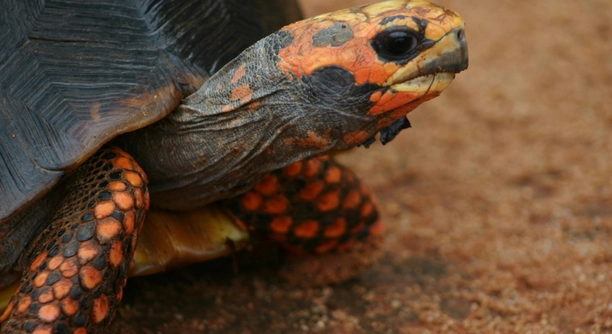
Red-footed tortoises are fascinating creatures with unique dietary needs. Knowing what foods are safe for them is essential to their health and well-being. One such food that may raise questions is peppers.
Red-footed tortoises can eat peppers in moderation, as they are not toxic to them. However, peppers should be offered sparingly, as they are high in water content and may cause digestive issues if overfed.
Feeding your red-footed tortoise the right foods can be a simple process once you understand the best options for their diet. There are a few things to consider when introducing peppers and other vegetables into their meals.
Can Red-Footed Tortoises Safely Eat Peppers?
Red-footed tortoises can eat peppers, but it’s important to be mindful of the type and amount offered. While peppers are not toxic to them, they are rich in water and may cause digestive problems if fed too frequently. It’s best to offer peppers in moderation as a treat rather than a regular part of their diet. There are many other foods that should make up the bulk of their meals to ensure they get the proper nutrition. Providing a balanced diet that includes leafy greens, fruits, and flowers is key to their overall health.
Peppers should be offered in small, manageable pieces to avoid any choking hazard. Additionally, always remove the seeds before serving them to your tortoise. The seeds can sometimes cause digestive issues and should be avoided.
Be cautious with peppers’ heat levels as well. Spicy peppers, like hot chili peppers, should be completely avoided. These can irritate their digestive system, leading to discomfort or health issues. Stick to mild peppers like bell peppers and provide variety in their diet.
Nutritional Benefits of Peppers for Red-Footed Tortoises
Peppers can offer some nutritional benefits, especially bell peppers, which are rich in vitamin C. This vitamin supports a healthy immune system, helping to prevent illnesses. In addition, peppers provide fiber, which aids digestion. However, peppers should not be the primary source of these nutrients.
Even though peppers contain some vitamins, they should only be offered in small amounts. A red-footed tortoise’s diet should be made up mostly of leafy greens like dandelion leaves, collard greens, and various flowers. Peppers are best as an occasional treat, not a staple.
Red-footed tortoises are naturally herbivorous and require a wide variety of plants to meet their nutritional needs. A diverse diet is essential for keeping them healthy and active. Including a small amount of peppers can add variety, but too much can throw off the balance of their nutrition.
How Often Can You Feed Peppers to a Red-Footed Tortoise?
Peppers should be offered as an occasional treat rather than a regular part of a red-footed tortoise’s diet. Once or twice a week is enough, ensuring it doesn’t make up more than 5-10% of their total food intake. Overfeeding can lead to digestive issues and imbalance.
The key is moderation. While peppers can be a fun addition to their meals, it’s important that the majority of their diet comes from more suitable foods like dark leafy greens, fruits, and flowers. Too much pepper can dilute the nutritional value of other foods, potentially leading to deficiencies.
Make sure that peppers are cut into small, bite-sized pieces to avoid any choking hazard. Removing seeds is essential as they could cause digestive discomfort. When offering peppers, always aim for variety and ensure your tortoise gets the right nutrients from other food sources.
Best Types of Peppers for Red-Footed Tortoises
Bell peppers are the best choice when offering peppers to your tortoise. They are mild in flavor, easy to digest, and rich in vitamin C. Avoid hot or spicy peppers, as they can irritate the digestive system and cause discomfort.
The color of the bell pepper doesn’t matter, as red, green, yellow, and orange peppers all provide similar nutrients. They are packed with antioxidants, vitamins, and minerals that support your tortoise’s health. However, it’s crucial to ensure that peppers are not the main focus of their diet.
Peppers like jalapeños or chili peppers should be strictly avoided. These can cause digestive distress and discomfort due to their spiciness. Stick to mild peppers like bell peppers and offer them in moderation to give your tortoise the best experience without any risk of health issues.
Can Red-Footed Tortoises Eat Other Vegetables with Peppers?
Yes, red-footed tortoises can eat a variety of vegetables alongside peppers. Offer a mix of leafy greens, squash, carrots, and other safe vegetables. This provides balance in their diet while giving them a range of nutrients and flavors.
Combining peppers with other vegetables ensures that your tortoise gets a more complete meal. Peppers alone don’t offer all the necessary vitamins and minerals, so adding in different veggies helps make the diet more diverse. A colorful assortment of vegetables also keeps things interesting for your tortoise.
Always avoid vegetables that are high in oxalates, like spinach, as they can cause kidney problems if fed too often. Stick with safe, nutritious vegetables that support their overall health.
Can Red-Footed Tortoises Eat Pepper Seeds?
Pepper seeds should be avoided when feeding your red-footed tortoise. They can sometimes cause digestive discomfort and may lead to blockages. Removing the seeds before feeding is essential for your tortoise’s safety and health.
Even mild peppers should have their seeds removed to prevent any risk of digestive issues. It’s always safer to offer just the flesh of the pepper, ensuring it’s properly prepared before feeding. This way, your tortoise can enjoy the pepper without the added concern of possible harm from the seeds.
FAQ
Can red-footed tortoises eat spicy peppers?
No, red-footed tortoises should never eat spicy peppers. Spicy peppers like jalapeños, habaneros, or chili peppers can cause digestive upset and even pain for your tortoise. Their digestive system isn’t built to handle spicy foods, and consuming them may lead to issues like diarrhea or stomach discomfort. Always stick to mild peppers like bell peppers.
Are peppers good for red-footed tortoises?
Peppers can provide some nutritional value, such as vitamin C, but they shouldn’t be a regular part of their diet. They offer some antioxidants and fiber, which can help with digestion. However, peppers are also high in water, which can cause loose stools if fed too often. A balanced diet with other vegetables and fruits is essential for your tortoise’s health.
How do I prepare peppers for my red-footed tortoise?
Peppers should be washed thoroughly to remove any pesticides or chemicals before feeding. After washing, remove the seeds, as they could cause digestive problems. Cut the pepper into small, manageable pieces that your tortoise can easily handle. It’s important to offer them in moderation to avoid any digestive upset.
How often can I feed my red-footed tortoise peppers?
Peppers should be given as an occasional treat, not as a regular part of their diet. Once or twice a week is enough. If you overfeed peppers, your tortoise might have trouble with digestion or not get enough of the other essential nutrients they need from their regular foods. Always offer a variety of leafy greens, fruits, and other vegetables for a well-rounded diet.
Can red-footed tortoises eat red bell peppers?
Yes, red bell peppers are one of the best types of peppers for red-footed tortoises. They are mild, packed with vitamins, and can be a healthy addition to their diet in small amounts. Red bell peppers are rich in vitamin C and antioxidants, which help boost their immune system. Just make sure they are offered in moderation.
Are peppers safe for all types of tortoises?
Peppers can be safe for some tortoises, including red-footed tortoises, when fed in moderation. However, not all species of tortoises should consume peppers. Tortoise species with more sensitive digestive systems or those that require highly specialized diets may not tolerate peppers well. Always research the specific dietary needs of your tortoise species before offering any new foods.
Can I feed my tortoise other fruits with peppers?
Yes, you can offer other fruits alongside peppers, but it’s important to mix it up and offer a variety. Fruits like papaya, mango, or strawberries are safe and nutritious for red-footed tortoises. However, these should only make up a small part of their diet. Fruits are high in sugar, so offering them in moderation is key.
What other vegetables can I feed my red-footed tortoise?
Red-footed tortoises enjoy a wide variety of vegetables. Some great options include dandelion greens, collard greens, kale, zucchini, squash, and carrots. These vegetables are more suitable than peppers and provide essential nutrients like calcium and fiber, which are crucial for your tortoise’s overall health. Always provide a diverse selection of vegetables to meet their nutritional needs.
Is it safe to feed red-footed tortoises frozen peppers?
It’s better to avoid feeding frozen peppers, as freezing can cause the texture and nutritional value to degrade. Fresh peppers are always the best option. If fresh peppers aren’t available, try using peppers that have been frozen and thawed naturally, but this should still be done sparingly to ensure quality and nutrients are preserved.
Should I worry about the sugar content in peppers?
Peppers contain small amounts of natural sugars, but these should not pose a significant problem for red-footed tortoises. The sugar content is not as high as in fruits, making peppers a safe option when offered in moderation. However, it’s important to avoid feeding them too much sugary fruit or vegetables regularly to prevent obesity or digestive issues.
Can red-footed tortoises eat yellow peppers?
Yes, yellow peppers are also safe for red-footed tortoises. Just like red bell peppers, yellow peppers are mild in flavor and provide similar nutritional benefits. They are rich in vitamins A and C, which are beneficial for your tortoise’s immune system. Always ensure the peppers are cut into small pieces and offered without seeds.
Can I feed my tortoise peppers with their skin on?
Yes, you can feed your tortoise peppers with the skin on, but it’s important to wash the peppers thoroughly to remove any pesticides or chemicals. The skin contains nutrients and fiber that can be beneficial for your tortoise. Just remember to remove the seeds, as they should be avoided.
What are the signs of overfeeding peppers to my tortoise?
Signs that you may be overfeeding peppers to your tortoise include loose stools, lethargy, or a lack of interest in other foods. If you notice any of these signs, it may be an indication that peppers are being offered too often or in too large of quantities. Scale back and focus on providing a balanced diet with a variety of foods.
Can red-footed tortoises eat green peppers?
Yes, green peppers are safe for red-footed tortoises to eat. Like red, yellow, and orange peppers, green peppers are mild and contain beneficial nutrients. Green peppers may have slightly less vitamin C than their red counterparts, but they can still be a healthy addition to your tortoise’s diet when offered in moderation.
Final Thoughts
Red-footed tortoises can safely eat peppers, but they should only be offered in moderation. While peppers are not harmful to them, they don’t provide the necessary nutrients to make up a significant portion of their diet. The best approach is to feed peppers occasionally, alongside a variety of other foods, such as leafy greens, fruits, and safe vegetables. This way, your tortoise can enjoy the occasional pepper treat while still getting all the essential vitamins and minerals they need to thrive.
It’s important to remember that not all peppers are equal. Mild peppers, like bell peppers, are the best choice, as they are rich in vitamins and antioxidants. Avoid spicy peppers, as they can irritate your tortoise’s digestive system and cause discomfort. Always remove the seeds before feeding them, as they can cause digestive issues or blockages. Proper preparation is key to making sure the peppers are safe and easy for your tortoise to eat. The same care should be taken with any other food you offer to your tortoise.
In the end, a balanced diet is essential to your red-footed tortoise’s health and well-being. While peppers can be a fun, nutritious addition to their diet, they should not be the main food item. Focus on providing a variety of greens, vegetables, and fruits that are suited to their needs. A little variety in their diet will not only keep them healthy but also ensure that they enjoy mealtime.

Hello,
If you enjoy the content that we create, please consider saying a "Thank You!" by leaving a tip.
Every little bit helps us continue crafting quality advice that supports the health, happiness, and well-being of pets around the world, for pets of all shapes, sizes, and species.
We really appreciate the kindness and support that you show us!