
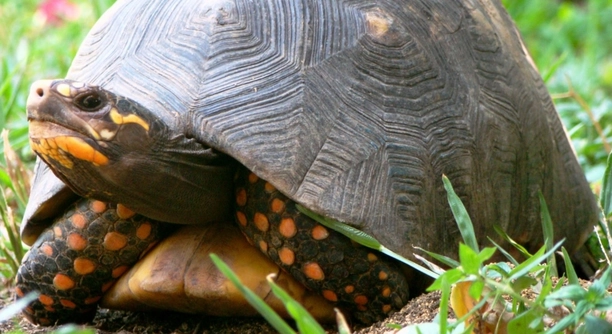
Red-footed tortoises are fascinating creatures, but like all pets, they can face health challenges. Among these challenges are parasites, which can affect their well-being. Knowing what parasites to watch out for can help ensure a happy, healthy tortoise.
There are several common parasites that can affect red-footed tortoises, including protozoa, worms, and mites. These parasites can lead to various health issues, ranging from digestive problems to skin irritation. Prevention and early detection are key to managing these risks.
Recognizing these parasites early and knowing how to prevent them can help protect your tortoise. Taking simple steps to maintain their environment and health can keep your red-footed tortoise happy and thriving for years.
Common Parasites That Affect Red-Footed Tortoises
Red-footed tortoises, like any pet, can be vulnerable to parasites. These parasites can come from various sources, such as the environment, food, or even other animals. If left untreated, they can affect your tortoise’s health, leading to digestive issues, skin problems, or even severe illness. Being aware of the signs and knowing how to prevent them is essential for any tortoise owner. Proper hygiene, a clean habitat, and regular check-ups are just a few measures that can help. It’s also important to monitor their diet and be cautious about where you get food or bedding.
Parasites can cause a range of health issues in red-footed tortoises. These issues include dehydration, loss of appetite, or abnormal behavior. Being vigilant will allow you to identify and treat parasites early, ensuring your tortoise stays healthy.
Infections from parasites can stress your tortoise, making it harder for them to thrive. Keeping their enclosure clean, ensuring they are hydrated, and offering a balanced diet is crucial in reducing the chances of parasites. With the right precautions, you can help maintain a healthy tortoise for many years.
Protozoan Infections in Red-Footed Tortoises
Protozoa are one of the most common parasites that affect tortoises. They are microscopic organisms that can cause gastrointestinal problems. Symptoms may include diarrhea, weight loss, and lack of energy. Protozoan infections can be spread through contaminated water, food, or soil.
Protozoan infections are often diagnosed by a veterinarian. If your tortoise shows signs of illness, it’s crucial to consult a professional. Treatment typically involves medication to eliminate the infection, and in some cases, fluid therapy to restore hydration. Preventing protozoa starts with maintaining a clean habitat. Regular cleaning of the enclosure and avoiding stagnant water are key steps.
Additionally, it’s important to avoid feeding your tortoise food that may be contaminated. For example, fresh vegetables should always be rinsed thoroughly. Providing clean, fresh water at all times is vital. By being diligent with hygiene and seeking professional care when needed, you can keep protozoan infections at bay.
Intestinal Worms
Intestinal worms are another common issue for red-footed tortoises. These parasites can affect your tortoise’s digestion, causing bloating, lethargy, and loss of appetite. Worms typically enter through contaminated food or water. If untreated, they can lead to more serious health issues.
The most common intestinal worms in tortoises are roundworms and tapeworms. Symptoms include abnormal stool, weight loss, and a general decline in activity. Regular fecal checks by a veterinarian can help catch these worms early. Treatment usually involves deworming medications, which are safe and effective when administered properly.
To prevent intestinal worms, focus on keeping your tortoise’s habitat clean. Change bedding regularly, and avoid feeding them raw or unwashed vegetables. Clean water should always be available, and any food that could harbor parasites should be thoroughly inspected before feeding. Preventing these worms requires routine maintenance and good care.
Mites and Ticks
Mites and ticks can cause irritation and discomfort to red-footed tortoises. These external parasites latch onto the skin, causing itching, inflammation, and sometimes even infections. Mites are often found in areas where tortoises spend time on the ground, while ticks prefer attaching to their shell.
If you spot a mite or tick on your tortoise, remove it carefully. Ticks are usually easy to find, but mites can be trickier as they are very small. Signs of mite or tick infestations include excessive scratching, skin lesions, or abnormal behavior. Veterinary treatment often includes parasite removal and topical treatments to soothe irritated skin.
To keep mites and ticks away, regular cleaning of your tortoise’s habitat is essential. Ensure there are no areas where these pests can thrive. If you take your tortoise outdoors, check for ticks after each outing. Proper care and attention to hygiene can help reduce the risk of these irritating parasites.
Fungal Infections
Fungal infections can affect red-footed tortoises, particularly in humid environments. These infections may appear as patches on the skin, shell, or mouth. If untreated, fungi can cause further damage to their skin and overall health. Maintaining a dry, clean habitat reduces the likelihood of fungal growth.
Signs of fungal infections include discolored, flaky, or scaly skin. The affected areas may be swollen or have an odd odor. If you notice these symptoms, it’s best to take your tortoise to a vet for proper diagnosis and treatment. Antifungal medications and improving their habitat hygiene are key steps to recovery.
Proper habitat care and minimizing excess moisture are important for avoiding fungal issues. Clean and disinfect the enclosure regularly, and ensure there is proper ventilation. Using substrate that helps with moisture control, like coconut coir or dry bedding, can also assist in reducing fungal risks. Regular health check-ups will keep your tortoise happy and safe from fungal infections.
Respiratory Infections
Respiratory infections are common in red-footed tortoises. These infections are often caused by bacteria or viruses that thrive in unsanitary conditions. Symptoms include wheezing, nasal discharge, and labored breathing. Keeping their environment clean and at the right temperature is important in preventing respiratory issues.
A respiratory infection can become serious if left untreated, leading to long-term health problems for your tortoise. If you notice any of these symptoms, seek immediate veterinary care. A vet may prescribe antibiotics or other treatments depending on the severity.
To prevent respiratory infections, ensure your tortoise’s enclosure is properly heated and well-ventilated. Avoid sudden temperature changes, as these can stress the tortoise and make them more susceptible to illness. Regular cleaning and proper humidity levels will also help prevent the buildup of bacteria and viruses.
External Parasites
External parasites, like fleas and lice, are less common but can still affect red-footed tortoises. These parasites typically latch onto the skin and cause irritation, leading to scratching or inflammation. While not as harmful as internal parasites, they should be addressed promptly.
External parasites are often easy to detect because they’re visible on the skin. You may see small insects moving around your tortoise’s body, especially in areas where their shell meets the skin. Treating these parasites usually involves topical treatments or baths.
FAQ
What are the signs that my red-footed tortoise has a parasite?
The signs of parasites in red-footed tortoises can vary depending on the type of parasite. Common symptoms include lethargy, loss of appetite, abnormal stool, and changes in behavior. You may notice skin irritations, swelling, or respiratory issues as well. If your tortoise starts scratching more than usual, has a runny nose, or shows signs of weight loss, it’s time to consult a vet. Regular health checks and fecal tests can help detect parasites before they become a bigger issue.
How can I prevent parasites in my red-footed tortoise?
Prevention begins with maintaining a clean habitat. Regularly clean and disinfect the enclosure to eliminate any parasites or harmful microorganisms. Avoid letting your tortoise roam in areas where wild animals may introduce parasites. Always provide clean water and food. Wash vegetables thoroughly before feeding them to reduce the risk of contamination. Keep the tortoise’s environment dry and ensure proper ventilation to avoid fungal infections, which can attract parasites. Regular vet check-ups are also important for early detection.
What should I do if my tortoise has intestinal worms?
If you suspect your red-footed tortoise has intestinal worms, it’s essential to consult a veterinarian. They will perform a fecal test to confirm the presence of worms. Treatment usually involves deworming medication, which is safe when prescribed by your vet. After treatment, continue to monitor your tortoise’s health, and keep the enclosure clean to avoid re-infestation. Make sure you also sanitize the area and any food or water dishes regularly.
Are fungal infections contagious to other tortoises?
Yes, fungal infections can be contagious, especially if tortoises share the same habitat or are housed together. It’s important to isolate the infected tortoise until it has recovered. If you have multiple tortoises, ensure each one has its own clean and well-maintained enclosure. Fungal infections are often spread by moisture, so controlling humidity and keeping the environment dry will help reduce the risk of spreading the infection.
Can I use over-the-counter treatments for parasites in my tortoise?
It’s not recommended to use over-the-counter treatments for parasites in tortoises without first consulting a veterinarian. Tortoises are sensitive to many chemicals, and improper use of treatments can cause harm. A vet can prescribe the appropriate medication, ensuring it’s safe and effective for your tortoise’s specific condition. Always follow the vet’s instructions regarding dosage and treatment duration.
How often should I clean my tortoise’s enclosure to prevent parasites?
You should clean your tortoise’s enclosure at least once a week. This includes removing uneaten food, cleaning water dishes, and wiping down surfaces. For deeper cleaning, disinfect the enclosure every two weeks, making sure to remove any old bedding and replace it with fresh, clean substrate. Regular cleaning helps reduce the buildup of bacteria, mold, and parasites. Keep the humidity and temperature levels in check to avoid creating an environment that encourages parasite growth.
What do I do if my red-footed tortoise gets mites?
If your tortoise gets mites, you should remove them as soon as possible. Gently remove any visible mites with tweezers or a damp cloth. Mites can cause itching and irritation, so you may need to use a special anti-parasitic treatment recommended by a vet. After treating the mites, thoroughly clean the tortoise’s habitat and provide a clean, dry space. You can also bathe your tortoise in lukewarm water to help remove any remaining mites from its skin.
How do I know if my tortoise has a respiratory infection?
A respiratory infection can be recognized by signs such as wheezing, nasal discharge, coughing, or labored breathing. If your tortoise is lethargic, has difficulty breathing, or appears swollen around the eyes or nostrils, these are indicators of a respiratory issue. Respiratory infections are often caused by bacteria and can be triggered by improper temperature or humidity levels in the enclosure. If you notice any of these symptoms, contact a vet immediately for treatment, which may involve antibiotics and adjustments to the tortoise’s environment.
Can parasites cause long-term damage to my red-footed tortoise?
Yes, if left untreated, parasites can cause long-term damage to your tortoise. Intestinal parasites can lead to malnutrition and dehydration, while skin or fungal infections can result in scarring or permanent damage to the shell. Some parasites, like ticks or mites, can cause severe irritation, leading to stress and weakened immunity. It’s crucial to address parasite infestations early to avoid any lasting health complications. Regular veterinary care and good hygiene can help prevent these issues.
How can I tell if my tortoise has a fungal infection?
Fungal infections in red-footed tortoises usually appear as patches of discolored or flaky skin on the shell, limbs, or around the mouth. These areas might be swollen, and in some cases, they can emit an odor. Fungal infections are often caused by high humidity or poor ventilation, so it’s important to check your tortoise’s environment. If you notice any signs of a fungal infection, consult a vet. Early treatment typically involves antifungal medications and adjusting environmental conditions to reduce moisture.
Final Thoughts
Taking care of a red-footed tortoise comes with its challenges, especially when it comes to managing parasites and infections. These animals are prone to various health issues, but most of them can be prevented with the right care. Maintaining a clean environment, providing proper nutrition, and ensuring your tortoise’s habitat is free from potential contaminants are key to keeping them healthy. Regular check-ups with a veterinarian are also important in detecting problems early. The earlier you catch a health issue, the easier it is to treat, and this can make a big difference in your tortoise’s long-term well-being.
Parasites are a common concern for tortoise owners, but they’re manageable with a bit of effort and attention to detail. By understanding the types of parasites your red-footed tortoise is most likely to encounter and knowing the signs of infections, you can take the necessary steps to prevent and treat these problems. Cleaning their enclosure regularly, inspecting their food and water for contaminants, and practicing good hygiene can significantly reduce the risk of parasites. It’s also helpful to be aware of environmental factors that contribute to the growth of parasites, like humidity and temperature. By maintaining the proper balance in their habitat, you can help prevent many of these issues from arising.
In the end, being proactive in your care routine will ensure your red-footed tortoise leads a healthy, happy life. While parasites and infections can be a concern, with the right knowledge and preparation, they are far from insurmountable. Providing your tortoise with the best environment possible and being mindful of their health will allow them to thrive for years to come. As with any pet, it’s all about staying informed and staying vigilant. With these steps, you can rest assured that you are giving your tortoise the care it deserves.

Hello,
If you enjoy the content that we create, please consider saying a "Thank You!" by leaving a tip.
Every little bit helps us continue crafting quality advice that supports the health, happiness, and well-being of pets around the world, for pets of all shapes, sizes, and species.
We really appreciate the kindness and support that you show us!