
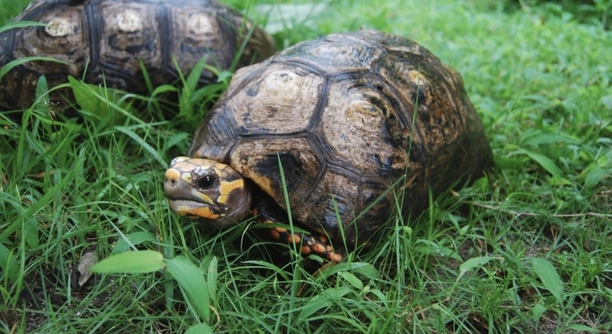
Red-footed tortoises are fascinating creatures, and their shell health plays an essential role in their overall well-being. A healthy shell supports their movement, protection, and long life. Understanding how to care for it is key to their happiness.
To improve your red-footed tortoise’s shell health, consider adjusting its diet, providing proper UV lighting, ensuring humidity control, and maintaining a clean environment. Regular shell inspections and providing natural substrates can also help prevent common health issues.
A few simple changes in their daily care routine can make a big difference in keeping your tortoise’s shell strong and healthy.
1. Provide a Balanced Diet for Strong Shells
A balanced diet is essential for maintaining a red-footed tortoise’s shell health. A variety of leafy greens, fruits, and vegetables should make up the majority of their diet. Foods rich in calcium, like kale, collard greens, and dandelion greens, help strengthen the shell. It’s also important to avoid foods that are too high in phosphorus, as they can interfere with calcium absorption. Offering a mix of these healthy options ensures that your tortoise gets the nutrients it needs for a strong, healthy shell.
Providing a balanced diet supports both the overall health and longevity of your tortoise. A proper diet helps prevent soft or weak shells, which can occur due to calcium deficiencies.
Over time, a proper diet with a variety of fresh, nutritious foods will contribute to the overall health of your tortoise. Healthy nutrition supports the development and maintenance of strong, protective shells. Keeping an eye on their dietary needs and adjusting accordingly can prevent issues before they arise. Make sure your tortoise gets a proper blend of greens, fruits, and supplements for optimal shell health.
2. Keep Their Habitat Clean and Safe
Maintaining a clean habitat for your tortoise ensures a healthy environment. A dirty or wet living space can lead to shell rot and fungal infections. Regular cleaning of the enclosure, including removing waste and changing bedding, can help prevent these issues.
A clean living space helps prevent unwanted bacteria from affecting the tortoise’s shell. Keep the habitat dry and clean, and remove waste daily to ensure optimal conditions. This will minimize the risk of infections and diseases that can harm your tortoise’s shell. Keeping the enclosure tidy also promotes overall health.
By ensuring a dry and clean environment, you create a safer and more comfortable home for your red-footed tortoise. Regular cleaning, combined with the proper diet, plays a vital role in keeping their shell healthy and in good condition. It’s a simple yet effective way to protect them from potential health concerns.
3. Provide Proper UV Lighting
UV lighting is crucial for red-footed tortoises to metabolize calcium properly. Without it, they can develop shell deformities and other health problems. Ensure their enclosure has both UVB and UVA lights, as these mimic natural sunlight and help with vitamin D3 production.
Proper UV lighting not only aids in calcium absorption but also promotes overall well-being. Without enough UV exposure, tortoises can become lethargic, and their shells may become weak or malformed. Place UV bulbs over the basking area, and ensure they are the correct strength for your tortoise’s age and size. Replace the bulbs regularly as they lose potency over time.
A proper light setup ensures your tortoise gets the right amount of exposure to UV rays. Without this, their metabolism and overall health can suffer. UV light helps stimulate natural behavior patterns and supports the immune system, contributing to better shell health.
4. Monitor Humidity Levels
Humidity plays an important role in maintaining a healthy shell. Too much or too little humidity can cause shell deformities or shedding problems. A stable level of humidity is essential for your tortoise’s shell growth.
Make sure their habitat maintains proper humidity levels by using a hygrometer to monitor the air. If the environment is too dry, it can cause their shell to crack or become brittle. If it’s too humid, it can lead to fungal growth or shell rot. Providing a shallow water dish, spraying the enclosure with water, or using a humidifier can help regulate humidity.
To maintain the right conditions, balance humidity levels carefully. Consistent humidity ensures your tortoise’s shell stays strong and healthy. Regularly check for any signs of issues, such as unusual shedding or soft patches on their shell, which could indicate a problem with humidity.
5. Regular Shell Inspections
Regularly checking your tortoise’s shell is essential for spotting early signs of issues. Look for cracks, soft spots, discoloration, or any unusual growths. Early detection can help prevent more serious problems from developing.
Inspect your tortoise’s shell every few weeks, ensuring there are no signs of rot or injury. If you notice anything unusual, take action quickly. Consulting a vet if you find any damage can prevent it from worsening.
6. Provide Natural Substrates
Natural substrates like coconut coir or organic soil can mimic the tortoise’s natural habitat and encourage healthier shell growth. Avoid using synthetic materials that can cause irritation or lack proper moisture control.
Natural substrates are better for shell health as they promote burrowing and provide the right texture for your tortoise. They also help maintain proper humidity, which is crucial for maintaining a healthy shell. Regularly clean and replace the substrate to ensure it stays clean and comfortable.
7. Offer Safe Basking Areas
A warm basking area is necessary for your tortoise to regulate its body temperature. Provide a flat rock or log under a heat lamp where they can soak up the heat. This encourages natural behavior and supports healthy shell development.
Ensure the basking area is appropriately heated to allow your tortoise to reach its ideal temperature. This helps digestion, overall health, and the proper growth of the shell. Keeping a consistent temperature gradient in their enclosure ensures they can move to cooler areas when needed.
FAQ
How often should I clean my tortoise’s shell?
Cleaning your tortoise’s shell should be done regularly but gently. It’s not necessary to clean it every day, but a weekly inspection and cleaning are ideal. If you notice any debris or waste on their shell, carefully wipe it off with a damp cloth. Make sure you don’t scrub too hard to avoid damaging the shell’s surface.
Can a tortoise’s shell heal if it’s damaged?
Yes, a tortoise’s shell can heal over time if the damage is not too severe. Minor cracks and chips can often heal themselves with proper care, such as keeping the shell clean and ensuring your tortoise has a balanced diet and proper living conditions. However, deeper cracks or severe injuries might require veterinary intervention to prevent infection or further damage.
Why does my tortoise have a soft shell?
A soft shell is usually a sign of calcium deficiency or improper UV light exposure. Without the right amount of calcium or UVB light, your tortoise cannot properly metabolize the nutrients needed to maintain a hard, strong shell. It’s crucial to adjust their diet to include calcium-rich foods, use proper UV lighting, and ensure their habitat is set up correctly.
How do I provide the right UV lighting for my tortoise?
Ensure your tortoise has access to UVB lighting that mimics natural sunlight. The UVB light should be placed over the basking area, where your tortoise spends most of its time. The light needs to be replaced every 6 to 12 months since it loses effectiveness over time. Make sure the UVB light is appropriate for the size of your tortoise’s enclosure.
What kind of diet helps strengthen my tortoise’s shell?
A diet rich in calcium is essential for a strong shell. Offer leafy greens like kale, collard greens, and dandelion greens. Avoid too much fruit, as it’s high in sugar and doesn’t provide the nutrients your tortoise needs. You can also provide a calcium supplement to support their shell health, but be careful not to overdo it.
Is humidity important for a tortoise’s shell health?
Yes, maintaining proper humidity levels is essential for shell health. If the habitat is too dry, the tortoise’s shell may become brittle or cracked. If it’s too humid, there’s a risk of fungal infections and shell rot. Use a hygrometer to monitor the humidity, and adjust it by misting or adding a water dish as needed.
How can I prevent shell rot in my tortoise?
To prevent shell rot, keep the habitat clean and dry. Remove waste daily and replace wet or soiled substrate. Ensure the tortoise is not exposed to excessive moisture or standing water, which can cause infections. Regularly inspect the shell for any signs of soft spots or discoloration, and address any issues promptly.
What type of bedding should I use for my tortoise’s enclosure?
Natural substrates, like coconut coir, organic soil, or grass hay, work well for red-footed tortoises. These materials allow the tortoise to dig and burrow, which is a natural behavior. They also help regulate humidity levels in the enclosure. Avoid using sand, as it can be too dry and difficult to clean.
Can a tortoise’s shell change color?
Yes, a tortoise’s shell can change color due to various factors, including diet, age, and exposure to sunlight. A yellowing or darkening shell may be a sign of aging, while color changes due to diet are common. If the color change is accompanied by other symptoms, such as softness or visible damage, it may indicate a health issue that needs attention.
What should I do if I find a crack in my tortoise’s shell?
If you notice a crack in your tortoise’s shell, it’s important to assess the severity of the injury. Small cracks can often be treated by keeping the shell clean and dry, while larger cracks may need veterinary care. A vet may recommend shell repair methods, such as applying a special adhesive or bandage to protect the shell while it heals.
How can I ensure my tortoise gets enough exercise?
Provide a large enough enclosure where your tortoise can move around freely. Include ramps, logs, and rocks for climbing, which also helps them exercise their muscles. Letting your tortoise roam in a safe, enclosed outdoor space (with proper supervision) is also a good way to ensure they get plenty of exercise.
What is the best temperature for my tortoise’s enclosure?
The ideal temperature for a red-footed tortoise’s enclosure should range from 75°F to 85°F (24°C to 29°C). The basking spot should be slightly warmer, around 90°F (32°C). At night, the temperature can drop to about 70°F (21°C). It’s important to create a temperature gradient within the enclosure so the tortoise can regulate its body temperature.
How do I know if my tortoise is stressed?
Stress in tortoises can be caused by factors like improper temperature, humidity, diet, or habitat conditions. Signs of stress include lethargy, excessive hiding, loss of appetite, or aggression. If you notice these symptoms, assess the environment and make necessary adjustments to improve their comfort.
Can I give my tortoise fruits?
Fruits can be given as an occasional treat, but they should not make up a large part of their diet. Too much fruit can cause digestive issues due to its high sugar content. Stick to fruits that are safe for tortoises, such as strawberries, apples, and papaya, and feed them in moderation.
What should I do if my tortoise refuses to eat?
If your tortoise refuses to eat, it may be due to stress, illness, or environmental issues like incorrect temperature or lighting. Try adjusting the habitat conditions, offering fresh food, or changing their diet to something more appealing. If the refusal to eat continues for several days, consult a vet to rule out health problems.
Final Thoughts
Taking proper care of your red-footed tortoise’s shell health is essential for its overall well-being. A strong, healthy shell protects your tortoise from injury and infection, ensuring it can lead a happy and active life. Providing the right environment, balanced diet, and regular care are key factors in maintaining shell health. By paying attention to UV lighting, humidity, and calcium intake, you can prevent many common shell issues and help your tortoise thrive.
Regular monitoring of your tortoise’s shell for any signs of damage or infection is crucial. If you notice any cracks, soft spots, or discoloration, addressing these issues early can prevent further complications. Additionally, providing the right bedding and ensuring proper cleaning habits will go a long way in keeping your tortoise’s shell in top condition. Remember, a clean and dry living environment plays a significant role in preventing fungal infections and shell rot.
Ultimately, keeping your red-footed tortoise healthy requires a holistic approach. This includes a suitable habitat with proper lighting and temperature, a well-balanced diet with calcium-rich foods, and regular veterinary checkups when needed. With the right care and attention, your tortoise will have a long, healthy life with a strong, resilient shell.

Hello,
If you enjoy the content that we create, please consider saying a "Thank You!" by leaving a tip.
Every little bit helps us continue crafting quality advice that supports the health, happiness, and well-being of pets around the world, for pets of all shapes, sizes, and species.
We really appreciate the kindness and support that you show us!