
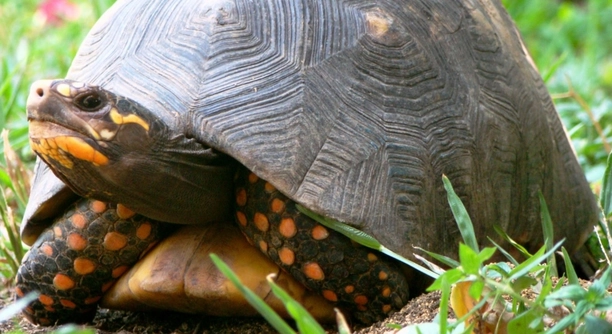
Red-footed tortoises are fascinating creatures with unique dietary needs. They are mostly herbivores, munching on plants, fruits, and even some insects. But when it comes to honey, it’s important to understand whether it fits into their diet.
Red-footed tortoises should not eat honey. While honey is a natural product, it contains high sugar content that can be harmful to their health. Their digestive systems are not designed to process sugar in such large amounts.
Honey can cause digestive issues and even lead to obesity in tortoises if fed regularly. It’s essential to focus on foods that align with their natural diet to ensure their well-being.
Why Red-Footed Tortoises Should Avoid Honey
Red-footed tortoises have specific dietary needs that should be respected to keep them healthy. These tortoises are primarily herbivores and thrive on a variety of plants, fruits, and occasional insects. Their digestive systems are not equipped to handle high sugar levels found in honey. Over time, consuming sugar can lead to obesity and other health problems. This is especially true for tortoises, as their metabolism is much slower than other animals, making it harder for them to burn off excess calories.
Honey, despite being natural, is essentially a sugar bomb for a red-footed tortoise. Even small amounts can be harmful if consumed regularly. It can interfere with the balance of their gut flora, leading to digestive issues. In addition, tortoises don’t need the sugar to maintain energy levels. A varied and balanced diet of leafy greens, fruits like papaya, and other plant-based foods is much more suited for their needs.
Feeding them honey may seem harmless but it’s best avoided. Stick to foods that mimic their natural diet for optimal health.
Possible Risks of Feeding Honey
Honey can negatively impact your tortoise’s health in multiple ways. It may cause digestive upset, leading to diarrhea or stomach discomfort.
When red-footed tortoises eat sugary foods, their bodies struggle to process the sugar properly. This can lead to long-term health issues like obesity or even liver problems. These tortoises are used to getting nutrients from natural sources in their environment. A high-sugar diet can disrupt their normal digestion, causing problems that could require veterinary attention.
Instead of honey, offer fresh greens and low-sugar fruits to your tortoise. Foods like dandelion greens, hibiscus flowers, and berries are excellent options that provide the nutrition they need without the risks associated with sugary treats. This is key to ensuring your tortoise thrives.
Alternative Foods for Red-Footed Tortoises
Red-footed tortoises thrive on a diet rich in plant matter. They enjoy a variety of leafy greens, fruits, and flowers.
Good food options for these tortoises include collard greens, dandelion greens, and hibiscus flowers. These foods are packed with nutrients they need for healthy digestion. Fruits like papaya, mango, and berries also make a great addition to their diet. These fruits provide important vitamins and minerals while keeping sugar levels in check.
It’s essential to vary their diet to keep them interested and to ensure they get all the necessary nutrients. Avoid feeding them processed or sugary foods, like honey, which can upset their digestive system. Providing fresh, natural foods is the key to their overall well-being.
The Importance of a Balanced Diet
A balanced diet helps keep red-footed tortoises healthy and active.
Providing a mix of vegetables, fruits, and occasional proteins from insects or other sources is important for their overall health. Regularly feeding them fresh, natural foods supports their immune system and digestion. Too much sugar or processed food can lead to obesity, so variety is key. Keeping a proper balance will prevent health problems like shell deformities or weakened immune systems. The right diet allows these tortoises to live longer, happier lives. Make sure to adjust portions to avoid overfeeding or underfeeding them.
How Much to Feed Your Red-Footed Tortoise
Portion control is important to keep your tortoise healthy. Feed them fresh food daily, but be mindful of portion sizes.
An adult red-footed tortoise should eat about 5-10% of its body weight in food per day. This includes a mix of leafy greens, fruits, and occasional protein. Ensure they are getting the right balance of nutrients by varying their food choices. Overfeeding can lead to obesity, so it’s best to monitor how much they eat. Adjust portions based on their activity level and weight.
Signs of Overfeeding or Poor Diet
If your tortoise is gaining weight too quickly or appears lethargic, it could be due to overeating.
Signs of an unhealthy diet include weight gain, lack of energy, and even shell deformities. If your tortoise is eating too much sugar or processed foods like honey, it may lead to these health issues. Ensure your tortoise is eating a variety of nutritious foods, and keep track of their weight and activity. Regular checkups with a vet are helpful to spot any potential health concerns early on.
FAQ
Can red-footed tortoises eat fruit?
Yes, red-footed tortoises can eat fruit. In fact, fruits are an important part of their diet, providing essential vitamins and hydration. However, it’s important to feed them fruit in moderation. Too much sugar can lead to health problems like obesity or digestive issues. Good fruits to offer include papaya, mango, berries, and melon. Avoid feeding them high-sugar fruits like grapes in large quantities. Variety is key, and fruits should always be balanced with leafy greens and other vegetables.
What vegetables can red-footed tortoises eat?
Red-footed tortoises enjoy a wide variety of vegetables. Leafy greens like collard greens, dandelion greens, and mustard greens are excellent options. You can also feed them squash, zucchini, and carrots. Vegetables should make up the majority of their diet, providing fiber and essential nutrients. Avoid feeding them starchy vegetables like potatoes or foods high in oxalates like spinach. Always wash the vegetables thoroughly to remove pesticides or chemicals before feeding them to your tortoise.
Can red-footed tortoises eat flowers?
Yes, red-footed tortoises can eat certain flowers. In fact, they can enjoy a variety of safe, edible flowers. Hibiscus flowers are a popular choice, as are dandelions, marigolds, and geraniums. These flowers provide nutrients and are a great way to vary their diet. Make sure the flowers you offer haven’t been treated with chemicals or pesticides, as these can be harmful to your tortoise. Always double-check that the flowers are safe for consumption before feeding them.
Is it safe to feed red-footed tortoises pellets?
While some commercial tortoise pellets are available, they should not be the main part of your red-footed tortoise’s diet. These pellets often lack the variety and nutrients found in fresh vegetables and fruits. If you choose to feed pellets, make sure they are high-quality and specifically designed for tortoises. Pellets should be used as a supplement to their diet, not a replacement for fresh food. Ideally, focus on feeding them a range of natural foods, such as leafy greens and fruits.
How often should I feed my red-footed tortoise?
Adult red-footed tortoises typically eat every day, but it’s important to monitor their intake and adjust if needed. Young tortoises may require more frequent feedings. It’s best to offer fresh food daily but in appropriate amounts. You should observe your tortoise to see if they are finishing their food. If they are eating too much, reduce portions to avoid obesity. Overfeeding can lead to health issues, so be sure to watch their weight and activity levels.
Can red-footed tortoises eat nuts or seeds?
Red-footed tortoises should not be fed nuts or seeds. These foods are too high in fat and can upset their digestive system. They may also cause long-term health problems like kidney damage or obesity if fed regularly. Stick to plant-based foods like leafy greens, fruits, and flowers. Avoid offering them any food that is high in fat or salt, as this can harm their health over time.
Are there any foods red-footed tortoises cannot eat?
Yes, there are several foods that should be avoided entirely when feeding red-footed tortoises. Foods like chocolate, avocado, onions, and garlic are toxic to tortoises. Starchy foods like potatoes and corn should also be avoided, as they can cause digestive problems. Additionally, avoid high-oxalate foods like spinach, which can interfere with calcium absorption. Always research any food before offering it to your tortoise to ensure it’s safe.
How do I know if my red-footed tortoise is eating enough?
You can tell if your tortoise is eating enough by monitoring their weight and activity levels. A healthy tortoise should have a steady weight and remain active. If your tortoise seems lethargic or is losing weight, they may not be eating enough. Ensure they are receiving a variety of foods that provide the nutrients they need. If you’re concerned, consult with a vet to ensure your tortoise is getting the right balance of food.
Can I feed my red-footed tortoise meat?
Red-footed tortoises are primarily herbivores, but they may occasionally eat small amounts of animal protein, such as insects or snails, in the wild. In captivity, you can offer them some protein sources like mealworms or earthworms, but it should be rare. Their primary diet should be plant-based, and animal protein should be given in small quantities. Too much animal protein can lead to kidney problems and other health issues. Keep their diet focused on greens, fruits, and flowers.
What should I do if my red-footed tortoise is not eating?
If your tortoise is not eating, there could be several reasons, including stress, illness, or an unsuitable diet. Check that their enclosure is at the correct temperature and humidity. Ensure they are being offered a variety of fresh, appealing foods. If your tortoise continues to refuse food for more than a few days, it may be time to consult a veterinarian to rule out health issues. Changes in behavior or eating habits should never be ignored.
Final Thoughts
Red-footed tortoises are wonderful pets, but their diet requires careful attention to ensure they stay healthy. While it might be tempting to offer them a variety of foods, it’s important to remember that not everything is safe for them. Honey, despite being a natural food, contains too much sugar for these tortoises. Feeding them sugary treats can lead to digestive problems, obesity, and other health issues. Instead, it’s best to focus on offering a variety of fresh vegetables, fruits, and flowers that align with their natural diet. This approach helps to keep them healthy and thriving for years to come.
A well-balanced diet is key to supporting the overall health of red-footed tortoises. While fruits and vegetables are important, the ratio of these foods needs to be adjusted for the tortoise’s age, size, and activity level. For example, leafy greens like collard and dandelion greens should make up a significant portion of their diet, with fruits offered in moderation. Proteins from insects or other natural sources should be offered occasionally, but their main focus should remain on plant-based foods. Offering variety and ensuring the diet is balanced will prevent health problems and promote a long, healthy life for your tortoise.
In conclusion, while honey might seem harmless, it is not suitable for red-footed tortoises due to its high sugar content. By providing a diet that is rich in leafy greens, safe fruits, and edible flowers, you can meet their nutritional needs and ensure they remain active and healthy. Understanding their natural dietary requirements is an essential part of being a responsible tortoise owner. If you’re ever uncertain about what to feed your tortoise, it’s always a good idea to consult a veterinarian who can provide guidance tailored to your tortoise’s specific needs.

Hello,
If you enjoy the content that we create, please consider saying a "Thank You!" by leaving a tip.
Every little bit helps us continue crafting quality advice that supports the health, happiness, and well-being of pets around the world, for pets of all shapes, sizes, and species.
We really appreciate the kindness and support that you show us!