
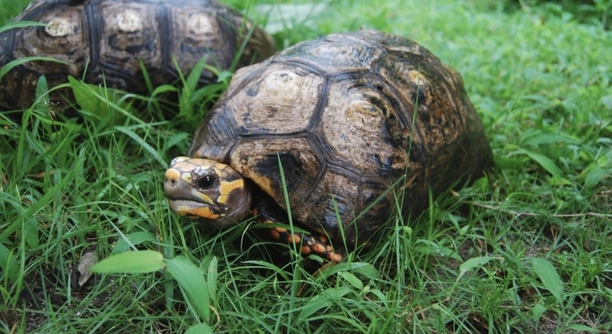
A red-footed tortoise is a wonderful pet, but keeping it healthy requires attention to its needs. Proper care can significantly reduce the chances of illness, ensuring your tortoise leads a happy, active life.
Preventing illness in red-footed tortoises involves providing a balanced diet, maintaining the right temperature and humidity, regular vet checkups, and ensuring proper hygiene. Creating an enriching environment will also help to reduce stress, contributing to overall health.
With the right knowledge and care, your red-footed tortoise can live a long, healthy life. The following steps will guide you through the essential precautions to ensure your pet stays healthy and happy.
Maintain a Consistent Temperature and Humidity Level
Red-footed tortoises are native to tropical climates and thrive in warm, humid environments. Their enclosure should be kept at a consistent temperature between 75-85°F during the day, with a slight drop at night. Proper humidity is equally important, ideally between 60-80%. A reptile heating lamp will help regulate daytime temperatures, while a humidifier or misting system can maintain humidity levels.
To avoid fluctuations, it’s essential to monitor the environment regularly. Use a reliable thermometer and hygrometer to track the temperature and humidity. This ensures that your tortoise remains comfortable and reduces the risk of respiratory infections or other health problems.
Providing these consistent environmental conditions will help your tortoise feel secure and healthy. A stable habitat encourages natural behaviors, such as basking and foraging, which are vital to their overall well-being.
Offer a Balanced Diet
A balanced diet plays a significant role in preventing illness in red-footed tortoises. They are omnivores, which means they need a mix of plant-based foods and animal protein. Offer a variety of leafy greens, such as collard greens, dandelion greens, and romaine lettuce. Fruits like mango, papaya, and strawberries should be fed in moderation.
Tortoises also require protein in their diet, such as insects, snails, or small amounts of cooked eggs. However, avoid overfeeding them with high-protein foods, as it can lead to kidney issues. It’s important to provide a calcium supplement, which helps prevent shell deformities and supports overall health.
By offering a varied diet, your tortoise will receive the essential nutrients it needs. Just be sure to avoid feeding them foods that are high in oxalates, such as spinach, as these can interfere with calcium absorption.
Provide Proper Lighting
Proper lighting is essential for red-footed tortoises. They need access to UVB light to metabolize calcium properly and avoid metabolic bone disease. Use a UVB bulb specifically designed for reptiles and place it in the enclosure, ensuring that the tortoise can bask under it for several hours a day.
Without UVB exposure, your tortoise may suffer from weakened bones and poor overall health. If you don’t have natural sunlight, a UVB lamp is a must. Replace the bulb every 6-12 months, as its UVB output decreases over time. Be sure to place the light in an area where the tortoise can move freely in and out of its reach.
In addition to UVB light, a basking lamp provides heat, which helps regulate the tortoise’s body temperature. The combination of heat and light is vital for digestion and maintaining proper metabolism.
Keep the Enclosure Clean
Keeping your red-footed tortoise’s enclosure clean is crucial for preventing illness. Regular cleaning helps remove bacteria, parasites, and mold, which could cause infections or other health issues. Spot-clean daily by removing uneaten food and waste.
Weekly, clean the entire enclosure. Remove any bedding, disinfect the surfaces, and replace with fresh materials. This routine will reduce the risk of fungal infections, parasites, and respiratory illnesses. Use reptile-safe disinfectants, as harsh chemicals can harm your tortoise.
A clean enclosure also reduces stress and promotes a more active lifestyle for your tortoise. Cleanliness is key to maintaining a healthy, thriving environment.
Avoid Overcrowding the Enclosure
Overcrowding can cause stress and health issues in your red-footed tortoise. Give your tortoise enough space to move around freely. A cramped environment can lead to territorial disputes and hinder proper feeding and basking. Ensure the enclosure is spacious enough to allow for natural behaviors.
A larger enclosure also helps maintain a more stable environment. If you keep more than one tortoise, provide enough space and resources to reduce competition. Each tortoise should have access to food, water, and basking areas.
Prevent Stressful Situations
Stress can lead to a weakened immune system, making your tortoise more susceptible to illness. Avoid sudden changes in the environment, like moving the enclosure or altering its lighting and temperature too drastically.
Create a calm, predictable environment. Red-footed tortoises are sensitive to loud noises and rapid movements. Keep their habitat peaceful by limiting disturbances. Stress can also arise from improper handling, so be gentle and minimal when interacting with your tortoise.
Regular Vet Checkups
Taking your red-footed tortoise for regular vet checkups is essential. Routine visits allow the vet to check for any hidden issues, including parasites, infections, or shell problems. Regular exams are key to early detection and treatment, ensuring your tortoise stays healthy.
FAQ
How can I tell if my red-footed tortoise is sick?
Signs of illness in red-footed tortoises can include lethargy, loss of appetite, abnormal behavior, discharge from the eyes or nose, and shell abnormalities. If your tortoise shows any of these signs, it’s important to consult a vet immediately.
A sick tortoise may also have trouble moving or seem to have difficulty breathing. Keep an eye on their eating habits and behavior for any significant changes. A healthy tortoise will be active, alert, and regularly eat a variety of food.
What should I feed my red-footed tortoise?
Red-footed tortoises are omnivores and need a variety of food. Their diet should consist of dark leafy greens such as collard greens, dandelion greens, and romaine lettuce. Fruits like strawberries, mango, and papaya should be offered occasionally.
Protein can come from insects, snails, or cooked eggs. It’s important to avoid feeding them too much protein, as this can lead to kidney problems. Calcium supplementation is also necessary to ensure strong bones and shell development.
How often should I clean my red-footed tortoise’s enclosure?
You should spot-clean your red-footed tortoise’s enclosure daily by removing uneaten food and waste. Full cleaning should be done weekly. This involves disinfecting surfaces, replacing bedding, and ensuring all areas of the enclosure are clean and safe for your tortoise.
A clean environment reduces the risk of diseases and provides a comfortable space for your tortoise to thrive. Regular cleaning also prevents mold and bacteria buildup, which can lead to infections.
Do red-footed tortoises need a specific type of light?
Yes, red-footed tortoises need UVB light to metabolize calcium properly. A UVB bulb should be placed in their enclosure to mimic natural sunlight. This light helps them process calcium and prevents bone diseases.
UVB lighting should be used for 10-12 hours a day, depending on your tortoise’s environment. Make sure to replace the bulb every 6-12 months, as its UVB output diminishes over time.
Can I keep multiple red-footed tortoises together?
It is possible to keep multiple red-footed tortoises together, but space is crucial. Each tortoise needs enough room to avoid territorial disputes. The enclosure should be large enough for each tortoise to have its own area for basking and feeding.
If keeping more than one, ensure there is enough food, water, and basking spots for each. Aggression or competition for resources can lead to stress and health issues.
How often should I handle my red-footed tortoise?
Red-footed tortoises do not need frequent handling. While they may tolerate gentle handling, excessive interaction can cause stress. Limit handling to short sessions and always be calm and slow in your movements to avoid alarming them.
Too much handling can lead to stress, which affects their immune system and overall health. Allow your tortoise to enjoy a peaceful, undisturbed environment where it can engage in natural behaviors.
What temperature should I maintain for my red-footed tortoise?
The temperature in your tortoise’s enclosure should be between 75-85°F during the day, with a slight drop at night. Ensure there’s a basking spot that reaches about 90-95°F. The cooler end of the enclosure should be around 70-75°F.
Temperature control is essential for digestion and overall health. A thermostat or thermometer will help you maintain consistent conditions. Avoid extreme temperature fluctuations, as they can stress your tortoise.
What are some common health problems in red-footed tortoises?
Common health issues in red-footed tortoises include respiratory infections, shell rot, metabolic bone disease, and parasites. Respiratory infections are often caused by poor humidity or sudden temperature changes. Shell rot is a bacterial or fungal infection that results from unsanitary living conditions.
Metabolic bone disease is often due to a lack of UVB lighting and calcium in the diet. Parasites can be contracted from contaminated food or water. Regular vet checkups and a well-maintained habitat can help prevent these issues.
How long do red-footed tortoises live?
Red-footed tortoises can live for 50 years or more with proper care. Their long lifespan makes them a commitment, but with the right environment, diet, and medical attention, they can thrive for many decades.
Taking good care of their needs ensures a long, healthy life. Monitor their diet, habitat, and health to ensure they continue to grow and thrive throughout their life.
Final Thoughts
Caring for a red-footed tortoise requires attention, patience, and consistency. By providing a spacious, clean environment with proper lighting and temperature, you can ensure a healthy life for your tortoise. Keeping an eye on their diet and behavior helps prevent illness and stress. Regular vet checkups also play a key role in maintaining their health. Understanding their needs is the first step in creating a comfortable and secure environment for them to thrive in.
As long as you follow basic care guidelines and stay observant, your red-footed tortoise will lead a long and healthy life. Their diet, enclosure, and mental stimulation are all crucial factors in keeping them happy. While it may take time to get everything right, the effort you put into their care will be worth it. These tortoises are resilient creatures, and they rely on their owners to ensure their needs are met. Consistency and attention to detail are key elements in fostering a healthy relationship with your tortoise.
In conclusion, preventing your red-footed tortoise from getting sick is entirely possible with proper care and regular maintenance. Being mindful of their habitat, diet, and handling will go a long way in promoting their well-being. If any concerns arise, consulting a vet early is always a good option. By staying proactive and informed, you can provide the best possible life for your red-footed tortoise.

Hello,
If you enjoy the content that we create, please consider saying a "Thank You!" by leaving a tip.
Every little bit helps us continue crafting quality advice that supports the health, happiness, and well-being of pets around the world, for pets of all shapes, sizes, and species.
We really appreciate the kindness and support that you show us!