
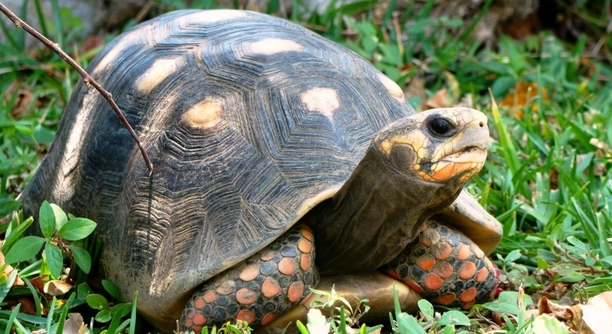
Red-footed tortoises are unique creatures with specific dietary needs. They primarily thrive on a variety of fruits, vegetables, and some animal protein. However, you might wonder whether it’s safe to offer them foods that are less natural to their diet.
Red-footed tortoises should not eat cheese. Cheese is high in fat and dairy, which can be harmful to their digestive system. Tortoises are lactose intolerant, and consuming cheese can lead to digestive upset, dehydration, and even long-term health issues.
Feeding your tortoise foods outside its regular diet can cause digestive issues. It’s important to learn what’s safe and what to avoid to ensure a healthy and balanced diet for your red-footed tortoise.
Why Cheese is Not Safe for Red-Footed Tortoises
Cheese is not suitable for red-footed tortoises due to its high fat content and dairy. These tortoises have a digestive system that isn’t designed to process dairy products. Cheese, even in small amounts, can cause a variety of health problems, such as stomach upset, diarrhea, and dehydration. Tortoises are not equipped to break down lactose, which is present in most dairy products, leading to potential digestive issues if they consume cheese. Their natural diet consists mostly of fruits, vegetables, and some protein from insects, but dairy should be completely avoided.
Tortoises that are regularly fed cheese or dairy products can face long-term health problems. Their bodies are simply not designed to handle dairy, and continued exposure can strain their kidneys and liver, leading to more serious complications. Therefore, it’s best to avoid any dairy altogether to keep them healthy.
A healthy diet for a red-footed tortoise is essential to maintain their well-being. They thrive on a variety of fruits like papaya, berries, and mango, along with leafy greens such as collard greens, dandelion, and kale. These foods provide the necessary nutrients and fiber that support their digestion. It’s important to provide these fresh and natural options to ensure your tortoise remains strong, active, and happy. When offering fruits or vegetables, it’s also important to make sure they are properly washed to avoid any pesticide residue. Proper care and diet are key to supporting the overall health of red-footed tortoises.
What to Do If Your Tortoise Eats Cheese
If your red-footed tortoise accidentally consumes cheese, it’s important to monitor its behavior closely. Cheese can cause digestive upset, so keep an eye out for signs like lethargy, diarrhea, or dehydration. If you notice any of these symptoms, it’s best to consult a veterinarian immediately. They can provide advice on how to treat any potential issues and ensure your tortoise gets back to its healthy self.
It’s a good idea to be aware of what your tortoise eats to prevent any future issues. If you’ve accidentally fed it cheese, be sure to offer fresh water and keep the tortoise in a calm environment. Provide them with their usual safe foods to help them recover from the upset.
The Risks of Feeding Dairy to Your Tortoise
Dairy products, including cheese, can be harmful to red-footed tortoises because they contain lactose. These tortoises cannot digest lactose, leading to potential digestive issues. Over time, feeding them dairy can result in dehydration, stomach upset, and long-term damage to their organs. Dairy should be avoided to prevent health problems.
Lactose intolerance in tortoises means they lack the enzyme to break down lactose, which is common in most dairy foods. If a tortoise consumes dairy, it may experience bloating, diarrhea, and even vomiting. These digestive issues can cause stress and discomfort, making it difficult for your tortoise to recover without medical help. It’s vital to keep dairy products out of their diet to maintain their digestive health.
Aside from digestive concerns, frequent exposure to dairy can lead to kidney and liver strain in tortoises. Over time, this could lead to more severe conditions, including organ failure. It’s important to provide tortoises with natural food options that align with their biological needs. A well-balanced diet will keep them strong and healthy, reducing the risk of unnecessary health complications.
Best Food Options for Red-Footed Tortoises
To ensure your red-footed tortoise thrives, it’s essential to offer the right food. They should primarily eat plant-based foods such as leafy greens, fruits, and some flowers. Good choices include collard greens, dandelion greens, and hibiscus. These foods are rich in vitamins and minerals that support their immune system and overall health.
You can also offer them fruits like papaya, mango, and berries. These provide essential vitamins like Vitamin A, which helps support their vision and skin health. However, it’s important to avoid high-sugar fruits in large amounts to prevent obesity. Introducing a mix of fruits and vegetables ensures variety and balances their nutritional needs. Ensure all food is fresh and free from harmful pesticides to protect your tortoise from potential toxins.
Alternatives to Cheese for Treating Your Tortoise
Instead of cheese, consider offering safe treats like edible flowers or fresh fruits. Hibiscus, dandelion, and clover are great options that are both nutritious and enjoyable for your tortoise. These treats provide vitamins and help satisfy their need for variety without causing harm to their digestive system.
You can also use leafy greens like collard greens, kale, or mustard greens. These are full of fiber and help promote good digestion, keeping your tortoise healthy and happy. Avoid giving too much of any one item to ensure a well-rounded diet.
How to Safely Introduce New Foods
When introducing new foods to your red-footed tortoise, it’s important to do so gradually. Start with small amounts to monitor how their digestive system reacts. This will help you spot any signs of discomfort or digestive upset early. If all goes well, you can increase the portion size over time.
Always observe your tortoise after offering a new food. Look for changes in behavior, stool consistency, or overall health. If they seem fine, continue offering the new food, but if any issues arise, stop feeding it and consult a vet if needed.
Hydration for Red-Footed Tortoises
Red-footed tortoises need plenty of fresh water for proper digestion. Make sure they always have access to clean, fresh water, especially after feeding them fresh fruits or vegetables. Hydration is key to preventing constipation and supporting overall health.
FAQ
Can red-footed tortoises eat dairy products?
No, red-footed tortoises should not eat dairy products. Dairy, including cheese, contains lactose, which tortoises cannot digest. Feeding them dairy can lead to digestive issues such as diarrhea, dehydration, and stomach upset. Over time, it can also cause damage to their kidneys and liver due to the inability to process these foods. It’s best to stick to their natural diet, which includes fruits, vegetables, and some insects.
What should I feed my red-footed tortoise instead of cheese?
Instead of cheese, feed your red-footed tortoise leafy greens, fruits, and safe flowers. Good options include collard greens, dandelion greens, and hibiscus. Fruits like papaya, mango, and berries provide essential vitamins and minerals. Edible flowers such as clover and dandelion are also healthy treats. These foods align with the tortoise’s natural diet and provide the necessary nutrients to keep them healthy.
Can red-footed tortoises eat fruits every day?
Yes, red-footed tortoises can eat fruits daily, but it’s important to offer them in moderation. Fruits are rich in vitamins and minerals, but they also contain sugar. Too much sugar can lead to obesity and other health issues. Offer fruits like papaya, mango, and berries in small portions, balancing them with leafy greens and vegetables. A varied diet ensures your tortoise gets the proper nutrition without the risk of overindulgence.
Are there any fruits I should avoid giving to my red-footed tortoise?
Some fruits are best avoided due to their high sugar content or acidity, which can cause digestive problems. Avoid giving your red-footed tortoise citrus fruits like oranges and lemons, as they are too acidic. Also, steer clear of overly sweet fruits like grapes or bananas in large amounts. Always offer a balanced variety and monitor their health to ensure they’re digesting their food properly.
Can I feed my red-footed tortoise vegetables like lettuce?
While some lettuce is safe for red-footed tortoises, it’s not the best choice due to its low nutritional value. Iceberg lettuce, in particular, contains mostly water and provides little in the way of vitamins or minerals. Instead, focus on darker, leafy greens such as kale, collard greens, and mustard greens. These are much more beneficial for your tortoise’s health.
How do I know if my tortoise is getting enough nutrients?
A well-balanced diet for a red-footed tortoise should consist of a mix of leafy greens, fruits, and some protein from insects. Signs that your tortoise is getting the right nutrients include clear eyes, active behavior, and regular bowel movements. If your tortoise shows signs of lethargy, has abnormal stool, or is losing weight, it could indicate a nutritional deficiency, and you should consult a vet.
Can I give my red-footed tortoise worms or insects as treats?
Yes, red-footed tortoises can occasionally eat insects or small worms, which can provide extra protein. However, these should not make up a large portion of their diet. Insects should only be given in moderation. You can offer them worms, crickets, or other small invertebrates, but the majority of their diet should be plant-based for optimal health.
What are the signs of dehydration in red-footed tortoises?
Dehydration in red-footed tortoises can lead to lethargy, dry skin, and sunken eyes. They may also refuse to eat or have difficulty passing stool. If you notice any of these signs, ensure they have access to fresh water at all times. Providing a shallow dish of water for soaking can also help with hydration. If symptoms persist, it’s important to consult a vet.
How often should I feed my red-footed tortoise?
Red-footed tortoises should be fed every day, especially when they are young. As adults, you can reduce feeding to every other day, depending on their size and activity level. Offer a variety of foods each day, ensuring a balance of fruits, vegetables, and leafy greens. Keep portions reasonable to avoid overfeeding and obesity.
Can I feed my red-footed tortoise cooked food?
It’s best to avoid feeding your red-footed tortoise cooked food. Their digestive systems are adapted to raw, natural foods like fresh vegetables, fruits, and plants. Cooking food can alter its nutritional content, making it less suitable for your tortoise. Stick to raw, fresh foods to ensure they get the maximum nutrients from their diet.
Should I give my red-footed tortoise supplements?
Supplements are generally not necessary if your red-footed tortoise is on a well-balanced diet. However, in some cases, you might need to offer calcium or vitamin D3 supplements, especially if your tortoise is not exposed to enough sunlight or UVB light. It’s best to consult a vet before introducing supplements to make sure they’re needed and won’t cause harm.
Final Thoughts
Red-footed tortoises are fascinating creatures with specific dietary needs that should be carefully considered. While it may be tempting to share your food with them, it’s essential to avoid giving them anything that can harm their health, like dairy products such as cheese. Dairy can cause serious digestive problems, as tortoises are lactose intolerant. Understanding what foods are safe and healthy for your tortoise is key to ensuring they live a long, happy, and healthy life. Always prioritize foods that are part of their natural diet, such as leafy greens, fruits, and edible flowers, while avoiding high-fat and processed items.
Feeding your tortoise the right food is not just about providing nutrition but also about supporting their digestive system and overall well-being. A proper diet will help your tortoise maintain healthy skin, shell growth, and strong bones. Fruits like papaya, berries, and mango can be a delicious treat, but they should be offered in moderation. Similarly, leafy greens like collard and dandelion greens should form the majority of their diet to ensure they get plenty of vitamins and fiber. Being mindful of portion sizes and the variety of foods you offer can go a long way in keeping your tortoise in optimal health.
Finally, it’s important to remember that tortoises are slow eaters and need time to properly digest their food. Overfeeding or offering food that is difficult to digest, such as dairy, can cause stress on their digestive system. Always observe your tortoise after feeding them new foods to make sure they’re digesting well. If you notice any signs of discomfort or illness, don’t hesitate to consult a veterinarian who specializes in reptiles. By providing a balanced diet, fresh water, and proper care, your red-footed tortoise will be able to thrive and enjoy a healthy life.

Hello,
If you enjoy the content that we create, please consider saying a "Thank You!" by leaving a tip.
Every little bit helps us continue crafting quality advice that supports the health, happiness, and well-being of pets around the world, for pets of all shapes, sizes, and species.
We really appreciate the kindness and support that you show us!