
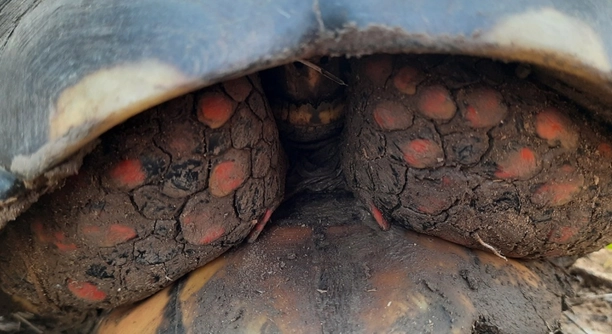
Do you hear strange sounds coming from your red-footed tortoise?
Your red-footed tortoise might make strange noises due to various reasons such as stress, hunger, or respiratory issues. It is important to observe their behavior and check for other signs to determine the cause of the sounds.
Understanding these factors will help you ensure your tortoise is comfortable and healthy. Identifying the underlying issue can make a big difference in your pet’s well-being. Keep reading to learn more about this behavior.
Stress and Anxiety Can Cause Noise
When red-footed tortoises feel stressed or anxious, they may make noises to express discomfort. This can happen if their habitat is too noisy, their space feels unsafe, or they are not used to handling. Tortoises are sensitive to changes, and loud sounds or unfamiliar environments may cause them to make sounds that are out of the ordinary.
Red-footed tortoises thrive in calm environments with minimal disturbances. If they feel threatened, they might retreat into their shell or vocalize to show their distress. Ensuring that their environment is stable and quiet can help reduce these stress-induced noises.
It’s also worth noting that young tortoises are more likely to be stressed, especially if they’ve recently been relocated or are adjusting to a new home. If you notice your tortoise making strange noises regularly, try to identify any changes in their surroundings or routine. Keeping their habitat familiar and stress-free is one of the best ways to ensure their comfort. If the noise persists despite efforts to create a calm setting, it could be time to check for other issues.
Hunger or Thirst Could Be the Issue
When your tortoise is hungry or thirsty, it may make noises to express its discomfort. These sounds can vary in pitch and frequency but often indicate that your pet is looking for food or water.
Make sure you’re feeding your red-footed tortoise enough and providing fresh water daily. If they’re not getting the proper nutrition or hydration, they might start to vocalize. Over time, this could lead to health problems, so keep their feeding schedule consistent.
Respiratory Infections Can Lead to Noise
Respiratory issues are another common reason why a red-footed tortoise might make noises. Coughing or wheezing sounds can indicate a respiratory infection or lung problem, which is serious and requires attention. These conditions are usually caused by improper temperature or humidity levels in their environment.
Tortoises are sensitive to changes in temperature and humidity. If their habitat is too cold or too dry, it can lead to respiratory infections, causing them to make distressing sounds. You might also notice other symptoms such as nasal discharge or labored breathing. It’s important to monitor their environment closely and ensure it matches the specific needs of your tortoise.
If you suspect your tortoise has a respiratory infection, seek veterinary care immediately. A quick response can prevent further complications. Maintaining proper humidity and temperature levels in their habitat is essential for keeping your tortoise healthy and free from infections.
Mating Behavior Can Cause Vocalizations
Red-footed tortoises are known to make noises during mating season. The sounds are often associated with the courtship ritual. Male tortoises may vocalize to attract females or to assert dominance over other males. This is typically a temporary behavior during mating periods.
Understanding mating behavior can help you better interpret your tortoise’s noises. The sounds may vary from grunts to more distinct vocalizations. If the tortoise is in a safe environment and the noises only occur during certain times of the year, it’s most likely related to mating. If the behavior is prolonged or unusually loud, consider isolating the tortoises to reduce stress.
Recognizing these sounds as part of their natural behavior can help you manage their environment better. Ensuring they have enough space and privacy during mating times can help reduce unnecessary noise and stress for both animals.
Illness or Injury Can Cause Vocalizations
An injury or illness can cause your red-footed tortoise to make unusual sounds. These noises might be a sign of pain or discomfort. If your tortoise is injured, it could vocalize in response to the pain.
Check for signs of injury or illness, like swelling, limping, or changes in behavior. If you notice these symptoms, contact a vet. Pain from illness or injury can lead to vocalization as your tortoise attempts to express distress. Prompt care is essential for recovery.
Environmental Factors Affect Their Behavior
Changes in the environment, such as lighting or substrate, can make a tortoise vocalize. They are sensitive to changes in their surroundings.
Ensure your tortoise’s habitat remains consistent to avoid stressing them out. A sudden change in lighting or enclosure setup might result in sounds as they try to adjust to their new environment.
FAQ
Why is my red-footed tortoise making a hissing sound?
Hissing sounds are typically a sign that your tortoise is feeling threatened or stressed. It’s a way of communicating discomfort or fear. This could be due to changes in their environment, improper handling, or the presence of other animals. Hissing can also occur if they are startled or trying to protect themselves. Make sure their habitat is calm, and avoid startling them. If the hissing becomes frequent, check for any possible stressors or health issues, and try to minimize disruptions in their environment.
Should I be worried if my red-footed tortoise is making a squeaking noise?
Squeaking noises can indicate that your tortoise is in pain or distress. This could be a result of an injury or illness. It’s important to examine your tortoise for any visible signs of harm, such as swelling, cuts, or difficulty moving. If you notice these signs, a vet check-up is recommended. Squeaking may also happen if they are trying to communicate discomfort, so paying attention to any changes in behavior, such as reluctance to move or eat, is crucial for proper care.
How can I reduce stress for my red-footed tortoise?
To reduce stress, provide your red-footed tortoise with a stable environment. Keep their habitat at the right temperature and humidity levels and avoid sudden changes. A quiet, calm environment is key to keeping your tortoise relaxed. Regular feeding and hydration also help maintain their comfort. Additionally, minimize handling, as this can cause anxiety. If you need to move them, do so gently and without rushing. Ensure that they have a comfortable space to retreat to if they feel overwhelmed.
What do I do if my red-footed tortoise is making noise due to hunger?
If your tortoise is vocalizing due to hunger, it’s important to assess their feeding schedule and ensure they’re getting the proper nutrition. Red-footed tortoises are herbivores, and their diet should include leafy greens, fruits, and vegetables. If they seem hungry, offer them food and observe their reaction. Make sure they are eating regularly and getting enough food to meet their nutritional needs. If your tortoise continues to make noise despite having food available, it might be a sign of an underlying health issue.
How can I tell if my red-footed tortoise has a respiratory infection?
Signs of a respiratory infection in red-footed tortoises include wheezing, nasal discharge, and labored breathing. If you notice your tortoise making noisy, labored sounds, it may be struggling with a respiratory infection. These issues are often caused by improper humidity or temperature levels. To prevent respiratory problems, maintain your tortoise’s environment within the recommended range. If your tortoise is showing symptoms of an infection, it’s crucial to seek veterinary care as soon as possible. Delaying treatment could lead to severe complications, so early intervention is key to a quick recovery.
Is it normal for red-footed tortoises to make noises when mating?
Yes, it is normal for red-footed tortoises to make noises during mating season. Male tortoises may vocalize to attract females or assert dominance over other males. These noises are usually brief and seasonal. If your tortoise is making sounds only during certain times of the year, it is likely due to mating behavior. This type of vocalization should subside once the mating season ends. However, if the noise continues year-round, it might be worth examining their environment or behavior further.
What environmental factors can cause my red-footed tortoise to make noise?
Changes in the environment, such as changes in light, temperature, or humidity, can cause a red-footed tortoise to make noise. These factors can be stressful for your pet, especially if they are not accustomed to sudden changes. Ensure their habitat is consistent and that their temperature and humidity levels are optimal. If you’ve recently changed their enclosure setup or lighting, give them time to adjust. If they continue to make noise after changes, it may be helpful to revert to their original setup to reduce stress.
Can a red-footed tortoise’s noise be a sign of illness?
Yes, certain types of noise, such as coughing or wheezing, can be a sign of illness, particularly a respiratory infection. Illness can cause discomfort, and tortoises may vocalize to express that they’re not feeling well. In addition to making noise, other signs of illness can include lethargy, loss of appetite, or changes in their appearance. If your tortoise is showing any of these symptoms, it’s important to get them checked by a vet as soon as possible to prevent further complications. Early detection is crucial for effective treatment.
How can I tell if my red-footed tortoise is in pain?
Tortoises are generally good at hiding pain, so it can be tricky to tell if they are suffering. However, there are a few signs to look for, such as unusual vocalizations, changes in behavior, or reluctance to move or eat. If your tortoise is making noises and showing signs of discomfort, like avoiding food or being unusually inactive, it’s important to examine them closely for injuries or signs of illness. If you suspect pain, a visit to the vet is necessary to identify the cause and ensure proper treatment.
Can I do anything to prevent my red-footed tortoise from making noise?
To prevent excessive noise, focus on reducing stress in your tortoise’s environment. Keep their habitat consistent, with stable temperature and humidity levels. Avoid loud sounds or sudden movements that could startle them. Additionally, ensure they are getting enough food, water, and attention. Regular health checks can also help prevent issues that might cause discomfort and lead to vocalization. Lastly, be mindful of their social interactions, as too many animals in the same space can cause stress and result in noisy behavior.
Final Thoughts
Understanding the reasons why your red-footed tortoise is making strange noises can help ensure they are comfortable and healthy. From stress and anxiety to environmental factors like temperature and humidity, there are several causes for these sounds. Tortoises are sensitive creatures that rely on stable, quiet environments to feel safe. By keeping their habitat calm and consistent, you can reduce the likelihood of stress-induced noises. It’s important to recognize that some vocalizations, like hissing or squeaking, may indicate discomfort or pain, so always monitor their behavior closely.
It’s also essential to consider their health and well-being. Respiratory infections and other illnesses are common reasons for vocalizations in tortoises, so staying alert to any changes in behavior, eating habits, or signs of illness is key. If you notice persistent noises accompanied by symptoms like coughing, nasal discharge, or lethargy, it’s best to consult a veterinarian. Addressing any health concerns early on can prevent more serious problems from developing. Proper care, including the right diet, hydration, and regular vet check-ups, plays a big role in preventing medical issues that might lead to noise-making.
Lastly, it’s important to remember that some noises are just part of natural behavior. During mating season, for example, it’s common for red-footed tortoises to vocalize as part of their courtship rituals. While these noises might seem unusual, they are typically harmless and temporary. Understanding the natural behavior of your tortoise and maintaining a calm, stable environment will help keep them happy and healthy. By paying attention to the various factors that can cause vocalizations, you can ensure that your tortoise’s needs are being met and address any concerns promptly.

Hello,
If you enjoy the content that we create, please consider saying a "Thank You!" by leaving a tip.
Every little bit helps us continue crafting quality advice that supports the health, happiness, and well-being of pets around the world, for pets of all shapes, sizes, and species.
We really appreciate the kindness and support that you show us!