
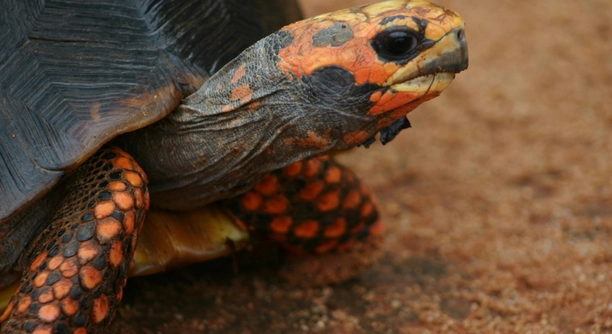
Do you ever find yourself wondering if celery is a safe addition to your red-footed tortoise’s diet? While this crunchy vegetable may seem like a healthy choice, it is important to understand its effects before offering it to your pet.
Celery is not an ideal food for red-footed tortoises due to its high water content and low nutritional value. While it is not toxic, it lacks essential nutrients and contains oxalates, which can interfere with calcium absorption, potentially leading to health issues over time.
Providing a well-balanced diet with nutrient-rich alternatives is essential for your tortoise’s overall health. Understanding the best food options will help you make informed choices for their long-term well-being.
Why Celery Is Not the Best Choice for Red-Footed Tortoises
Celery contains a high amount of water and fiber but lacks the essential nutrients red-footed tortoises need. While it is not toxic, it offers little nutritional value and can lead to digestive issues if fed in excess. Its oxalate content may also interfere with calcium absorption, which is crucial for shell and bone health. Feeding celery too often could result in an unbalanced diet, leaving your tortoise without the necessary vitamins and minerals. Instead of relying on celery, it is best to focus on foods that provide the right nutrients for your pet’s overall well-being.
A small piece of celery occasionally will not harm your tortoise, but it should not be a regular part of their diet. It is always better to prioritize foods that offer more substantial health benefits.
Choosing the right foods for your tortoise ensures proper growth, strong bones, and a healthy digestive system. A balanced diet will keep them active and thriving.
Healthy Alternatives to Celery
Leafy greens such as dandelion greens, collard greens, and mustard greens are excellent choices for red-footed tortoises. These greens provide essential vitamins and minerals, supporting their overall health. Including a variety of fresh vegetables and occasional fruits helps maintain a well-rounded diet.
A well-balanced diet for red-footed tortoises should include leafy greens, vegetables, and limited amounts of fruit. Bell peppers, squash, and carrots offer valuable nutrients without excessive water content. Fruits like mango and papaya can be given in moderation as a treat. Avoid feeding iceberg lettuce, as it provides little nutrition and can cause digestive issues. Calcium is also essential, so consider adding a calcium supplement or providing cuttlebone. Offering a mix of these foods ensures your tortoise gets everything they need to stay healthy. Making thoughtful choices about their diet will contribute to their long-term well-being.
How Often to Feed Vegetables to Red-Footed Tortoises
Vegetables should make up a significant portion of a red-footed tortoise’s diet, but moderation is key. Feeding a variety of vegetables daily ensures proper nutrition while preventing digestive issues. Mixing different nutrient-rich options helps maintain a balanced diet and supports overall health.
A diet consisting of around 70% leafy greens and vegetables is ideal for red-footed tortoises. Providing a mix of dandelion greens, collard greens, and bell peppers ensures they receive essential vitamins and minerals. Vegetables should always be fresh and chopped into manageable pieces. Avoid overfeeding watery vegetables like celery, as excessive moisture can lead to loose stools and nutritional imbalances. Regularly rotating vegetables prevents monotony and encourages natural feeding behaviors.
Feeding schedules should be consistent, with fresh vegetables offered daily. In addition to vegetables, protein sources like earthworms or snails can be included occasionally. Calcium supplementation is also important to prevent deficiencies.
Signs of a Healthy Diet in Red-Footed Tortoises
A well-balanced diet leads to an active tortoise with a strong shell and clear eyes. Their shell should be smooth and firm, indicating proper calcium intake. Healthy tortoises maintain a steady weight, have a good appetite, and show curiosity toward their food.
Poor diet choices can result in soft shells, sluggish behavior, or irregular eating habits. If a tortoise refuses food, appears lethargic, or develops pyramiding (abnormal shell growth), dietary adjustments are necessary. Providing more calcium-rich foods and reducing high-water-content vegetables can help correct imbalances. Ensuring access to UVB lighting also plays a role in calcium absorption and shell strength.
Maintaining variety in their diet is essential for long-term health. Rotating greens, vegetables, and occasional fruits prevents nutritional deficiencies. Regularly monitoring weight and shell condition helps identify potential issues early. With proper feeding habits, red-footed tortoises can stay healthy and thrive for many years.
Foods to Avoid When Feeding Red-Footed Tortoises
Certain foods can harm red-footed tortoises and should be avoided. Iceberg lettuce lacks nutrition and can cause digestive issues. Spinach contains high oxalates, which interfere with calcium absorption. Processed foods, dairy, and meat should never be given, as they are not suitable for a tortoise’s digestive system.
Fruits should be fed in moderation since too much sugar can lead to health problems. Avoid citrus fruits like oranges and lemons, as they are too acidic. Avocados are toxic and should never be offered. Sticking to a diet of safe, nutrient-rich vegetables ensures proper growth and long-term health.
The Importance of Hydration for Red-Footed Tortoises
Providing fresh water daily is essential for hydration. A shallow dish should be available at all times, allowing easy access. Red-footed tortoises also absorb moisture through soaking, so offering a shallow water bath a few times a week helps prevent dehydration and supports digestion.
Final Thoughts on Feeding Red-Footed Tortoises
A well-balanced diet keeps red-footed tortoises active and healthy. Offering the right mix of vegetables, fruits, and occasional protein sources ensures they receive the nutrients they need. Paying attention to hydration and avoiding harmful foods will help them thrive for years to come.
FAQ
Can red-footed tortoises eat celery leaves?
Celery leaves are safe in small amounts but should not be a primary food source. They contain fiber and some vitamins but lack the necessary nutrients for a balanced diet. Offering them occasionally alongside nutrient-rich greens is fine, but they should not replace staple vegetables.
Why should celery be limited in a red-footed tortoise’s diet?
Celery is mostly water and lacks significant nutritional value. Feeding too much can lead to diarrhea and an imbalanced diet. Since red-footed tortoises require calcium and fiber-rich foods, it is best to focus on vegetables like dandelion greens, mustard greens, and squash.
What vegetables are best for red-footed tortoises?
Dark leafy greens like collard greens, turnip greens, and kale provide essential nutrients. Bell peppers, carrots, and squash add variety and vitamins. A mix of these vegetables ensures a balanced diet, while avoiding high-water-content foods like iceberg lettuce and cucumber prevents digestive issues.
Can red-footed tortoises eat fruits?
Fruits can be offered in moderation as a treat. Options like papaya, mango, and berries provide natural sugars and vitamins. However, excessive fruit consumption can lead to digestive problems and imbalances. Limit fruit intake to no more than 10% of their overall diet.
How often should red-footed tortoises eat?
Daily feedings with a variety of vegetables and occasional fruit keep red-footed tortoises healthy. Hatchlings and young tortoises require more frequent meals, while adults can be fed once a day. Monitoring their weight and appetite ensures proper nutrition without overfeeding.
Do red-footed tortoises need protein?
Red-footed tortoises benefit from occasional protein sources. In the wild, they consume insects and small invertebrates. Offering cooked egg, earthworms, or snails once or twice a month helps maintain their health. However, excessive protein can cause kidney issues, so portions should be controlled.
Can red-footed tortoises eat flowers?
Edible flowers like hibiscus, dandelions, and nasturtiums are safe and provide additional nutrients. Flowers add variety to their diet and can encourage natural foraging behaviors. Avoid flowers treated with pesticides or fertilizers, as these can be harmful.
What should be avoided in a red-footed tortoise’s diet?
Toxic or unhealthy foods include avocados, rhubarb, onions, garlic, and mushrooms. Processed foods, dairy, and bread are also harmful. Avoid feeding too many high-oxalate vegetables, like spinach and beet greens, as they interfere with calcium absorption.
Do red-footed tortoises need supplements?
Calcium and vitamin D3 supplements are essential, especially for tortoises kept indoors. Dusting food with calcium powder a few times a week helps prevent deficiencies. Proper UVB lighting also plays a crucial role in calcium absorption and shell development.
How much water do red-footed tortoises need?
Red-footed tortoises require constant access to fresh water. A shallow dish should always be available for drinking. Regular soaking, about two to three times a week, helps keep them hydrated and supports digestion. Dehydration can lead to serious health problems, so monitoring water intake is important.
Can red-footed tortoises eat store-bought tortoise food?
Some commercial tortoise foods are formulated to provide balanced nutrition, but they should not replace fresh vegetables. If used, choose high-quality options with natural ingredients and avoid those with artificial additives. Fresh produce should always be the main part of their diet.
How can I tell if my tortoise is getting proper nutrition?
A healthy red-footed tortoise has a smooth, firm shell, clear eyes, and an active demeanor. Weight should remain stable, and their appetite should be consistent. If signs of weakness, soft shell, or lack of appetite appear, dietary adjustments may be necessary.
What are signs of an unhealthy diet in red-footed tortoises?
Poor diet choices can cause lethargy, soft shells, pyramiding, or digestive issues. Overfeeding fruits or low-nutrient vegetables may lead to weight gain or loose stools. A well-balanced diet, proper hydration, and occasional supplementation prevent common health issues.
How can I encourage my tortoise to eat a variety of vegetables?
Mixing different vegetables in their meals helps encourage variety. Chopping greens into small pieces and blending them with preferred foods can make them more appealing. Occasionally changing the selection keeps feeding time interesting and ensures they receive a range of nutrients.
Do red-footed tortoises need different diets based on their age?
Young tortoises require more calcium and protein for growth, while adults need a stable, fiber-rich diet. Hatchlings should have finely chopped greens and occasional protein sources. As they mature, their diet should consist primarily of vegetables, with protein given sparingly.
Final Thoughts
Providing a balanced diet for a red-footed tortoise ensures proper growth, shell strength, and overall health. A variety of leafy greens, vegetables, and occasional fruits keeps them nourished while preventing nutritional deficiencies. Safe protein sources, such as earthworms or cooked eggs, can be offered sparingly. Fresh water should always be available, and regular soaking helps with hydration. Avoiding harmful foods like avocados, onions, and processed items reduces the risk of digestive or metabolic issues. Consistency in feeding and monitoring their appetite, weight, and activity levels helps maintain a healthy routine.
Proper habitat conditions support digestion and overall well-being. UVB lighting is essential for calcium absorption and shell development. A well-maintained enclosure with adequate temperature and humidity levels mimics their natural environment, reducing stress and promoting healthy eating habits. Providing a mix of edible plants and safe foraging opportunities encourages natural behaviors. Regular health checkups help detect early signs of illness, ensuring any issues are addressed before they become serious.
Caring for a red-footed tortoise requires patience and commitment, but following proper dietary and habitat guidelines keeps them healthy for years. Their diet should be adjusted as they grow, meeting their changing nutritional needs. Observing their eating habits and physical condition helps identify any concerns early. A well-fed and well-cared-for tortoise remains active and thrives in captivity.

Hello,
If you enjoy the content that we create, please consider saying a "Thank You!" by leaving a tip.
Every little bit helps us continue crafting quality advice that supports the health, happiness, and well-being of pets around the world, for pets of all shapes, sizes, and species.
We really appreciate the kindness and support that you show us!