
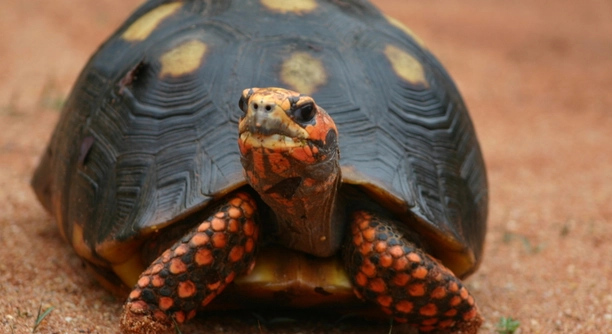
Red-footed tortoises are fascinating creatures, known for their colorful shells. However, at times, their shells can lose their vibrant shine, leaving them looking dull. This may be concerning for many tortoise owners.
The main reason for a red-footed tortoise’s dull shell is often a lack of proper care, including inadequate diet, environmental factors, or improper humidity levels. Additionally, excessive exposure to sunlight or lack of natural shedding can contribute to this issue.
By understanding the causes behind this shell dullness, you can better care for your tortoise and restore its shell’s natural luster. Keep reading to discover how you can help your tortoise regain its vibrant appearance.
Poor Diet and Nutrition
One of the main reasons for a dull shell is an improper diet. Red-footed tortoises need a balanced, nutrient-rich diet that includes fresh fruits, vegetables, and occasional protein sources. When they lack essential vitamins and minerals, such as calcium and vitamin A, their shells can become lackluster or even develop soft spots. Calcium is particularly important for maintaining the shell’s strength and color.
Without enough calcium, their shells may lose their natural shine and become weak. Vitamin A also plays a role in maintaining healthy skin and shell growth, preventing dullness. Feeding your tortoise a variety of leafy greens like dandelion, kale, and collard greens, as well as safe fruits like papaya, can help boost their nutrition.
Supplying a proper diet not only supports a healthy shell but also keeps the tortoise in good overall health. Ensure they have access to fresh food daily and avoid overfeeding fruits, as they are high in sugar and may lead to health issues. With the right nutrition, your tortoise’s shell can regain its vibrant look.
Environmental Conditions
The environment in which your tortoise lives plays a big role in how its shell looks. If your tortoise’s habitat is too dry or humid, it may affect its skin and shell health. Keeping humidity levels within the recommended range helps prevent the shell from becoming dry and dull.
When the tortoise doesn’t have access to the right balance of warmth and humidity, it can lead to dehydration or shed improperly. Make sure the enclosure is equipped with a humidity source, such as a water dish or a misting system, and monitor the temperature to keep it within the ideal range.
Providing your tortoise with a consistent environment will encourage proper shedding and help maintain its natural color. Ensure your tortoise’s living space has both a warm basking area and a cooler section to mimic natural conditions, allowing it to thrive and keep its shell looking healthy.
Improper Lighting
Lighting plays a crucial role in maintaining your tortoise’s shell health. If the lighting setup is inadequate, it can lead to dullness and poor shell condition. Tortoises need access to both UVB light for proper calcium absorption and UVA light for overall well-being.
Without proper lighting, your tortoise may struggle to process vitamins and minerals from its diet. This can result in weak shells, slow growth, and dull colors. A lack of UVB light prevents the tortoise from synthesizing vitamin D3, which is essential for calcium metabolism. Without this, the shell may not develop correctly, losing its natural shine.
To correct this, use UVB bulbs designed for reptiles, placed at the appropriate distance from your tortoise. Regularly replace bulbs to ensure they continue emitting the necessary light spectrum. A proper lighting setup is crucial in maintaining the health of your red-footed tortoise’s shell, preventing dullness and other health concerns.
Overexposure to Sunlight
Too much direct sunlight can also cause damage to your tortoise’s shell. Prolonged exposure to harsh sunlight can cause the shell to dry out, resulting in a dull and unhealthy appearance. While some sun is important for your tortoise’s health, balance is key.
Excessive sunlight can lead to dehydration, leaving the shell brittle and lackluster. Additionally, this can cause the skin to lose moisture, making it harder for the tortoise to shed its old layers properly. It’s important to provide your tortoise with enough sun for basking but to also ensure they have areas of shade to retreat to when needed.
If you are letting your tortoise spend time outside, be sure to monitor the amount of time it spends in direct sunlight. Avoid letting them stay too long, and ensure they always have access to shade and water.
Poor Hydration
Dehydration can make your red-footed tortoise’s shell appear dull and dry. Without enough water, the shell may lose its natural luster and elasticity, leading to poor overall health. Always provide fresh, clean water for your tortoise to drink and soak in.
Without sufficient hydration, tortoises may also struggle to shed their old skin properly. This can cause the shell to become flaky or uneven, leading to further dullness. Ensure your tortoise has access to fresh water daily. You may also consider occasional soaking to help with hydration and skin health, especially if your tortoise seems to be struggling with shedding.
Lack of Proper Shedding
Improper shedding can contribute to a dull shell. If your tortoise is unable to shed old skin and scutes correctly, it can cause buildup, making the shell look unhealthy. Regular shedding is important for a vibrant, healthy appearance.
To assist with proper shedding, ensure your tortoise is kept in an environment with the right humidity levels. If necessary, provide a shallow water dish for soaking. Soaking can help loosen old skin and aid in the shedding process. This will help your tortoise shed its old layers, allowing the shell to appear fresh and shiny once again.
Stress and Anxiety
Stress can have an impact on your tortoise’s overall appearance, including its shell. When a tortoise is stressed, it may not eat or hydrate properly, leading to dullness in its shell. Stress can be caused by improper handling, noisy environments, or even incompatible tank mates.
A stressed tortoise may also experience a weakened immune system, which can contribute to poor health and dull shell appearance. To reduce stress, keep your tortoise’s environment calm and stable. Avoid loud noises, sudden temperature changes, or overcrowding in the tank. Providing a stress-free environment is key to maintaining a healthy, shiny shell.
FAQ
Why is my red-footed tortoise’s shell turning dull?
There are several possible reasons for a dull shell. Poor diet, dehydration, improper lighting, and environmental stress can all lead to a loss of vibrancy. Without enough nutrients like calcium and vitamin A, or without the right balance of humidity and sunlight, your tortoise’s shell may lose its natural shine. Stress can also play a big role, as it affects both the tortoise’s eating habits and overall health. A healthy environment and proper care are key to preventing shell dullness.
What can I do to fix my tortoise’s dull shell?
Start by improving your tortoise’s diet. Offer a balanced mix of dark leafy greens, fruits, and occasional protein to ensure it gets the proper vitamins and minerals. Maintain a stable environment with the right humidity levels, temperature, and access to UVB light. Regular hydration is important, so provide fresh water and consider soaking your tortoise to help with hydration. Lastly, ensure your tortoise is not exposed to excessive sunlight or stressed by other factors in its environment.
How can I make sure my tortoise gets enough calcium for its shell?
To ensure your tortoise is getting enough calcium, feed it foods high in calcium, like collard greens, dandelion leaves, and kale. You can also provide a calcium supplement in the form of a powdered powder or cuttlebone. Make sure your tortoise has access to UVB light, as it helps with calcium absorption. Calcium is essential for maintaining a strong, healthy shell and preventing it from becoming dull or weak.
How often should I soak my tortoise to keep its shell healthy?
Soaking your tortoise once or twice a week can help keep its shell healthy and hydrated, especially if your tortoise is prone to dehydration. You can soak your tortoise in shallow, lukewarm water for 15 to 20 minutes. Ensure the water level is shallow enough to prevent your tortoise from being submerged completely, as they may become stressed if they cannot easily climb out. Soaking can also help with the shedding process, keeping the shell looking fresh.
Is UVB lighting really necessary for my tortoise’s shell health?
Yes, UVB lighting is essential for your tortoise’s shell health. Without proper UVB exposure, your tortoise cannot synthesize vitamin D3, which is crucial for calcium absorption. Without enough calcium, the shell can become weak, brittle, and dull. Make sure to provide a UVB light source in your tortoise’s enclosure, and replace the bulbs regularly to ensure they are emitting the proper spectrum of light.
Can stress affect my tortoise’s shell appearance?
Yes, stress can lead to a dull shell. Stress affects your tortoise’s overall well-being, including its eating and drinking habits, which in turn affects the health of its shell. A stressed tortoise may not eat properly, causing a decline in nutrition and hydration, both of which are necessary for shell health. To reduce stress, create a calm and stable environment, avoid loud noises, and ensure your tortoise has plenty of space to move around.
How can I prevent shell dullness in my tortoise in the future?
Prevention starts with proper care. Provide your tortoise with a balanced diet rich in essential vitamins and minerals, especially calcium and vitamin A. Ensure it has access to clean water and the right lighting, including both UVB and UVA light. Maintain an appropriate humidity level and temperature in its enclosure. Regularly check for any signs of stress or dehydration and take action as needed. With these steps, you can keep your tortoise’s shell vibrant and healthy.
Is it normal for a tortoise’s shell to lose some color over time?
Yes, some color changes are normal as a tortoise ages. However, a significant loss of color or a consistently dull shell may indicate underlying issues. If your tortoise’s shell is losing its vibrancy due to poor care, such as a lack of proper diet, hydration, or lighting, it may need attention. Regular care and maintenance will ensure the shell remains healthy throughout its life.
Can I use oil or wax to make my tortoise’s shell shiny again?
It is not recommended to apply oil or wax to your tortoise’s shell. These substances can block the shell’s natural ability to breathe and can lead to irritation or other health problems. Instead, focus on providing the proper care, including a balanced diet, appropriate lighting, and hydration, to naturally restore the shell’s health and shine.
How long does it take for my tortoise’s shell to look healthy again?
The time it takes for your tortoise’s shell to regain its healthy appearance depends on the underlying cause. If the dullness is due to dehydration or improper diet, improvement can be seen within a few weeks of proper care. If the cause is more severe, such as shell damage or illness, recovery may take longer. Consistency in providing the right care is essential for long-term shell health.
Can I bathe my tortoise to help with its shell health?
Bathing your tortoise can help with hydration, especially if it has been dehydrated. However, baths should not replace proper soaking, which is more effective for hydration. A bath can also assist in loosening old skin or scutes that need to be shed, which can improve the shell’s appearance. Always ensure the water is shallow and that your tortoise can easily exit the bath if it becomes stressed.
Should I be worried if my tortoise’s shell has cracks or indentations?
Cracks or indentations in your tortoise’s shell can be a sign of a serious problem, such as injury, malnutrition, or improper calcium levels. If you notice cracks or damage, it’s important to consult a veterinarian to rule out any underlying health issues. In some cases, the shell can heal with proper care, but medical attention may be necessary for severe damage.
What’s the ideal humidity level for my tortoise’s enclosure?
For a red-footed tortoise, the ideal humidity level should be around 60-80%. This can be achieved by misting the enclosure, providing a shallow water dish, or using a humidity gauge to monitor the environment. Proper humidity is essential for healthy skin and shell shedding, preventing dullness or dryness.
Final Thoughts
Taking care of a red-footed tortoise requires attention to its diet, environment, and overall health. A dull shell is often a sign that something isn’t quite right, and addressing the cause can make a big difference in restoring its appearance. Whether it’s a lack of proper lighting, improper humidity, or an unbalanced diet, making simple adjustments can have a noticeable impact. Red-footed tortoises thrive when given a varied diet that includes the right vitamins and minerals. Calcium, in particular, plays a crucial role in maintaining the health and strength of their shells.
The right habitat is equally important. Tortoises need an environment that mimics their natural surroundings, which means proper lighting, temperature, and humidity. Without these, the tortoise may struggle to process nutrients, leading to issues like a dull or weak shell. Ensuring your tortoise has access to UVB light helps it absorb the necessary vitamins for shell development. Consistent care, like offering fresh water, soaking regularly, and keeping its living area clean and stable, can also go a long way in preventing shell dullness.
If your red-footed tortoise’s shell remains dull despite improving its care, it’s important to consult a veterinarian. Sometimes underlying health issues, such as infections or shell damage, can contribute to the problem. Regular check-ups will help catch any issues early and ensure your tortoise stays healthy for years to come. By staying observant and providing the proper environment, diet, and care, you can help your tortoise maintain its natural beauty and improve its quality of life.

Hello,
If you enjoy the content that we create, please consider saying a "Thank You!" by leaving a tip.
Every little bit helps us continue crafting quality advice that supports the health, happiness, and well-being of pets around the world, for pets of all shapes, sizes, and species.
We really appreciate the kindness and support that you show us!