
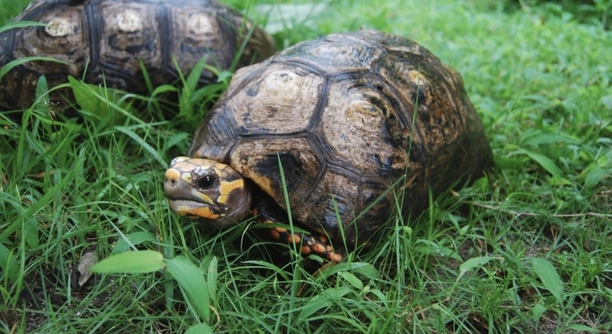
Red-footed tortoises are popular pets, known for their slow movements and unique appearance. While they thrive on a specific diet, you may wonder about feeding them other types of food. It’s important to understand the potential risks.
Red-footed tortoises should not be fed cat food. This type of food is formulated for carnivorous animals and lacks the proper nutrients for herbivorous reptiles like tortoises. It may lead to serious health issues, including kidney damage and obesity.
Understanding the dangers of feeding your tortoise inappropriate food will help you make better choices for its well-being.
Why Is Cat Food Harmful to Red-Footed Tortoises?
Cat food is designed for carnivores, not herbivores like red-footed tortoises. These tortoises require a diet rich in fiber, calcium, and various vitamins, which cat food simply does not provide. Cat food is also too high in protein and fat, which can overwhelm their digestive systems. Over time, feeding them this type of food can cause serious health problems, including kidney damage, liver issues, and obesity. Additionally, tortoises that consume inappropriate food often show signs of lethargy and poor growth. Red-footed tortoises need a carefully balanced diet of fruits, vegetables, and other plant-based foods that suit their natural needs. Feeding them cat food may seem convenient, but the risk to their health is too high.
Feeding your tortoise the right food is essential for its long-term health. Providing a proper diet will ensure it thrives and avoids unnecessary health complications.
What Should You Feed Your Red-Footed Tortoise Instead?
To properly care for a red-footed tortoise, offer a variety of fresh leafy greens, fruits, and vegetables. Foods like dandelion greens, collard greens, and squash are excellent choices. You can also add fruits like papaya and strawberries, but in moderation, to avoid excess sugar intake. Offering a balanced diet will help maintain their health, providing them with the necessary nutrients to live a long, healthy life. Make sure the food is properly cleaned and cut into bite-sized pieces for easy consumption. Including a calcium supplement in their diet is also essential to prevent shell deformities.
By carefully selecting the right foods for your tortoise, you are helping it grow strong and healthy. Avoiding processed foods like cat food can prevent costly vet visits and ensure your tortoise lives a vibrant life.
Potential Health Risks of Feeding Cat Food
Feeding cat food to red-footed tortoises can cause a number of health issues. The excessive protein and fat content disrupts their digestive system, which is designed for plant-based foods. This imbalance can lead to kidney and liver problems, making your tortoise prone to long-term health complications.
Cat food contains ingredients that are not suitable for tortoises, such as preservatives and animal proteins, which can lead to kidney stress. When fed regularly, it can also contribute to obesity. Obesity, in turn, can affect mobility and overall quality of life. It’s important to stick to foods designed for herbivores to avoid these dangers. The high fat content also disrupts the natural metabolic process in tortoises, leading to a risk of fatty liver disease. Over time, these issues can result in premature death if not addressed.
The Role of a Balanced Diet in Your Tortoise’s Health
A balanced diet is essential for the overall well-being of red-footed tortoises. Providing fresh, organic leafy greens and a variety of fruits and vegetables mimics their natural diet and ensures they receive all the necessary nutrients. Foods like dandelion greens, collard greens, and hibiscus leaves are rich in calcium, which supports healthy shell development. Red-footed tortoises also benefit from fruits such as papayas and mangoes, which help provide necessary hydration.
Incorporating a variety of plant-based foods helps to keep your tortoise active and healthy. A proper diet supports its immune system, promotes healthy digestion, and encourages growth. Don’t forget to offer occasional calcium supplements to prevent issues like metabolic bone disease. Sticking to a natural diet reduces the risk of many diseases and ensures your tortoise enjoys a longer life.
Signs of Poor Diet in Red-Footed Tortoises
When red-footed tortoises are fed an improper diet, they can show signs of illness. Common symptoms include lethargy, weight loss, and lack of appetite. They may also become more prone to infections due to a weakened immune system.
You may also notice your tortoise developing a soft or deformed shell. This is often due to a calcium deficiency, which is common in tortoises fed improper foods. Other signs include discolored skin or abnormal growth patterns. Addressing these symptoms early can help prevent serious complications, so it’s important to monitor their health closely.
The Importance of Hydration
Hydration is just as crucial as diet for your tortoise’s well-being. Providing fresh water daily ensures that they stay hydrated and helps their digestive system function properly. A dehydrated tortoise is at risk of kidney damage and other complications.
Make sure their water dish is large enough for them to drink and soak in if they wish. Some tortoises enjoy soaking in water to hydrate and maintain healthy skin. Keep the water clean and free from any contaminants to prevent any health issues.
FAQ
Can red-footed tortoises eat meat?
Red-footed tortoises are primarily herbivores. They should not be fed meat, as their digestive system is not equipped to process animal proteins. A diet rich in fruits, vegetables, and leafy greens is best for their health. While small amounts of protein from insects or worms are sometimes acceptable, it should be given sparingly. Overfeeding protein can lead to kidney and liver issues, which can significantly harm your tortoise’s health in the long term.
Is it okay to feed my red-footed tortoise cat food once in a while?
It is not recommended to feed your red-footed tortoise cat food at any time. Even on an occasional basis, cat food can lead to serious health problems like kidney failure and obesity. The high protein and fat content in cat food is harmful to their system. Stick to foods specifically designed for herbivores to ensure they get the proper nutrients and avoid potential health complications.
What should I do if my red-footed tortoise stops eating?
If your red-footed tortoise refuses to eat, it could be a sign of illness or environmental stress. Check the temperature and humidity in their habitat. Tortoises are highly sensitive to environmental changes, and improper conditions can cause them to stop eating. Ensure their diet is balanced, and consider offering different foods they might prefer. If the problem persists for more than a few days, consult a veterinarian to rule out any underlying health conditions.
Can red-footed tortoises eat fruit every day?
Fruit should be offered in moderation to red-footed tortoises. While they enjoy fruits like papaya, mango, and strawberries, too much sugar can upset their digestive system. A good rule of thumb is to provide fruit once or twice a week, with a primary focus on leafy greens and other vegetables for their daily meals. Excess fruit can lead to weight gain and may cause problems like diarrhea.
How much should I feed my red-footed tortoise?
The amount of food you feed your red-footed tortoise depends on its size and age. For adults, provide a portion roughly equivalent to the size of their shell, but adjust based on their activity level and weight. For younger tortoises, feed them more frequently, offering smaller portions throughout the day. A balanced diet of greens, fruits, and occasional treats like flowers is essential for their growth and health.
Can I feed my red-footed tortoise processed food?
Processed foods, including canned vegetables or snacks, should be avoided for red-footed tortoises. These often contain preservatives, excessive salt, and artificial ingredients that are not suitable for their digestive system. Stick to fresh, natural foods to ensure your tortoise gets the vitamins and minerals it needs to thrive.
How do I ensure my red-footed tortoise gets enough calcium?
Calcium is crucial for the healthy development of your red-footed tortoise’s shell and bones. To provide sufficient calcium, offer calcium-rich foods such as dark leafy greens (like collard greens, mustard greens, and dandelion leaves). You can also provide a calcium supplement, either as a powder sprinkled on food or through a cuttlebone in their enclosure. Regular exposure to UVB light helps them absorb calcium more efficiently.
Should I give my red-footed tortoise vitamin supplements?
If your red-footed tortoise is eating a varied, balanced diet, vitamin supplements may not be necessary. However, if your tortoise is showing signs of nutritional deficiency, a multivitamin supplement designed for reptiles may be beneficial. Always consult a veterinarian before introducing supplements to ensure you’re meeting their specific needs.
How can I tell if my red-footed tortoise is overweight?
An overweight tortoise may have difficulty moving and may display an abnormally large, round body. Its shell may appear bloated, and the tortoise may be less active. Keep track of its weight and ensure its diet is appropriately balanced with enough fiber and few fatty or sugary foods. If concerned, consult a vet for an accurate assessment of your tortoise’s health.
Is it okay for red-footed tortoises to eat flowers?
Red-footed tortoises can eat a variety of edible flowers, including hibiscus, dandelions, and pansies. These flowers are a good source of vitamins and fiber. Just ensure the flowers haven’t been treated with pesticides or chemicals. Always wash flowers thoroughly before offering them to your tortoise, and avoid toxic varieties like lilies.
What temperature should my red-footed tortoise’s habitat be?
Red-footed tortoises require a warm habitat with temperatures ranging between 75°F and 85°F (24°C to 29°C) during the day. They also need a basking area where the temperature can reach up to 95°F (35°C). At night, temperatures can drop to around 70°F (21°C). Maintaining these temperatures ensures your tortoise remains healthy and active.
How often should I clean my red-footed tortoise’s enclosure?
Clean your red-footed tortoise’s enclosure regularly to prevent bacteria and mold growth. Spot clean daily, removing waste and uneaten food, and disinfect the entire enclosure once a week. Changing the bedding, cleaning the water dish, and ensuring the enclosure stays dry and sanitary will help keep your tortoise healthy and comfortable.
Can I feed my red-footed tortoise the same food every day?
While red-footed tortoises thrive on a plant-based diet, it’s important to vary the foods you offer to ensure they receive all necessary nutrients. A mix of leafy greens, fruits, and occasional flowers provides diversity. Avoid feeding the same food every day to prevent nutrient imbalances and keep your tortoise interested in its meals.
What should I do if my red-footed tortoise’s shell becomes soft?
A soft shell is a sign of calcium deficiency or improper diet. To fix this, increase the calcium intake by offering calcium-rich foods, supplements, and adequate UVB exposure. Consult a veterinarian if the problem persists, as it could indicate metabolic bone disease or other health issues.
Final Thoughts
Feeding your red-footed tortoise the right food is crucial for its health and well-being. While it may be tempting to offer a variety of foods, it’s important to remember that tortoises have specific dietary needs. Their digestive systems are not suited for high-protein or high-fat foods like cat food, and feeding them such items can lead to serious health problems. Stick to a diet made up of fresh fruits, vegetables, and leafy greens, with an occasional treat of flowers or insects. This will ensure that your tortoise stays healthy and active for years to come.
Understanding the risks of feeding cat food to your red-footed tortoise is key to preventing long-term health issues. Cat food is designed for carnivores, which means it contains ingredients that can cause kidney and liver damage in tortoises. High protein and fat content can overwhelm their systems, leading to obesity, organ failure, and other complications. Providing a diet suited for herbivores helps to avoid these issues and gives your tortoise the best chance at a long, healthy life. Be mindful of portion sizes and the type of food you offer to prevent overfeeding and underfeeding.
In conclusion, it’s essential to do proper research and understand the dietary requirements of red-footed tortoises to ensure they thrive in captivity. Offering a well-balanced diet and avoiding harmful foods like cat food will help your tortoise live a long, healthy life. Regularly check on their behavior, weight, and shell condition, and make adjustments to their diet as needed. If you have concerns about your tortoise’s health, always consult with a veterinarian experienced in reptiles. Keeping your red-footed tortoise healthy is a combination of providing the right foods, a suitable environment, and ongoing care.

Hello,
If you enjoy the content that we create, please consider saying a "Thank You!" by leaving a tip.
Every little bit helps us continue crafting quality advice that supports the health, happiness, and well-being of pets around the world, for pets of all shapes, sizes, and species.
We really appreciate the kindness and support that you show us!