
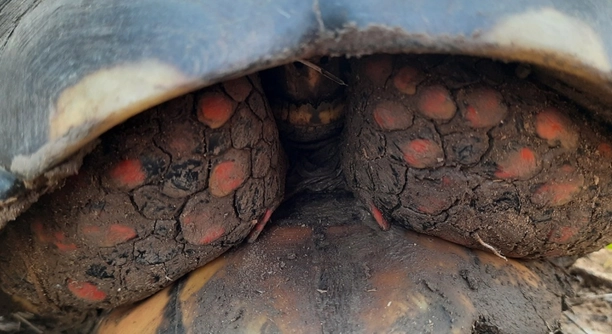
Red-footed tortoises are fascinating creatures with unique behaviors. Observing them in their natural habitat can provide valuable insights into their lifestyle. Understanding these behaviors helps us appreciate their needs and how they interact with their surroundings.
The best way to observe a red-footed tortoise’s natural behavior is by providing a suitable environment. Allowing them to roam freely and interact with their surroundings helps reveal their true habits. This approach promotes natural behaviors such as foraging, nesting, and socializing.
By learning more about these gentle creatures, you can create an enriching experience for both you and your tortoise. Observing their natural habits benefits their well-being and deepens your connection with them.
Create a Natural Habitat for Your Tortoise
A red-footed tortoise thrives in a natural environment, where it can exhibit its instincts. A spacious enclosure mimicking their native habitat encourages them to engage in natural behaviors. It’s important to offer a variety of elements such as plants, rocks, and water sources. These provide opportunities for foraging, resting, and basking. The environment should have both shaded and sunny areas for the tortoise to regulate its body temperature. Providing these elements allows the tortoise to feel more at ease and less stressed.
It’s vital to avoid overcrowding the habitat. Red-footed tortoises need ample space to explore, hide, and move around without feeling threatened. This reduces stress and allows for more natural behavior.
Ensuring the proper temperature, humidity, and substrate is essential for the tortoise’s well-being. A well-maintained habitat promotes a happy tortoise. It also encourages more authentic behaviors, like digging, which is common in the wild. These behaviors should not be ignored, as they are crucial to the tortoise’s overall health and happiness.
Observation Techniques for Natural Behaviors
When observing your tortoise, allow it to feel comfortable in its space. Avoid disturbing them too much, as this can cause anxiety. Sit back, watch, and take note of how they interact with their environment. Patience is key to understanding their natural behavior.
Look for signs of curiosity as they explore their surroundings. These might include digging, climbing, or wandering toward new areas. These actions are vital for the tortoise’s physical and mental stimulation.
Offer a Variety of Foods
Red-footed tortoises enjoy a varied diet. Providing a mix of fruits, vegetables, and leafy greens mimics their natural foraging habits. It’s important to offer different textures and flavors to keep them engaged. A variety of foods also ensures they receive the necessary nutrients for a healthy lifestyle.
In the wild, these tortoises are opportunistic feeders, often consuming whatever is available. Replicating this behavior in captivity encourages them to display more natural tendencies. You’ll notice that they spend time searching for their food, which is part of their instinctive behavior. This act of foraging also helps maintain their mental and physical health.
Including occasional protein-rich foods such as insects or small amounts of cooked eggs can add further enrichment. Always avoid feeding them processed or sugary foods, as these can disrupt their diet and overall health. A balanced and diverse diet enhances the well-being of your red-footed tortoise.
Observe Social Interactions
Red-footed tortoises are not solitary creatures. They interact with others in the wild, often engaging in various social behaviors. This includes mating, establishing territories, and sometimes even fighting over resources. In captivity, you can observe these same behaviors, though they may be less frequent.
Allowing your tortoise to have a companion in its enclosure can be beneficial. Watching how they communicate and establish social structures offers insight into their natural tendencies. However, make sure that the space is large enough to prevent aggression, as red-footed tortoises can be territorial. They may show dominance through physical gestures, like head-bobbing or pushing one another.
When introducing another tortoise, it’s essential to monitor their interactions closely. Some tortoises may not get along, especially if one feels threatened. Ensuring each tortoise has its own space helps minimize conflicts and lets them engage in social interactions naturally.
Provide Hiding Spots
Hiding spots are essential for a red-footed tortoise’s well-being. These tortoises often seek shelter to rest or feel secure. By offering spaces such as caves, logs, or dense plants, you provide them with the opportunity to retreat when they need peace.
Having a hiding spot is also crucial for their sense of security. In the wild, they would naturally find sheltered areas to protect themselves from predators or extreme weather. Mimicking this behavior helps reduce stress and encourages a more relaxed and comfortable tortoise. These spaces should be accessible, allowing them to retreat when necessary.
Encourage Basking
Red-footed tortoises bask in the sun to regulate their body temperature. Providing a basking area with a heat source allows them to fulfill this instinct. These areas should be positioned under a heat lamp, ensuring they can soak up warmth when needed.
Basking is vital for their digestion and overall health. The right temperature will help them metabolize food and absorb calcium, which is essential for strong bones. Over time, you’ll notice your tortoise basking regularly, showing that the environment suits its natural needs. Always monitor the temperature to avoid overheating.
Use Natural Substrate
Natural substrates like coconut coir or soil create a more realistic habitat. These materials encourage burrowing, a natural behavior for tortoises. The substrate should be kept moist to allow for comfortable digging and nesting. It also prevents the growth of harmful bacteria.
A natural substrate will allow your tortoise to engage in more instinctive behaviors. Over time, you may see your tortoise digging to create a nest or cool down. These actions are essential for their comfort, health, and overall well-being. Be sure to replace the substrate regularly to maintain cleanliness.
FAQ
How often should I feed my red-footed tortoise?
Feed your red-footed tortoise every two to three days. Their diet should include a mixture of vegetables, fruits, and protein-rich foods like insects or small amounts of eggs. You can provide leafy greens, squash, bell peppers, and occasional fruits like berries and mangoes. It’s important not to overfeed, as this can lead to health problems such as obesity.
What is the ideal temperature for a red-footed tortoise?
The ideal temperature range for a red-footed tortoise is between 75°F and 85°F during the day. A basking spot should be around 90°F. At night, the temperature can drop to 70°F to 75°F. It’s essential to maintain these temperatures to support digestion and metabolism.
Can I keep more than one red-footed tortoise together?
Yes, but it’s essential to ensure enough space. Red-footed tortoises are social but can also be territorial. When kept together, make sure the enclosure is large enough to prevent aggression. If you’re introducing a new tortoise, supervise their interactions and be ready to separate them if they fight.
Do red-footed tortoises need UVB light?
Yes, red-footed tortoises require UVB light to help them synthesize vitamin D3. This is essential for calcium absorption and overall bone health. If you keep them indoors, a UVB light should be on for 10-12 hours a day to simulate natural sunlight.
What type of enclosure is best for a red-footed tortoise?
A large outdoor enclosure is ideal for red-footed tortoises, but an indoor enclosure can work as well. It should be spacious, with enough room for your tortoise to roam, bask, and hide. Provide a mix of substrate like coconut coir and soil, as well as areas for both sun and shade.
How do I know if my red-footed tortoise is healthy?
A healthy red-footed tortoise is active, has clear eyes, and a smooth, firm shell. Its behavior should be typical, such as foraging and basking. Any changes in appetite, activity level, or appearance, like swelling or discharge from the eyes, could signal health issues and should be checked by a vet.
Can red-footed tortoises swim?
While red-footed tortoises can swim, they are not aquatic. They prefer shallow water and may enjoy wading, but they should not be left in deep water without supervision. They need a shallow pool where they can drink or soak, but deep water can stress them out or cause drowning.
How long do red-footed tortoises live?
Red-footed tortoises can live for 50 years or more in captivity with proper care. They are long-lived creatures, so be prepared for a long-term commitment. Providing a proper diet, space, and healthcare will help your tortoise live a long and healthy life.
What should I do if my tortoise is not eating?
If your red-footed tortoise is not eating, check for changes in temperature, humidity, or diet. A lack of food could also be due to stress, illness, or improper conditions. Ensure the enclosure is suitable and try offering fresh, appealing food. If the problem persists, consult a vet.
Do red-footed tortoises need to hibernate?
Red-footed tortoises do not hibernate in the traditional sense like some other species of tortoises. However, they may reduce their activity during cooler months. They will slow down but typically remain active enough to eat and drink. Ensure they have a comfortable, warm environment year-round.
Can red-footed tortoises be kept indoors?
Yes, red-footed tortoises can live indoors, but they need ample space and proper care. An indoor enclosure must provide a basking area, UVB lighting, and temperature regulation. While an outdoor setup is preferred for more natural conditions, indoor environments can be made suitable with the right equipment.
How often should I clean my red-footed tortoise’s enclosure?
Clean your tortoise’s enclosure regularly to prevent bacteria and parasites. Remove uneaten food daily, and clean water bowls as needed. A full cleaning, including changing the substrate, should be done once a month or more often if the enclosure becomes dirty.
Can I handle my red-footed tortoise?
Yes, but gently. Red-footed tortoises are not as social as some other pets, so handling should be limited to avoid stress. If you handle them, ensure it’s done calmly and not for extended periods. Let your tortoise come out of its shell on its own.
How much space does a red-footed tortoise need?
A single red-footed tortoise needs at least 4-6 square feet of space in an indoor enclosure. For outdoor enclosures, larger areas are needed, with more space providing better opportunities for natural behaviors. A larger space allows for more exploration and reduces the risk of territorial aggression.
Can I feed my red-footed tortoise lettuce?
Yes, but only in moderation. Lettuce can be a part of their diet, but it shouldn’t be the main food source. It lacks nutritional value compared to other greens like collard greens, dandelion leaves, or mustard greens. Avoid iceberg lettuce as it offers little nutritional benefit.
Why is my red-footed tortoise’s shell soft?
A soft shell can be a sign of calcium deficiency. Red-footed tortoises need proper UVB light and a diet rich in calcium for strong, healthy shells. If the shell remains soft, it’s crucial to adjust their diet and lighting, and consult a vet for further advice.
Do red-footed tortoises need a humid environment?
Yes, red-footed tortoises thrive in a humid environment. They need humidity levels of 70-80% to keep their skin healthy and aid in proper digestion. If their environment is too dry, they can become dehydrated, which can lead to respiratory and health issues.
How can I tell if my red-footed tortoise is stressed?
Signs of stress in red-footed tortoises include decreased activity, refusal to eat, and abnormal behavior. Stress can be caused by poor environmental conditions, such as incorrect temperatures or overcrowding. If your tortoise shows signs of stress, evaluate its habitat and remove any potential stressors.
Final Thoughts
Observing a red-footed tortoise’s natural behavior can be a rewarding experience. These tortoises are unique creatures, and understanding how they act in their environment helps you appreciate their needs better. By setting up the right habitat and giving them proper care, you create an environment where they can thrive. You’ll notice their curiosity, movement patterns, and even how they interact with the space around them. Their behavior gives us insight into their well-being, showing whether they are healthy, comfortable, and active. Being patient and observant allows you to build a connection with them.
While it’s important to respect their natural behaviors, providing them with the right diet and conditions also plays a big role. Proper lighting, temperature control, and humidity levels will ensure they feel comfortable enough to exhibit natural behaviors. These tortoises are not just a pet to look at but creatures that deserve care based on their biological needs. Observing them can teach you a lot about their preferences, whether it’s their love for certain types of food or where they like to bask. The better we can cater to these needs, the healthier and happier they will be.
In conclusion, observing a red-footed tortoise’s behavior isn’t just about watching them from afar; it’s about understanding their needs and adapting your care routine to make them feel secure. While every tortoise is different, learning from their actions and adjusting your approach is the key to fostering a long, healthy life for them. Providing an environment where they can be active, comfortable, and content will enhance your experience as a tortoise owner.

Hello,
If you enjoy the content that we create, please consider saying a "Thank You!" by leaving a tip.
Every little bit helps us continue crafting quality advice that supports the health, happiness, and well-being of pets around the world, for pets of all shapes, sizes, and species.
We really appreciate the kindness and support that you show us!