
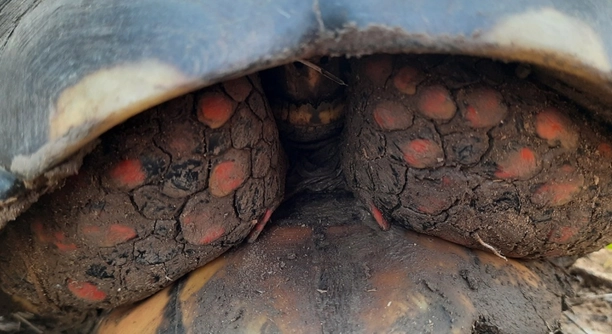
Red-footed tortoises are known for their varied diets that consist of plants, fruits, and vegetables. Many tortoise owners are curious about the specific herbs they can offer these fascinating reptiles. Basil is one herb that often comes up.
Red-footed tortoises can safely eat basil in moderation. This herb provides essential vitamins and minerals. However, it’s important to offer it alongside a variety of other herbs and leafy greens to ensure a balanced diet.
When selecting herbs for your red-footed tortoise, it’s important to know which ones are safe. Some herbs can offer a range of benefits, ensuring your tortoise’s overall health and happiness.
Can Red-Footed Tortoises Eat Basil Regularly?
Red-footed tortoises enjoy a variety of leafy greens, and basil can be a great addition to their diet. However, it’s essential to understand that while basil offers some nutritional benefits, it should not be the main herb in their meals. Basil is a good source of antioxidants, vitamins A, K, and C, as well as magnesium and calcium. These nutrients can support your tortoise’s immune system and promote overall health. Despite these benefits, offering basil too frequently may not be ideal. A balanced diet is key for your tortoise’s wellbeing, so variety is important.
Basil should be offered occasionally and in small amounts. Overconsumption could lead to an imbalance in their diet. It’s best to pair it with other greens like dandelion leaves, clover, or collard greens. This will ensure they get a wide range of nutrients.
Always introduce new foods slowly, observing how your tortoise reacts. Basil can be a tasty treat, but too much of it can cause digestive discomfort. Keep things varied and fresh for optimal health.
Best Herbs for Red-Footed Tortoises
There are plenty of safe herbs to feed your red-footed tortoise. Some herbs are nutrient-rich, offering health benefits beyond the basics. These herbs not only add variety but also introduce new flavors to keep your tortoise’s diet exciting.
Dandelion greens, clover, and mint are excellent choices for red-footed tortoises. Dandelion greens are packed with calcium, which helps strengthen bones and shells. Mint can also be a tasty option but should be given in moderation due to its strong flavor.
Other good herbs include thyme, oregano, and parsley. These provide extra vitamins and minerals, as well as a burst of flavor. Be sure to offer them in moderation to avoid overloading on any one nutrient.
Safe Herbs for Red-Footed Tortoises
Some herbs are safe and beneficial for red-footed tortoises. These herbs provide a range of nutrients, ensuring that your tortoise stays healthy and happy. Safe herbs can be easily found in your garden or local store.
Common herbs that are safe for red-footed tortoises include dandelion greens, plantain, and basil. Dandelion greens are rich in calcium, while plantain offers fiber, which helps with digestion. Offering a combination of these herbs ensures a variety of nutrients. However, moderation is key—too much of any herb can lead to imbalances in their diet. Keep offering a variety of greens and herbs for the best results.
Another herb that tortoises love is parsley. It contains vitamin K, which supports bone health and helps with blood clotting. However, parsley should be fed sparingly since it can be high in oxalates, which, when consumed in excess, can lead to kidney issues. Combining parsley with other leafy greens can help balance its effects.
Avoid Toxic Herbs for Red-Footed Tortoises
Some herbs are not safe for red-footed tortoises and should be avoided. These herbs can cause serious harm if consumed, leading to digestive issues or more severe health problems. It’s important to know which herbs to steer clear of.
Certain herbs like rosemary, lavender, and eucalyptus are toxic to tortoises. Rosemary contains essential oils that can cause digestive distress and even kidney damage in high amounts. Lavender and eucalyptus have compounds that are too strong for your tortoise’s system. Avoid offering these herbs, even in small amounts. Instead, stick to the safer options like basil, parsley, and dandelion greens.
Additionally, some common garden herbs like cilantro and cilantro leaves are safe for tortoises in moderation, but always check for pesticides or chemicals before feeding any herbs to your pet. Keeping their diet free of harmful substances will help keep them in good health.
How to Introduce Herbs to Your Red-Footed Tortoise
When introducing new herbs, start small to avoid upsetting your tortoise’s stomach. Offer tiny portions and watch how they react. Gradually increase the amount if there are no negative effects. This helps prevent digestive issues and allows your tortoise to adjust.
Observe your tortoise’s behavior closely after introducing a new herb. If they seem to enjoy it, continue offering the herb regularly, but always in moderation. If you notice signs of discomfort, such as reduced activity or changes in stool, remove that herb from their diet. Always prioritize variety.
Best Vegetables to Pair with Herbs
Red-footed tortoises benefit from a balanced diet that includes a variety of vegetables. Leafy greens like collard greens, mustard greens, and kale are excellent choices. These vegetables provide fiber, calcium, and other important nutrients.
Pairing these vegetables with herbs like basil, dandelion greens, and parsley gives your tortoise a nutrient-rich meal. Always aim for a mix of vegetables and herbs to ensure that your tortoise gets all the necessary nutrients. A combination of leafy greens and herbs creates a balanced diet that supports overall health.
Offering Fruits Alongside Herbs
Fruits can be offered sparingly alongside herbs for variety. Red-footed tortoises enjoy fruits like papaya, mango, and strawberries. These fruits provide essential vitamins and a natural source of hydration.
Fruits should make up only a small part of their diet to avoid digestive issues. Combine fruits with herbs to create a tasty treat that helps keep your tortoise happy. Just ensure the fruits are ripe and fresh before offering them to your pet.
FAQ
Can red-footed tortoises eat basil every day?
Basil can be offered to red-footed tortoises occasionally, but it shouldn’t be a daily treat. While it’s safe in moderation, too much basil may cause digestive issues or an imbalance in their diet. A varied diet of greens, vegetables, and herbs will ensure they get all the nutrients they need. Stick to offering basil 2-3 times a week as part of a broader selection of herbs and greens.
Is basil safe for red-footed tortoises?
Yes, basil is safe for red-footed tortoises when fed in moderation. It provides essential vitamins and minerals like vitamin A and calcium. However, offering too much basil can lead to an unbalanced diet. Use it alongside other safe herbs and leafy greens for a healthier meal plan.
What herbs should I avoid feeding my red-footed tortoise?
Avoid herbs like rosemary, lavender, and eucalyptus as they contain compounds that can be harmful to red-footed tortoises. These herbs may cause digestive upset, kidney problems, or even poisoning in some cases. Stick to safer herbs like basil, parsley, and dandelion greens to ensure your tortoise remains healthy.
Are there any other herbs besides basil that red-footed tortoises can eat?
Yes, several other herbs are safe for red-footed tortoises, including dandelion greens, plantain, and thyme. Parsley, oregano, and mint are also good options but should be fed in moderation. Offering a variety of these herbs helps provide a range of nutrients for your tortoise’s overall health.
Can red-footed tortoises eat mint?
Mint is safe for red-footed tortoises, but it should be offered in moderation due to its strong flavor. Mint can provide a refreshing addition to your tortoise’s diet and offer some digestive benefits. Always pair it with other greens to ensure your tortoise receives a balanced diet.
Can red-footed tortoises eat cilantro?
Yes, cilantro is safe for red-footed tortoises. It’s packed with vitamins and minerals, including vitamin K, which helps in bone health. Offer cilantro in moderation as part of a balanced diet. Some tortoises may not like its strong flavor, so don’t rely on it too heavily.
Is parsley safe for red-footed tortoises?
Parsley is safe for red-footed tortoises in moderation. It contains vitamin K, which is beneficial for bone health, but it also contains oxalates. Oxalates can bind to calcium, making it harder for your tortoise to absorb. Use parsley occasionally and mix it with other greens for a balanced diet.
What vegetables are best for red-footed tortoises?
Red-footed tortoises thrive on a variety of leafy greens and vegetables. Excellent choices include collard greens, mustard greens, kale, and dandelion greens. These vegetables provide fiber, calcium, and other essential nutrients. Avoid offering vegetables high in oxalates, like spinach, more than once a week.
Can red-footed tortoises eat fruits?
Fruits can be offered sparingly to red-footed tortoises as a treat. Safe fruits include papaya, mango, strawberries, and melons. Fruits should only make up a small part of their diet since they are high in sugar. Too much fruit can lead to digestive issues, so limit their intake.
How often should I feed my red-footed tortoise herbs?
Herbs should be fed 2-3 times a week as part of a balanced diet. Offering a variety of herbs ensures your tortoise gets different vitamins and minerals. Be sure to mix herbs with leafy greens, vegetables, and occasional fruits to maintain nutritional balance and avoid overfeeding one type of food.
Can I feed my red-footed tortoise flowers?
Yes, many flowers are safe for red-footed tortoises. Dandelion flowers, hibiscus, and nasturtiums are all excellent choices. Flowers can be a fun addition to their diet, offering a natural treat. However, make sure the flowers are free from pesticides and chemicals before offering them to your tortoise.
Can I feed my red-footed tortoise food from the garden?
If your garden doesn’t use chemicals or pesticides, food from your garden can be a great option for your red-footed tortoise. Always wash the plants thoroughly before feeding them to remove dirt and potential contaminants. Safe garden herbs include basil, plantain, and dandelion, among others.
How much should I feed my red-footed tortoise?
The amount you feed your tortoise depends on their size and age. Young tortoises require more frequent feedings, while adults can be fed less often. Generally, offer a variety of vegetables and herbs to fill their feeding area, ensuring they can graze throughout the day. Monitor their intake to avoid overfeeding.
Final Thoughts
When it comes to feeding red-footed tortoises, variety is key. They thrive on a diet that includes a mix of leafy greens, vegetables, and safe herbs like basil. Offering a wide range of foods ensures that your tortoise receives all the nutrients it needs to stay healthy. Herbs like basil can be a great addition to their meals but should be given in moderation. Feeding too much of any one herb or food can cause imbalances in their diet, leading to health issues. By offering a balanced and varied diet, you help support your tortoise’s long-term health and well-being.
Understanding which herbs are safe and beneficial for your tortoise is essential. Basil, dandelion greens, plantain, and parsley are some of the best options you can provide. However, there are also herbs and plants to avoid, like rosemary and lavender, which can be harmful to your tortoise. Being mindful of the herbs you offer helps reduce the risk of digestive problems and ensures your tortoise gets the right nutrients. It’s always important to do some research before adding any new food or herb to your tortoise’s diet, as not all plants are safe for them.
Lastly, always monitor your tortoise’s reactions to new foods. Some tortoises may be more sensitive to certain herbs or vegetables, while others might enjoy them without any issues. Watch for signs of discomfort, such as changes in behavior or stool, and adjust their diet accordingly. In the end, creating a balanced and varied diet will help your red-footed tortoise live a long and healthy life. By offering the right foods and being mindful of their needs, you can ensure your tortoise stays happy and well-nourished.

Hello,
If you enjoy the content that we create, please consider saying a "Thank You!" by leaving a tip.
Every little bit helps us continue crafting quality advice that supports the health, happiness, and well-being of pets around the world, for pets of all shapes, sizes, and species.
We really appreciate the kindness and support that you show us!