
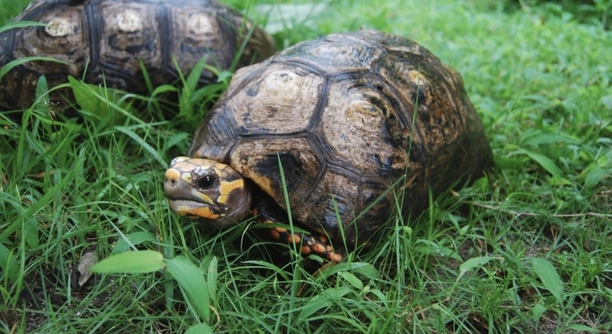
Red-footed tortoises are known for their unique personalities and behaviors. While they thrive in a specific habitat, choosing the right tank mates is crucial for their well-being. Understanding the best companions can make all the difference in a harmonious setup.
The best tank mates for red-footed tortoises include species that are calm, non-aggressive, and can coexist with them. Ideal companions are often other tortoise species or reptiles with similar needs, but careful research is needed to avoid conflicts.
Selecting the right tank mates for your red-footed tortoise will enhance their environment. Knowing which animals are compatible helps create a balanced, peaceful space for them.
Best Tank Mates for Red-Footed Tortoises
When choosing tank mates for red-footed tortoises, it’s important to focus on species that won’t disrupt their peace. These tortoises are typically calm, so selecting compatible animals that share similar environmental needs is key. Look for species that won’t stress or overpower your tortoise. Some of the best options include other tortoises like the Russian or Hermann’s tortoise, as they have similar temperature and humidity requirements. Other reptiles, such as certain types of skinks, may also coexist well in the same habitat. Always ensure that the tank is large enough for everyone and that each animal has its own space to thrive.
It’s crucial to monitor interactions closely. Red-footed tortoises are solitary creatures by nature. Even the best companions can sometimes cause stress if they don’t get along. Always introduce new tank mates carefully and observe any signs of aggression.
The right companions can make a big difference in your red-footed tortoise’s environment. When choosing tank mates, consider temperament, size, and care needs. Reptiles with similar requirements can live together peacefully and create a healthier, happier habitat for everyone.
Tank Mates to Avoid for Red-Footed Tortoises
Some animals just don’t mix well with red-footed tortoises. Avoid placing species that are aggressive or overly territorial in the same enclosure. For example, larger lizards, such as iguanas or monitors, may dominate the space and stress the tortoise. Their size and behavior can cause harm to a smaller, more passive tortoise. Similarly, aggressive amphibians like certain frogs could also pose a problem. It’s also important to avoid any animal that may pose a risk to your tortoise’s diet or health, such as certain carnivorous species.
To keep a peaceful and safe environment, choose tank mates with compatible temperaments and avoid larger, more dominant species. This will help maintain harmony in the tank, ensuring that each creature is comfortable and stress-free.
Why Temperament Matters for Tank Mates
The temperament of any potential tank mate is crucial. Red-footed tortoises are calm and not particularly social. They need companions that are also non-aggressive to prevent unnecessary stress. Animals that are overly active or territorial can disrupt your tortoise’s peace, leading to unwanted conflict.
Choosing peaceful, passive companions helps maintain a relaxed tank environment. For instance, other tortoise species with similar activity levels and behaviors, like the Russian tortoise, are ideal. Additionally, animals that are content in their own space and avoid confrontation will create a more harmonious setup, reducing the likelihood of injury or stress.
Always monitor how your tortoise and its tank mates interact. Some animals may seem peaceful at first but could show signs of aggression later. Pay attention to body language, like posturing or chasing, as this can indicate discomfort or territorial behavior. A peaceful environment is essential for your tortoise’s long-term health.
Space and Environmental Needs
Space is key when housing multiple species together. Red-footed tortoises need plenty of room to roam, and this is equally important for their tank mates. If the tank is too small, the animals may become stressed or overcrowded, leading to aggression. Proper space allows everyone to have their own territory.
Before adding any new species, ensure your enclosure is large enough to accommodate everyone comfortably. This includes enough hiding spots and areas for your tortoise to retreat when it needs to feel safe. A well-organized tank can help minimize stress and keep everyone happy.
The proper balance of temperature, humidity, and lighting is just as important. A comfortable tank will provide a better environment for all the species living in it. Maintaining the right conditions will prevent health issues and ensure that your red-footed tortoise and its companions remain healthy and stress-free.
Managing Health Risks with Tank Mates
Health risks are a serious consideration when selecting tank mates. Some animals carry diseases that can spread easily. It’s essential to make sure that the species you choose are healthy and free from parasites before introducing them into the tank. Regular check-ups will help keep everything in balance.
A clean environment is just as important. Make sure the tank is regularly cleaned and maintained to prevent the spread of any harmful bacteria or parasites. Each species should also have their own food and water sources to avoid cross-contamination. This ensures your red-footed tortoise stays healthy.
Compatibility with Temperature and Humidity
Different species have varying requirements for temperature and humidity. For red-footed tortoises, the environment needs to be warm and humid, but some tank mates may prefer different conditions. Always research the specific needs of any species you want to add. This ensures they’re comfortable and won’t cause stress to each other.
Matching environmental needs can prevent unnecessary stress and health issues. Temperature imbalances or incorrect humidity levels can lead to discomfort or even illness for both your tortoise and its companions. Adjust the habitat as needed to create a balanced environment for everyone.
Space for Hiding
Both red-footed tortoises and their tank mates need their own space. Hiding spots are essential for your tortoise to feel safe, and other species need their own areas too. Without enough places to retreat, animals may get stressed or aggressive. Make sure to provide sufficient shelters within the tank.
FAQ
Can red-footed tortoises live with other reptiles?
Yes, red-footed tortoises can live with certain other reptiles, but it’s essential to choose species that have similar needs. For example, other tortoises, such as the Russian or Hermann’s tortoise, are good options. However, it’s important to ensure that these reptiles are non-aggressive and have similar humidity and temperature requirements. If the reptiles are too territorial or have different habitat needs, they may not be suitable companions for your red-footed tortoise.
Are there any reptiles to avoid as tank mates for red-footed tortoises?
Yes, avoid larger or more aggressive reptiles like iguanas or monitor lizards. These species can easily dominate the space, causing stress to your tortoise. Additionally, reptiles with significantly different temperature or humidity needs may not thrive in the same environment as your red-footed tortoise. Always research the specific needs of any species before introducing them to your tortoise’s habitat.
Can I put fish in the same tank as my red-footed tortoise?
Fish are not suitable tank mates for red-footed tortoises. Tortoises typically prefer to be on land, and the water requirements for fish can drastically differ from the needs of your tortoise. While red-footed tortoises enjoy water for soaking, it’s important to keep their living environment separate from aquatic species to ensure everyone’s well-being.
What should I do if I notice aggression between my tortoise and tank mates?
If you notice aggression, it’s crucial to act quickly. First, check the tank’s size. Make sure there’s enough room for everyone, as overcrowding can lead to stress and territorial disputes. Consider adding more hiding spots or retreat areas where your tortoise or other tank mates can go to avoid conflict. If aggression continues, you may need to separate the animals to ensure their safety and well-being.
Is it okay to house different species of tortoises together?
Housing different species of tortoises together can work if the species have similar environmental and dietary needs. However, always ensure there is enough space for each tortoise to have its own territory. Aggression can arise, especially if one tortoise feels threatened by another, so it’s essential to monitor them closely. Different species may also have varying behaviors that could lead to stress or competition for food and space.
How do I maintain the right temperature and humidity for my tortoise and its tank mates?
Maintaining the right temperature and humidity for both your tortoise and its tank mates is crucial for their health. A heat lamp and UVB light should be used to provide warmth and necessary UV radiation for your red-footed tortoise. A thermometer and hygrometer can help you monitor temperature and humidity levels. Ensure that the tank has a warm side and a cooler side to allow your tortoise to regulate its body temperature. Adjustments might be needed to keep everyone comfortable.
Can I house amphibians with my red-footed tortoise?
It’s generally not recommended to house amphibians with red-footed tortoises. Amphibians often require different humidity and temperature levels. Additionally, some amphibians can carry diseases that could affect your tortoise. If you still choose to house them together, ensure that both species’ needs align and provide sufficient space for each to avoid stress or illness.
How much space do I need for a red-footed tortoise and its tank mates?
Space is critical. A single red-footed tortoise needs a minimum of 75-100 square feet in its enclosure, depending on the size of the tortoise. When adding tank mates, increase the size of the tank to accommodate everyone comfortably. Providing enough space will reduce territorial behavior and stress. It’s better to give your tortoise and its companions more room than to crowd them into a smaller area.
What are the signs that a tank mate is stressing out my red-footed tortoise?
Signs of stress in your tortoise can include lack of appetite, hiding more than usual, aggressive behavior, or excessive pacing. If you notice these signs, it’s essential to assess the environment and interactions. Stress can be caused by incompatible tank mates, temperature issues, or lack of space. Remove or separate problematic companions if necessary.
Can I introduce new tank mates to my red-footed tortoise’s habitat?
Introducing new tank mates should be done slowly and carefully. It’s essential to quarantine new animals before adding them to the tank to ensure they are healthy and free from diseases. When introducing new animals, do so gradually and observe how they interact. Always monitor for any signs of aggression or stress. If necessary, provide separate spaces or separate them entirely.
What are the best plants to include in a red-footed tortoise’s enclosure with tank mates?
When choosing plants, it’s best to use non-toxic, tortoise-friendly species that can thrive in the same conditions. Plants like hibiscus, dandelions, and grasses are safe for red-footed tortoises and can provide food as well as shelter. Avoid using any plants that are toxic to reptiles, as they can cause serious health issues.
How do I keep the tank clean with multiple species?
Cleaning a tank with multiple species requires regular maintenance. Remove uneaten food daily, clean the water dish, and spot clean any waste. Every few weeks, perform a deeper clean by replacing the substrate and disinfecting the tank. A proper filtration system can also help maintain clean water if your tortoise uses a water dish for soaking. Ensuring a clean tank will reduce the risk of disease and stress for all inhabitants.
Final Thoughts
When selecting tank mates for your red-footed tortoise, it’s essential to consider compatibility. Not all animals will get along well in the same habitat, so it’s important to choose species that share similar environmental needs. This includes temperature, humidity, and space requirements. Always remember that your tortoise’s well-being should be the priority. If any animal becomes aggressive or stressed, it could negatively affect your tortoise’s health.
A key part of successful cohabitation is providing enough space. Overcrowding in a tank can lead to territorial issues, causing stress for all the animals involved. By ensuring that each species has its own space to thrive, you help reduce competition and allow each animal to feel secure. Adding hiding spots and creating designated areas for each species can further reduce the chances of conflict. The tank should be large enough to accommodate everyone comfortably.
Lastly, monitoring the health and behavior of your animals regularly is important. If any signs of stress, aggression, or illness appear, it may be time to reconsider the tank mates or make adjustments to the environment. With proper care, your red-footed tortoise and its companions can live together peacefully. Always stay informed about the species you plan to keep with your tortoise, and make sure you’re providing a healthy, stress-free habitat for all.

Hello,
If you enjoy the content that we create, please consider saying a "Thank You!" by leaving a tip.
Every little bit helps us continue crafting quality advice that supports the health, happiness, and well-being of pets around the world, for pets of all shapes, sizes, and species.
We really appreciate the kindness and support that you show us!