
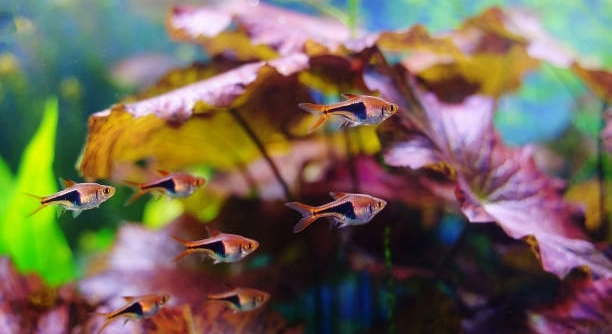
Rasboras are small, peaceful fish that brighten any aquarium with their lively movement and shimmering colors. Many aquarists enjoy watching them swim in groups, noticing how their behavior changes depending on their surroundings. Their social nature makes them appealing pets.
Rasboras can recognize and respond to their owner over time, mainly through visual cues, feeding routines, and consistent interaction. While their recognition is limited compared to mammals, repeated exposure allows them to associate a person with food and safety.
Observing these subtle behaviors can enhance the bond between you and your fish. Understanding how they interact adds a new layer to caring for your aquarium.
How Rasboras Recognize Their Owner
Rasboras rely primarily on visual cues to identify familiar individuals. They are sensitive to movement and can distinguish between consistent patterns, such as the person who feeds them regularly. Over time, they begin to associate these patterns with positive experiences, such as feeding or gentle interaction. Their recognition is subtle, often expressed through changes in swimming behavior. When they notice a familiar person, they may approach the front of the tank, linger near areas where food is provided, or exhibit more active swimming patterns. Consistency is key; irregular feeding or handling makes recognition slower. While they do not form attachments like mammals, repeated positive experiences allow them to become more comfortable and responsive to a particular individual. Lighting, tank decorations, and group dynamics also influence how quickly Rasboras learn to recognize someone. Observing these patterns helps understand their behavior and can make tank maintenance more engaging.
Rasboras respond more quickly when feeding occurs at regular times. Consistent interaction strengthens their ability to identify the person involved.
Subtle actions, like hand movements near the tank or shadows cast over the water, are noticed by Rasboras. Even small adjustments in your routine can influence their recognition speed. Over time, they associate certain behaviors and appearances with food, leading to increased activity and curiosity when the recognized person approaches. They may swim closer to the tank front or change their swimming patterns, signaling awareness. While not emotionally attached, they show preference for familiar caretakers, reflecting memory and learned associations. Watching these changes enhances understanding of their social behavior and can make aquarium care more enjoyable. Patience and observation are crucial, as every Rasbora may learn at a slightly different pace. Consistency in feeding and interaction is the most effective way to strengthen recognition.
Encouraging Interaction with Rasboras
Positive reinforcement helps Rasboras respond to their owner. Using the same feeding spot and gentle hand movements increases familiarity and comfort.
Over several weeks, Rasboras learn to associate specific cues with feeding. Approaching the tank at consistent times and using predictable movements allows them to recognize the person involved. Gradually, they begin to swim toward the front when the individual appears, demonstrating awareness. They are particularly responsive to subtle visual signals, such as hand shadows or consistent placement of food. Engaging with them gently encourages active swimming and exploration, enhancing their daily activity. While their recognition is not emotional, it is a reliable behavioral response to routine and care. Variation in tank environment, lighting, or sudden changes in routine can slow this learning process, so consistency is essential. By observing their reactions carefully, you can adjust your interactions to make feeding and tank maintenance more efficient. Over time, these behaviors make caring for Rasboras more interactive and satisfying, providing a sense of connection through routine and observation rather than affection.
Signs Rasboras Recognize You
Rasboras show recognition through small but noticeable behaviors. They may swim closer to the tank front, follow your hand movements, or become more active when you approach, especially around feeding times. These responses indicate familiarity and learning over time.
Repeated interaction allows Rasboras to associate you with safety and food. They notice patterns in your behavior, such as when and where you feed them, and adjust their activity accordingly. Some may linger near the feeding area, while others change swimming speed or direction when they see you. These behaviors reflect memory and learned associations, rather than emotional attachment, but they show clear recognition.
Consistency in your presence reinforces these patterns. Subtle cues like hand shadows, tank lighting changes, or the sound of food hitting water prompt responses. Over weeks, these behaviors become more predictable. Each Rasbora may react differently, but a routine helps them recognize and respond reliably, strengthening interaction. Observing these signs can make daily care more engaging and satisfying.
Improving Owner-Fish Interaction
Creating a predictable feeding routine helps Rasboras identify their caretaker quickly. Feeding at the same time and spot encourages familiarity.
When you approach the tank consistently, Rasboras begin to anticipate feeding. They may swim toward the front or become more active when your movements signal that food is coming. Using small, repeated gestures enhances this recognition. Over time, they can learn to differentiate between different people based on visual cues and routine. Handling the tank gently and avoiding sudden changes helps maintain their comfort. Predictable routines reduce stress and encourage responsiveness.
Interaction can also be enhanced by varying tank decorations slightly or placing feeding zones consistently. Rasboras respond to environmental consistency alongside human cues. By observing their responses and adjusting your routine gradually, you can create a more engaging environment. Even without emotional attachment, these behaviors reflect memory and learning. The more consistent your interaction, the more likely they are to respond reliably, turning daily feeding into a subtle but meaningful form of communication.
Factors Affecting Recognition
Rasboras’ ability to recognize their owner depends on routine, feeding consistency, and environmental stability. Frequent changes in tank setup or irregular feeding can slow recognition. Consistent interaction helps them form clear associations with their caretaker.
Group dynamics also influence recognition. Rasboras are schooling fish, and social interactions within the group may affect how quickly individual fish respond to a person. Dominant or more active fish may approach first, while others observe before reacting. Understanding these dynamics allows for better observation of recognition behaviors and ensures that all fish have the opportunity to respond.
Role of Visual and Routine Cues
Rasboras primarily rely on visual cues and predictable routines to identify individuals. They notice repeated movements, feeding patterns, and familiar shapes or shadows, forming associations over time.
Patience in Building Recognition
Recognition develops gradually. Consistency and patience are essential for Rasboras to respond reliably.
FAQ
Can Rasboras really remember their owner?
Yes, Rasboras have a limited memory that allows them to recognize patterns and associate a person with food and safety. Their memory is short-term but consistent exposure helps them respond more predictably over weeks. They do not form emotional attachments, but learned behaviors indicate recognition.
How long does it take for Rasboras to recognize someone?
Recognition usually develops over several weeks of consistent interaction. Daily feeding at the same time and location speeds up the process. Hand movements or shadows above the tank also reinforce familiarity. Some fish may respond faster, while others take more time to adjust.
What behaviors show recognition?
Rasboras may swim closer to the tank front, change swimming speed, or follow hand movements. Increased activity around feeding areas, lingering near familiar spots, or grouping near the front indicates they recognize a person. These behaviors are subtle but consistent once learned.
Does the size of the group affect recognition?
Yes, group size can influence individual responses. In larger schools, dominant or more confident fish often respond first, while others observe and follow. Smaller groups allow each fish to notice the caretaker more easily. Social dynamics play a role in how recognition is expressed.
Do lighting and tank setup affect recognition?
Environmental factors, including lighting and decorations, influence recognition. Shadows, bright lights, or sudden changes can confuse Rasboras. Consistent placement of objects and stable lighting conditions help fish associate familiar movements with routine, making recognition more reliable.
Can different caretakers be recognized separately?
Rasboras can differentiate between individuals through visual cues and feeding patterns. They respond more reliably to the person who consistently provides food. Irregular interaction from other people may not trigger the same behavior, showing that recognition is linked to routine rather than appearance alone.
How can I encourage recognition?
Consistency is key. Feeding at regular times, using the same spots, and approaching the tank gently help Rasboras form associations. Subtle gestures like hand shadows or predictable movements reinforce recognition. Patience and observation allow you to adapt your routine to their responses.
Do Rasboras show affection?
They do not show affection like mammals, but their behaviors reflect memory and learned association. Swimming toward a person, increased activity, or following hand movements are signs of recognition and comfort rather than emotional attachment. These behaviors indicate trust in routine and safety.
Is recognition affected by diet?
Yes, regular feeding routines and variety in diet help reinforce recognition. Fish learn to associate a person with food, so consistent and rewarding feeding experiences strengthen familiarity. Unpredictable feeding can slow the learning process.
Can stress impact recognition?
Stressful conditions, such as sudden changes in water parameters, overcrowding, or aggressive tank mates, can hinder recognition. A stable and calm environment allows Rasboras to focus on familiar cues and respond reliably. Patience is necessary when stress affects behavior.
Do all Rasboras recognize their owner equally?
Individual differences exist. Some fish are more active or confident and respond faster, while others are cautious. Observing each fish’s behavior helps you understand their level of recognition and allows you to adjust interaction strategies for the entire group.
How do I maintain recognition over time?
Maintaining routine and consistent interaction is essential. Avoid long gaps in feeding or handling and minimize sudden changes in tank conditions. Regular observation and gentle engagement help Rasboras retain learned associations and respond predictably over months.
Final Thoughts
Rasboras are small, lively fish that bring life and movement to any aquarium. While they do not form emotional bonds like mammals, they are capable of recognizing their owner through consistent patterns, routines, and visual cues. Their recognition is subtle and relies mostly on repeated experiences, such as feeding or gentle movements near the tank. Over time, Rasboras learn to associate a familiar person with safety and food, which can make them appear more active or curious when that person approaches. These behaviors are indicators of memory and learning, rather than attachment, but they provide an interesting way to observe how these fish respond to their environment. Watching them react to familiar cues can make aquarium care more engaging and help owners better understand the needs and behaviors of their fish.
Consistency is the most important factor in helping Rasboras recognize their owner. Feeding at regular times, using the same feeding spots, and moving predictably around the tank all contribute to stronger recognition. Even small gestures, such as the shadow of a hand or the routine placement of food, are noticed by Rasboras. Group dynamics also play a role, as more confident or active fish often respond first while others follow. Environmental stability, including tank decorations, lighting, and water quality, is equally important. Sudden changes can confuse them or slow the learning process. Patience and careful observation allow you to identify individual differences in response and adjust your routine accordingly. Over weeks of consistent care, these fish can become noticeably more responsive, showing behaviors that indicate recognition and comfort.
Recognizing Rasboras’ responses requires attention to subtle changes in their behavior. Approaching the tank slowly, observing swimming patterns, and noting where fish gather during feeding times provide insights into how they perceive familiar individuals. While they do not experience emotions in the way humans do, their learned responses demonstrate memory and adaptation. By maintaining a calm, consistent environment, owners can encourage predictable behavior and make interactions more enjoyable. Understanding these factors helps improve the overall health and well-being of Rasboras, ensuring they remain active and comfortable in their tank. Paying attention to these details allows for a more meaningful and engaging experience with these small, fascinating fish, highlighting the ways routine and consistency can influence recognition and behavior over time.

Hello,
If you enjoy the content that we create, please consider saying a "Thank You!" by leaving a tip.
Every little bit helps us continue crafting quality advice that supports the health, happiness, and well-being of pets around the world, for pets of all shapes, sizes, and species.
We really appreciate the kindness and support that you show us!