
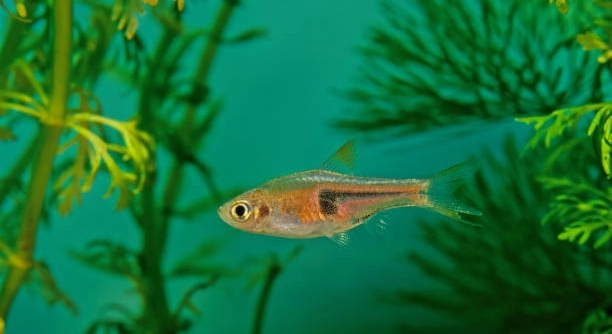
Rasboras are small, peaceful fish that enjoy calm and controlled environments in aquariums. They can be sensitive to strong water currents, which may affect their behavior and overall well-being in subtle ways.
Rasboras exhibit signs of discomfort when the water current is too strong, including hiding frequently, struggling to swim, clustering in calm areas, and showing reduced activity. Monitoring these behaviors can help maintain a suitable aquatic environment for their health.
Observing their daily habits can reveal how they feel about the current. Simple adjustments can make a significant difference for their comfort and happiness.
Signs of Rasboras Struggling in Strong Currents
Rasboras are delicate swimmers that prefer gentle water flow. When the current in your tank is too strong, they may spend more time clinging to plants or decorations than swimming freely. Their movements might appear erratic or strained as they attempt to navigate against the flow. Often, they will avoid open areas and stick to corners or areas with minimal water movement. Stress from persistent currents can also make them less likely to eat regularly, impacting their health over time. Even subtle changes in behavior, like sudden bursts of speed or darting across the tank, can indicate discomfort. Observing the school as a whole is helpful because some may react differently, with a few struggling visibly while others manage slightly better. Taking note of these differences allows you to adjust water flow gradually to create a more balanced environment. Maintaining consistent tank conditions helps reduce stress and promotes natural behavior among your rasboras.
Rasboras showing frequent hiding, reduced feeding, or erratic swimming are likely affected by excessive water flow.
Monitoring how your rasboras interact with the current helps determine where adjustments are needed. Small changes in filter strength or tank setup can improve their comfort, allowing them to explore more naturally and reduce stress levels.
Adjusting the Current for Comfort
Reducing strong currents is key to keeping rasboras healthy. Using sponge filters or adjusting filter output can create gentler water movement that matches their swimming ability. Observing their reaction after any change helps ensure the adjustment is effective.
Some aquariums have strong filtration systems that create constant fast currents, which can tire small fish like rasboras. Providing areas of calm, such as plants or decorations that break the flow, gives them resting spots and reduces stress. Fish in a high-flow environment may develop weakened fins or unusual swimming patterns if they are forced to fight the current constantly. Adjusting the flow gradually rather than suddenly allows the fish to acclimate comfortably. Monitoring behavior after changes is essential to ensure they start using open swimming areas again. Over time, you can fine-tune the filter to create a consistent, gentle current that keeps the water clean without compromising the fish’s comfort. A balanced current encourages normal schooling behavior, promotes feeding, and helps maintain overall health, reducing stress-related issues and improving the liveliness of the tank.
Clinging to Decorations
Rasboras often cling to plants or decorations when the current is too strong. They use these areas to rest and regain energy. Spending most of their time in these spots indicates that the water flow is uncomfortable for them and needs adjustment.
Persistent hiding can lead to stress and reduced activity. Fish that cling to decorations may avoid swimming in open water, limiting exercise and natural behavior. Over time, this can affect their health, including appetite and immune response. Observing where they gather in the tank helps identify areas of calmer water that they prefer, guiding changes to filtration or placement of objects. Providing more plants or smooth surfaces can reduce their need to fight the current constantly.
Clinging behavior also affects social dynamics in schools of rasboras. Some fish may dominate calmer spots, while others struggle near stronger currents. Ensuring multiple resting areas prevents aggression and allows all fish to find comfort. Adjusting water flow gradually and adding hiding spots encourages a balanced, less stressful environment for the entire group.
Reduced Feeding and Activity
Strong currents often discourage rasboras from feeding regularly. Fish that avoid swimming to reach food may show weight loss and diminished health. Even minor changes in activity can signal discomfort due to water flow.
When rasboras reduce feeding, it’s often because they feel unsafe in fast-moving water. Stress from constant effort to maintain position can make them uninterested in food. Over time, reduced feeding can lead to slower growth, weakened fins, and increased susceptibility to illness. Observing their reaction to feeding sessions shows how much the current affects them. Offering food near calmer areas or adjusting filter output encourages normal feeding behavior and helps maintain proper nutrition. Feeding small amounts frequently can also make it easier for stressed fish to eat without excessive effort.
Activity reduction goes hand-in-hand with feeding issues. Fish may stay near the bottom or hide in corners, avoiding open swimming spaces. This lack of movement can affect their physical health, social interaction, and schooling behavior. Adjusting the current and providing gentle flow zones allows rasboras to swim naturally, regain energy, and resume regular activity. Over time, they will become more confident in exploring the tank, leading to healthier, happier fish.
Clustering in Calm Areas
Rasboras often gather in calm spots when the current is too strong. This clustering helps them conserve energy and feel secure. It also highlights areas of the tank where water flow is more suitable for their swimming needs.
Frequent clustering may indicate discomfort with overall tank currents. Fish that rarely explore open water are likely struggling, which can affect schooling behavior and social interactions. Identifying these calm zones allows adjustments to filter output or tank layout to improve their overall environment.
Struggling to Swim
When the current is too strong, rasboras may struggle to swim normally. Their movements appear strained, and they often move in short bursts rather than smooth motions. Continuous effort against fast water flow can tire them quickly and reduce overall activity levels.
Faded Colors
Rasboras under stress from strong currents may show faded or dull colors. Reduced vibrancy can be a sign of discomfort, stress, or weakened health.
FAQ
How can I tell if my rasboras are stressed by the current?
Rasboras show stress through behavior changes. They may hide frequently, cling to decorations, cluster in calm areas, or struggle when swimming. Reduced feeding and dull colors are also signs. Watching their daily patterns helps identify if water flow is too strong.
What adjustments can I make to reduce strong currents?
Lowering filter output is the simplest solution. Adding sponge filters or adjusting the flow direction can create gentler currents. Introducing plants, rocks, or driftwood breaks up water movement, giving fish resting spots and reducing stress while maintaining proper oxygenation.
Are all rasboras affected the same way by strong currents?
No. Some fish may cope better than others. Younger or smaller individuals are often more vulnerable, while dominant fish may find calmer areas first. Observing the entire school helps ensure no fish are constantly struggling, allowing for balanced environmental adjustments.
How does strong current affect feeding habits?
Fast water discourages rasboras from reaching food. Fish may avoid swimming to feed, resulting in reduced intake and potential weight loss. Offering food near calm zones and splitting meals into smaller portions can encourage feeding and prevent nutritional deficiencies.
Can clustering in calm areas harm my rasboras?
Clustering itself is not harmful, but it can indicate ongoing stress. Constantly avoiding stronger currents may reduce swimming exercise and social interaction. Ensuring multiple calm zones and reducing overall flow prevents overcrowding in safe areas and promotes natural schooling behavior.
Will adjusting the current improve fish coloration?
Yes. Stress from strong currents can dull rasbora colors. Once the flow is appropriate, fish regain normal activity and energy levels, which helps restore vibrant coloration over time. Adequate diet and stable water conditions further support this recovery.
How often should I monitor water flow?
Daily observation is ideal, especially after any changes to filtration or tank layout. Watching how fish interact with the current during feeding and general swimming reveals if adjustments are necessary. Consistent monitoring ensures a healthy, stress-free environment.
Are certain types of rasboras more sensitive to current?
Yes. Smaller species like Chili Rasboras or Harlequin Rasboras are more prone to struggle in strong currents compared to larger varieties. Tailoring tank conditions to their size and natural habitat preferences is essential for their comfort.
Can decorations and plants completely solve current issues?
They help but may not entirely eliminate problems. Decorations and plants provide resting areas and reduce flow in specific zones, but overall filter adjustment may still be needed to ensure gentle movement throughout the tank. Combining both strategies gives the best results.
What long-term effects can strong currents have on rasboras?
Chronic stress from fast currents can weaken fins, reduce growth, lower immunity, and cause behavioral changes. Maintaining moderate flow and providing calm areas supports long-term health, natural schooling behavior, and vibrant coloration. Monitoring and gradual adjustments are key to preventing these issues.
How can I balance filtration needs with gentle flow?
Using adjustable filters, sponge pre-filters, or flow deflectors can maintain water quality while creating gentle currents. Positioning filter outlets toward tank walls or behind decorations helps diffuse water movement without compromising oxygenation or filtration efficiency.
What signs indicate that flow adjustments are successful?
Fish will swim more naturally, explore open water, feed regularly, and show brighter colors. Stress behaviors like hiding, clinging, or clustering should reduce, and schooling should return to normal. Regular observation ensures that the current remains suitable for all individuals.
Can tank size influence how strong the current feels to rasboras?
Yes. In smaller tanks, even moderate filtration can create strong currents. Larger tanks disperse flow over a wider area, reducing intensity. Understanding tank dimensions and filter power helps tailor water movement to the comfort of rasboras.
How quickly do rasboras adapt to changes in current?
Adaptation varies. Some may adjust within a few days, while more stressed individuals take longer. Gradual adjustments in flow and providing calm areas accelerate adaptation, reducing stress and promoting healthy behavior.
Are there alternative ways to provide oxygen without creating strong currents?
Yes. Air stones, sponge filters, and surface agitation devices increase oxygenation without producing intense flow. Combining these with moderate filtration ensures both water quality and fish comfort.
Is monitoring behavior more important than measuring flow rate?
Both matter, but behavior is the most direct indicator of comfort. Flow measurements give a general idea, but observing swimming patterns, clustering, and feeding shows how the current actually affects your rasboras.
What should I do if my rasboras still show stress after adjustments?
Check for other stress factors like water temperature, ammonia, nitrite, or tank overcrowding. Persistent stress may indicate that multiple conditions need correction. Making incremental changes and monitoring closely ensures a supportive environment for their health.
How do seasonal changes affect water flow perception for rasboras?
Temperature and water density can slightly change flow patterns. Warmer water may feel faster due to reduced viscosity. Observing fish behavior during seasonal changes helps ensure current remains suitable throughout the year.
Can schooling behavior help reduce stress in strong currents?
Yes. Schooling allows fish to conserve energy by swimming together and taking advantage of calmer zones within the group. However, if the current is too strong, even schooling cannot fully prevent stress, highlighting the need for proper tank adjustments.
How often should I adjust filter output for growing rasboras?
As fish grow, their swimming strength increases. Periodically reviewing and adjusting filter flow ensures currents remain gentle for all sizes. Regular observation during feeding and general activity helps determine if changes are needed.
What is the safest approach to gradually reduce water flow?
Decrease filter output in small increments over several days. Observe fish behavior at each stage to ensure they are comfortable before further adjustments. Adding decorations or plants alongside gradual reduction provides additional relief from strong currents.
Are there specific signs that indicate rasboras have fully adapted?
Once adapted, rasboras swim freely throughout the tank, feed actively, display vibrant colors, and exhibit normal schooling behavior. Stress signs like hiding, clinging, or clustering in calm areas should disappear, indicating a balanced and comfortable environment.
Final Thoughts
Rasboras are delicate fish that respond strongly to their environment. Maintaining a tank with the right water flow is crucial for their health and well-being. When the current is too strong, these small fish can show stress in various ways, including hiding, clinging to decorations, clustering in calm areas, or struggling to swim. Even subtle changes, such as reduced feeding or dull colors, can indicate that the water movement is uncomfortable. Observing daily behavior is essential to understanding how your rasboras feel. By paying attention to where they gather, how they swim, and how they interact with each other, you can gain a clear picture of whether adjustments are needed. Small steps, like changing filter output or adding plants, can make a significant difference and improve their overall comfort.
Creating areas of calm water within the tank is one of the most effective strategies to reduce stress. Decorations, plants, and driftwood not only provide shelter but also break up strong currents, allowing rasboras to rest when needed. These safe zones help fish conserve energy and encourage normal swimming and schooling behavior. While it may seem like a minor detail, the placement of objects in the tank has a direct impact on fish behavior. Adjusting the current gradually ensures that rasboras can acclimate without feeling forced into sudden changes. Over time, you will notice improvements in activity levels, feeding habits, and coloration. A balanced environment that combines gentle currents with resting spots supports natural behaviors and contributes to the long-term health of the fish.
Consistency and observation are key to maintaining a comfortable habitat for rasboras. Regularly checking how they respond to the water flow and making incremental adjustments helps prevent stress-related issues. Providing multiple calm zones ensures that all fish, regardless of size or personality, have access to safe spaces. Additionally, maintaining proper water quality and temperature complements these efforts, allowing your rasboras to thrive. Small details, such as filter placement, plant density, and flow direction, work together to create a supportive environment. By taking a careful and gradual approach, you can help your rasboras feel secure, swim naturally, and display their full, vibrant colors. Keeping the tank balanced in terms of current, decoration, and water quality creates a harmonious environment where these fish can remain healthy and active over time.

Hello,
If you enjoy the content that we create, please consider saying a "Thank You!" by leaving a tip.
Every little bit helps us continue crafting quality advice that supports the health, happiness, and well-being of pets around the world, for pets of all shapes, sizes, and species.
We really appreciate the kindness and support that you show us!