
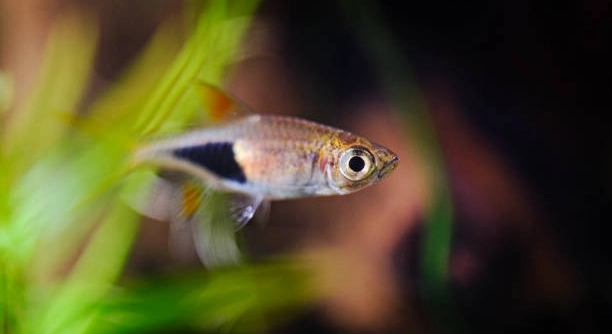
Do you enjoy keeping small, colorful fish in your aquarium but notice subtle changes in their behavior over time? Rasboras are often peaceful, yet sometimes they display unexpected interactions within their group. Observing these patterns can be intriguing.
Rasboras can exhibit territorial behavior, particularly in confined spaces or during breeding periods. Aggression typically arises from competition for resources or dominance, but with adequate space and hiding spots, most species maintain a largely peaceful social structure.
Understanding these tendencies can help you manage your aquarium more effectively, ensuring a balanced environment and harmonious interactions among your fish.
Understanding Rasbora Behavior
Rasboras are generally peaceful fish, but certain situations can trigger mild territorial behavior. In a small tank, limited space can cause stress, making them more defensive. Males may compete for the best spots near plants, rocks, or breeding areas. Watching their movements closely can reveal subtle dominance displays, such as chasing or tail flicking. These behaviors are more pronounced when there is a mix of sizes or when the group is too small. Proper schooling can reduce aggression. A larger school helps distribute attention, lowering conflicts. Environmental factors, like lighting, water flow, and hiding spots, also influence behavior. Dense plants and driftwood provide safe zones, calming territorial tendencies. Regular observation is key to understanding their interactions. By adjusting tank conditions, you can maintain a peaceful community while allowing natural behaviors to occur. Tank layout and population management are essential for preventing long-term stress.
Observing Rasboras in different areas of the tank can indicate their comfort and social structure, helping you manage potential conflicts.
Monitoring water quality and maintaining consistent feeding schedules also reduces stress-related aggression, ensuring your Rasboras stay healthy and calm while interacting naturally.
Tank Setup Tips to Reduce Aggression
Proper tank setup can prevent most territorial disputes.
A well-planted aquarium with open swimming areas and hiding spots reduces stress and supports natural behavior. Consider tall plants for shelter and smooth decorations to avoid injuries during mild chases. Positioning rocks and driftwood creates visual boundaries, helping fish feel secure. Avoid overcrowding, as too many fish in a limited space intensifies competition. The substrate choice also matters; fine gravel or sand encourages natural foraging while minimizing conflicts. Balanced lighting mimics natural conditions, keeping fish calm throughout the day. Maintaining consistent temperature, pH, and filtration supports overall health, which indirectly lowers aggression. Introducing new Rasboras slowly into established groups allows them to adjust without triggering fights. Additionally, providing multiple feeding zones prevents dominant fish from monopolizing food. Careful planning of tank size, decor, and plant placement significantly contributes to a peaceful environment, allowing Rasboras to display their natural behaviors without unnecessary stress. With patience, you can achieve a harmonious aquarium where territorial tendencies are minimal, and social interactions are healthy and visible for observation.
Proper population control and hiding spaces are crucial for long-term harmony and preventing territorial conflicts in a Rasbora community.
Signs of Territorial Behavior
Chasing, nipping fins, or guarding certain areas are clear signs of territorial behavior in Rasboras. These actions usually appear in confined spaces or when a dominant fish asserts control over food or hiding spots.
Territorial displays are often subtle at first. A male may hover near plants or decorations, flicking his tail when others approach. Sometimes small groups of Rasboras separate temporarily, creating personal zones. Over time, these behaviors can escalate, especially in smaller tanks. Recognizing these patterns early allows for adjustments, such as rearranging plants or adding more hiding spots, which helps maintain peace. Environmental stressors, including overcrowding or poor water quality, can intensify aggression. Observing fish interactions regularly can help identify individuals who are overly dominant or stressed. Proper management of these signs ensures the group remains healthy, reducing injuries and stress-related illness. Adjustments in tank layout, population, and feeding routines are effective strategies for limiting conflicts while maintaining natural behavior.
Behavioral monitoring is key for a calm aquarium. Changes in swimming patterns or sudden aggression can indicate stress or competition. Regular observation ensures early intervention.
Managing Territorial Conflicts
Separating overly aggressive fish temporarily can prevent injury and maintain balance.
Providing multiple hiding spots and visual barriers reduces tension among Rasboras. Rearranging decorations periodically prevents territory fixation. Feeding evenly across the tank ensures dominant fish cannot monopolize resources, which lowers competition. Monitoring group size and tank space is essential to prevent overcrowding, which increases stress. In some cases, introducing additional Rasboras can dilute aggressive behavior, creating a more stable hierarchy. Adjusting water conditions to match their natural environment also reduces territorial tendencies.
It is important to recognize individual personalities. Some fish are naturally more assertive, while others are timid. Observing which fish consistently chase or block others helps in making informed adjustments, such as relocating aggressive fish or expanding tank size. Plants, driftwood, and rocks provide critical hiding areas, reducing direct confrontations. Balancing schooling behavior with adequate space allows Rasboras to coexist with minimal stress. Providing ample room for swimming and establishing multiple feeding points prevents competition from escalating. Continuous monitoring ensures that territorial conflicts are addressed quickly, promoting a peaceful environment where all fish can thrive and display natural behaviors safely.
Ideal Tank Size
A larger tank helps reduce territorial behavior by giving Rasboras space to establish personal zones. More swimming area and hiding spots minimize stress and conflicts, promoting a calmer community.
Tanks under 20 gallons often increase aggression. Providing at least 10 gallons per 5 Rasboras allows natural schooling and reduces dominance struggles effectively.
Compatible Tank Mates
Choosing peaceful species is key to harmony. Small tetras, guppies, and other calm fish generally coexist well with Rasboras, preventing escalation of territorial disputes.
Feeding Strategies
Distributing food in multiple locations prevents dominant Rasboras from controlling resources. This reduces competition and allows all fish to eat without stress or chasing.
Environmental Enrichment
Adding plants, driftwood, and rocks provides hiding spaces and visual boundaries. These elements help Rasboras feel secure, minimizing aggression and encouraging natural behaviors.
FAQ
Can Rasboras become aggressive toward each other?
Yes, Rasboras can show mild aggression, especially in confined spaces or when competing for food or hiding spots. This behavior is usually more noticeable among males, who may chase or nudge others to establish dominance. Proper tank size and multiple hiding areas help reduce these interactions.
Do all Rasbora species show territorial behavior?
Not all species display the same level of territoriality. Harlequin and chili Rasboras are generally peaceful, while some larger or more active species may exhibit occasional chasing. Individual temperament and group dynamics influence how much aggression is observed.
How can I tell if my Rasboras are stressed from territorial disputes?
Signs include constant chasing, hiding, loss of appetite, or clamped fins. Fish may isolate themselves or show unusual swimming patterns. Observing these behaviors early allows for adjustments in tank layout, population, or environmental enrichment.
What is the best tank size to prevent Rasbora aggression?
A minimum of 10 gallons for every 5 Rasboras is recommended. Larger tanks allow personal space, reduce dominance struggles, and provide room for schooling behavior, which decreases territorial disputes naturally.
Do Rasboras need hiding spots to feel secure?
Yes, plants, driftwood, and rocks offer visual boundaries and safe areas. These elements help reduce stress, prevent conflicts, and allow timid fish to escape from more dominant individuals. Rearranging decorations periodically also discourages fixed territories.
Can overcrowding increase aggression in Rasboras?
Overcrowding is a common trigger for territorial disputes. Limited space forces competition for resources, leading to chasing or nipping. Maintaining an appropriate fish-to-gallon ratio and monitoring group size helps prevent aggression.
How does feeding affect territorial behavior?
Feeding in multiple locations prevents dominant fish from monopolizing food. Even distribution reduces competition, allows shy fish to eat, and limits aggressive encounters around feeding times.
Will adding more Rasboras reduce aggression?
Introducing additional Rasboras can sometimes dilute aggression by spreading dominance among more fish. However, this works only if the tank is large enough and already provides hiding spots. Overcrowding will have the opposite effect.
Can tank mates influence Rasbora aggression?
Yes, choosing peaceful companions is crucial. Aggressive or fast-moving fish can stress Rasboras, triggering defensive or territorial behavior. Small tetras, guppies, and other calm species usually coexist well, maintaining a balanced community.
Do Rasboras become more territorial during breeding?
Males can become more assertive when protecting spawning sites. Providing extra plants or floating leaves for egg-laying helps reduce conflict and ensures the safety of both the breeding pair and the rest of the group.
How can water conditions affect territorial behavior?
Poor water quality increases stress, which can intensify aggression. Consistent temperature, pH, and filtration support healthy fish, reducing the likelihood of conflicts. Regular maintenance is essential for a peaceful tank environment.
Are there ways to safely separate aggressive Rasboras?
Yes, temporary dividers or separate tanks can isolate aggressive individuals. This prevents injury, allows the rest of the group to remain calm, and gives the dominant fish time to adjust before reintroduction.
How do I know if aggression is normal or a problem?
Occasional chasing is normal, but persistent attacks, injuries, or hiding indicate a problem. Regular observation and adjustments in tank setup, population, or enrichment are necessary to maintain a healthy, peaceful community.
What long-term strategies keep Rasboras calm?
Maintaining proper tank size, stable water conditions, multiple hiding spots, peaceful tank mates, and regular observation helps manage territorial tendencies. These strategies promote natural behavior while minimizing stress and aggression over time.
Can Rasboras coexist peacefully with other schooling fish?
Yes, schooling fish of similar size and temperament often reduce aggression by reinforcing social dynamics. Groups of at least six Rasboras help distribute attention and prevent dominance disputes within the school.
How often should I monitor for territorial behavior?
Daily observation is ideal. Watch for changes in chasing, hiding, or feeding patterns. Early detection allows small adjustments before aggression becomes harmful to the fish or disrupts the tank environment.
Do decorations really make a difference in aggression levels?
Yes, decorations provide boundaries and escape routes, reducing direct confrontations. Dense plants, rocks, and driftwood create micro-territories that make Rasboras feel secure and lower stress, especially in smaller tanks.
What is the role of personality in Rasbora aggression?
Individual temperament plays a big role. Some fish are naturally assertive, while others are timid. Recognizing personalities allows careful planning of tank placement, population management, and hiding spots to maintain balance.
Can Rasboras hurt each other with territorial behavior?
Minor chasing rarely causes harm, but prolonged aggression can lead to fin damage, stress, or infection. Quick intervention and environmental adjustments prevent serious injury.
Is it normal for Rasboras to establish temporary territories?
Yes, temporary zones near plants, decorations, or preferred swimming areas are common. These territories usually shift, especially when tank layout changes or group dynamics evolve.
How can I encourage peaceful schooling behavior?
Keeping groups of at least six Rasboras, providing open swimming areas, and avoiding overcrowding encourages natural schooling. Adequate food distribution and hiding spots reduce competition, allowing harmonious interactions.
Does water flow affect territorial tendencies?
Moderate flow mimics natural habitats and keeps fish active without causing stress. Strong currents may increase competition for resting areas, while stagnant water can increase tension, making balance in flow important for calm behavior.
Can Rasboras become territorial in large tanks?
Even in large tanks, territorial behavior can appear, especially during breeding or when hiding spots are unevenly distributed. However, spacious environments reduce stress, limit conflicts, and allow natural behavior without significant issues.
What should I do if aggression persists despite adjustments?
Persistent aggression may require removing or permanently separating the dominant fish. Assess tank size, group size, and decorations carefully. Ensuring environmental enrichment, proper population, and peaceful tank mates minimizes long-term disputes.
How do Rasboras interact with other species during conflicts?
Peaceful tank mates usually avoid confrontation, while aggressive or fast-moving species may trigger defensive behavior. Observing interactions helps in choosing compatible companions and adjusting tank conditions to maintain calm.
Are Rasboras more aggressive at certain times of day?
Activity levels can vary, with some fish showing more chasing during feeding or bright lighting. Evening or low-light periods often reduce aggression, as fish feel safer and less exposed while swimming.
How can I track changes in behavior over time?
Keep a simple observation log noting chasing, hiding, or feeding behavior. Tracking patterns helps identify stressors, monitor aggression trends, and plan adjustments before conflicts escalate.
Do Rasboras need specific plants to feel secure?
While specific species are not necessary, dense foliage and floating plants provide shade and cover. These areas reduce stress, allow retreats during conflicts, and support natural territorial behavior without harm.
Can temperature fluctuations trigger aggression?
Yes, unstable water temperatures stress fish, increasing irritability and defensive behavior. Maintaining consistent conditions within the species’ preferred range helps keep Rasboras calm and reduces territorial incidents.
Is it normal for Rasboras to chase only certain fish?
Yes, dominant individuals may target smaller or weaker fish. Observing these patterns allows for strategic adjustments in population, hiding spots, or temporary separation to maintain balance.
Do Rasboras establish permanent territories?
Permanent territories are rare. Most territorial behavior is temporary and context-dependent, often linked to feeding areas, breeding, or preferred decorations. Proper tank setup encourages flexibility and reduces long-term conflicts.
How important is schooling for reducing aggression?
Schooling spreads attention among members, preventing single fish from dominating. Groups of at least six Rasboras support natural behavior, reduce stress, and limit territorial displays in both small and large tanks.
Can stress from other causes affect territorial behavior?
Yes, illness, poor water quality, or sudden changes in tank conditions can trigger aggression. Maintaining stable conditions and monitoring health ensures Rasboras remain calm and sociable.
Are male Rasboras more territorial than females?
Typically, males show more chasing or dominance behaviors, especially around breeding or preferred areas. Recognizing gender differences helps in managing aggression and maintaining harmony in mixed groups.
What role does tank layout play in aggression?
Strategic placement of plants, rocks, and driftwood breaks sightlines, prevents fixed territories, and allows fish to feel secure. Regular changes in layout can reduce persistent dominance and maintain social balance.
How can I prevent Rasbora aggression before it starts?
Maintain adequate tank size, balanced school size, hiding spots, peaceful tank mates, consistent feeding, and proper water conditions. Early observation and adjustments minimize conflicts and ensure a calm, healthy aquarium environment.
This FAQ provides comprehensive guidance to understand, manage, and prevent territorial behavior in Rasboras, keeping them healthy and peaceful.
Final Thoughts
Rasboras are generally peaceful fish, but they can show mild territorial behavior under certain circumstances. Conflicts usually arise in smaller tanks or when resources like food and hiding spots are limited. Observing your fish closely and understanding their interactions is essential for maintaining a calm aquarium. It is normal to see occasional chasing or brief displays of dominance, but persistent aggression signals that adjustments may be needed. Ensuring a proper tank size, providing adequate swimming space, and including plants or decorations for hiding helps Rasboras feel secure and reduces stress-related behaviors.
Schooling behavior is one of the most effective ways to minimize aggression. Groups of six or more Rasboras allow individual fish to blend into the school, which discourages dominance displays. Overcrowding should still be avoided, as it can increase competition and stress, but maintaining a balanced number in a spacious environment promotes harmony. Feeding practices also influence territorial tendencies. Providing food in multiple locations ensures that all fish have access to nourishment, reducing the chance of one fish claiming dominance over the rest. Small adjustments like these can make a noticeable difference in tank dynamics, helping your Rasboras thrive together without unnecessary conflict.
Environmental enrichment remains another key factor in keeping Rasboras peaceful. Plants, driftwood, and rocks create boundaries and hiding areas that mimic natural habitats, allowing fish to retreat when needed. Rearranging decorations periodically prevents fixed territories from forming and keeps fish active and engaged. Monitoring water quality is equally important, as poor conditions can elevate stress and trigger aggression. Stable temperature, pH, and filtration maintain a healthy environment that supports calm interactions. By considering tank size, schooling, feeding, enrichment, and water conditions, it is possible to reduce territorial behavior significantly, ensuring that Rasboras remain healthy, active, and harmonious in a well-managed aquarium setting.

Hello,
If you enjoy the content that we create, please consider saying a "Thank You!" by leaving a tip.
Every little bit helps us continue crafting quality advice that supports the health, happiness, and well-being of pets around the world, for pets of all shapes, sizes, and species.
We really appreciate the kindness and support that you show us!