
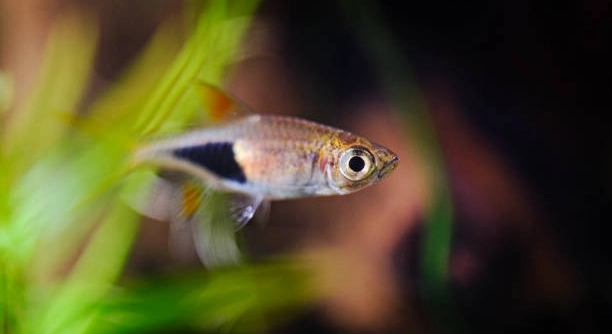
Are your rasboras darting around, hiding more often, or showing signs of stress even when their tank looks fine on the outside?
Small adjustments to tank setup, lighting, and social environment can greatly improve how secure rasboras feel. These changes reduce stress-related behavior and promote natural, confident swimming patterns often associated with good overall health.
Simple tweaks can have a lasting impact, and understanding each one can help your rasboras thrive in their underwater space.
Add More Hiding Spaces
Rasboras thrive when they feel safe, and hiding spots help them achieve that comfort. In the wild, these fish often dart into dense plants or shaded areas when they feel exposed. In your tank, artificial caves, driftwood, or densely planted areas can give them a sense of control. When fish feel secure, they show more natural behavior—schooling confidently and swimming in open water. Even a small change, like adding floating plants or a rock formation, can reduce stress. It’s not about making the tank look full—it’s about giving your rasboras enough cover to feel protected when they need it.
Hiding spaces help rasboras regulate stress levels. Without them, they may stay near the bottom or behind the filter, avoiding open space.
Try placing cover in multiple areas of the tank. Mix plant types—some tall, some bushy—and use structures with smooth surfaces. This creates a balanced environment where all fish can find a safe retreat.
Adjust the Lighting
Bright lighting can be overwhelming for rasboras. Softening it helps them feel more at ease and encourages natural movement.
Dim or indirect lighting mimics their natural habitat, where sunlight filters through layers of leaves and vegetation. Use floating plants like water lettuce or frogbit to diffuse light naturally. If using artificial lights, opt for adjustable settings or lower-intensity bulbs. Avoid keeping the lights on all day. A lighting schedule of 8 to 10 hours is usually enough. Keep in mind that too much light can trigger stress or promote algae growth, both of which affect your fish’s well-being. A slightly shaded tank lets rasboras explore freely, especially when paired with calm tank mates and hiding spots. You’ll often see more active swimming and smoother schooling patterns when lighting is just right. Watching them move together without darting or freezing is a sign that the environment feels secure to them.
Maintain a Calm Environment
Sudden noise, tapping on glass, or frequent movement near the tank can stress rasboras. Keep their space calm and quiet, away from high-traffic areas in your home. A peaceful setup supports more stable behavior and reduces the risk of hiding or erratic swimming.
Avoid placing the tank near televisions, speakers, or areas with heavy foot traffic. Loud sounds and vibrations can travel through the water and startle your rasboras. Try using a background on the tank’s back wall to block movement from behind. Keep tank maintenance gentle—use slow, steady motions when cleaning or feeding. Rasboras are sensitive and tend to react quickly to disruptions. Over time, a quiet environment encourages them to swim in the open more often, stay in groups, and interact naturally with other fish. Stability in their surroundings helps them settle into a predictable routine, which is key for reducing long-term stress.
Fish notice patterns. If the space around the tank stays steady, your rasboras will learn there’s nothing to fear. Loud footsteps, sudden lights, or tapping may not seem like a big deal, but over time, it can make them skittish. A steady, calm room is often enough to change their behavior for the better.
Keep a Consistent Schedule
Rasboras benefit from a routine. Feeding, lighting, and tank checks should happen around the same time each day. A stable pattern creates a sense of predictability that helps reduce anxiety and encourage natural behavior.
Try feeding your rasboras once or twice daily, always around the same hour. Use a light timer to keep the lighting period consistent, ideally between 8 to 10 hours. Even water changes should follow a regular weekly schedule. Rasboras pick up on these routines and adjust their behavior accordingly. Predictable feeding times can help reduce food competition or panic during mealtime. It also lowers the chance of overfeeding, which helps keep the water clean. When lights go on and off at expected times, fish sleep and wake more calmly. Avoid surprising them with sudden movements or unexpected lights late at night. By keeping things regular, your rasboras can focus on just being fish—schooling, exploring, and enjoying their space.
Choose Peaceful Tank Mates
Aggressive or fast-swimming fish can cause stress in rasboras. They prefer calm, similarly sized tank mates that won’t chase or compete for food. Good companions include small tetras, peaceful gouramis, and bottom dwellers like corydoras. Avoid housing them with fin-nippers or overly active fish.
Too much chasing or bumping disrupts rasboras’ schooling behavior and may lead to hiding or erratic swimming. When the tank is calm, rasboras are more likely to explore and stay active. Choosing peaceful neighbors helps them feel safer and promotes a more balanced, low-stress environment.
Provide a Proper-Sized School
Rasboras are schooling fish, and they do best in groups of at least six, though more is often better. Being in a proper school helps them feel protected, reduces fear-based behavior, and supports natural swimming patterns. In smaller numbers, they may isolate themselves or become timid. Larger schools promote synchronized movement, which makes them feel more secure. If your tank space allows, try keeping eight or more. They’ll display brighter colors, swim more freely, and spend less time hiding. Schooling is one of their key safety behaviors, and it plays a major role in how comfortable they feel in their environment.
Avoid Overcrowding
Too many fish in one tank increases stress levels, lowers water quality, and makes rasboras feel unsafe. Give them space to swim and areas to retreat. A less crowded tank promotes stable behavior, cleaner water, and more relaxed interactions among tank mates.
FAQ
How many rasboras should I keep together?
Rasboras are schooling fish, and they feel safest in groups. The minimum recommended number is six, but keeping eight or more is ideal if your tank size allows. When they’re in proper groups, they show more natural behaviors—like synchronized swimming and exploring the middle of the tank. A small group may cause them to become shy, stay near the bottom, or hide behind decorations. Larger schools help them feel secure and reduce stress, which can also improve their color and activity level. Always consider the size of your tank when deciding how many to keep.
Do rasboras need hiding spots if they swim in schools?
Yes, even with a full school, rasboras still benefit from hiding places. While schooling helps them feel safer, hiding spots give them extra comfort and help reduce stress during sudden movement or light changes. A mix of plants, rocks, and driftwood creates layered cover, which mimics their natural habitat. Even confident fish appreciate a place to rest or escape when needed. Hiding spots also help create a calmer tank environment overall, especially during tank maintenance or feeding time. Floating plants are a great option to add overhead shade and reduce exposure from the top.
Can bright lighting stress rasboras out?
Yes, rasboras prefer softer lighting. Bright or direct light can cause them to hide more or become skittish. Using dimmable lights or floating plants helps diffuse the brightness and create a more natural feel. You can also reduce the time your tank lights are on—8 to 10 hours is enough for both the fish and any live plants. If lighting is too harsh, you might notice your rasboras swimming lower in the tank or staying under cover more often. Adjusting lighting is one of the quickest ways to make them feel more at ease.
Is it okay to keep rasboras in a tank with active fish?
It depends on the behavior of the other fish. Rasboras prefer calm environments and may become stressed if tank mates are too fast or aggressive. Avoid keeping them with fish that dart quickly or chase others. Good companions include small peaceful fish like neon tetras, kuhli loaches, or corydoras. Watching your rasboras’ behavior is key—if they start hiding more or school tightly near the corners, they may feel threatened. Calm tank mates help them swim more confidently and use the entire tank space.
What signs show that rasboras feel unsafe?
Common signs include hiding most of the time, darting quickly to cover, clamped fins, and a lack of schooling behavior. You might also see them staying low in the tank or refusing food. These are stress responses and often mean something in the environment is making them uncomfortable. Check for possible causes like loud noise near the tank, poor water quality, aggressive tank mates, or overly bright lighting. Addressing these issues can lead to noticeable changes in behavior—like open swimming, smoother schooling, and better feeding responses.
How does water quality affect rasbora comfort?
Good water quality is essential. Poor conditions can quickly lead to stress, illness, or even death. Rasboras need stable temperature, pH, and clean water free from ammonia or nitrite. Do weekly water changes, use a filter appropriate for the tank size, and test your water regularly. A well-maintained tank gives them the best chance to feel secure. Stress from bad water quality can cause sluggish behavior, pale coloration, or fin issues. Keeping their environment clean and consistent makes a major difference in their overall well-being.
Can I keep rasboras in a small tank?
Only if the tank meets the needs of the group. A 10-gallon tank can work for a small group of rasboras, but space matters. More space means better swimming room and more area for plants or hiding spots. Overcrowding can make them feel trapped, even in a clean tank. If you want to keep more than six rasboras or add tank mates, aim for at least a 20-gallon tank. More room allows for natural behavior and less competition for territory, which helps reduce stress.
What time of day should I feed rasboras?
Feeding them at the same time every day helps create a routine they can rely on. Rasboras are not picky about the hour, but they do appreciate consistency. Try feeding them once in the morning and again in the evening. Keep portions small to avoid leftover food, which can lower water quality. Consistent feeding builds trust and helps them stay active and healthy. Over time, you’ll notice they start coming to the front of the tank at feeding time, which is a sign they’re comfortable and feel safe.
Final Thoughts
Helping rasboras feel safe doesn’t require big changes—it often comes down to small, thoughtful tweaks. These fish are peaceful and social by nature, and they respond well to a calm and stable environment. By adding more hiding spots, softening the lighting, and keeping their surroundings quiet, you support behaviors that show they feel comfortable. When rasboras feel secure, they school more naturally, show brighter colors, and explore the tank with ease. It’s a reminder that their comfort depends not just on water quality, but also on the environment you create around them.
Keeping a consistent schedule is another key part of making rasboras feel secure. Feeding them at the same time each day, turning lights on and off at regular intervals, and doing water changes on a set schedule helps them feel more settled. These routines create patterns they learn to trust, which lowers stress and keeps them active and healthy. Matching them with peaceful tank mates and avoiding overcrowding also supports their well-being. When their space isn’t too loud or crowded, rasboras are more likely to stay out in the open and act like their natural selves. Small changes can make a big difference in how your fish behave and feel.
Observing your rasboras closely is often the best way to know if something needs adjusting. If they’re hiding often, staying low in the tank, or not schooling well, they may be stressed. These are signs worth paying attention to. With a little effort and attention to detail, you can shape their tank into a more secure, calm space. Their comfort shows in their behavior. A relaxed rasbora swims with ease, stays close to its group, and responds calmly to activity around the tank. Creating a safe space for them not only supports their health, but also allows you to enjoy their natural beauty and peaceful presence in your home.

Hello,
If you enjoy the content that we create, please consider saying a "Thank You!" by leaving a tip.
Every little bit helps us continue crafting quality advice that supports the health, happiness, and well-being of pets around the world, for pets of all shapes, sizes, and species.
We really appreciate the kindness and support that you show us!