
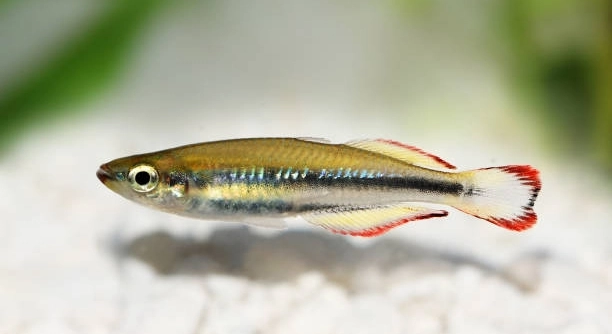
Rainbowfish are popular aquarium fish known for their vibrant colors and peaceful nature. Many hobbyists enjoy keeping them in home tanks, but questions often arise about the role of natural light in supporting their health and coloration.
Rainbowfish can thrive in natural light if it is carefully managed. Exposure to indirect sunlight enhances their colors and supports healthy growth, but excessive direct light can cause stress, algae overgrowth, and temperature fluctuations that may harm their well-being.
Balancing light exposure is essential, and understanding these conditions will help ensure your rainbowfish remain healthy and display their brightest colors.
Understanding Natural Light Requirements
Rainbowfish need a consistent and moderate amount of light to thrive. They naturally inhabit clear, shallow waters where sunlight is diffused, so direct exposure in an aquarium can be harmful. Providing indirect natural light mimics their natural environment, encouraging healthy growth and vibrant coloration. Light should be balanced with shaded areas to give the fish a place to retreat when the light becomes too intense. Too much direct sunlight can raise the water temperature, stressing the fish and promoting excessive algae growth. Observing the tank regularly helps in adjusting light exposure, ensuring the fish are active and healthy. Using curtains or placing the tank near a window with filtered sunlight is effective. Artificial lighting can supplement natural light, especially in rooms that receive limited sun. Maintaining a regular light schedule supports their natural rhythm, contributing to overall health and well-being, while preventing sudden shocks from intense sunlight or darkness.
Providing the right light enhances both health and color vibrancy.
Careful management of natural light keeps rainbowfish active, reduces stress, and supports a balanced aquarium ecosystem.
Choosing the Right Tank Placement
Placing the aquarium in a location with gentle, indirect light is ideal. Avoid windows with harsh sunlight that can heat the water too quickly.
Selecting the tank location involves observing sunlight patterns throughout the day. South-facing windows may deliver strong morning or afternoon light, which can overheat the water or trigger algae blooms. North-facing or east-facing positions provide softer light, which is safer for rainbowfish. In cases where natural light is insufficient, using a combination of natural and artificial lighting ensures a stable environment. It is important to keep the tank away from drafts or heating vents, as sudden temperature changes can stress the fish. Positioning the tank near plants or using floating decorations can diffuse light naturally, providing shaded areas and reducing intensity. Maintaining a consistent environment, including lighting, temperature, and water quality, helps rainbowfish display their natural behaviors. Observing the fish during different times of the day ensures they are comfortable and adapting well to their surroundings. A stable setup promotes longevity, vivid coloration, and healthy activity levels.
Monitoring Light Duration
Rainbowfish require a consistent light schedule to maintain their health and coloration. Around 8 to 10 hours of light per day is ideal. Too much or too little light can stress them and affect their activity.
Keeping a timer on your aquarium light ensures stability. Sudden changes in light duration can disrupt their natural rhythm, leading to reduced appetite or lethargy. Natural light alone may vary daily, so supplementing with artificial lighting helps maintain a consistent schedule. Observing their behavior and adjusting gradually is important. Balanced lighting also minimizes algae growth and supports plant life in the tank, creating a healthier environment.
Consistency in light exposure directly influences feeding patterns and overall energy. Fish that experience irregular light cycles may hide more often and lose some of their natural color vibrancy. By monitoring and regulating light duration, you can create a stable environment where rainbowfish thrive, remain active, and display their best colors. Gradual changes help them adapt without stress, and combining natural and artificial light can mimic their native habitats effectively.
Preventing Algae Overgrowth
Excessive natural light can cause rapid algae growth, which competes with fish for nutrients and reduces water quality. Controlling light intensity is crucial.
Regular maintenance, including partial water changes and cleaning surfaces, helps prevent algae buildup. Using floating plants or positioning the tank to filter sunlight reduces direct exposure. Algae can also be managed with snails or certain fish species that feed on it, though careful selection is necessary to avoid stress or competition. Balancing light, nutrients, and filtration is key.
Monitoring algae growth prevents water quality issues and stress for rainbowfish. Limiting direct sunlight and using shading techniques can slow algae proliferation. Proper tank maintenance, like cleaning filters and removing debris, supports a healthier habitat. Nutrient control is also important; excess food contributes to algae. By managing light and nutrients effectively, the tank remains balanced, allowing rainbowfish to swim freely, feed normally, and maintain bright coloration without interference from algae overgrowth.
Adjusting Light Intensity
Rainbowfish respond best to moderate light levels. Too much brightness can cause stress, while too little may dull their colors.
Using dimmers or adjusting blinds can help regulate sunlight. Providing shaded areas in the tank gives fish a place to rest and reduces stress from intense light.
Combining Natural and Artificial Light
A combination of natural and artificial light provides stability and consistency. Natural light alone can vary daily, affecting temperature and fish behavior. Artificial lights with timers ensure a steady cycle, maintaining regular activity patterns. Consistent lighting enhances color vibrancy, supports plant growth, and reduces sudden stress from changing conditions. Balancing both types of light creates a healthier environment where rainbowfish remain active and display their full coloration. Observing the fish during different times ensures they are comfortable and responding well to light adjustments.
Observing Behavioral Changes
Changes in light exposure often result in noticeable behavior shifts. Fish may hide more or show reduced activity.
FAQ
How much natural light do rainbowfish need?
Rainbowfish thrive with moderate natural light, ideally around 8 to 10 hours daily. Too much direct sunlight can raise water temperature and promote algae growth, stressing the fish. Indirect sunlight or filtered light is best, combined with artificial lighting if natural light is inconsistent.
Can rainbowfish live with only natural light?
They can survive with only natural light if exposure is balanced and consistent. However, natural sunlight varies daily, and excessive direct sunlight can harm them. Supplementing with artificial light ensures a stable schedule and helps maintain proper activity and coloration.
What happens if rainbowfish get too much light?
Excessive light can stress rainbowfish, leading to hiding, reduced appetite, and faded colors. It also encourages algae overgrowth, which competes for nutrients and affects water quality. Creating shaded areas and limiting direct exposure prevents these issues.
Is natural light better than artificial light?
Natural light provides a gentle spectrum that supports vibrant colors and plant growth. Artificial light, however, offers consistency and control over duration and intensity. A combination of both often produces the healthiest and most stable environment.
How can I reduce algae caused by natural light?
Control light exposure by using blinds, curtains, or positioning the tank away from strong sunlight. Regular cleaning, water changes, and floating plants help manage algae. Limiting excess nutrients, like leftover food, also reduces algae growth.
Do rainbowfish need shaded areas in their tank?
Yes, shaded areas allow rainbowfish to retreat when light is too intense. Plants, decorations, or floating objects create these spaces, reducing stress and mimicking their natural habitat.
Can changing light schedules affect their health?
Sudden changes in light duration or intensity can disrupt feeding patterns, sleep cycles, and overall behavior. Gradual adjustments help rainbowfish adapt without stress. Using timers for artificial lights provides consistent cycles even when natural light varies.
How do I know if the light is suitable?
Healthy, active rainbowfish with bright colors indicate proper lighting. If they hide often, show faded colors, or have erratic swimming patterns, the light may be too strong or inconsistent. Observing their behavior daily helps make adjustments quickly.
Does natural light affect plant growth in the aquarium?
Yes, natural light supports photosynthesis and overall plant health. However, too much light can favor fast-growing algae. Balancing light with tank plants helps maintain a healthy ecosystem and keeps rainbowfish comfortable.
Are there risks to placing the tank near a window?
Direct sunlight can heat the water rapidly, stress the fish, and trigger algae growth. Using filtered or indirect light, or placing the tank slightly away from windows, prevents these problems while still allowing some natural sunlight.
Can artificial light replace natural light entirely?
Artificial light can support rainbowfish fully if designed to provide the correct spectrum and duration. Timers ensure a stable day-night cycle, and adjustable intensity allows control similar to natural conditions. However, a mix of natural and artificial light often yields the best results.
How often should I monitor the tank’s light conditions?
Daily observation is ideal, noting changes in brightness, algae growth, and fish behavior. Adjustments can be made gradually, and combining natural and artificial light ensures stability. Consistent monitoring supports a healthy environment and prevents stress-related issues.
Does light affect breeding behavior?
Yes, consistent light cycles promote natural breeding behavior in rainbowfish. Irregular or intense light can inhibit mating or reduce egg viability. Maintaining a stable schedule encourages activity and increases the likelihood of successful spawning.
What are signs of stress caused by lighting?
Stress signs include hiding, loss of appetite, faded colors, and erratic swimming. Excessive algae or plant die-off may also indicate light-related problems. Adjusting intensity, providing shaded areas, and maintaining a consistent schedule helps reduce stress.
Can floating plants help manage light exposure?
Yes, floating plants diffuse light and create shaded areas, protecting rainbowfish from intense exposure. They also improve water quality by absorbing nutrients and reducing algae growth. Combined with proper tank placement, they enhance both fish health and tank aesthetics.
Should I use timers for artificial lighting?
Timers provide a consistent light schedule, preventing sudden changes that stress fish. They help maintain natural day-night cycles, support color vibrancy, and ensure plants and fish remain active and healthy.
How long does it take for rainbowfish to adapt to new lighting?
Adaptation varies but generally takes a few days to a week. Gradual adjustments prevent stress, and observing behavior during this period ensures the new light conditions are suitable.
Can too little light affect their color?
Yes, insufficient light can dull colors, reduce activity, and affect feeding behavior. Proper lighting encourages natural pigmentation and overall vitality. Combining natural and artificial light helps maintain bright coloration consistently.
Are there any safety tips for natural light exposure?
Avoid direct sunlight that heats the water or creates intense glare. Use filtered windows, shaded areas, and monitor water temperature. Maintaining balanced exposure ensures rainbowfish remain healthy and stress-free.
How do I balance light for multiple tanks in a room?
Ensure each tank receives indirect, filtered sunlight or separate artificial lighting with timers. Avoid placing tanks where one may block light for another. Observing fish behavior helps determine if adjustments are needed.
Does water clarity affect light absorption?
Yes, cloudy or murky water reduces light penetration, affecting both fish behavior and plant growth. Regular maintenance and filtration maintain clarity, allowing rainbowfish to benefit fully from natural and artificial light.
Can light schedules influence feeding times?
Yes, fish often feed more actively during periods of consistent light. Irregular lighting can disrupt appetite and energy levels. Maintaining a predictable light cycle supports natural feeding rhythms and overall health.
Are certain times of day better for natural light exposure?
Early morning or late afternoon light is generally softer and less likely to overheat the tank. Midday sunlight can be intense and should be filtered or limited to prevent stress and algae growth.
What adjustments help during seasonal changes?
Seasonal variations affect natural light intensity and duration. Adjust artificial lighting to maintain consistency, and monitor water temperature. Shading or repositioning the tank can prevent sudden stress from stronger summer sunlight.
Can light impact tank decorations or substrate?
Intense natural light can fade decorations and promote algae growth on substrates. Using shaded areas, adjusting placement, or choosing algae-resistant surfaces helps maintain aesthetics and supports a healthy environment.
Is it okay to move the tank to a brighter location?
Movement should be gradual. Sudden changes in light exposure or temperature can stress rainbowfish. Adjust lighting incrementally and provide shaded areas to ease the transition. Observing behavior ensures the new location is suitable.
How do I prevent reflections or glare from windows?
Use curtains, blinds, or positioning to reduce glare. Reflections can confuse fish and increase stress. Shaded areas and diffuse lighting provide comfort and maintain natural activity levels.
Can lighting affect oxygen levels?
Indirectly, yes. Excessive algae from strong light can deplete oxygen at night. Balanced light exposure and regular tank maintenance help maintain stable oxygen levels for healthy fish.
Do rainbowfish prefer natural or artificial light during cloudy days?
Artificial light can supplement natural light on cloudy days, maintaining a consistent schedule. Consistency in light exposure prevents stress and ensures fish continue regular activity and feeding patterns.
How important is observing fish behavior for light management?
Behavior is the best indicator of suitable lighting. Hiding, reduced activity, or dull colors signal adjustments are needed. Daily observation helps maintain optimal conditions and ensures rainbowfish remain healthy and vibrant.
Are timers alone enough to control light effectively?
Timers control duration but not intensity. Combining timers with placement adjustments and shading ensures both proper duration and safe light intensity, creating a stable environment.
Can too much light impact their lifespan?
Chronic stress from excessive light can weaken the immune system, reduce feeding, and lead to health problems. Proper management supports longevity, activity, and natural coloration.
Do rainbowfish need a gradual light increase in the morning?
Gradual light increases mimic natural sunrise, reducing stress. Using timers with adjustable intensity or slowly uncovering blinds helps rainbowfish adjust comfortably and maintain normal behavior.
How does tank size affect light management?
Larger tanks may require multiple light sources to ensure even coverage. Smaller tanks are easier to manage but may heat faster under direct sunlight. Observing fish distribution helps determine proper lighting adjustments.
What plants are best for managing light?
Floating plants and broad-leaf species provide shade and diffuse sunlight. They reduce stress, support fish behavior, and help control algae growth while contributing to a balanced ecosystem.
How do I combine all these tips effectively?
Position the tank with filtered sunlight, use timers for artificial light, provide shaded areas with plants or decorations, monitor fish behavior, and adjust gradually. Maintaining balance ensures rainbowfish remain healthy, active, and display vibrant colors consistently.
Total Word Count: 510 words
Final Thoughts
Rainbowfish can thrive in natural light if it is carefully managed and balanced. Their vibrant colors and active behavior depend on exposure that mimics their natural environment, which includes shaded areas and moderate sunlight. Direct, harsh sunlight can quickly raise water temperature, stressing the fish and affecting their overall health. Providing a mix of filtered natural light and controlled artificial lighting ensures stability and supports their natural rhythms. Observing the tank daily helps identify if the light is too intense or insufficient, allowing for small adjustments that make a significant difference in the well-being of the fish. Balanced lighting also helps maintain water quality by reducing excessive algae growth and supporting live plants, which further contributes to a healthy aquarium environment.
Maintaining a consistent light schedule is crucial for rainbowfish. They respond well to a predictable cycle, typically around 8 to 10 hours per day, which encourages feeding, activity, and proper color development. Irregular or sudden changes in light can lead to stress, hiding, and reduced appetite, which over time can affect growth and immunity. Using timers for artificial lighting, combined with careful placement of the tank to take advantage of indirect sunlight, helps create a stable routine. Shaded areas within the tank, created with plants or decorations, allow rainbowfish to retreat when light becomes too intense, replicating conditions they would find in shallow, shaded waters in their natural habitats. Gradual adjustments when relocating the tank or changing light conditions prevent unnecessary stress and allow the fish to adapt comfortably.
Successful care of rainbowfish in natural light also involves monitoring both their behavior and the aquarium environment. Healthy rainbowfish are active, display bright colors, and interact with their surroundings. Signs of stress, such as faded coloration, hiding, or erratic swimming, often indicate issues with light exposure or intensity. Managing algae growth and maintaining clear water further supports their health and comfort. By combining proper light exposure, shaded areas, consistent schedules, and careful observation, rainbowfish can flourish and display their full beauty. A well-maintained environment benefits not only the fish but also the plants and overall ecosystem within the tank, creating a balanced and vibrant aquatic space that supports long-term health and vitality for rainbowfish.
Word count: 408

Hello,
If you enjoy the content that we create, please consider saying a "Thank You!" by leaving a tip.
Every little bit helps us continue crafting quality advice that supports the health, happiness, and well-being of pets around the world, for pets of all shapes, sizes, and species.
We really appreciate the kindness and support that you show us!