
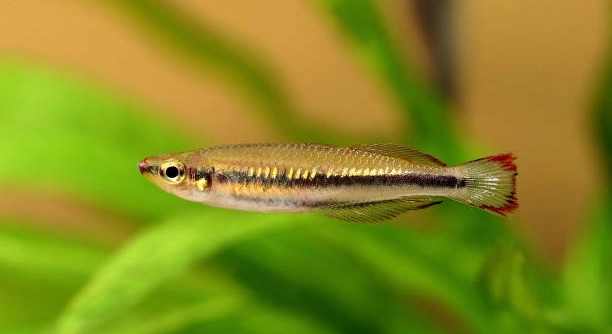
Have you ever noticed your rainbowfish suddenly darting around the tank for no clear reason? Many owners observe these quick movements and wonder what might be triggering such sudden reactions in their fish. Small changes in the environment can have surprising effects.
Rainbowfish can indeed get startled by vibrations. These fish are sensitive to sudden movements and pressure changes in the water, which can trigger a natural flight response. Their reactions are instinctive and help them avoid potential threats in their surroundings.
Understanding how vibrations affect rainbowfish can improve tank management and reduce stress for your aquatic pets, ensuring a calmer and healthier environment for them.
How Vibrations Affect Rainbowfish Behavior
Rainbowfish are highly perceptive to changes in their surroundings. Vibrations in the water, whether from tapping the glass, moving decorations, or nearby appliances, can startle them. Even small vibrations create ripples that travel quickly, triggering an instinctive response. When startled, rainbowfish may swim erratically, hide, or cluster together for safety. These behaviors are normal survival instincts, reflecting how they react to potential threats. Over time, repeated disturbances can increase stress, which may affect their appetite, coloration, and overall health. Observing how your fish respond to vibrations can help you identify sources of stress and adjust your tank setup accordingly. For example, placing tanks away from heavy foot traffic or avoiding sudden movements near the aquarium can reduce unnecessary stress. Adding plants or decorations that offer hiding spaces allows fish to feel secure. Monitoring their reactions daily helps maintain a calm environment. Creating a stable habitat encourages natural behaviors while minimizing stress-related issues for rainbowfish.
Even minor vibrations can trigger noticeable reactions, so consistent care is key for their well-being.
Providing a tank with stable conditions and fewer disturbances ensures that rainbowfish thrive. Observing their reactions helps maintain a healthy, balanced environment where their natural behaviors can flourish.
Common Sources of Vibrations in the Tank
Simple daily activities often create vibrations that fish can sense. Noise from washing machines, footsteps, or even nearby doors can disturb them.
Household vibrations are more impactful than one might think. Items placed on or near the tank, like speakers or heavy furniture, can transmit movement through the water. Even cleaning or tapping on the tank’s glass produces ripples that trigger sudden swimming behavior. Fish may dart to hiding spots or group tightly when disturbed. Over time, repeated exposure can increase stress hormones, affecting their immune system and making them more prone to illness. Owners can minimize stress by monitoring these sources, creating buffer zones, and using mats or pads under the tank. Providing plants, caves, or decorations offers shelter and comfort, reducing anxiety when vibrations occur. Understanding these factors allows better care and helps rainbowfish maintain natural behaviors. A calm, stable environment promotes brighter colors, consistent eating habits, and longer lifespans, supporting their overall health and happiness in the tank.
Tips to Reduce Stress from Vibrations
Placing the tank away from heavy foot traffic or loud appliances helps minimize sudden disturbances. Using a soft mat under the tank and providing hiding spots can make a big difference in how rainbowfish respond to vibrations.
Creating a calmer environment requires observing how your fish react. Plants, rocks, and small caves give them places to retreat when they feel threatened. Even rearranging decorations carefully can reduce sudden ripples. Limiting tapping on the glass or sudden movements near the tank keeps the water stable. Over time, these small adjustments lower stress, improve coloration, and encourage normal swimming and feeding behavior. Rainbowfish respond positively to predictability, and maintaining a consistent routine around the tank helps them feel secure.
Consistent monitoring is essential. Recording which actions cause noticeable reactions allows you to make targeted changes. Simple adjustments, like moving a speaker away or cushioning furniture nearby, can significantly reduce stress. Understanding your fish’s sensitivity makes it easier to maintain a peaceful and healthy habitat for them.
Feeding and Activity Considerations
Timing feedings carefully reduces sudden disturbances during active periods. Avoid dropping food quickly, and maintain a regular feeding schedule to keep rainbowfish calm.
Rainbowfish are naturally active, and sudden vibrations during feeding can startle them. Gentle placement of food and avoiding tapping on the glass during meals reduces stress. Observing their behavior before and after feeding helps you notice if certain areas of the tank are more sensitive to movement. Rotating activities around the tank or adjusting light levels can also influence how they respond to vibrations. Maintaining a calm, predictable feeding environment encourages healthier appetites and natural swimming patterns.
Adjusting decorations and providing structured swimming paths keeps fish from panicking when vibrations occur. Adding floating plants or areas of cover allows them to explore safely without sudden stops. A controlled feeding and activity routine strengthens their sense of security and reduces erratic movements caused by disturbances. Consistent, thoughtful care improves overall health, behavior, and coloration, ensuring rainbowfish thrive in a stable and calm environment.
Recognizing Stress Signals
Rapid darting, clinging to tank corners, or hiding more than usual are clear signs rainbowfish are stressed by vibrations. These behaviors indicate they feel unsafe or startled.
Faded colors, loss of appetite, or unusual aggression can also appear when stress is persistent. Monitoring these signals helps you intervene early.
Adjusting Tank Placement
Position the aquarium away from doors, heavy traffic areas, or appliances that create vibrations. Even small shifts in location can reduce disturbances significantly. Carefully choosing a stable spot ensures water remains calm, allowing rainbowfish to swim naturally and maintain healthy behavior patterns.
Using Decorations Strategically
Adding plants, rocks, or caves provides shelter and breaks up water movement. This reduces the impact of vibrations, giving rainbowfish safe areas to retreat and feel secure.
Monitoring Daily Behavior
Watching daily patterns helps you notice changes in activity or reactions to vibrations. Early detection of stress allows timely adjustments to their environment, ensuring healthier and calmer rainbowfish.
FAQ
Can rainbowfish get used to vibrations over time?
Rainbowfish can adapt to mild, consistent vibrations if they are predictable and not too intense. Over time, they may stop reacting as strongly to small disturbances. However, sudden or irregular vibrations will continue to startle them, so minimizing unpredictable sources is important. Consistency in their environment helps reduce stress.
What are the most common sources of vibrations in a home aquarium?
Household appliances, washing machines, and speakers can all transmit vibrations through floors or walls. Even footsteps near the tank or tapping on the glass can create water ripples that disturb fish. Furniture placed on the same surface as the tank can also magnify vibrations, especially if it is heavy or unstable.
How do I know if vibrations are stressing my rainbowfish?
Signs of stress include erratic swimming, hiding more than usual, clinging to corners, loss of appetite, or dulling colors. Persistent stress can make fish more prone to illness. Observing their behavior regularly helps identify patterns and potential sources of disturbance.
Are some rainbowfish species more sensitive than others?
Yes, smaller or more delicate species tend to react more strongly to vibrations. Species that are naturally skittish will show heightened startle responses, while more robust or territorial species might be less reactive. Knowing your species’ tendencies helps in designing a calm tank environment.
Can decorations reduce stress from vibrations?
Yes. Adding plants, rocks, caves, or floating items helps break up water movement caused by vibrations. These provide hiding spots and create calmer areas in the tank, allowing rainbowfish to feel secure. Proper placement of decorations also prevents excessive water turbulence during feeding or cleaning.
Does tank placement really make a difference?
Absolutely. Placing the aquarium away from doors, high-traffic areas, or heavy appliances reduces sudden disturbances. Even small shifts in position can lessen vibrations transmitted through the floor. A stable location ensures water movement stays minimal, which improves fish comfort and reduces startle responses.
Can vibrations affect feeding behavior?
Yes, sudden movements or vibrations during feeding can startle rainbowfish, causing them to ignore food or swim erratically. Placing food gently and maintaining a calm, predictable feeding routine reduces stress and encourages natural eating habits. Over time, consistent feeding schedules help fish associate calm periods with meals.
Is there any equipment that can help reduce vibrations?
Yes, using soft mats or pads under the tank can absorb some vibrations. Aquarium stands designed to dampen movement are also effective. Minimizing noise from nearby devices, speakers, or appliances and stabilizing furniture near the tank further reduces disturbances.
How quickly do rainbowfish react to vibrations?
Rainbowfish have fast reflexes and can respond immediately to sudden vibrations. Their instinctive flight response is a survival mechanism. Even subtle water ripples can trigger a reaction, so controlling the environment is crucial to prevent constant stress.
Can stress from vibrations affect their long-term health?
Yes, chronic stress weakens the immune system, reduces appetite, dulls coloration, and can lead to illness. Providing a calm, stable environment with hiding spots and controlled feeding routines helps ensure rainbowfish remain healthy and display natural behaviors.
What is the best way to monitor stress over time?
Regular observation is key. Note changes in swimming patterns, hiding frequency, and eating behavior. Keeping a simple log helps track triggers and improvements. Adjusting tank placement, decorations, and daily activities based on these observations ensures a healthier, calmer environment.
Are vibrations more stressful at certain times of the day?
Yes, rainbowfish are more active during the day. Vibrations during peak activity periods can startle them more than during rest periods. Scheduling feeding, cleaning, and other tank interactions when fish are less active can reduce stress.
Can other fish in the tank influence reactions to vibrations?
Yes, rainbowfish often mirror the behavior of tank mates. If one fish reacts strongly, others may follow, amplifying stress. Ensuring all species in the tank have similar sensitivities and providing enough space and hiding spots can help minimize group stress reactions.
Is it possible to completely eliminate stress from vibrations?
Completely eliminating stress is difficult because rainbowfish are naturally sensitive. However, careful tank placement, stable surfaces, protective decorations, and consistent routines can significantly reduce stress and improve overall well-being.
Rainbowfish are naturally sensitive to their environment, and vibrations in the tank can have a noticeable impact on their behavior. Even small disturbances, like footsteps near the aquarium or the hum of household appliances, can startle them. Their reactions are instinctive and are a way to protect themselves from potential danger. While these responses are normal, repeated stress can affect their overall health, including appetite, coloration, and energy levels. Observing how your fish behave in response to vibrations helps you understand their needs and make adjustments to their habitat. Simple changes, such as moving the tank to a quieter spot or cushioning it with a soft mat, can create a calmer environment that reduces stress. Over time, these small improvements help rainbowfish feel more secure, which encourages natural swimming patterns and healthy feeding behavior.
Providing hiding spaces is another way to help rainbowfish cope with vibrations. Plants, rocks, and decorations create areas where fish can retreat if they feel threatened. These spaces allow them to explore the tank at their own pace while still having secure spots to rest. Even floating plants can help diffuse water movement, reducing the intensity of vibrations. Arranging decorations thoughtfully can minimize sudden currents and provide visual barriers that make the tank feel more sheltered. When fish have places to hide and feel safe, they are less likely to be startled by minor disturbances. This not only improves their comfort but also promotes longer-term health and stability in the tank. Observing how they use these areas also provides insight into their stress levels, allowing for ongoing adjustments to maintain a supportive environment.
Daily routines and careful handling also contribute to a healthier environment for rainbowfish. Feeding at consistent times, gently placing food in the water, and avoiding tapping on the glass can make a big difference in reducing startle responses. Monitoring their behavior regularly allows you to identify patterns and recognize sources of stress. Over time, creating a stable environment with predictable routines and appropriate hiding spaces helps rainbowfish feel more comfortable and secure. While it is impossible to completely remove all stress from vibrations, thoughtful tank management significantly reduces its impact. Maintaining a calm, consistent habitat encourages natural behaviors, promotes brighter coloration, and supports overall well-being. By paying attention to the effects of vibrations and making small, practical changes, you can create a healthier and more peaceful environment for your rainbowfish, helping them thrive in their aquarium.

Hello,
If you enjoy the content that we create, please consider saying a "Thank You!" by leaving a tip.
Every little bit helps us continue crafting quality advice that supports the health, happiness, and well-being of pets around the world, for pets of all shapes, sizes, and species.
We really appreciate the kindness and support that you show us!