
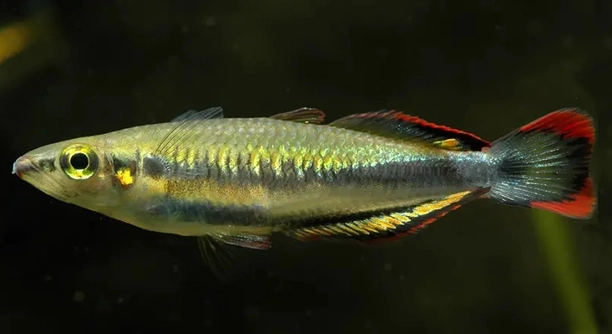
Rainbowfish are small, colorful freshwater fish often admired for their shimmering scales. Many aquarium enthusiasts enjoy keeping them because of their peaceful nature and active swimming habits in a well-maintained tank environment.
Rainbowfish can thrive in a community tank when provided with adequate space, compatible tank mates, proper water conditions, and a balanced diet. Ensuring minimal stress and maintaining water quality are essential for their long-term health and social behavior.
Maintaining a harmonious aquarium requires understanding the needs of each species and how they interact with one another in shared spaces.
Ideal Tank Setup for Rainbowfish
A well-planned tank is essential for rainbowfish to feel comfortable and secure. They need a tank of at least 30 gallons to swim freely, as they are active swimmers who enjoy open spaces. Plants, rocks, and hiding spots help mimic their natural environment while providing shelter and reducing stress. Proper filtration and regular water changes keep water clean and stable, preventing disease. The temperature should stay between 72 and 82°F, and pH levels should range from 6.5 to 8.0. Lighting should be moderate to showcase their colors without stressing them. Adding a gentle current can simulate their natural habitats. Observing how rainbowfish interact with the setup allows you to adjust the environment, ensuring they thrive. A carefully arranged tank not only benefits their health but also encourages natural behaviors and social interaction within the community.
Maintaining stable water parameters is vital to prevent stress and aggression among rainbowfish.
Arranging a tank with both open swimming areas and hiding spots encourages healthy activity and socialization. Plants should be anchored firmly, and rocks or driftwood placed to create boundaries without restricting movement. Using a reliable filter helps maintain oxygen levels and keeps debris under control. Regularly testing water for ammonia, nitrite, and nitrate ensures that levels remain safe. Gradually introducing new fish reduces territorial disputes. Decorations should not have sharp edges to avoid injuries. Light cycles of about 10–12 hours a day support normal behavior and coloration. A balanced diet with high-quality flakes, pellets, and occasional live or frozen food keeps them energetic and vibrant. Observing daily habits can indicate health issues early. Adjustments to temperature, pH, or tank arrangement may be needed if signs of stress appear.
Compatible Tank Mates
Choosing the right tank mates ensures harmony in a community tank. Small, peaceful species like tetras or rasboras are ideal companions for rainbowfish.
Aggressive or fin-nipping fish should be avoided, as rainbowfish are sensitive and may become stressed when bullied.
Selecting compatible species requires attention to temperament, size, and water requirements. Rainbowfish prefer active, non-aggressive fish that occupy similar water conditions. Bottom-dwellers, such as small catfish, can coexist well since they occupy different tank levels, reducing competition for space. Avoid large or predatory fish that may see rainbowfish as prey. Introducing tank mates gradually allows for adjustment and reduces territorial disputes. Observing interactions helps identify any signs of aggression or stress, allowing timely separation if necessary. Balanced feeding prevents dominance by aggressive feeders and ensures all fish receive adequate nutrition. A well-planned community tank fosters natural behavior, reduces stress, and creates a visually appealing aquarium where rainbowfish can display their colors and swim freely alongside compatible companions.
Feeding and Nutrition
Rainbowfish require a balanced diet to stay healthy and colorful. High-quality flakes or pellets should form the base, supplemented with live or frozen foods like brine shrimp or daphnia for protein.
Offering a variety of foods helps meet their nutritional needs and supports vibrant coloration. Feeding small amounts 2–3 times daily prevents overfeeding, which can pollute the tank and harm water quality. Including plant-based foods, such as spirulina flakes, adds essential vitamins and fiber. Monitoring eating habits allows you to spot issues early, such as reduced appetite indicating stress or illness. Rotating food types keeps meals interesting and encourages natural foraging behavior. Treats should be given sparingly to avoid digestive problems.
It’s important to observe the tank during feeding times. Aggressive feeders may dominate, leaving shy fish underfed. Using feeding rings or distributing food across the tank ensures all fish get access. Regularly cleaning uneaten food prevents ammonia spikes, which can be harmful. Adjusting portion sizes based on activity levels and fish growth helps maintain ideal body condition. Consistency in feeding routines reduces stress, while providing occasional live or frozen food keeps rainbowfish energetic and supports reproductive health.
Common Health Concerns
Rainbowfish are generally hardy but can face issues like ich, fin rot, or swim bladder problems. Maintaining clean water and stable parameters reduces disease risk.
Stress, poor diet, and incompatible tank mates can make rainbowfish vulnerable to illness. Signs like clamped fins, lethargy, or discoloration indicate potential problems. Quarantining new fish before adding them prevents the spread of parasites and bacteria. Using a reliable filter and performing regular water changes keeps ammonia, nitrite, and nitrate at safe levels. Balanced nutrition and consistent feeding schedules strengthen immune systems, while maintaining appropriate temperature and pH reduces stress-related illnesses. Early detection and treatment of disease increase survival chances and keep the community tank stable.
Treating health issues promptly is crucial for long-term wellbeing. Observation during daily routines helps identify subtle changes in behavior or appearance, such as unusual swimming patterns or loss of appetite. Medication should be used carefully, following dosage instructions and considering tank mates. Maintaining a clean substrate and removing debris reduces bacterial growth. Encouraging natural behavior through proper tank setup and environmental enrichment also supports immunity. Stress reduction by providing hiding spots and avoiding overcrowding helps prevent outbreaks. Routine monitoring of water parameters and diet ensures rainbowfish remain active, vibrant, and resilient in a community environment.
Tank Maintenance
Regular maintenance is key to keeping rainbowfish healthy. Partial water changes of 20–25% weekly help maintain water quality and remove waste buildup.
Cleaning the filter and checking equipment ensures consistent water flow and oxygenation. Removing debris from the substrate prevents harmful bacteria from accumulating.
Breeding Rainbowfish
Breeding rainbowfish requires stable water conditions and a separate breeding tank. A temperature around 78–80°F encourages spawning, and fine-leaved plants or spawning mops provide places for eggs to attach. Separating adults after spawning prevents them from eating the eggs. Regular monitoring ensures eggs develop properly, and larvae need infusoria or powdered foods initially. Gradually transitioning fry to larger foods helps them grow strong. Observing the breeding process can be rewarding and provides insight into their natural behaviors, social hierarchy, and care requirements. Patience and attention are crucial for successfully raising healthy rainbowfish fry in a controlled environment.
Behavior Observations
Rainbowfish are active swimmers that prefer to stay in groups. Watching their interactions helps detect stress or aggression early.
FAQ
How many rainbowfish should I keep in a community tank?
Rainbowfish are schooling fish and feel most comfortable in groups of at least six. Keeping fewer can cause stress and timid behavior. A larger group encourages natural swimming patterns and social interaction. Proper space per fish is essential to prevent overcrowding, aggression, and competition for food.
Can rainbowfish live with other peaceful species?
Yes, rainbowfish do well with small, non-aggressive fish like tetras, rasboras, and guppies. Avoid fin-nipping or aggressive species, as rainbowfish are sensitive and can become stressed. Bottom-dwellers such as Corydoras catfish are also suitable, as they occupy different levels of the tank.
What water parameters do rainbowfish need?
Ideal temperature ranges from 72–82°F, with a pH of 6.5–8.0 and moderate hardness. Stable water conditions are critical. Sudden changes can stress rainbowfish and trigger illness. Regular testing of ammonia, nitrite, and nitrate levels helps maintain a safe environment.
How often should I feed rainbowfish?
Feeding two to three small meals daily is recommended. Flakes or pellets should form the base diet, supplemented with live or frozen foods such as brine shrimp or daphnia. Plant-based flakes or spirulina help provide vitamins and fiber. Avoid overfeeding to maintain water quality.
What are common health issues in rainbowfish?
Rainbowfish can face ich, fin rot, and swim bladder problems. Stress, poor diet, and incompatible tank mates increase vulnerability. Clamped fins, discoloration, or lethargy often indicate illness. Maintaining clean water, stable conditions, and a balanced diet reduces the risk of disease.
Can rainbowfish breed in a community tank?
Breeding is possible but easier in a separate tank. Rainbowfish lay eggs on plants or spawning mops. Adults may eat eggs if left together. Temperature around 78–80°F encourages spawning. Fry need fine foods like infusoria initially, gradually moving to larger foods as they grow.
How do I reduce stress in rainbowfish?
Provide open swimming space and hiding spots. Stable water parameters, moderate lighting, and compatible tank mates minimize stress. Avoid overcrowding and aggressive species. Regular observation helps detect issues early, allowing adjustments in environment or diet to keep fish calm and healthy.
Do rainbowfish need strong lighting?
Moderate lighting is sufficient. Too bright light can cause stress, while proper lighting enhances their natural colors. Providing shaded areas with plants or decorations helps fish feel secure. A consistent light cycle of 10–12 hours supports normal behavior and feeding routines.
Can rainbowfish live in small tanks?
Small tanks are not recommended because rainbowfish are active swimmers that require space. A minimum of 30 gallons is ideal for a small group. Larger tanks reduce stress, allow social interaction, and improve water stability, ensuring healthier and more vibrant fish.
How long do rainbowfish live?
With proper care, rainbowfish can live 5–8 years. Consistent water quality, a balanced diet, compatible tank mates, and stress reduction all contribute to longevity. Regular monitoring of health and behavior helps maintain their vitality over time.
How do I introduce new fish to rainbowfish?
Quarantine new fish before adding them to prevent disease. Introduce them gradually to reduce territorial disputes. Monitor interactions closely and provide extra hiding spots. Proper acclimation minimizes stress and ensures harmony in a community tank.
Are rainbowfish sensitive to water changes?
Yes, they prefer gradual water changes. Sudden shifts in temperature, pH, or hardness can stress them. Performing partial weekly water changes of 20–25% keeps the tank clean without shocking the fish. Observing their behavior after changes ensures they adjust well.
What should I feed rainbowfish fry?
Fry require tiny foods such as infusoria or powdered fry food for the first few days. Gradually, they can eat baby brine shrimp or finely crushed flakes. Feeding small amounts several times a day supports healthy growth and prevents water quality issues.
Do rainbowfish need a strong current?
A gentle current simulates natural conditions and encourages exercise, but strong currents can stress them. Using a filter that creates light water movement is ideal. Observing swimming behavior helps determine if adjustments are needed.
How do I prevent aggression in a community tank?
Select peaceful tank mates, provide adequate space, and include hiding spots. Avoid overcrowding. Observing fish interactions allows early intervention if aggression occurs. Maintaining proper water parameters also reduces stress-induced fighting, ensuring harmony.
Can rainbowfish change color?
Yes, their colors can intensify or fade depending on health, mood, and water conditions. Stress, poor diet, or illness can dull colors, while a clean, stable environment and proper nutrition enhance vibrancy. Social interactions also affect color displays.
Is it necessary to rearrange the tank?
Occasional rearrangement can reduce territorial behavior, but avoid frequent changes that stress fish. Maintaining consistent hiding spots and swimming areas supports comfort. Gradual adjustments allow rainbowfish to adapt without disrupting their routines.
How do I know if rainbowfish are happy?
Active swimming, schooling behavior, bright coloration, and regular feeding indicate contentment. Fish that hide constantly, lose color, or refuse food may be stressed or unwell. Observing behavior daily ensures timely adjustments to care and environment.
Can rainbowfish tolerate slightly different water conditions than recommended?
They can adapt within limits, but prolonged exposure to extreme temperatures, pH, or hardness can cause stress and illness. Maintaining recommended ranges ensures long-term health and prevents behavior or growth issues. Minor fluctuations should be gradual and monitored carefully.
What is the best way to acclimate rainbowfish to a new tank?
Float the bag in the tank for 15–20 minutes to equalize temperature, then gradually mix tank water with bag water over an hour. Slowly releasing fish minimizes shock, allowing them to adjust to water parameters and reduces stress during the transition.
Rainbowfish are lively and colorful additions to any community tank, but their well-being depends heavily on proper care and preparation. Providing a tank that balances open swimming space with hiding spots is essential for their comfort. They are naturally active swimmers who thrive when they have room to move freely. Including plants, rocks, and driftwood not only enhances the visual appeal of the tank but also helps reduce stress by offering places to retreat. Maintaining clean, stable water conditions is just as important as the physical setup. Regular water testing and partial changes help prevent spikes in ammonia, nitrite, or nitrate, which can cause illness. A reliable filter ensures consistent water flow and oxygen levels, creating a healthy environment where rainbowfish can show their best colors. Paying attention to the temperature and pH also supports long-term health, as sudden changes can quickly lead to stress or disease.
A balanced diet is crucial for keeping rainbowfish healthy and vibrant. They benefit from a mix of high-quality flakes or pellets, supplemented with occasional live or frozen foods like brine shrimp or daphnia. Including plant-based flakes provides essential nutrients and fiber that support digestion. Feeding small amounts multiple times a day prevents overfeeding, which can pollute the water and create health problems. Watching how the fish eat during feeding times helps ensure that all individuals receive adequate nutrition, as shy or weaker fish may need extra attention. Over time, observing their eating habits also allows you to spot early signs of illness, such as a loss of appetite or unusual behavior. A consistent feeding routine reduces stress and encourages natural foraging behavior, keeping the fish active and engaged throughout the day.
Maintaining a harmonious community tank involves careful selection of tank mates and close observation of interactions. Rainbowfish do best with other peaceful species that share similar water requirements, such as tetras, rasboras, or small catfish. Aggressive or fin-nipping fish should be avoided to prevent stress and potential injury. Introducing new fish gradually and providing extra hiding spots helps reduce territorial disputes. Monitoring their behavior daily allows for early intervention if problems arise, ensuring the community remains stable and safe for all inhabitants. Rainbowfish are social and thrive in groups, so keeping them in schools encourages natural behavior and strengthens social bonds. With attention to tank setup, water quality, diet, and compatibility, rainbowfish can live long, healthy lives in a community environment, displaying their colors and natural energy consistently.

Hello,
If you enjoy the content that we create, please consider saying a "Thank You!" by leaving a tip.
Every little bit helps us continue crafting quality advice that supports the health, happiness, and well-being of pets around the world, for pets of all shapes, sizes, and species.
We really appreciate the kindness and support that you show us!