
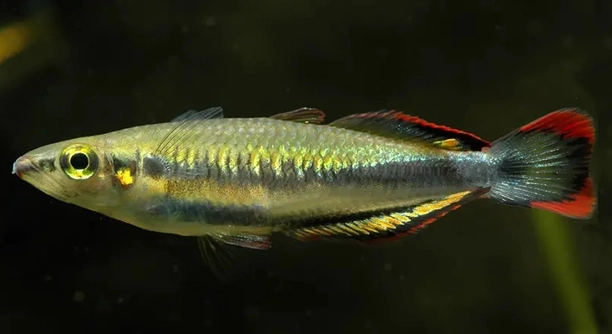
Rainbowfish are small, colorful freshwater fish often kept in home aquariums. They are active swimmers and display vibrant patterns. Observing their behavior can be both relaxing and informative for aquarium enthusiasts and researchers alike.
Rainbowfish demonstrate the ability to detect changes in daily routines. Alterations in feeding times, light cycles, or human interaction can lead to observable behavioral adjustments, indicating a sensitivity to environmental and temporal cues within their habitat.
Understanding how routine changes affect rainbowfish can help maintain a stable environment. Observing their reactions offers insights into their well-being and daily behavior patterns.
How Rainbowfish React to Feeding Time Changes
When the usual feeding schedule is altered, rainbowfish quickly show signs of adjustment. They may swim more actively near the feeding area or appear hesitant if the change is unexpected. Over time, they begin to anticipate new feeding times, showing a clear ability to learn temporal patterns. Sudden delays can cause minor stress, indicated by slower movements or reduced interaction. Consistency in feeding helps maintain their normal behavior and overall health. Even small changes, like a few minutes earlier or later than usual, can trigger noticeable reactions. Observing these patterns provides insight into how sensitive rainbowfish are to their environment. Adjustments in their routine demonstrate cognitive recognition of daily schedules. Fish that experience repeated irregular feeding may display heightened alertness or temporary anxiety, emphasizing the importance of maintaining a steady schedule. Their responses are subtle but measurable, providing a clear picture of routine awareness.
Rainbowfish can adapt to new feeding times, though repeated inconsistencies may affect their comfort and behavior in the tank.
Monitoring feeding adjustments helps create a calm, predictable environment. Recognizing their reactions ensures they remain healthy and active. It is interesting to see how small creatures can respond so clearly to time-based cues. Observing these shifts can guide better care practices and foster a more stable tank atmosphere for all the fish. Consistent routines allow rainbowfish to thrive, while small variations reveal their sensitivity to environmental changes and how they cope with unpredictability. Understanding these patterns benefits both caretakers and the fish, highlighting the importance of predictable schedules in maintaining their well-being.
Responses to Light and Environmental Changes
Rainbowfish respond noticeably to shifts in lighting or tank setup, often displaying altered swimming or hiding behaviors.
Changes in light, decorations, or tank placement can influence stress levels and activity. Sudden shifts may cause temporary hiding, reduced feeding, or exploratory swimming. Over time, rainbowfish acclimate, but frequent changes disrupt their rhythm. Light cycles especially affect their internal sense of routine, and dimming or extending lighting periods can alter movement patterns and alertness. Even small modifications in tank layout, like moving plants or rocks, can cause them to investigate and adapt their swimming paths. Consistency in environment fosters a stable sense of security. Observing their responses reveals their reliance on predictable conditions. Subtle cues, such as shadows or reflections, can trigger changes in behavior. Adjusting lighting gradually rather than abruptly helps maintain calm behavior and supports overall health. Understanding these environmental sensitivities is key to creating a supportive habitat that respects their natural responses. Careful observation and slow adjustments ensure that rainbowfish remain active, stress-free, and able to exhibit natural behaviors consistently.
Sensitivity to Human Interaction
Rainbowfish notice when people approach the tank. Changes in daily interaction patterns can make them swim closer or hide temporarily.
These fish are aware of movement near their tank. Regular observation or hand-feeding makes them more comfortable, while unexpected tapping or sudden approaches can startle them. Over time, they recognize familiar patterns and adjust their behavior accordingly, showing signs of anticipation or caution based on previous experiences. This awareness indicates that their responses are not random but connected to routine cues provided by human presence. Maintaining gentle, consistent interactions helps keep them calm and responsive.
Repeated changes in how people interact with the tank influence rainbowfish behavior. Even slight variations, like moving around the tank differently, can cause curiosity or stress. Observing their reactions can help create a calmer environment and foster predictable daily patterns for the fish. Consistency ensures that they remain active and healthy, reducing unnecessary anxiety. Their ability to detect these subtle changes shows a clear sensitivity to routine human activity.
Adjusting to Temperature Fluctuations
Rainbowfish react quickly to changes in water temperature. Even minor shifts can alter swimming patterns and feeding behavior.
Temperature directly impacts their metabolism and comfort levels. A sudden rise may increase activity or stress, while a drop can slow movement and reduce feeding. Gradual changes allow them to adapt without long-term effects. Maintaining a stable temperature range supports normal behavior and overall health. Observing their responses provides insight into optimal care practices and helps prevent stress-related issues. Consistency in water temperature is critical, as abrupt changes can lead to noticeable shifts in activity and social interaction.
Proper temperature management ensures rainbowfish remain comfortable and active. Monitoring fluctuations and making gradual adjustments helps avoid stress and maintains normal routines. Stable temperatures foster predictable behavior, reducing hidden stress signs. Fish quickly sense and respond to environmental changes, highlighting the importance of careful observation. Keeping conditions steady supports their physical well-being and promotes a harmonious tank environment, making it easier to maintain healthy, vibrant rainbowfish over time.
Reactions to Noise and Vibrations
Rainbowfish are sensitive to vibrations and sudden noises near their tank. Loud or frequent disturbances can make them swim erratically or hide.
Even subtle vibrations from tapping or nearby movement can trigger cautious behavior. Maintaining a quiet environment helps them feel secure and reduces stress, supporting natural activity patterns.
Recognizing Daily Light Cycles
Rainbowfish adjust their activity based on consistent light and dark periods. They tend to be more active during established light hours and seek shelter as darkness approaches. Regular lighting schedules support their natural rhythms and help maintain overall health, making predictable routines important for long-term well-being.
Response to Water Quality Changes
Rainbowfish show noticeable reactions to changes in water quality. Cloudiness, shifts in pH, or contamination can reduce activity and cause hiding. Monitoring parameters closely and keeping water clean ensures stable behavior and supports their health and comfort.
FAQ
Can rainbowfish sense changes in feeding schedules?
Yes, rainbowfish are very aware of feeding schedules. They notice even small delays or shifts and adjust their behavior accordingly. Some may swim closer to the feeding area at expected times, while others may appear hesitant if the change is sudden. Consistency helps them feel secure and maintain normal activity.
How do rainbowfish react to changes in light?
Rainbowfish are sensitive to lighting cycles. Sudden changes can cause them to hide, reduce movement, or swim erratically. Gradual adjustments allow them to adapt without stress. Maintaining a consistent light schedule supports natural behavior, activity patterns, and overall well-being. Observing their reactions helps ensure proper tank conditions.
Do they respond to human presence?
Yes, rainbowfish recognize human activity around their tank. Regular observation or hand-feeding makes them more comfortable, while unexpected tapping or movement can startle them. They can show anticipation or caution depending on prior experiences. Gentle, predictable interaction helps maintain calm behavior.
Can water temperature affect rainbowfish routines?
Temperature directly influences their metabolism and comfort. Sudden increases may lead to hyperactivity or stress, while drops can slow movement and feeding. Gradual changes allow adjustment without affecting overall health. Maintaining stable water temperature helps support normal routines and predictable behavior.
Are rainbowfish sensitive to water quality?
Rainbowfish react quickly to poor water conditions. Changes in pH, contamination, or cloudiness can reduce activity and cause hiding. Regular monitoring and cleaning help maintain a stable, healthy environment. Observing their behavior provides clues about water quality and overall well-being.
How do they respond to tank vibrations or noise?
Rainbowfish can detect vibrations and sudden sounds. Loud or frequent disturbances often lead to erratic swimming or hiding. Even subtle vibrations from tapping or movement around the tank can trigger caution. Keeping the environment calm reduces stress and allows normal activity.
Do routine changes affect their social behavior?
Yes, routine changes influence interactions between rainbowfish. Disruptions in feeding, lighting, or water quality can temporarily alter swimming patterns, group cohesion, and territorial behavior. Stable conditions help maintain normal social dynamics, ensuring fish remain active and comfortable together.
How quickly do rainbowfish adapt to new routines?
Adaptation depends on the type and frequency of changes. Minor adjustments, like slight shifts in feeding time, may be noticed immediately but tolerated quickly. Major changes, such as sudden temperature drops or complete lighting alterations, can cause longer periods of stress before normal behavior resumes.
Can they anticipate changes over time?
Rainbowfish show signs of anticipating repeated patterns. For example, they may swim to the feeding area a few minutes before scheduled feeding or become more active during consistent light periods. This indicates cognitive recognition of routine cues and environmental patterns.
What is the best way to maintain a stable routine?
Maintaining predictable feeding schedules, consistent lighting, stable water temperature, and regular cleaning is essential. Gentle interaction and minimizing disturbances also help. Observing behavior regularly allows adjustments to ensure comfort. A consistent environment supports their health, activity, and long-term well-being.
Do all rainbowfish respond the same way?
Individual fish may vary in sensitivity. Some react strongly to minor changes, while others are less noticeable. Group dynamics, prior experiences, and overall health influence responses. Understanding each fish’s behavior allows better care and more effective routine management.
Is stress from routine changes harmful?
Short-term stress from minor changes is usually temporary and not harmful. Chronic stress from repeated disruptions can affect feeding, growth, immune response, and social behavior. Maintaining consistency minimizes stress and supports overall health.
Can routine awareness be used for training?
Yes, predictable routines allow rainbowfish to learn patterns. Hand-feeding at consistent times or adjusting light gradually can encourage desired behavior, such as swimming to specific areas. Understanding their sensitivity helps create a structured, low-stress environment.
How can I tell if a routine change is affecting my fish?
Signs include hiding, reduced activity, changes in swimming patterns, erratic movements, or decreased feeding. Monitoring these behaviors after adjustments helps identify stress sources. Addressing changes slowly ensures the fish remain comfortable and healthy.
Are rainbowfish aware of seasonal changes?
They respond primarily to environmental cues such as light duration and water temperature. Seasonal shifts may subtly influence activity, feeding patterns, or behavior. Stable tank conditions help mitigate extreme reactions, maintaining normal routines despite seasonal variations.
What role does observation play in maintaining routine?
Regular observation is essential for detecting subtle changes in behavior. Noticing how fish respond to feeding, lighting, or water quality allows caretakers to adjust conditions gradually. Attentive monitoring ensures a stable, low-stress environment, supporting long-term health and consistent behavior.
Can small changes accumulate to stress rainbowfish?
Yes, repeated minor disruptions in feeding, lighting, or environmental conditions can build stress over time. Even if each change seems insignificant, the cumulative effect can alter activity, social interaction, and overall health. Consistency is key to preventing cumulative stress.
How important is predictability for rainbowfish well-being?
Predictable routines reduce stress and support natural behavior patterns. Consistency in feeding, lighting, temperature, and interaction helps maintain activity, growth, and social stability. Understanding their sensitivity emphasizes the need for careful, attentive care in all aspects of tank management.
Do rainbowfish remember past routine changes?
Yes, they can learn from previous experiences. Fish may show caution after past disruptions or anticipate regular events. Memory of past patterns influences their reactions to both familiar and new changes in the environment.
How can caretakers use this knowledge effectively?
Observing and understanding routine sensitivity allows for structured care. Gradual adjustments, predictable schedules, and stable conditions reduce stress and support natural behavior. This knowledge ensures rainbowfish remain healthy, active, and responsive in their environment.
Are younger fish more sensitive to routine changes?
Younger or newly introduced rainbowfish may be more reactive. They are still adapting to the tank and may show heightened responses to minor disruptions. Providing stability and gentle interaction is particularly important during this period to ensure proper adjustment and growth.
Do rainbowfish respond to changes in tank mates’ behavior?
Yes, shifts in group behavior caused by illness, stress, or routine changes can affect individual fish. Rainbowfish are socially aware and adjust swimming patterns, feeding, and interactions accordingly. Maintaining consistent group conditions supports harmony and reduces stress for all tank members.
How can feeding routine changes impact long-term health?
Irregular feeding can affect growth, digestion, and activity levels. Predictable schedules promote normal metabolic function and reduce stress. Over time, consistent feeding ensures balanced health, proper nutrition, and stable behavior, supporting longevity and overall well-being.
Are there specific cues rainbowfish respond to most?
Feeding signals, light changes, water quality, human interaction, and vibrations are the primary cues. Each fish may prioritize different stimuli, but consistent exposure to these cues helps establish a clear routine and predictable behavior patterns.
Can rainbowfish cope with occasional unexpected changes?
Yes, they can tolerate occasional disruptions, but frequent or sudden changes increase stress and alter behavior. Gradual adjustments and stable routines ensure that they recover quickly and maintain comfort, minimizing long-term effects on health and activity.
Do environmental enrichments affect their perception of routine?
Yes, plants, decorations, and hiding spots influence how rainbowfish interact with their environment. Consistent placement supports predictable movement patterns, while frequent rearrangement may cause stress or confusion, highlighting their sensitivity to routine and surroundings.
How do caretakers know if the routine is effective?
A stable, active, and social group of rainbowfish indicates a well-maintained routine. Normal feeding, swimming, and interaction patterns show they are comfortable. Observing responses to minor adjustments confirms that the environment supports their natural behavior and overall health.
Can routine adjustments improve behavior?
Yes, carefully planned changes, like gradual light shifts or timed feeding, can encourage activity, reduce aggression, or promote social cohesion. Thoughtful routine management enhances their well-being while minimizing stress and supporting natural behaviors.
Do rainbowfish react differently to changes during day versus night?
Yes, they are more active during light periods. Routine alterations in daytime conditions affect swimming and feeding more noticeably, while nighttime disruptions may have less impact. Respecting natural light cycles helps maintain predictable behavior patterns and reduces stress.
Is it necessary to document routine changes?
Documenting schedules, feeding times, light cycles, and observed reactions helps track patterns. This practice allows for better adjustments, identification of stressors, and improved long-term care, ensuring predictable routines for the fish.
How long does it take for rainbowfish to settle into a new routine?
Adaptation varies depending on the type and frequency of changes. Minor adjustments may be noticed immediately but tolerated quickly. Major shifts, like water temperature drops or lighting changes, can require several days for behavior to stabilize. Gradual, consistent changes ensure faster adjustment.
What is the safest way to introduce routine changes?
Implementing changes gradually, monitoring behavior closely, and maintaining stable conditions in all other aspects ensures minimal stress. Slow adjustments allow rainbowfish to adapt without affecting health or activity, supporting consistent behavior and long-term well-being.
Can rainbowfish teach other fish about routine changes?
Social fish may influence tank mates through movement patterns, feeding behavior, or reaction to stimuli. Observing experienced fish can help newer or younger fish adapt to established routines, demonstrating the importance of stable group dynamics.
Do stress behaviors reverse once routine is restored?
Yes, returning to a stable schedule typically reduces stress. Hiding, reduced activity, or erratic swimming often normalize when routines are consistent again. Careful observation ensures that the fish regain comfort and normal behavior efficiently.
Are some species of rainbowfish more sensitive than others?
Sensitivity varies among species. Some are highly reactive to minor changes, while others tolerate more variation. Researching species-specific behavior helps anticipate responses and provides guidance for establishing appropriate routines for each type.
Does tank size influence their reaction to routine changes?
Larger tanks offer more space to explore or hide, which can reduce stress during routine changes. Smaller tanks may amplify reactions since options for movement and avoidance are limited. Tank setup should consider routine sensitivity to maintain calm behavior.
Can routine management improve feeding efficiency?
Yes, predictable schedules allow fish to anticipate feeding, improving food consumption and reducing waste. Consistency ensures all fish have access to food, supports proper growth, and maintains overall tank health and harmony.
Are rainbowfish capable of long-term memory regarding routine?
Evidence suggests they retain memory of previous patterns. They may anticipate feeding, respond to light cues, or show caution based on prior experiences, demonstrating a level of cognitive awareness connected to daily routines.
How does routine stability affect breeding behavior?
Stable conditions promote natural breeding patterns. Consistent feeding, lighting, and water quality encourage mating behavior and reduce stress, increasing the likelihood of successful spawning and healthy offspring.
Is it better to gradually introduce multiple routine changes or one at a time?
Introducing one change at a time is best. Multiple simultaneous adjustments increase stress and make it difficult to identify which factor is affecting behavior. Gradual, controlled changes support adaptation and maintain predictable activity.
Do rainbowfish show physical signs of stress from routine disruption?
Yes, stress can manifest as faded coloration, clamped fins, or reduced swimming activity. Observing these physical indicators helps detect discomfort and allows caretakers to correct environmental or routine factors promptly.
Can routine awareness be enhanced through environmental cues?
Yes, visual and auditory cues, consistent feeding locations, and gradual lighting adjustments can strengthen their sense of routine. Predictable environmental signals help reinforce patterns and reduce stress.
Do rainbowfish prefer routine over variety in their environment?
While they benefit from some enrichment, predictable routines in feeding, light, and interaction provide a sense of security. Stability is more important than frequent changes for their well-being and comfort in the tank.
How often should caretakers review routine effectiveness?
Regular observation and occasional evaluation of feeding, lighting, temperature, and behavior are recommended. Frequent reviews allow adjustments to maintain optimal conditions and support predictable routines for long-term health.
What is the overall impact of routine changes on rainbowfish?
Routine changes influence behavior, activity, stress levels, social interaction, and health. Consistent schedules, stable environmental conditions, and careful observation minimize stress and support well-being, highlighting their sensitivity to daily patterns and environmental cues.
Can observing reactions to routine changes help improve care?
Yes, monitoring responses provides valuable insight into their preferences, stress triggers, and overall comfort. Adjusting routines based on behavior ensures a stable, healthy, and active environment for rainbowfish.
Do rainbowfish ever ignore routine cues?
Occasionally, individual fish may temporarily ignore cues due to illness, stress, or distraction. However, most respond consistently to feeding, light, and environmental signals when healthy and unstressed.
Are there long-term benefits to maintaining a strict routine?
Yes, predictable routines support consistent behavior, reduce stress, improve health, and encourage natural activity. Long-term stability fosters a thriving tank environment and promotes overall well-being for rainbowfish.
How can caretakers balance routine with enrichment?
Maintaining consistency in feeding, lighting, and temperature while providing stable decorations, hiding spots, and safe movement areas allows enrichment without disrupting their sense of routine. This balance promotes engagement and comfort simultaneously.
Do rainbowfish respond to visual signals from caretakers?
Yes, they can recognize gestures, hand movements, or patterns near the tank. Consistent visual cues reinforce feeding or interaction routines and contribute to predictable behavior.
Are stress responses to routine changes immediate or gradual?
Responses can be immediate, like hiding or erratic swimming, or gradual, such as decreased activity over several hours. Monitoring both types helps caretakers assess comfort and adjust conditions accordingly.
How can caretakers minimize negative effects of unavoidable routine changes?
Gradual adjustments, stable environmental conditions, and gentle interaction help reduce stress. Observing behavior before, during, and after changes ensures fish remain comfortable and healthy while adapting successfully.
Do rainbowfish communicate stress from routine changes to tank mates?
Indirectly, yes. Behavior changes, swimming patterns, or hiding can influence other fish, encouraging them to respond similarly. Stable routines reduce the spread of stress through social dynamics.
Can routine management improve overall tank harmony?
Yes, consistent schedules and environmental stability reduce conflict, improve feeding efficiency, and support normal social behavior. Well-maintained routines create a calm, predictable, and healthy habitat for all rainbowfish.
Is there a recommended schedule for daily activities?
Feeding at consistent times, maintaining regular light cycles, monitoring water temperature, and observing behavior daily are recommended. Predictable routines support well-being and reinforce natural patterns in rainbowfish.
Do rainbowfish benefit from seasonal routine adjustments?
Minor seasonal adjustments, like light duration or temperature changes, may be tolerated, but large disruptions should be avoided. Maintaining near-constant conditions ensures consistent behavior and reduces stress year-round.
How do caretakers track individual fish responses?
Observing swimming patterns, feeding behavior, hiding tendencies, and interactions helps identify how each fish responds. Keeping notes allows for tailored adjustments to maintain comfort and routine awareness.
Are there long-term behavioral changes from frequent routine disruptions?
Repeated disruptions can lead to chronic stress, altered social behavior, reduced activity, and changes in feeding patterns. Stable routines prevent these long-term effects, supporting health and natural behavior.
Can routine adjustments encourage specific behaviors?
Yes, predictable cues and gradual environmental changes can encourage activity, social interaction, or feeding patterns. Thoughtful management allows caretakers to guide behavior while maintaining a low-stress environment.
Do rainbowfish react differently to routine changes during different life stages?
Juveniles and newly introduced fish are more sensitive and require stable routines. Adults may tolerate minor changes better but still respond to significant disruptions. Consistency is essential throughout all life stages.
How detailed should routine records be?
Recording feeding times, light schedules, water temperature, observed reactions, and environmental changes provides a comprehensive overview. Detailed notes help maintain consistency and support informed adjustments for optimal care.
Is it possible to over-manage routines?
Over-managing can create rigidity, but predictable routines are more beneficial than harmful. Minimal, consistent structure with careful observation balances comfort, natural behavior, and adaptability.
Do rainbowfish ever ignore water quality issues if the routine is consistent?
No, poor water quality affects them regardless of routine. Stable conditions alone cannot prevent stress or health issues if water parameters are suboptimal. Routine consistency supports behavior but does not replace proper tank maintenance.
Can caretakers use routine cues to reduce aggression?
Yes, predictable feeding and stable environmental conditions reduce competition and territorial disputes. Consistent cues help maintain social harmony, especially in community tanks with multiple rainbowfish.
How quickly do rainbowfish recover after a routine disruption?
Recovery depends on the severity and frequency of the change. Minor adjustments may show immediate improvement, while larger disruptions may take hours or days. Consistency afterward ensures quicker return to normal behavior.
Is routine awareness common in all freshwater fish?
Many freshwater species show sensitivity to feeding, light, and environmental patterns. Rainbowfish, however, demonstrate particularly clear responses, making them good examples of routine awareness in small, social fish.
Do rainbowfish notice small changes in tank setup?
Yes, even moving plants, rocks, or decorations slightly can trigger investigation or altered swimming paths. Predictable placement supports normal behavior and reduces stress caused by environmental changes.
Can routine management support long-term health?
Yes, consistent feeding, lighting, temperature, and clean water promote proper growth, stress reduction, and overall health. Maintaining stable routines ensures a thriving, active, and socially balanced group of rainbowfish.
Are some behavioral changes temporary after routine disruptions?
Yes, most changes like hiding, reduced activity, or erratic swimming are temporary. Restoring stability allows fish to resume normal behavior quickly. Careful observation ensures lasting comfort.
Does consistent human interaction enhance routine awareness?
Yes, predictable interaction helps fish anticipate feeding or other events, reinforcing routine awareness and reducing stress. Gentle, regular presence improves comfort and trust.
Can rainbowfish thrive without strict routine management?
They can survive, but consistent routines improve health, reduce stress, and encourage normal behavior. Stable conditions are essential for optimal activity, social interaction, and long-term well-being.
Are rainbowfish sensitive to minor timing shifts?
Even small shifts in feeding or light can be noticed. While they may adapt, frequent minor changes increase stress and alter behavior. Predictability is key for comfort.
Do they show signs of anticipation?
Yes, swimming near the feeding area or increasing activity before scheduled events indicates anticipation. This demonstrates their ability to recognize and respond to regular patterns.
How important is routine for breeding success?
Stable feeding, light cycles, and water quality encourage mating behavior and successful spawning. Consistent routines reduce stress, increasing the likelihood of healthy offspring.
Can rainbowfish cope with temporary unpredictability?
Short-term changes are usually tolerated, but prolonged or frequent disruptions increase stress. Gradual, consistent adjustments minimize negative effects and support normal behavior.
Does the tank environment affect routine sensitivity?
Yes, tank size, decorations, and
Rainbowfish are small, vibrant fish that respond clearly to changes in their environment. Their behavior reflects sensitivity to feeding schedules, lighting, water quality, and human interaction. Observing their reactions provides valuable insight into how they perceive daily routines. Even minor alterations, such as a few minutes’ shift in feeding time or slight changes in lighting, can affect their swimming patterns, activity levels, and social behavior. Understanding these responses helps maintain a healthy and predictable environment. When conditions remain stable, rainbowfish show normal activity, socialize well with tank mates, and maintain bright coloration, indicating overall comfort and good health. This sensitivity highlights the importance of regular observation and consistent care to support their well-being.
Maintaining stable routines is essential for reducing stress and promoting natural behavior. Consistent feeding schedules, predictable light cycles, proper water temperature, and regular cleaning create an environment where rainbowfish feel secure. Sudden or repeated changes in any of these factors can cause stress, which may manifest as hiding, reduced activity, or changes in feeding patterns. Gradual adjustments allow rainbowfish to adapt without long-term effects, while frequent disruptions can affect growth, metabolism, and social interactions. Caretakers who monitor their fish closely can detect subtle signs of discomfort and make timely adjustments. Even simple practices, such as feeding at the same times each day or keeping decorations in consistent positions, can have a positive impact on their behavior and health. Ensuring stability fosters a calmer, more predictable environment where rainbowfish thrive.
Overall, rainbowfish are capable of recognizing and adjusting to routine changes, but they perform best under consistent conditions. Their behavior reflects awareness of their surroundings and sensitivity to environmental cues. Providing stable feeding, lighting, water quality, and gentle interaction supports both physical and mental health. Observing their reactions allows caretakers to better understand their needs and make improvements when necessary. Small, thoughtful actions can prevent stress and promote natural behaviors, while maintaining long-term well-being. By respecting their sensitivity to routines, it is possible to create a balanced, harmonious tank environment where rainbowfish remain active, healthy, and vibrant. Predictable care and attention to subtle changes ensure that these fish continue to display their natural patterns, social interactions, and lively activity over time.

Hello,
If you enjoy the content that we create, please consider saying a "Thank You!" by leaving a tip.
Every little bit helps us continue crafting quality advice that supports the health, happiness, and well-being of pets around the world, for pets of all shapes, sizes, and species.
We really appreciate the kindness and support that you show us!