
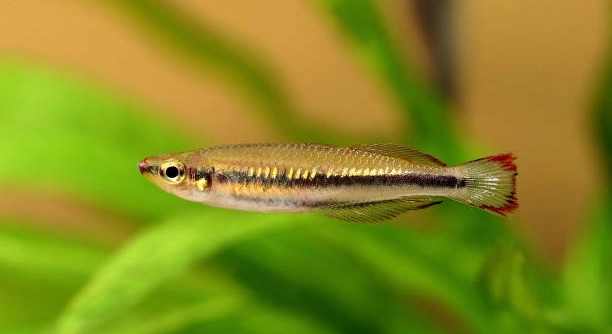
Rainbowfish are colorful, lively additions to any aquarium. Observing their daily habits can be enjoyable, especially when you notice small patterns in how they swim, feed, and interact with their environment. Routine often shapes their behavior.
Rainbowfish can learn from routine through repeated exposure to specific feeding times, tank arrangements, and environmental cues. Consistent schedules promote memory formation, reduce stress, and allow the fish to anticipate events, ultimately improving their adaptability and overall well-being.
Establishing simple routines in an aquarium can reveal fascinating insights into rainbowfish behavior, offering practical ways to enhance their care and daily interactions.
How Routine Shapes Behavior
Observing rainbowfish over several days reveals how consistent schedules impact their actions. When feeding occurs at the same time daily, the fish quickly learn to recognize the signals that mealtime is approaching. Over time, they respond with more active swimming and gathering near feeding areas, indicating anticipation and memory recall. Tank environment consistency also plays a role. Decorations, plants, and hiding spots left in fixed positions allow rainbowfish to navigate confidently. Disrupting these arrangements can increase stress and reduce activity. Regular lighting cycles further reinforce patterns, as fish become attuned to light and dark periods, supporting natural circadian rhythms. Even small routines, such as consistent water temperature and gentle cleaning habits, can strengthen learning. These habits help rainbowfish develop a sense of predictability, which reduces anxiety and encourages healthy social interactions. By observing their reactions over time, caretakers can adjust routines to promote both comfort and stimulation, ensuring the fish thrive in a stable environment.
Routine not only encourages learning but also supports overall health, making rainbowfish more confident and responsive in their tank.
Consistent routines act as a form of training for rainbowfish, improving cognitive skills and memory. Fish that experience repeated patterns demonstrate faster responses to feeding, light changes, and interactions with tankmates. Predictability allows them to conserve energy, reducing stress and unnecessary movements. Healthy social behavior emerges, as fish become more comfortable swimming in groups and exploring territory without fear. Tank owners can use simple cues, such as specific feeding gestures or sound signals, to reinforce learning. Over weeks, these small actions result in measurable behavioral improvements. Even minor environmental consistency, like leaving plants in fixed locations, supports spatial memory and navigation. Recognizing and respecting these natural learning processes can enhance care strategies. By integrating routine into daily tank management, owners not only improve the fish’s mental stimulation but also maintain a balanced and harmonious aquatic environment where rainbowfish can flourish fully.
Feeding and Learning Patterns
Rainbowfish quickly connect mealtime signals with food, demonstrating memory and anticipation when routines are consistent.
Feeding at the same times each day helps rainbowfish form expectations and recognize cues. They begin to swim actively when familiar signals occur, indicating learning from routine. Over time, this behavior becomes reliable, showing their capacity for adaptation. Owners can observe subtle changes, like increased alertness or positioning near feeding spots, reflecting their cognitive engagement. Routine also reduces stress, as fish experience fewer surprises in their environment, making them more comfortable exploring and interacting. Maintaining predictable patterns can improve growth and health, as consistent feeding prevents over- or underfeeding. Additionally, pairing specific gestures or sounds with feeding allows fish to associate actions with outcomes, reinforcing learning. Tank maintenance performed at regular intervals complements this process, supporting overall well-being. Monitoring these patterns provides valuable insights into their behavioral responses, helping owners adjust care for optimal results and a stable, engaging habitat.
Signs of Learning in Rainbowfish
Rainbowfish show learning through repeated behaviors like swimming to feeding areas at set times or exploring specific tank sections confidently. Subtle changes, such as alertness and positioning, indicate they recognize patterns in their environment.
Observing rainbowfish over several weeks highlights clear signs of learning. They anticipate feeding and respond to cues like tapping or approaching the tank. Fish explore consistently without hesitation, showing familiarity with their surroundings. Social interactions improve, with less aggression and more coordinated swimming. They remember safe spots for hiding and navigate efficiently around obstacles. Owners can reinforce these behaviors with consistent routines, supporting memory and reducing stress. Even minor adjustments, like changing plant positions slowly, allow fish to adapt while maintaining learning progress.
Patterns in swimming, feeding, and social behavior clearly reflect memory formation and adaptation. Fish recognize repeated events and adjust responses, demonstrating learning capacity. Regular observation reveals these patterns, enabling caretakers to refine routines. Predictable actions create comfort, while environmental consistency supports cognitive development. Positive reinforcement through feeding cues strengthens memory, helping rainbowfish anticipate outcomes and respond effectively. Repetition builds familiarity, reduces anxiety, and fosters healthier interactions among tankmates. Tracking these behaviors over time provides insight into their cognitive abilities and overall adaptation to routine-based care.
Environmental Influence on Routine
Stable tank conditions, including water quality, temperature, and decoration placement, reinforce predictable behaviors and learning. Consistency allows fish to explore and feed confidently.
Environmental factors directly impact rainbowfish routine learning. Proper temperature and clean water maintain comfort and activity levels. Fixed decorations and plants provide reference points, supporting spatial memory and reducing stress. Variations in lighting and sudden changes can disrupt learned behaviors, slowing adaptation. Maintaining stable conditions encourages the fish to engage with daily routines, such as feeding and social interaction, consistently. Predictable surroundings help fish recognize patterns and respond to cues efficiently, strengthening cognitive development.
Adjusting the environment carefully while keeping key elements stable is essential. Gradual changes in decoration or tank setup allow fish to adapt without losing routine-based learning. Consistent temperature, light cycles, and water quality support memory and reduce anxiety. Fish become more active, responsive, and socially interactive when their habitat is predictable. This balance of stability and gentle variation promotes cognitive growth and healthy behavior. Monitoring how fish respond to environmental factors provides insights into their learning capacity and ensures routines remain effective in promoting long-term well-being.
Reinforcing Positive Behaviors
Consistent rewards, like food or gentle interaction, strengthen learned behaviors in rainbowfish. Repetition helps them link actions with outcomes, promoting predictable responses.
Small cues, repeated daily, guide fish toward desired behaviors. Over time, they recognize signals and act accordingly, improving overall routine adherence and reducing stress.
Impact of Social Dynamics
Rainbowfish learning is influenced by group interactions. Fish observe tankmates, mimicking actions such as swimming patterns and feeding responses. Social observation reinforces memory and encourages cooperative behavior, enhancing adaptation to routine and environmental cues.
Adjusting Routines Gradually
Sudden changes in feeding or tank setup can confuse rainbowfish. Gradual adjustments help maintain learning while introducing new patterns without causing stress.
How quickly can rainbowfish learn a routine?
Rainbowfish can start recognizing simple routines within a few days. They respond to feeding times, light cycles, or consistent environmental cues almost immediately. Over weeks, their responses become more predictable, showing memory and anticipation. Daily observation helps identify the speed at which individual fish adapt.
What types of routines are most effective for learning?
Feeding at the same time each day is the most reliable routine. Pairing this with small cues, like tapping the tank or a specific light pattern, reinforces learning. Consistent tank maintenance, gentle handling, and keeping decorations in fixed positions also contribute to predictable behavior patterns.
Can all rainbowfish learn from routine the same way?
Not all rainbowfish respond identically. Factors like age, health, and social dynamics affect learning ability. Younger fish often adapt faster, while older or stressed individuals may need longer to recognize patterns. Observation and patience are key to supporting every fish effectively.
How does social behavior impact learning?
Rainbowfish observe and mimic their tankmates. If one fish learns a feeding cue or explores safely, others often follow. Group dynamics support learning, reduce anxiety, and encourage coordinated swimming. Social observation becomes a natural reinforcement method in a stable tank environment.
Will changing the environment affect learned routines?
Yes. Sudden changes in water temperature, decorations, or lighting can disrupt learned behaviors. Gradual adjustments allow fish to adapt while maintaining routine recognition. Consistency in key elements like hiding spots and feeding areas ensures memory retention and reduces stress.
Can learning improve fish health?
Learning routines can indirectly improve health. Predictable feeding schedules prevent overfeeding or missed meals, while stress reduction supports immune function. Fish that understand their environment and anticipate events are generally more active and display fewer signs of illness.
How can I tell if my rainbowfish are learning?
Look for consistent behaviors: approaching feeding spots, responding to light cues, or navigating the tank confidently. Reduced stress behaviors, like hiding excessively, also indicate adaptation. Subtle signs, like alertness or coordinated group swimming, show that routines are becoming internalized.
Is there a limit to what rainbowfish can learn?
Rainbowfish can learn basic routines and environmental cues but have limits in complex problem-solving. Their learning is mostly associative, relying on repetition and predictable patterns rather than abstract reasoning. Recognizing these limits helps set realistic expectations for caretakers.
Do routines reduce aggressive behavior?
Yes, predictable routines can reduce aggression. Fish that know when and where to find food or hiding spots feel less threatened. Consistent social interaction within structured routines promotes cooperation and minimizes conflicts in the tank.
Can I change routines once fish have learned them?
Routines can be changed, but gradual transitions are necessary. Sudden alterations may confuse fish and cause stress. Introducing new patterns slowly allows them to adapt without losing previously learned behaviors. Observing responses helps gauge when adjustments are appropriate.
How important is observation in supporting learning?
Observation is critical. Watching how fish react to cues, feeding times, and social interactions helps tailor routines. Noticing subtle changes ensures that learning is reinforced effectively and any issues are addressed before stress or confusion develops.
Are certain fish more receptive to routines than others?
Individual differences matter. Some rainbowfish are naturally more active and responsive, learning faster than quieter or more timid fish. Age, personality, and previous experiences influence how readily they adopt routines. Careful monitoring allows tailored support for each fish.
Does routine impact breeding behavior?
Routine can encourage breeding by reducing stress and establishing predictable conditions. Consistent feeding, temperature, and light cycles create an environment conducive to reproductive behavior. Fish learn when conditions are favorable, which can increase the likelihood of spawning.
What role does diet play in routine learning?
A stable, predictable diet supports learning. Fish associate feeding cues with food availability, reinforcing memory and anticipation. Sudden changes in food type or timing can disrupt these learned behaviors and reduce responsiveness. Consistency helps maintain both cognitive engagement and health.
How long should I maintain routines for effective learning?
Routines should be consistent daily. Long-term maintenance ensures memory retention and behavioral stability. Even minor variations can be disruptive, so keeping feeding, lighting, and environmental cues predictable supports continued learning and reduces stress in rainbowfish.
Final Thoughts
Rainbowfish are surprisingly adaptable when it comes to learning from routine. Establishing consistent feeding times, light cycles, and stable tank conditions allows them to anticipate events and navigate their environment confidently. Over time, these predictable patterns reduce stress and help the fish feel more secure in their habitat. Small actions, like keeping decorations and hiding spots in the same place, can support memory and spatial awareness, making it easier for the fish to move around without hesitation. Observing the fish as they respond to cues, swim to feeding areas, or interact with tankmates provides clear insight into how they process repetition. It becomes evident that routine is not just about convenience for the caretaker, but an important factor in the mental and physical well-being of rainbowfish. These small, deliberate routines create a stable environment that supports their natural instincts while promoting calm, confident behavior. Even subtle consistency in care can lead to noticeable improvements in activity levels, feeding responses, and social interactions.
Consistent routines also serve as a form of gentle training. Rainbowfish quickly associate repeated cues with outcomes, like recognizing the approach of a caretaker or specific signals that indicate feeding. This learning process enhances memory and responsiveness, showing that fish can adapt behavior based on prior experience. Social interactions within the tank further reinforce this learning, as fish observe and mimic the actions of others. A well-structured routine allows all fish in the tank to feel more secure, reducing unnecessary aggression and encouraging coordinated swimming patterns. Gradual adjustments in routine, when necessary, ensure that the fish continue to adapt without stress, supporting cognitive growth. Over time, these practices demonstrate that routine is more than repetition—it is a tool for promoting healthy behavior and a positive environment. The benefits extend beyond simple feeding schedules, influencing overall tank harmony and the fish’s ability to interact naturally with both their surroundings and each other.
Finally, understanding the role of routine helps caretakers provide better long-term care. By observing how rainbowfish respond to consistent schedules and predictable environments, owners can adjust feeding, lighting, and tank maintenance in ways that reinforce learning and reduce anxiety. Maintaining stability in key aspects of their habitat ensures that fish remain active, alert, and socially engaged. Even minor disruptions, if introduced gradually, can be integrated without compromising their established behaviors. Routine also supports the physical health of rainbowfish by promoting regular feeding and encouraging activity. Overall, a thoughtful approach to scheduling and environmental consistency not only strengthens learning but enhances the quality of life for rainbowfish. When routines are applied carefully and observed attentively, the benefits are clear: fish are calmer, more confident, and better equipped to thrive in their environment. This demonstrates that routine is a simple yet powerful tool for supporting both cognitive development and overall well-being in rainbowfish.

Hello,
If you enjoy the content that we create, please consider saying a "Thank You!" by leaving a tip.
Every little bit helps us continue crafting quality advice that supports the health, happiness, and well-being of pets around the world, for pets of all shapes, sizes, and species.
We really appreciate the kindness and support that you show us!