
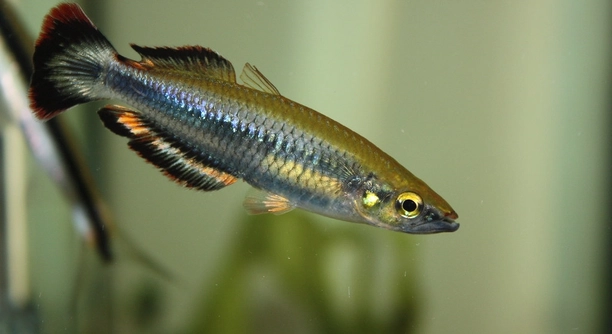
Have you ever noticed your rainbowfish swimming together more closely at certain times of the day? These small, colorful fish often show patterns in their behavior that can be surprising and interesting to observe.
Rainbowfish display heightened social activity primarily during daylight hours, especially in mid-morning and late afternoon. These periods correspond with feeding times and natural light levels, which influence their schooling behavior and interactions within their aquatic environment.
Learning about these patterns can help you create a more comfortable and stimulating environment for your rainbowfish, ensuring they remain healthy and active in your aquarium.
Daily Activity Patterns of Rainbowfish
Rainbowfish are naturally active during the day and tend to slow down at night. Observing them in the morning, you may notice more swimming and chasing behavior. These fish often follow light changes, becoming more social as the tank brightens. In the late afternoon, their activity picks up again before settling down for the evening. Changes in light, temperature, and feeding schedules all influence these patterns. Many aquarium owners notice that rainbowfish interact more when other tank mates are present, as schooling behavior is important for their sense of security. When kept in groups, they swim closely together, showing synchronized movements that can be fascinating to watch. Over time, you can identify the hours when they are most active and adjust feeding or tank interactions accordingly. Recognizing these patterns helps maintain their mental and physical well-being, encouraging natural behaviors even in a home aquarium.
Rainbowfish generally have two main peaks of activity daily, corresponding with feeding and daylight levels.
Understanding these activity patterns allows you to plan tank maintenance and feeding times around the hours when your rainbowfish are most alert and interactive. Consistent schedules help reduce stress and support healthy social behavior.
Environmental Influences on Social Behavior
Light and temperature changes can significantly affect rainbowfish interactions.
Rainbowfish are sensitive to shifts in their environment, including sudden changes in light intensity or water temperature. Even small fluctuations can impact how they school or interact. Providing a stable tank environment with gradual transitions in lighting helps maintain regular social patterns. They may also react to the presence of other species in the tank, adjusting their schooling behavior for safety or curiosity. Adding plants or hiding spots can make them feel secure, encouraging more natural social interactions. Observing how rainbowfish respond to these changes can guide adjustments in tank setup or care routines. Feeding schedules also play a role, as fish often become more active around consistent feeding times. By understanding these environmental factors, you can create a more supportive space that encourages healthy social behavior and reduces stress, making your rainbowfish more active and visible throughout the day.
Feeding Times and Social Interaction
Rainbowfish become noticeably more social around feeding times. They swim together, showing coordinated movements, and often compete gently for food.
Consistent feeding schedules strongly influence rainbowfish behavior. When they expect food at certain times, their activity increases, and they become more interactive with one another. This behavior is especially noticeable in larger groups, where schooling helps reduce stress and makes it easier to find food. Over time, rainbowfish learn to anticipate feeding, gathering near the surface or in open areas of the tank. Watching this behavior provides insight into their social structure and natural instincts, reflecting patterns similar to those in the wild. Feeding also strengthens their confidence in exploring different parts of the aquarium, allowing quieter or shy fish to join the group without fear. By paying attention to these patterns, you can better understand your rainbowfish and support their overall well-being through proper nutrition and environment management.
Activity peaks often occur before feeding as anticipation drives them to gather and interact more frequently, creating a lively and social atmosphere in the tank.
Rainbowfish display varied behaviors during feeding, including chasing, nibbling, and quick changes in direction. These interactions are not aggressive but rather part of natural social engagement. They also communicate subtly through color flashes or body movements, signaling readiness or establishing personal space. Observing these cues can help manage tank dynamics, ensuring each fish receives adequate food and remains stress-free. Adjusting feeding methods, such as scattering pellets or using slow-release foods, can encourage more balanced interactions and reduce competition. Over time, you may notice patterns where certain individuals take leadership roles within the group, guiding movements during feeding and creating a structured social environment that keeps the entire school active and healthy throughout the day.
Light Levels and Group Behavior
Rainbowfish respond quickly to changes in light intensity, affecting their schooling and social tendencies. Bright light encourages more swimming and group cohesion, while dim light reduces movement and interaction.
Maintaining stable lighting schedules helps rainbowfish remain active and social. Sudden changes in light can cause stress, making fish hide or scatter. Gradual transitions, such as using a timer for lights, mimic natural conditions and support regular behavioral patterns. During bright periods, rainbowfish are more likely to explore the tank together, interact with plants, and display coordinated swimming. Dim or inconsistent lighting often leads to isolated behavior, where fish retreat to hiding spots or remain inactive. Observing how your rainbowfish react to different light levels allows you to adjust tank conditions for optimal activity and social engagement, promoting a healthier and more vibrant aquarium.
Tank Size and Social Comfort
Rainbowfish show more social behavior in larger tanks. More space allows them to swim freely without feeling crowded, which encourages schooling and interaction.
Smaller tanks can lead to stress and less coordinated movements. Providing adequate space ensures each fish has room to explore, hide, and engage naturally with the group.
Temperature Effects on Activity
Water temperature directly impacts rainbowfish energy levels. Warmer water increases movement and social interactions, while cooler temperatures slow their activity. Maintaining a consistent, species-appropriate temperature promotes healthy behavior. Rainbowfish in stable conditions display more synchronized swimming and playful chasing, reflecting natural social tendencies. Sudden fluctuations can cause stress and reduce interaction. Monitoring and adjusting tank heaters carefully ensures the fish remain comfortable and active. Gradual changes in temperature mimic seasonal shifts, encouraging natural rhythms. This consistency supports feeding responses and group cohesion, making the fish more visible and lively throughout the day. Temperature management is a key factor in sustaining a healthy, socially active school of rainbowfish.
Observing Stress Signals
Stress reduces rainbowfish social behavior, often causing hiding or erratic swimming. Monitoring for signs helps maintain a balanced, active tank.
Why are my rainbowfish more active in the morning?
Rainbowfish are naturally diurnal, meaning they are more active during daylight hours. In the morning, the tank lighting increases gradually, signaling the start of their active period. This is when they begin swimming in schools, exploring their environment, and interacting with other fish. Morning activity also coincides with their instinctive feeding period, even if you haven’t provided food yet. They often gather near open areas of the tank, showing coordinated movements that help them feel secure. Recognizing this pattern allows you to plan feeding and observation during these active hours, ensuring the fish remain healthy and social.
Do rainbowfish prefer specific times to feed together?
Rainbowfish often show predictable feeding patterns. They become more social right before and during feeding times, swimming together and sometimes gently competing for food. In larger groups, they display schooling behavior, which helps reduce stress and increases efficiency in finding food. Consistent feeding schedules train them to anticipate meals, and they respond by gathering in areas where food is usually provided. Observing these times helps you adjust your feeding methods and avoid overfeeding. Many aquarists notice that rainbowfish feed more actively in the mid-morning and late afternoon, aligning with natural light levels in their environment. Feeding together strengthens social bonds and encourages active interaction throughout the day.
How does tank size influence their social behavior?
The amount of space available directly affects rainbowfish interactions. In larger tanks, they have room to swim freely, explore, and form loose schooling patterns without feeling crowded. This encourages natural behavior, including chasing, coordinated swimming, and group exploration. In smaller tanks, stress may arise from limited space, leading to erratic or less visible social behavior. Providing hiding spots and plants helps alleviate stress, but space remains a primary factor. Observing how fish distribute themselves in the tank can indicate whether the environment is suitable. A spacious, well-structured tank supports healthy social dynamics, making the fish more confident, active, and easier to watch.
Do light levels affect rainbowfish social patterns?
Rainbowfish are sensitive to changes in light intensity. Bright or consistent lighting encourages swimming, schooling, and interaction, while dim or inconsistent light can reduce movement and cause fish to hide. Using a timer for lights ensures gradual changes, mimicking natural conditions and supporting predictable activity patterns. Light also influences feeding behavior, as fish are more likely to gather and interact when they can clearly see food and each other. Adjusting lighting gradually rather than abruptly helps maintain stable social behavior. Observing responses to light can reveal the optimal conditions for your rainbowfish, enhancing their overall well-being and group cohesion.
How does temperature impact activity and social behavior?
Water temperature plays a crucial role in rainbowfish energy levels and social interactions. Warmer water increases swimming speed, schooling, and playful chasing, while cooler water slows movement and reduces group activity. Sudden temperature changes can stress the fish, causing hiding or erratic behavior. Maintaining a stable, species-appropriate temperature allows rainbowfish to exhibit natural social patterns consistently. Gradual seasonal adjustments in temperature can mimic natural rhythms, supporting feeding, mating behaviors, and group cohesion. Monitoring tank heaters carefully ensures the fish remain comfortable, active, and socially engaged. Temperature management is essential for a healthy, lively rainbowfish community.
What are signs of stress that affect social behavior?
Stress can reduce rainbowfish activity and interaction with other fish. Signs include hiding, erratic swimming, loss of color, or avoidance of the group. Causes may include overcrowding, sudden changes in light or temperature, aggressive tank mates, or poor water quality. Stress impacts both physical health and social behavior, making fish less likely to engage in normal schooling or feeding patterns. Adding hiding spots, maintaining stable environmental conditions, and observing the tank daily help identify and address stress. Understanding these signs allows you to make adjustments, ensuring rainbowfish remain active, social, and healthy.
Can rainbowfish behavior change with age or size?
Yes, age and size can influence social patterns. Younger rainbowfish are often more playful, schooling tightly and exploring actively. Older fish may be calmer, swimming more slowly and occasionally separating from the group. Size differences can also affect dominance and positioning within the school, with larger individuals sometimes taking the lead. Observing these changes helps you understand their social hierarchy and adjust feeding, tank setup, or group composition as needed. Maintaining an environment that accommodates all sizes encourages balanced interactions and reduces stress. Awareness of these factors ensures that rainbowfish continue to display healthy, natural social behavior over time.
How do other species in the tank influence rainbowfish social activity?
Rainbowfish adjust their social behavior depending on tank mates. Peaceful species encourage schooling and interaction, while aggressive or territorial fish may cause hiding or reduced movement. Compatibility affects feeding behavior and overall activity, as rainbowfish respond to the presence of other fish in their environment. Choosing appropriate companions and providing enough space allows rainbowfish to remain socially active. Observing how they interact with other species helps prevent stress and ensures a balanced tank dynamic. Adjusting tank composition when necessary supports natural behavior and maintains the lively, coordinated schooling that rainbowfish are known for.
Are there ways to encourage social behavior in rainbowfish?
Providing stable conditions, consistent feeding schedules, proper tank size, and compatible companions encourages rainbowfish to stay active and interactive. Gradual changes in light and temperature, along with plants and hiding spots, help create a safe, stimulating environment. Regular observation and minor adjustments to the tank can enhance schooling, playful chasing, and coordinated swimming, keeping the group socially engaged.
How does feeding method affect their interactions?
The way food is presented influences social behavior. Scattering pellets encourages movement and group coordination, while single-point feeding may increase competition among fish. Using slow-release or floating foods helps maintain balance, ensuring all fish can participate without stress. Observing responses allows you to optimize feeding for social engagement.
Rainbowfish are naturally social creatures that show clear patterns of activity and interaction throughout the day. Observing their behavior closely can reveal when they are most active and how they interact with other fish in the tank. They tend to display more coordinated swimming, playful chasing, and schooling during daylight hours, especially around feeding times. Morning and late afternoon are often peak activity periods, while evenings and night are quieter. These patterns are influenced by light, temperature, tank size, and the presence of other species. Understanding these natural tendencies helps aquarium owners create an environment that supports healthy social behavior and reduces stress for the fish. Over time, this observation can help anticipate their needs and maintain a more balanced and lively aquarium.
Consistent feeding schedules, stable lighting, and maintaining proper water temperature play a significant role in encouraging rainbowfish to remain active and social. Feeding at predictable times not only helps them stay healthy but also encourages them to gather together, enhancing social interactions. Light levels affect their visibility and confidence, with gradual changes supporting regular patterns of movement and schooling. Temperature stability ensures they remain energetic without becoming stressed or lethargic. Providing enough space in the tank is equally important, as crowding can reduce social cohesion and lead to erratic behavior. Adding plants or hiding spots gives them a sense of security while still allowing group interaction. By paying attention to these factors, you create an environment that mirrors their natural habitat, promoting natural behaviors and overall well-being.
Observing rainbowfish regularly allows you to notice subtle changes in behavior that may indicate stress or discomfort. Hiding, color loss, or reduced interaction can signal that adjustments are needed in tank conditions, feeding, or social structure. Age and size differences also influence interactions, with younger or smaller fish often schooling more tightly and older or larger fish taking a calmer role. The presence of compatible tank mates encourages activity, while aggressive companions may reduce social behavior. Through careful attention to these details, you can maintain a lively, balanced aquarium where rainbowfish thrive. By supporting their natural rhythms and social tendencies, you ensure that your rainbowfish remain healthy, active, and visually engaging throughout the day.

Hello,
If you enjoy the content that we create, please consider saying a "Thank You!" by leaving a tip.
Every little bit helps us continue crafting quality advice that supports the health, happiness, and well-being of pets around the world, for pets of all shapes, sizes, and species.
We really appreciate the kindness and support that you show us!