
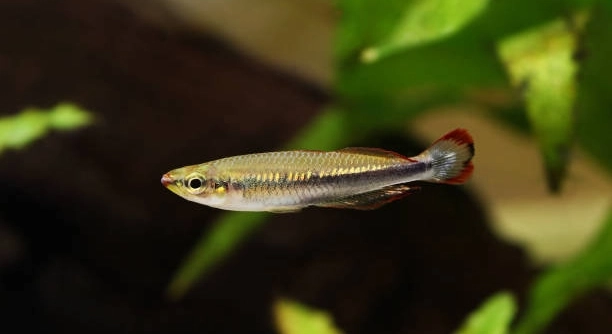
Rainbowfish are popular for their bright colors and active swimming in home aquariums. Many aquarists enjoy watching their social behaviors, but some species show signs of asserting personal space and establishing pecking order within the tank.
Rainbowfish can exhibit territorial behavior, particularly males during breeding or in crowded conditions. They may chase or display aggression toward other fish to protect their space, though this behavior varies depending on species, tank size, and the number of inhabitants.
Observing their interactions can help you maintain a peaceful aquarium environment and reduce stress among your rainbowfish.
Understanding Rainbowfish Territorial Behavior
Rainbowfish often show territorial tendencies in small tanks or during breeding. Males tend to claim areas with plants, rocks, or hiding spots, and they may chase others away to defend these zones. Even without breeding, some species display dominance, nudging or swimming aggressively around perceived intruders. Tank size, decorations, and the number of fish directly influence this behavior. Crowded conditions often lead to more frequent chasing and minor skirmishes, which can stress smaller or more timid fish. Providing ample swimming space and visual barriers reduces conflicts, giving each fish a place to retreat. Observing interactions helps identify which fish are more aggressive and whether adjustments in stocking levels or tank layout are necessary. Over time, rainbowfish may establish a loose hierarchy, with dominant individuals controlling favored spots. This behavior is natural and often lessens once territories are recognized and respected by all inhabitants. Understanding their tendencies ensures a calmer, healthier tank environment.
Providing enough space and hiding areas prevents many aggressive encounters, keeping rainbowfish calmer and healthier.
Managing territorial behavior requires careful attention to tank setup, fish compatibility, and monitoring interactions. Using plants, rocks, and decorations can create natural divisions that reduce stress. Some species are naturally more aggressive, so selecting peaceful companions helps maintain harmony. Adjusting fish numbers or providing additional space prevents overcrowding, which often triggers disputes. Consistent observation ensures no individual is constantly stressed or chased. Feeding practices also influence behavior, as competition over food can heighten aggression. In larger tanks, rainbowfish may establish territories without causing harm. Understanding species-specific tendencies and providing adequate resources can minimize conflicts. By creating a balanced environment, the aquarium remains visually appealing and less stressful for the fish.
Signs Your Rainbowfish Is Being Territorial
Signs of territorial behavior include chasing, fin flaring, or guarding specific areas. These actions can escalate if not managed.
Territorial rainbowfish may pick a favorite corner or decoration and patrol it aggressively. Chasing other fish, blocking access to hiding spots, or constant displays of dominance indicate a fish is asserting control over its space. Aggression is usually more noticeable among males, but females may also defend feeding areas or personal zones. Stress from territorial disputes can result in loss of color, reduced appetite, or hiding. Not all chasing is harmful, as minor displays often establish hierarchy without injury. Identifying these behaviors early allows adjustments, such as adding plants or rearranging decorations, to diffuse tension. Stocking the tank appropriately and maintaining a calm environment ensures rainbowfish can coexist peacefully while retaining their natural behaviors. Observing and responding to these signs helps maintain a healthy, balanced aquarium where each fish feels secure and less stressed.
Creating a Peaceful Aquarium
Providing hiding spots and open swimming areas helps reduce aggressive encounters among rainbowfish. Plants, rocks, and decorations create boundaries and visual barriers, giving each fish a sense of security and reducing stress.
Rainbowfish benefit from a tank setup that balances open spaces with plenty of cover. Adding tall plants, driftwood, or rock formations allows timid fish to escape when a dominant fish becomes aggressive. Visual barriers help prevent constant chasing and give each fish a private area, which is especially important in smaller tanks. Even subtle rearrangements can diffuse tension, as fish may reset territorial boundaries naturally. Observing how your fish use these spaces helps you adjust placement for the best harmony. By planning the layout carefully, aggression is minimized, and fish are healthier and more active.
Feeding practices also play a role in maintaining peace. Spreading food across multiple areas prevents competition in one spot. Uneaten food should be removed promptly to avoid water quality issues, which can stress the fish further. Regular observation ensures all rainbowfish have access to food and their own space, maintaining a calm environment.
Choosing Compatible Tank Mates
Selecting species that match rainbowfish temperament reduces conflict in the aquarium. Peaceful, similarly sized fish work best alongside them.
Aggression often increases when rainbowfish are housed with overly aggressive or very timid species. Choosing tank mates of comparable size and activity levels helps maintain balance. Fast-moving, non-aggressive fish such as certain tetras or rasboras coexist well, while slow-moving bottom dwellers may be stressed if constantly chased. Avoid overcrowding, as limited space amplifies territorial behavior. Introducing fish gradually allows everyone to establish territories without excessive fighting. Monitoring interactions in the first weeks is crucial to ensure harmony. The right combination of species promotes a lively but peaceful tank environment.
Tank size and layout further influence compatibility. Larger tanks allow multiple territories and reduce stress from constant encounters. Grouping rainbowfish in small schools can distribute aggression more evenly, as dominance is shared among multiple fish rather than focused on one. Adjusting décor, hiding spots, and feeding routines ensures that all species have adequate space and resources. Observing behavior helps identify potential issues early, preventing long-term stress or injury. Careful planning of tank mates and environment ensures rainbowfish remain active, colorful, and healthy alongside other compatible species.
Managing Aggression
Monitoring rainbowfish behavior helps prevent minor disputes from becoming serious conflicts. Quick action reduces stress and injury.
Separating overly aggressive individuals or adding more hiding spots can calm tensions. Adjusting the tank layout gives each fish space to retreat and reduces constant chasing, promoting a healthier environment.
Adjusting Tank Conditions
Water quality and temperature directly impact rainbowfish behavior. Clean, stable conditions minimize stress and aggression. Maintaining consistent water parameters reduces irritation and keeps the fish active and vibrant. Poor water conditions can trigger restlessness and chasing, so regular monitoring is essential.
Using Visual Barriers
Plants, rocks, or decorations act as natural breaks in the tank. They limit direct line-of-sight and reduce aggressive encounters.
FAQ
Can rainbowfish live peacefully in a community tank?
Yes, rainbowfish can live peacefully with other fish if tank mates are chosen carefully. They do best with species of similar size and temperament. Avoid overly aggressive or very shy fish. Providing enough space, hiding spots, and visual barriers helps maintain harmony. A well-planned layout reduces chasing and stress.
How many rainbowfish should I keep together?
Rainbowfish are schooling fish, so they feel safest in groups of at least six. Keeping them in small schools spreads aggression and allows natural social behavior. Larger groups help dominant fish share control and prevent constant harassment of weaker individuals. A proper school size reduces stress and promotes activity.
What triggers territorial behavior in rainbowfish?
Territorial behavior often occurs when males defend preferred areas, especially during breeding. Overcrowding, limited hiding spots, or competition for food can also increase aggression. Recognizing triggers allows you to adjust tank layout, add decorations, or separate overly aggressive individuals to reduce conflicts.
Do females show territorial behavior?
Females are generally less aggressive, but they may defend feeding spots or small areas of personal space. Providing multiple food locations and adequate cover ensures females are not stressed by dominant males or other fish. Their behavior is usually subtle compared to males.
How do I know if my rainbowfish is stressed by aggression?
Signs of stress include hiding, loss of color, reduced appetite, and erratic swimming. Constant chasing or being blocked from favorite areas can cause long-term stress. Observing fish behavior daily allows you to identify problems early and make adjustments to tank setup or fish groupings.
Can rearranging the tank reduce aggression?
Yes, changing the placement of plants, rocks, or decorations can reset territorial boundaries. Visual barriers prevent constant chasing and give each fish private space. Even small adjustments can make a noticeable difference in behavior and reduce tension among rainbowfish.
Is tank size important for territorial behavior?
Absolutely. Larger tanks give rainbowfish more space to establish territories without constant conflict. Small tanks increase competition and aggression. Ensuring plenty of swimming space, hiding areas, and room for a proper school of rainbowfish is key to maintaining a peaceful aquarium.
Should aggressive rainbowfish be separated?
Separating aggressive individuals is sometimes necessary. Aggressive fish can stress or injure others if left unchecked. Providing an additional tank or temporary barrier allows time for fish to calm down. Separation helps maintain overall tank harmony and ensures all fish remain healthy and active.
How can I reduce aggression during feeding?
Spread food across the tank to reduce competition. Multiple feeding spots prevent dominant fish from monopolizing resources. Remove uneaten food to maintain water quality, as poor conditions can increase stress and aggression. Regular observation ensures all rainbowfish are eating properly.
Do rainbowfish become more aggressive during breeding?
Yes, males often show increased territorial behavior while courting females. They defend specific areas and may chase rivals. Providing extra space, hiding spots, and visual barriers helps reduce conflicts. This behavior is natural and usually subsides after the breeding period ends.
Can decorations really influence behavior?
Absolutely. Plants, rocks, and driftwood create territories and hiding places, breaking up the line of sight. Visual barriers reduce stress, allow weaker fish to escape, and prevent constant chasing. Thoughtful tank design can significantly minimize aggression.
How can I tell if my tank is overcrowded?
Signs include frequent chasing, hiding, and visible stress indicators like loss of color or reduced appetite. Crowded conditions amplify territorial behavior. Monitoring fish density and ensuring sufficient swimming space and cover keeps rainbowfish calm and healthy.
Is water quality linked to aggression?
Yes, poor water quality can increase restlessness and aggressive behavior. Clean, stable water parameters reduce stress and help rainbowfish maintain normal social interactions. Regular testing, water changes, and filtration are essential for a peaceful tank environment.
Do different rainbowfish species behave differently?
Yes, some species are naturally more aggressive, while others remain peaceful. Research species-specific behavior before stocking a tank. Matching temperament and size with compatible companions helps maintain balance and reduces territorial disputes.
Can adding more rainbowfish reduce aggression?
Sometimes, adding more fish to form a proper school distributes aggression. Dominant fish focus on multiple individuals rather than one, preventing constant harassment. However, this only works if the tank is large enough to accommodate the increased number comfortably.
How long does it take for rainbowfish to establish territories?
Territorial boundaries are usually set within a few days to weeks. Fish patrol areas, display aggression, and gradually establish a hierarchy. Providing sufficient space and visual barriers accelerates this process and reduces stress during initial introductions.
Does diet affect aggression?
Yes, uneven or insufficient feeding can trigger competition and chasing. A consistent, balanced diet spread across the tank reduces food-related conflicts. Ensuring all fish receive adequate nutrition supports calmer, healthier behavior.
Are all males equally aggressive?
No, aggression varies among individuals. Some males are more dominant, while others are submissive. Observation helps identify particularly aggressive fish, allowing adjustments in tank layout or separation to maintain peace.
Can introducing new fish cause territorial disputes?
Yes, adding new fish may trigger temporary aggression as existing rainbowfish defend established territories. Gradual introductions, rearranging décor, and monitoring behavior help reduce conflicts and allow smoother integration.
What long-term effects can aggression have?
Chronic aggression can lead to stress, illness, or injury. Continuous chasing affects appetite, color, and overall health. Proper tank management, compatible species, and adequate space prevent long-term negative impacts and maintain a harmonious environment.
How can I balance a mixed-species tank?
Choose fish of similar size and temperament. Provide ample space, hiding spots, and multiple feeding areas. Observe interactions and adjust décor or stocking as needed. Proper planning ensures coexistence and minimizes territorial disputes.
Does temperature influence behavior?
Extreme or fluctuating temperatures increase stress and aggression. Maintaining stable, species-appropriate conditions supports normal behavior. Regular monitoring and adjustment help prevent environment-related conflicts.
Can visual barriers alone prevent all aggression?
No, they reduce but do not eliminate aggression. Visual barriers help timid fish escape and limit direct confrontation, but overcrowding, poor water quality, or incompatible species still require management.
Are rainbowfish naturally aggressive?
They are generally peaceful but may display territorial behavior, especially males. Aggression depends on species, tank conditions, and social dynamics. Proper setup and monitoring keep natural behaviors from becoming harmful.
Is separating males and females a good strategy?
Not always necessary, but separating during breeding or if males are overly aggressive can reduce conflicts. Providing adequate space and hiding spots often suffices in mixed groups.
How often should I observe fish for aggression?
Daily observation is ideal. Early detection allows adjustments before minor disputes escalate. Watching behavior during feeding, swimming, and interaction ensures all fish are thriving.
Can rearranging decorations temporarily reset territories?
Yes, changing placement gives fish a chance to establish new boundaries. This can reduce aggression for dominant individuals and allow stressed fish to recover.
Do juvenile rainbowfish show territorial behavior?
Juveniles are usually less aggressive. Territorial behavior develops as fish mature, especially in males. Early group management helps prevent future conflicts and promotes social stability.
How do I know when aggression is normal versus problematic?
Chasing or brief displays of dominance are typical. Constant harassment, injury, or stress signs indicate a problem. Intervention through separation, décor adjustments, or stocking changes is necessary to protect fish health.
Can stress from aggression affect breeding?
Yes, stressed fish may refuse to breed or produce fewer eggs. Reducing conflicts and providing safe areas supports natural reproductive behavior. Proper tank management ensures both health and breeding success.
Are territorial behaviors more common in smaller tanks?
Yes, limited space increases competition for territory, hiding spots, and food. Larger tanks allow fish to maintain personal space, reducing aggression and promoting peaceful coexistence.
Does lighting impact aggression?
Bright, constant lighting can increase visibility and stress, triggering chasing. Providing shaded areas or plant cover allows fish to retreat and calm down.
Can rearranging plants reduce aggression without adding more space?
Yes, creating visual breaks and hiding spots with plants can reduce direct confrontations, giving fish a sense of security even in moderately sized tanks.
Is it better to mix species or keep only rainbowfish?
Both approaches work if done carefully. Mixed tanks require compatible species, ample space, and proper décor. Single-species tanks simplify management but still need sufficient space and hiding spots to reduce aggression.
How long does aggression last in a stable tank?
Once territories are established and all fish are comfortable, aggression usually decreases. Occasional chasing may occur, but constant stress should not persist in a well-managed environment.
Do decorations wear out or need replacement?
Over time, decorations may shift, become worn, or develop algae. Regular maintenance keeps visual barriers effective and maintains a healthy, calm environment for rainbowfish.
Can water flow affect territorial behavior?
Strong currents can stress some fish, increasing chasing or skirmishes. Providing moderate flow and areas of calm water supports normal behavior and reduces aggression.
How do I safely introduce new rainbowfish?
Use a quarantine tank or floating divider first. Rearrange décor to disrupt established territories slightly. Introduce gradually, monitor interactions, and adjust hiding spots to minimize disputes.
Are some species of rainbowfish more tolerant of tank mates?
Yes, certain rainbowfish species are naturally more peaceful, while others are prone to aggression. Research species traits before mixing to ensure compatibility and reduce conflicts.
Does feeding frequency influence aggression?
Regular, balanced feeding reduces competition and chasing. Infrequent or uneven feeding can increase stress, so consistent schedules help maintain calm behavior.
Can stress from aggression shorten lifespan?
Chronic stress can weaken immune systems and lead to illness, potentially shortening lifespan. Proper management of tank conditions, group dynamics, and territorial behavior supports long-term health.
What are the best ways to monitor fish behavior?
Observe daily during different activities like feeding, swimming, and resting. Take notes on chasing, hiding, and dominance displays. Early intervention prevents stress-related health issues and maintains harmony.
Do rainbowfish ever stop being territorial?
Territorial displays usually decrease once a hierarchy is established and space is respected. Occasional chasing may remain, but persistent aggression signals a need for intervention.
How can I provide multiple territories in one tank?
Use plants, rocks, and decorations to create visual and physical separations. Multiple hiding spots allow fish to claim areas, reducing constant conflict and stress.
Does tank shape matter for territorial behavior?
Yes, long tanks allow linear territories, while square tanks create more overlapping areas. Adjust décor to create natural divisions and minimize aggression regardless of shape.
Can introducing floating plants help?
Yes, floating plants break sightlines, offer shade, and give timid fish places to hide. This reduces direct confrontations and promotes a calmer environment.
Should aggressive fish be removed permanently?
Only if other management strategies fail. Aggressive individuals can stress or injure others, but temporary separation or environmental adjustments often resolves conflicts without permanent removal.
Does water hardness or pH affect aggression?
Extreme or unstable pH and hardness can increase stress, triggering chasing or skirmishes. Stable, species-appropriate water chemistry supports normal behavior and reduces territorial disputes.
Can breeding pairs increase aggression for other fish?
Yes, males defending eggs or fry may chase other fish more aggressively. Providing separate breeding areas or hiding spots helps protect both the pair and other tank inhabitants.
Is constant monitoring necessary for large tanks?
Yes, even in larger tanks, aggressive behavior can occur. Regular checks ensure all fish are healthy, fed, and not being bullied, maintaining balance and reducing stress.
How long should I quarantine new fish to prevent aggression issues?
A minimum of two weeks is recommended. Quarantine ensures new fish are healthy and reduces stress-related aggression during introduction, allowing a smoother transition into the main tank.
Can water temperature adjustments calm aggression?
Slightly cooler water within safe ranges may reduce activity and chasing, but extreme changes can stress fish. Maintain stable temperatures for overall health and calmer behavior.
Do rainbowfish ever form bonds that reduce aggression?
Yes, fish in stable groups often recognize social hierarchies and coexist peacefully. Respecting territories and providing enough space allows natural social relationships to form, reducing conflict.
Are territorial behaviors hereditary?
Some species traits are inherited, meaning certain rainbowfish may naturally be more dominant. Environmental management remains crucial to prevent excessive aggression.
How do I know if my tank is balanced?
Balanced tanks show normal swimming, feeding, and occasional mild displays without constant harassment. Fish retain color, appetite, and activity levels, indicating a healthy, low-stress environment.
Can rearranging decorations frequently help?
Occasional changes can reset boundaries and reduce dominance stress. Too frequent changes, however, may cause confusion and additional stress. Adjust as needed to maintain harmony.
Does lighting duration impact aggression?
Consistent light schedules prevent stress and reduce hyperactivity. Too much light may increase visibility and chasing, while too little reduces activity and feeding behavior. Maintaining a natural day-night cycle supports calm behavior.
Can juvenile aggression indicate future problems?
Juvenile chasing is often normal but monitoring early interactions helps prevent long-term dominance issues. Early adjustments in tank layout and group size support stable adult behavior.
Do rainbowfish recognize individual tank mates?
Yes, they can recognize familiar fish and establish hierarchies. Social memory helps reduce unnecessary aggression over time as fish learn each other’s behaviors.
Can environmental enrichment reduce aggression?
Yes, adding variety in décor, plants, and hiding spots stimulates natural behaviors and provides outlets for energy, reducing stress-related aggression.
Is aggressive behavior worse in stressed fish?
Stress amplifies chasing and dominance displays. Maintaining clean water, proper diet, and adequate space minimizes stress, keeping territorial behavior within normal limits.
How often should tank layout be reviewed?
Reviewing every few months or after adding fish helps maintain balance. Adjustments can prevent long-term stress and conflicts.
Can fish personalities affect aggression?
Individual temperament plays a role. Some rainbowfish are naturally dominant or shy. Observation and tank adjustments accommodate differences and reduce conflict.
Does group size beyond six affect aggression?
Larger groups can spread dominance but only if the tank is spacious. Overcrowding increases tension, while a properly sized school reduces continuous harassment.
Can rearranging feeding times reduce chasing?
Yes, varying feeding locations and timing prevents predictable competition. This keeps dominant fish from monopolizing food and reduces territorial disputes during mealtime.
Is aggression more common in captivity than in the wild?
Yes, limited space, artificial boundaries, and fixed resources in aquariums increase the likelihood of territorial disputes compared to natural habitats. Proper management mitigates this effect.
Can seasonal changes in lighting or temperature affect behavior?
Yes, changes can trigger stress or increased activity. Maintaining stable, consistent conditions helps keep aggression levels predictable and manageable.
Are some color morphs more aggressive?
Color intensity or selective breeding may influence dominance displays, but behavior is mainly shaped by species, environment, and social interactions rather than color alone.
Does water flow placement matter for territories?
Yes, rainbowfish may claim calm or sheltered areas, avoiding strong currents. Arranging decorations to provide both flow and calm zones supports coexistence.
Can floating shelters reduce dominance displays?
Yes, floating plants or cover allow fish to avoid direct confrontation. This provides safe retreats and lowers stress from aggressive individuals.
Should aggressive fish be rehomed?
Only if environmental adjustments fail. Rehoming may be necessary to protect other fish, but many issues are manageable through layout, schooling, and monitoring.
Do rainbowfish recognize when a new territory is available?
Yes, rearrangements or additions allow fish to claim new spaces. Providing options for retreat reduces stress and limits conflicts with established individuals.
Can tank decorations encourage exploration instead of aggression?
Yes, diverse décor promotes natural swimming and hiding behaviors, keeping fish active and reducing idle aggression.
How much space does each rainbowfish need?
At least 10 liters per fish is recommended, more for larger species or mixed groups. Adequate space reduces conflicts and supports social behavior.
Does water chemistry stability reduce aggression?
Yes, consistent pH, hardness, and temperature prevent stress-induced chasing. Stable conditions support normal, peaceful interactions among rainbowfish.
Can introducing plants gradually help manage aggression?
Yes, adding plants slowly allows fish to adjust and claim new territories without triggering constant fighting.
Is male aggression always a problem?
Not always. Short displays establish hierarchy, but prolonged harassment of other fish requires intervention to maintain health and balance.
Do rainbowfish fight over breeding sites?
Yes, males may defend areas with optimal conditions for spawning. Providing multiple potential sites reduces conflict and ensures other fish remain safe.
Can rearranging decor after aggression calm the tank?
Yes, altering visual and physical boundaries helps redistribute dominance, giving stressed fish a chance to recover and reestablish territories.
Does diet type influence aggression?
Balanced, high-quality food reduces competition. Poor nutrition or single feeding points may increase chasing and stress, so variety and distribution are important.
Are aggressive interactions predictable?
Somewhat. Observing patterns in chasing, patrolling, and displays allows proactive management to prevent stress or injury.
Can adding new hiding spots help older fish adapt?
Yes, older or established fish may reduce aggression when new cover is available. It provides retreats and diffuses ongoing conflicts.
Do rainbowfish establish permanent territories?
They maintain preferred areas but can adapt if the tank layout changes. Flexibility in territory helps reduce chronic aggression.
Is overcrowding the main cause of aggression?
Overcrowding is a major factor, but lack of hiding spots, incompatible species, and poor water quality also contribute. Proper tank management mitigates these issues.
Can stress from aggression lead to illness?
Yes, chronic stress weakens the immune system, making fish more susceptible to infections. Managing tank conditions and conflicts is crucial for health.
Does age affect aggression?
Mature males are usually more territorial than juveniles. Age and sexual maturity influence chasing, displays, and hierarchical behaviors in rainbowfish.
Can frequent observation reduce aggression?
Yes, daily checks help spot early signs of stress, chasing, or dominance issues. Prompt action prevents escalation and maintains a peaceful tank.
Does providing vertical space reduce disputes?
Yes, taller tanks or decorations allow fish to occupy different vertical zones, giving them personal space and limiting direct confrontations.
Are rainbowfish more aggressive in smaller species tanks?
Yes, limited space concentrates interactions. Even peaceful species may display chasing if territory and hiding spots are restricted.
Can adding rocks and plants create multiple territories?
Yes, these additions provide visual and physical boundaries, allowing several individuals to claim distinct areas and reduce conflict.
Does group composition affect aggression?
Yes, mixing sizes, genders, or temperament types can influence dominance. Balanced groups with similar traits reduce prolonged
Rainbowfish are generally peaceful and colorful fish that make a lively addition to most home aquariums. While many of their behaviors are social and cooperative, territorial instincts can emerge, particularly among males or in crowded conditions. Understanding these natural tendencies is important to maintain a healthy and balanced environment for all inhabitants. Providing adequate space, visual barriers, and multiple hiding spots can help reduce tension and prevent constant chasing, ensuring that each fish has its own area in the tank. Observing their interactions regularly allows owners to recognize early signs of stress or aggression and take appropriate measures to address them.
Territorial behavior in rainbowfish is not necessarily harmful, but it can become a problem if the tank is small, overcrowded, or lacks sufficient décor. Males may chase others to protect a favorite spot or during breeding periods, while females may defend feeding areas or small personal spaces. Minor displays of dominance are normal, but prolonged harassment can stress fish, reduce appetite, and even affect coloration. By arranging plants, rocks, or other decorations strategically, it is possible to create visual barriers that limit direct confrontations and provide retreats for more timid fish. Additionally, selecting compatible tank mates and monitoring the number of rainbowfish in the tank helps reduce potential conflicts. Regular water changes, proper feeding routines, and maintaining stable water parameters also contribute to a calmer, healthier aquarium environment.
Overall, managing rainbowfish territorial behavior requires attention to tank setup, fish compatibility, and ongoing observation. Providing enough swimming space, hiding spots, and areas for retreat allows fish to express natural behaviors without causing harm to others. Minor chasing and displays of dominance often settle once a hierarchy is established, especially when environmental conditions are appropriate. Taking proactive measures, such as adding décor, adjusting tank layout, and ensuring proper group size, makes it easier to maintain a peaceful aquarium. Understanding rainbowfish behavior and addressing territorial tendencies thoughtfully ensures that your fish remain active, vibrant, and stress-free. A well-managed tank promotes long-term health and enjoyment, allowing the beauty and social dynamics of rainbowfish to be appreciated without unnecessary conflicts.

Hello,
If you enjoy the content that we create, please consider saying a "Thank You!" by leaving a tip.
Every little bit helps us continue crafting quality advice that supports the health, happiness, and well-being of pets around the world, for pets of all shapes, sizes, and species.
We really appreciate the kindness and support that you show us!