
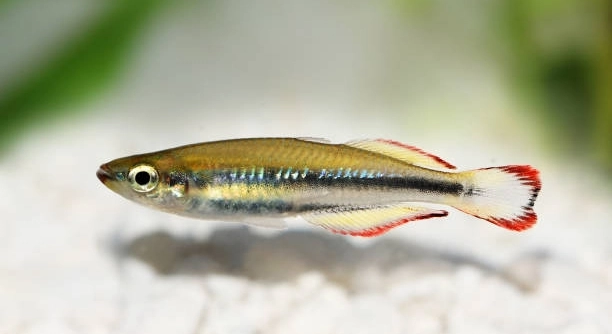
Are your rainbowfish showing signs of stress or behaving unusually since being introduced to a new tank? Many owners notice subtle changes in swimming patterns, appetite, or coloration that indicate adjustment struggles. Observing them closely is important.
Rainbowfish may exhibit signs of poor adjustment due to sudden changes in water conditions, inadequate hiding spaces, or incompatibility with tank mates. Monitoring behavior, feeding habits, and physical appearance helps identify stress early and ensures proper intervention for their health.
Understanding these signs will help you respond quickly and create a more comfortable environment for your rainbowfish to thrive naturally.
Loss of Appetite
A sudden drop in appetite is often one of the first indicators that a rainbowfish is struggling to adjust. They may ignore food or only nibble at it occasionally, which can signal stress or discomfort in the tank. Changes in water temperature, pH, or hardness can make their environment less hospitable, even if the tank appears suitable to the naked eye. Overcrowding or aggressive tank mates can also interfere with feeding, causing the fish to hide more and eat less. Sometimes, the issue is as simple as unfamiliar food types or feeding schedules. Observing their eating patterns closely and noting any sudden changes is important. Adjusting water conditions gradually and providing a variety of high-quality foods can help them regain interest in eating. Ensuring they have enough hiding spots can also make them feel safer and more willing to feed. Regular observation will help prevent longer-term health issues.
Monitoring your rainbowfish’s feeding habits is critical. A consistent refusal to eat may indicate environmental stress, illness, or adaptation challenges that require immediate attention.
If your rainbowfish is not eating properly, small changes can make a significant difference. Adjusting the feeding schedule, introducing live or frozen foods, or checking water parameters may improve appetite. Maintaining a calm tank environment and reducing disturbances during feeding times encourages them to eat.
Unusual Swimming Patterns
Erratic or unusual swimming is a clear indicator that your rainbowfish may not be adjusting well.
Rainbowfish that swim rapidly, hover near the surface, or stay hidden for long periods are likely responding to stress. Such behaviors can result from poor water quality, incorrect temperature, or incompatible tank mates. These patterns may also indicate physical discomfort or early illness. Observing the way they move in the tank helps identify if the problem is environmental or health-related. Providing open spaces for swimming, along with areas to hide, allows them to regain comfort. Gradually adjusting water parameters and ensuring proper nutrition supports healthy activity levels. Fish that recover tend to show smoother, consistent swimming and interact more naturally with their environment and other tank inhabitants.
Erratic swimming can also result from sudden environmental changes. Regularly checking water quality, temperature, and tank layout helps prevent stress. Over time, consistent care improves swimming behavior and overall health, ensuring your rainbowfish can settle and thrive.
Fading Colors
Rainbowfish may lose their vibrant colors when stressed or uncomfortable. Dull or pale hues often signal that something in the environment is not ideal. Water quality, lighting, or interactions with other fish can all impact coloration and overall well-being.
Poor water conditions are a primary reason for fading colors. Elevated ammonia or nitrite levels, incorrect pH, or sudden temperature changes can weaken their immune system and reduce pigment intensity. Inadequate nutrition can also play a role; rainbowfish need a balanced diet rich in vitamins and proteins to maintain their natural hues. Even mild stress, such as overcrowding or aggressive tank mates, can contribute to a noticeable dulling. Providing clean water, a stable environment, and proper feeding supports the return of healthy coloration over time. Monitoring these factors regularly ensures their colors remain bright and they stay healthy.
Lighting and tank setup influence rainbowfish coloration as well. Too little light can make their colors appear muted, while excessive light may cause stress. Arranging plants and decorations to provide hiding spots and open swimming space helps them feel secure. Consistency in feeding, water changes, and daily observation will encourage colors to recover naturally.
Hiding or Lethargy
Extended hiding or unusual lethargy can indicate stress or discomfort in rainbowfish. These behaviors often point to environmental or social issues within the tank.
Rainbowfish that remain hidden or barely move are responding to stressors such as new tankmates, sudden changes in water conditions, or insufficient space. Lethargy can also result from illness or poor water quality, making observation essential. They may prefer shaded areas, dense plants, or decorations that provide a sense of safety. Adjusting the tank setup, ensuring compatible tankmates, and maintaining clean water often help them feel more confident. Feeding schedules may need small adjustments, as shy fish sometimes avoid food until they feel safe.
Encouraging activity involves creating a comfortable, stable environment. Open swimming areas combined with hiding spots allow rainbowfish to balance exploration with security. Gradually acclimating them to light, water changes, and new tankmates can reduce stress. Observing interactions and behavior daily helps identify ongoing problems before they affect health. Providing a calm, consistent environment supports energy levels and encourages natural, active behavior, reducing hiding tendencies and lethargy over time.
Gasping at the Surface
Rainbowfish gasping near the water surface often indicates low oxygen levels or poor water circulation. This behavior can be a response to overcrowding, high temperatures, or inadequate filtration. Immediate attention to water quality is essential to prevent serious health issues.
This surface gasping can also signal stress from sudden environmental changes. Ensuring proper aeration and water movement helps them breathe comfortably. Regularly checking temperature, oxygen levels, and tank maintenance reduces the risk of ongoing problems and supports healthier, more stable behavior in your fish.
Clamped Fins
Clamped fins are a clear sign that a rainbowfish is stressed or unwell. They keep their fins tight against their body instead of spreading them normally, often indicating discomfort.
Fin clamping may result from poor water quality, sudden temperature fluctuations, or aggression from other tank mates. Illnesses such as infections or parasites can also cause this behavior. Observing the tank environment closely and performing water tests can identify underlying issues. Adjusting water parameters gradually, isolating aggressive fish, and maintaining proper nutrition often help fins return to normal. Consistent care and monitoring are key to ensuring rainbowfish recover from clamping and maintain overall health.
Rubbing Against Objects
Rubbing against decorations, plants, or tank walls can indicate irritation or parasites. This behavior should be monitored carefully.
FAQ
Why is my rainbowfish not eating even after a few days in the tank?
A lack of appetite often signals stress or environmental discomfort. Sudden changes in water parameters, temperature, or tankmates can make your fish hesitant to eat. Introducing high-quality foods, including live or frozen options, and ensuring a calm feeding environment can encourage them to start eating again. Gradual acclimation to the new tank and a consistent feeding routine usually help restore normal appetite.
What causes my rainbowfish to swim erratically or hover near the surface?
Erratic swimming or hovering often results from stress, poor water quality, or improper tank conditions. Elevated ammonia, nitrites, or sudden temperature changes can make them uncomfortable. Providing open swimming space, stable water conditions, and compatible tankmates reduces stress. Observing their movement helps determine whether behavior is environmental or health-related.
Why are my rainbowfish colors fading?
Dull or pale colors usually indicate stress, poor water conditions, or nutritional deficiencies. Inconsistent lighting, overcrowding, and sudden environmental changes also affect coloration. Ensuring clean water, stable temperatures, proper diet, and sufficient hiding spots allows them to regain their natural vibrancy over time.
What does it mean when my rainbowfish hides constantly or seems lethargic?
Persistent hiding or lethargy is a common stress response. It may be caused by aggressive tankmates, poor water quality, or lack of adequate space. Providing hiding areas, monitoring interactions with other fish, and keeping water conditions stable helps your rainbowfish feel secure and regain energy gradually.
Why do my rainbowfish gasp at the water surface?
Gasping at the surface typically signals low oxygen levels or poor water circulation. High temperatures, overcrowding, or inadequate filtration can contribute. Improving aeration, maintaining proper temperature, and regularly checking water quality reduces stress and allows comfortable breathing.
What should I do if my rainbowfish has clamped fins?
Clamped fins are a sign of stress or illness. Common causes include poor water quality, aggression, parasites, or sudden changes in temperature. Testing water, isolating aggressive fish, and maintaining proper nutrition helps restore normal fin position and prevents further health issues.
Why is my rainbowfish rubbing against objects in the tank?
Rubbing or scraping against surfaces often indicates irritation from parasites or poor water conditions. Observing for physical signs of infection or parasites and maintaining clean water can help. Addressing the underlying cause ensures the behavior doesn’t cause injury or worsen stress.
How long does it usually take for rainbowfish to adjust to a new tank?
Adjustment varies depending on the fish and environment. Most rainbowfish show signs of settling within a few days to two weeks. Gradual acclimation, stable water conditions, proper feeding, and minimal disturbances help them adapt faster and reduce stress-related behaviors.
Can water changes help a stressed rainbowfish?
Yes, regular water changes improve water quality, remove toxins, and reduce stress. Maintaining a consistent schedule with careful monitoring of parameters ensures a healthier environment, which supports recovery and encourages natural behavior.
How can I tell if the stress is permanent or temporary?
Temporary stress usually shows improvement after minor adjustments in water, diet, or tank conditions. Persistent signs like continued hiding, clamped fins, or faded colors may indicate ongoing environmental issues or illness, requiring further intervention or professional advice.
What foods are best for helping rainbowfish recover from stress?
A varied diet including high-quality flakes, pellets, frozen or live foods rich in protein and vitamins supports recovery. Foods containing carotenoids enhance coloration, while small, frequent meals help fish regain energy and rebuild strength after stress.
Is it normal for rainbowfish to interact differently with new tankmates?
Yes, rainbowfish may become shy or defensive initially. Observing interactions and gradually introducing fish helps prevent aggression and allows all inhabitants to adjust comfortably. Providing ample hiding spots reduces conflict and supports a stable social environment.
Can lighting affect rainbowfish behavior and health?
Lighting plays a key role in both coloration and stress levels. Too little light may make colors appear dull, while excessive light can cause agitation. Balanced, consistent lighting aligned with natural day-night cycles encourages healthy behavior and color retention.
How often should I test water parameters for rainbowfish?
Testing water at least once a week is ideal, focusing on pH, ammonia, nitrites, nitrates, and temperature. Keeping parameters stable prevents stress, supports appetite, coloration, and activity, and allows early detection of potential problems before they affect health.
Are hiding spots essential for rainbowfish adjustment?
Yes, providing plants, decorations, or caves gives rainbowfish security while acclimating. These spots reduce stress, encourage natural behavior, and allow fish to explore at their own pace, improving overall well-being and helping them adapt more smoothly.
What are signs that rainbowfish stress is due to illness rather than environment?
Illness-related stress may include clamped fins, rapid gill movement, sores, unusual spots, or constant rubbing. If behavior persists despite stable water and proper care, consult a professional or perform targeted treatments for parasites or infections to restore health.
Can temperature fluctuations cause long-term adjustment problems?
Yes, sudden or repeated temperature changes can lead to prolonged stress, reduced immunity, and slowed growth. Maintaining a stable, appropriate temperature range for rainbowfish is crucial for adaptation, preventing illness, and supporting natural behavior.
How do I know if my rainbowfish has fully adjusted?
Fully adjusted rainbowfish display normal appetite, vibrant colors, active swimming, interaction with tankmates, and minimal hiding. Regular observation over days or weeks confirms that environmental adjustments are effective, and the fish is comfortable and thriving.
What steps help rainbowfish recover faster from adjustment stress?
Stable water parameters, proper diet, safe tankmates, hiding spots, gradual acclimation, and regular monitoring all support recovery. Minimizing sudden changes and maintaining consistent care ensures rainbowfish regain energy, coloration, and normal behavior more quickly and reliably.
How can I prevent future adjustment problems in rainbowfish?
Gradual introductions, careful monitoring of water conditions, providing appropriate tankmates, a varied diet, and a structured environment reduce stress. Establishing routine care and observing behavior regularly allows early intervention, ensuring rainbowfish remain healthy and comfortable in their habitat.
Rainbowfish are vibrant and active fish that bring life to any tank, but they require careful attention to adjust comfortably to a new environment. Stress is common when they are introduced to a new tank or when conditions change suddenly. Signs like loss of appetite, fading colors, clamped fins, and unusual swimming patterns indicate that they are struggling to adapt. Observing these behaviors closely helps identify issues early before they affect the fish’s long-term health. Maintaining stable water conditions, providing hiding spots, and ensuring compatible tankmates are simple yet effective ways to reduce stress. Regular water testing, proper filtration, and consistent feeding schedules also create a more comfortable environment. A calm and well-maintained tank encourages rainbowfish to explore and engage naturally, which is a clear sign that they are adjusting well. By responding quickly to these early signs, you can prevent minor stress from becoming a more serious problem that affects their health.
Feeding plays a significant role in helping rainbowfish adjust. They need a balanced diet with a mix of flakes, pellets, or live and frozen foods to maintain energy levels and vibrant coloration. Stress often causes them to eat less, so offering small portions multiple times a day can encourage them to feed without feeling overwhelmed. Removing aggressive tankmates during feeding times or creating a quiet environment can also make them feel safe enough to eat. Over time, as they grow accustomed to the tank, their appetite returns, and their colors become more vivid. This not only indicates that the fish are healthy but also that they are adapting to their surroundings. Monitoring how your rainbowfish interact with the environment and each other helps you understand their comfort level and identify any ongoing issues. Proper care and patience during this period are crucial for establishing a stable and thriving tank community.
Creating an ideal environment for rainbowfish goes beyond water and food. Tank layout, lighting, and plant placement all influence how secure and comfortable they feel. Hiding spots and open swimming areas give them control over their surroundings, reducing stress and encouraging natural behavior. Gradual changes in water parameters, rather than sudden shifts, help them adjust more easily. Paying attention to these details ensures that your rainbowfish are not just surviving, but thriving. Even after they appear to have adjusted, ongoing observation is important to maintain their health and well-being. Stress can return if conditions fluctuate or if new fish are introduced improperly. By keeping a stable, clean, and thoughtfully arranged tank, you provide rainbowfish with an environment where they can show their best colors, swim actively, and remain healthy for years.

Hello,
If you enjoy the content that we create, please consider saying a "Thank You!" by leaving a tip.
Every little bit helps us continue crafting quality advice that supports the health, happiness, and well-being of pets around the world, for pets of all shapes, sizes, and species.
We really appreciate the kindness and support that you show us!