
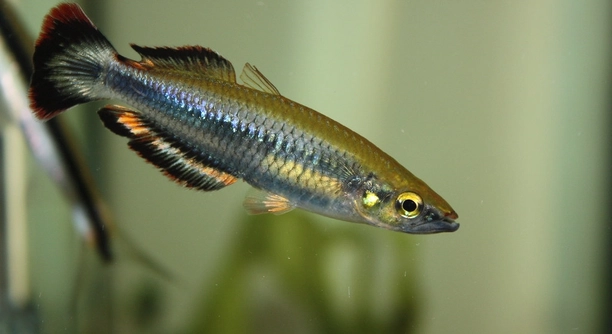
Have you ever noticed your rainbowfish swimming in bursts of energy one moment and resting quietly the next? Many fish owners watch their colorful companions and wonder about the subtle changes in their behavior patterns.
Rainbowfish can display variations in behavior that resemble mood swings, often influenced by factors such as water quality, social interactions, and environmental stressors. These behavioral changes are observable through color shifts, activity levels, and feeding patterns in aquariums.
Observing these shifts more closely can help owners better understand their fish’s health and overall well-being. Small details often reveal significant insights into their behavior.
Understanding Rainbowfish Behavior
Rainbowfish often show changes in behavior that can be linked to their surroundings. They are social creatures, and their mood can be affected by the presence or absence of other fish. When kept alone, some rainbowfish may appear less active or withdrawn. On the other hand, an overcrowded tank can create stress, leading to hiding or erratic swimming. Temperature and water quality also play a role. Sudden changes in water temperature or poor filtration can make rainbowfish display unusual behavior. Feeding routines impact them too. When food is inconsistent, they may become more aggressive or restless. Observing their colors is another key sign. Bright, vivid colors often indicate comfort and health, while dull or faded colors may signal stress or illness. Paying attention to these subtle cues can help maintain a balanced and healthy aquarium environment, ensuring the rainbowfish thrive.
Monitoring these behaviors closely provides insight into how rainbowfish adapt to their environment and interact with their tank mates.
Understanding their behavior is important for any caretaker. Stress, diet, or social structure can all influence how they act daily. Keeping track of swimming patterns, color changes, and interactions will help spot problems early. Regular observation also allows adjustments to tank conditions, such as adding plants for hiding spaces or ensuring a balanced feeding schedule. By noting small shifts in behavior, you can better manage their health. Even minor changes in mood or activity may signal environmental issues. Correcting these factors promptly can prevent illness and improve overall vitality. Overall, rainbowfish behavior is a combination of environmental influences, diet, and social dynamics, and recognizing patterns helps create a stable and comfortable home for them. Consistent care and attention result in happier, more vibrant fish.
Environmental Factors Affecting Mood
Water conditions are a major factor influencing rainbowfish behavior. Maintaining stable temperature, pH, and cleanliness is essential.
Environmental conditions, including tank size, water flow, and decor, significantly affect rainbowfish. Small tanks limit swimming space, which may increase stress and reduce natural behaviors. Proper filtration and regular water changes keep toxins low, supporting healthy activity and mood. Lighting also plays a role; too bright or inconsistent light can disturb their natural cycles, causing agitation. Adding plants or hiding spots provides security, reducing stress levels. Social structure matters as well. Rainbowfish thrive in groups, and imbalance in numbers or aggression among tank mates can create tension. Even minor disturbances, such as sudden noise or frequent handling, can affect behavior. Ensuring a stable, consistent environment allows rainbowfish to display natural activity levels, healthy coloration, and regular feeding habits. Careful attention to these environmental factors can minimize stress and promote overall well-being. Observing changes over time helps identify specific needs and improve the tank environment for a more harmonious habitat.
Signs of Mood Changes
Rainbowfish show mood changes through color shifts and activity levels. Bright colors usually mean they are calm and healthy, while dull or faded colors can indicate stress or discomfort. Sudden hiding or reduced movement is another clear sign that something is affecting their mood.
Observing feeding patterns helps identify mood shifts as well. A rainbowfish that suddenly refuses food or becomes aggressive during feeding may be stressed. Changes in swimming, such as darting around or staying at the bottom of the tank, also indicate unrest. These behaviors often appear when water quality fluctuates, temperature changes, or tankmates create tension. Consistently monitoring their actions helps recognize patterns. Noticing these signs early allows adjustments in care to prevent long-term stress and maintain a healthy environment for all tank inhabitants.
Social interactions reveal much about their mood too. Rainbowfish are naturally active in groups, and changes in social behavior, such as avoiding others or showing dominance, signal shifts in their emotional state. Understanding these cues is key to ensuring their well-being.
Maintaining a Stable Mood
Stable water parameters are crucial for rainbowfish mood. Temperature, pH, and cleanliness must remain consistent to reduce stress. Proper tank maintenance directly impacts their daily behavior and overall health.
Consistency in tank setup and routines helps rainbowfish feel secure. Sudden changes in lighting, temperature, or decorations can create anxiety, leading to altered behavior or color changes. Maintaining regular feeding schedules also supports calm and predictable activity. Group dynamics matter too; balancing numbers and ensuring peaceful interactions prevents stress-induced mood swings. Providing hiding spots and plants gives them security and reduces tension. Observing these factors over time allows small adjustments to improve comfort and stability, promoting healthier behavior and more vibrant appearance in the aquarium.
Feeding and Mood
Consistent feeding schedules help rainbowfish maintain stable behavior. Sudden changes in diet or skipped meals can cause stress, leading to reduced activity or aggression. Choosing high-quality, varied food supports both mood and health.
Overfeeding can also impact mood. Excess food causes water quality issues, which may stress fish and reduce vibrant coloring.
Social Interaction Effects
Rainbowfish thrive in groups and rely on social interaction for stability. Isolation or imbalance among tankmates can lead to mood changes, such as hiding, aggression, or lethargy. Observing their behavior within the group helps identify issues and maintain a harmonious environment.
Handling and Human Interaction
Frequent handling or sudden movements around the tank can stress rainbowfish. Minimizing disturbances and maintaining a calm environment encourages steady behavior and reduces mood-related issues.
Environmental Enrichment
Adding plants, rocks, and hiding spots helps rainbowfish feel secure. Enrichment promotes natural behaviors, reduces stress, and supports consistent activity levels.
FAQ
How can I tell if my rainbowfish is stressed?
Signs of stress in rainbowfish include faded or dull colors, erratic swimming, hiding for long periods, and changes in appetite. Observing group dynamics is important—if a fish suddenly avoids tankmates or becomes aggressive, it may indicate stress caused by social imbalance, poor water quality, or environmental changes. Regular monitoring and maintaining stable tank conditions can help reduce stress and promote natural behavior.
What water conditions are best for rainbowfish?
Rainbowfish thrive in clean, stable water. Ideal parameters include a temperature between 24–28°C (75–82°F), a pH of 6.5–7.5, and regular filtration to maintain low ammonia and nitrate levels. Consistent water changes and monitoring are essential to prevent stress and support both mood and health.
Do rainbowfish need companions?
Yes, rainbowfish are social fish and feel secure in groups. Keeping at least six together helps reduce stress and promotes natural schooling behavior. Isolation or uneven group sizes can lead to mood changes, aggression, or lethargy, so maintaining a balanced community is important for their well-being.
Can diet affect my rainbowfish’s mood?
Absolutely. A consistent, high-quality diet supports both physical health and behavior. Sudden changes or poor-quality food can cause stress, reduce activity, or trigger aggressive tendencies. A varied diet including flakes, pellets, and occasional live or frozen foods helps maintain vibrant colors and balanced behavior.
How does tank size impact behavior?
Tank size directly affects mood. Small or overcrowded tanks limit swimming space and increase tension among fish, while a larger tank allows natural movement and social interaction. Providing enough space, hiding spots, and environmental enrichment supports stable behavior and reduces stress.
What role does lighting play in rainbowfish behavior?
Lighting influences daily activity and coloration. Inconsistent or overly bright light can cause stress, while a stable day-night cycle encourages normal swimming patterns, feeding habits, and natural color expression. Adjusting light gradually when changes are needed helps prevent sudden stress responses.
Can temperature fluctuations cause mood swings?
Yes, rainbowfish are sensitive to temperature changes. Sudden drops or spikes in water temperature can cause lethargy, hiding, or aggression. Maintaining a consistent temperature within the recommended range prevents stress and keeps activity and coloration stable.
How do I help a rainbowfish recover from stress?
Correcting environmental factors is key. Ensure proper water quality, stable temperature, and balanced social conditions. Adding hiding spots, reducing disturbances, and maintaining a consistent feeding schedule can help a stressed fish regain natural behavior and color over time.
Are mood swings in rainbowfish permanent?
No, mood changes are usually temporary and linked to environmental or social factors. By identifying the cause—such as water quality issues, diet changes, or social stress—owners can adjust conditions to restore normal behavior and improve overall health.
Can illness mimic mood swings?
Yes, behavioral changes can indicate illness. Lethargy, loss of appetite, or unusual swimming patterns might not be mood-related but signs of disease. Observing symptoms closely and consulting care guides or professionals helps differentiate stress-related behavior from health issues.
Is it normal for rainbowfish to be inactive sometimes?
Yes, occasional rest is natural. Rainbowfish may stay near the bottom or in hiding spots during quiet periods. However, prolonged inactivity paired with color fading or appetite loss often signals stress or environmental problems, which should be addressed promptly.
How often should I check on my rainbowfish?
Daily observation is recommended. Monitoring swimming patterns, coloration, and feeding behavior helps detect early signs of stress, illness, or social imbalance. Consistent attention allows timely adjustments to tank conditions, promoting stable behavior and healthy mood levels.
Does social hierarchy affect mood?
Yes, rainbowfish establish a hierarchy. Dominant individuals may show more vibrant colors, while submissive fish may hide or become subdued. Ensuring enough space and balanced group dynamics helps prevent chronic stress and supports overall well-being.
Can decorations influence mood?
Yes, plants, rocks, and hiding spots reduce stress by providing security. Enriched environments encourage natural behaviors like schooling and exploration, keeping rainbowfish active, healthy, and emotionally balanced.
How long does it take for rainbowfish to adjust to new conditions?
Adjustment varies but generally takes a few days to weeks. Gradual changes in water parameters, lighting, or tankmates minimize stress, allowing rainbowfish to settle and resume normal behavior patterns. Patience and observation are key during transitions.
Rainbowfish are sensitive and social creatures whose behavior reflects their environment, diet, and social conditions. Observing their daily actions, from swimming patterns to color changes, can provide valuable insights into their well-being. A rainbowfish that displays bright, vivid colors and active schooling behavior is usually comfortable and healthy, whereas dull colors, hiding, or unusual aggression often indicate stress or discomfort. Maintaining stable water parameters, providing a balanced diet, and ensuring proper social groupings are all essential factors in supporting consistent behavior. These fish rely on routine and stability, so sudden changes in tank conditions or social dynamics can lead to noticeable shifts in mood. Paying close attention to small cues, such as reduced activity during feeding or avoidance of tankmates, can help prevent long-term issues and maintain a healthy aquarium environment.
Environmental enrichment plays an important role in keeping rainbowfish comfortable and reducing stress-related behavior. Adding plants, rocks, or hiding spaces allows them to explore safely and feel secure, which encourages natural swimming patterns and positive social interactions. Lighting, temperature, and water quality are equally critical. Sudden fluctuations in these conditions often cause anxiety or lethargy. A consistent feeding schedule with high-quality, varied food supports both physical health and stable behavior. Even simple steps, such as monitoring water parameters regularly and providing enough space for each fish, can make a noticeable difference in their mood and overall vitality. Rainbowfish may not show dramatic emotional swings like larger animals, but their behavior reflects subtle changes in comfort and stress levels, which owners can observe and respond to effectively.
Understanding rainbowfish behavior requires patience and close attention to detail. By noticing signs of stress, mood changes, or social tension early, owners can make small adjustments that significantly improve the fish’s quality of life. Social groupings, environmental stability, diet, and enrichment all work together to influence mood and activity levels. Observing their interactions and responses over time helps owners identify patterns and maintain a stable, healthy aquarium. With careful care and consistent observation, rainbowfish can thrive in captivity, displaying vibrant colors, active behavior, and overall wellness. Supporting their physical and emotional needs ensures they remain healthy and reduces the likelihood of stress-related issues, making the aquarium a balanced and pleasant environment for both fish and caretaker.

Hello,
If you enjoy the content that we create, please consider saying a "Thank You!" by leaving a tip.
Every little bit helps us continue crafting quality advice that supports the health, happiness, and well-being of pets around the world, for pets of all shapes, sizes, and species.
We really appreciate the kindness and support that you show us!