
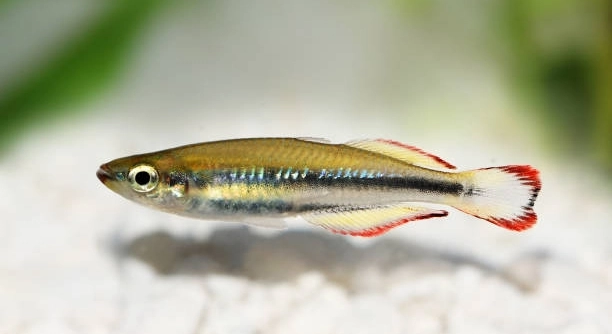
Rainbowfish are colorful and lively additions to any aquarium, but they can be surprisingly sensitive. Certain changes in their environment or care routine can quickly cause stress, affecting their health and overall behavior in noticeable ways.
Common triggers that stress rainbowfish include sudden changes in water temperature, poor water quality, overcrowding, aggressive tankmates, insufficient hiding spots, improper diet, and frequent disturbances. Each of these factors can negatively impact their well-being and should be carefully managed.
Understanding these stress triggers will help you create a calmer and healthier environment for your rainbowfish to thrive in. Managing their habitat properly ensures long-term happiness and vitality.
Sudden Changes in Water Temperature
Rainbowfish are very sensitive to temperature fluctuations. Rapid changes can shock their system, causing stress and making them more prone to illness. Even a difference of a few degrees can disturb their behavior, appetite, and energy levels. It’s important to maintain a stable temperature and monitor it daily, especially if your home experiences seasonal variations. Using a reliable heater and thermometer helps ensure consistency. Avoid placing the tank near windows, vents, or areas with drafts, as these can cause sudden shifts. If you need to adjust the temperature, do it gradually over several hours to minimize stress. Observing your rainbowfish’s behavior during these changes will also help you notice early signs of discomfort, such as hiding, rapid gill movement, or lethargy. Keeping the water temperature consistent is one of the simplest ways to promote their health.
Maintaining stable water temperature prevents sudden stress, supports proper feeding habits, and keeps your rainbowfish active and vibrant throughout the day.
Gradual adjustments are key. Sudden spikes or drops can lead to diseases or sudden death. Installing a thermometer near the center of the tank ensures accurate readings. Avoid placing the tank near air conditioners, heaters, or direct sunlight. Using a heater with a built-in thermostat gives more control over the temperature. Regular observation allows early detection of stress signs like darting or hiding. Small temperature shifts over time are safer and allow your rainbowfish to adapt without losing their energy or appetite. Consistent water temperature contributes significantly to their long-term health and behavior.
Poor Water Quality
Dirty or improperly maintained water can quickly stress rainbowfish. Ammonia, nitrites, and high nitrate levels irritate their gills and affect their immune system, making them vulnerable to infections. Even if the tank looks clean, testing water regularly is essential. Filtration systems should be checked and maintained to ensure efficient removal of waste and debris. Frequent partial water changes help keep nitrate levels low and prevent the buildup of harmful substances. Avoid overcrowding the tank, as more fish produce more waste. Feeding in moderation is also crucial to reduce excess food decomposing in the water. Clear, clean water promotes healthy scales, strong coloration, and active swimming. By monitoring water quality consistently, you reduce stress levels and support your rainbowfish’s overall well-being, ensuring they thrive in a safe and stable environment.
Regular testing of water parameters helps detect issues before stress becomes severe. Keeping water clean is essential.
Filtration alone isn’t enough. Even with a good filter, uneaten food, waste, and decaying plants can increase toxins in the tank. Using a water test kit weekly ensures ammonia, nitrite, and nitrate levels remain safe. Partial water changes of 20-30% once or twice a week remove excess waste and prevent harmful chemical buildup. Avoid overfeeding, as leftover food decomposes quickly. Clean substrate and remove dead plant matter regularly. A combination of testing, filtration, and routine cleaning maintains stable water conditions. Healthy water supports your rainbowfish’s immune system, coloration, and activity level. Clear water also allows you to observe your fish easily, making it simple to notice early stress or illness. Consistency in maintenance is key for long-term health.
Overcrowding
Too many rainbowfish in a single tank can quickly lead to stress. Crowded conditions reduce swimming space, increase aggression, and elevate waste levels, all of which negatively affect their health.
Overcrowding causes constant competition for food and hiding spots. Rainbowfish may become territorial or aggressive, leading to injuries or prolonged stress. High fish density also raises ammonia and nitrate levels faster, which strains their gills and immune system. Adequate space allows natural schooling behavior, reduces conflict, and promotes healthy swimming. Following recommended stocking guidelines based on tank size ensures a balanced environment. A well-spaced aquarium improves water quality management and provides a more peaceful habitat for all inhabitants.
Providing proper space helps rainbowfish maintain social balance and reduces chronic stress. Less crowding means better feeding, swimming freedom, and overall well-being. Consistent monitoring of fish numbers and tank size prevents overcrowding before it becomes a problem, keeping your aquarium stable and enjoyable.
Aggressive Tankmates
Rainbowfish can become stressed when housed with aggressive or overly territorial fish. Conflicts disrupt their normal behavior, often forcing them into hiding or causing constant darting.
Aggressive species chase or nip rainbowfish, which affects feeding and resting patterns. Stress from intimidation can weaken their immune system, making them more susceptible to disease. Choosing compatible tankmates is essential. Peaceful species of similar size and temperament allow rainbowfish to swim and school freely without fear. Observing interactions in the early stages helps identify potential issues before injuries occur.
Mixing rainbowfish with calm, non-territorial fish promotes harmony. Introducing new fish slowly and monitoring their behavior reduces aggression. Proper tank arrangement with hiding spaces allows rainbowfish to escape stress. Avoiding overly aggressive species ensures all fish remain healthy and active. Adequate plant cover, decorations, and open swimming areas minimize confrontations. Compatibility testing and gradual introductions create a stable, stress-free community. Observing daily interactions helps prevent bullying and maintains a balanced, thriving aquarium environment.
Insufficient Hiding Spots
Rainbowfish feel exposed without enough hiding places, which can increase stress and anxiety. Plants, rocks, and decorations provide safe areas for them to rest and escape perceived threats.
A lack of hiding spots forces rainbowfish to swim constantly or remain in open areas, making them more vulnerable to bullying or sudden movements. Properly arranged decorations create a secure environment, allowing natural behavior and reducing stress.
Improper Diet
Feeding rainbowfish an unbalanced diet affects their energy, coloration, and overall health. They need a mix of high-quality flakes, pellets, and occasional live or frozen foods. Proper nutrition supports immune function and vitality.
Rainbowfish may become stressed if food is scarce or of poor quality. Providing a varied diet ensures they receive essential nutrients. Overfeeding should be avoided to maintain water quality.
Frequent Disturbances
Constant tapping on the tank or sudden movement nearby makes rainbowfish nervous and jumpy. They prefer a calm, stable environment with minimal interruptions.
FAQ
How do I know if my rainbowfish is stressed?
Signs of stress include hiding frequently, clamped fins, loss of color, reduced appetite, and erratic swimming. You may also notice increased gill movement or lethargy. Monitoring behavior daily helps catch stress early and allows you to take corrective actions to improve their environment.
What is the best way to maintain stable water temperature?
Use a reliable heater with a thermostat and a thermometer placed near the center of the tank. Avoid placing the tank near drafts, windows, or heating vents. Adjust temperature gradually if needed, aiming for steady conditions rather than sudden changes. Stability is key to reducing stress.
How often should I test water quality?
Test water at least once a week for ammonia, nitrite, nitrate, and pH levels. Frequent testing helps catch problems early before they impact your fish. Combining this with regular partial water changes keeps the environment healthy and reduces stress caused by poor water quality.
What is the ideal tank size for rainbowfish?
Tank size depends on the number of rainbowfish, but generally, a 30-gallon tank or larger is recommended for a small school. More space reduces aggression, allows proper schooling behavior, and improves overall water quality, which keeps rainbowfish calmer and healthier.
How many rainbowfish should I keep together?
Rainbowfish are schooling fish and do best in groups of six or more. Keeping them in a school reduces stress, encourages natural swimming patterns, and prevents bullying or isolation. Avoid overcrowding, as too many fish in a tank increases waste and tension.
What type of tankmates are suitable for rainbowfish?
Choose peaceful, similarly sized species. Avoid aggressive or territorial fish that may nip or chase rainbowfish. Ideal companions include tetras, danios, and other non-aggressive community fish. Monitor interactions when introducing new tankmates to prevent conflict and stress.
How can I provide enough hiding spots?
Include plants, rocks, driftwood, and decorations to create safe areas. Hideouts reduce stress, allow rest, and give rainbowfish a sense of security. Arrange decorations so open swimming space remains, balancing shelter with freedom of movement.
What should I feed my rainbowfish?
Provide a varied diet of high-quality flakes, pellets, and occasional live or frozen foods like brine shrimp or daphnia. Proper nutrition supports color, growth, and immune health. Avoid overfeeding to prevent water quality issues and maintain a balanced environment.
How do I reduce frequent disturbances around the tank?
Place the tank in a quiet area with minimal foot traffic. Avoid tapping on the glass or sudden movements nearby. A calm environment allows rainbowfish to establish normal routines and reduces chronic stress caused by constant interruptions.
Can poor water quality affect their behavior long-term?
Yes, prolonged exposure to poor water conditions weakens the immune system, dulls coloration, and may lead to disease. Consistent maintenance, including water testing, filtration checks, and partial changes, ensures a healthy environment and minimizes stress over time.
What steps should I take if I notice aggression in the tank?
Separate aggressive individuals if necessary, provide additional hiding spots, and ensure enough space for all fish. Reducing stress through proper stocking, compatible tankmates, and balanced feeding often resolves minor aggression. Constant observation allows timely adjustments to prevent injuries.
How do I gradually acclimate rainbowfish to new water conditions?
Add small amounts of new tank water to the transport container over an hour or two. Gradual mixing allows rainbowfish to adjust to temperature and chemical differences, reducing shock and stress when introduced to a new tank.
Is it necessary to quarantine new fish?
Yes, quarantining for at least two weeks prevents the introduction of disease. Observe behavior, feeding, and water quality during this period to ensure the new fish are healthy before adding them to the main tank.
How can I tell if stress is affecting their growth or health?
Slow growth, pale coloration, frequent hiding, and loss of appetite are common signs. Stress can suppress the immune system, making rainbowfish more susceptible to illness. Promptly addressing environmental and dietary factors helps restore their health and vitality.
What role do plants play in reducing stress?
Live or artificial plants provide shelter, reduce open swimming stress, and create a more natural environment. Dense plant coverage allows rainbowfish to hide when they feel threatened, supporting calmer behavior and overall well-being.
How often should I clean the tank to prevent stress?
Partial water changes of 20-30% weekly help remove waste and toxins without disturbing the fish too much. Clean the substrate, decorations, and filter regularly. Consistent maintenance ensures a healthy environment and minimizes stress caused by poor water conditions.
Can lighting affect rainbowfish stress levels?
Yes, overly bright or sudden lighting changes can startle them. Provide a regular day-night cycle using aquarium lights and avoid sudden on-off switches. Gradual lighting transitions help maintain a stable and comfortable environment.
How do I handle rainbowfish without causing stress?
Minimize handling whenever possible. Use a soft net if necessary and move slowly to avoid sudden movements. Handling can cause fear, so it’s better to plan maintenance and feeding routines that limit direct contact.
What signs indicate that the tank environment is balanced and stress-free?
Active swimming, bright coloration, regular feeding, and normal social interactions indicate a healthy, low-stress environment. Consistent observation ensures that rainbowfish remain comfortable and thrive in their habitat.
How can I prevent long-term stress in rainbowfish?
Maintain stable water conditions, provide proper nutrition, adequate space, hiding spots, and compatible tankmates. Regular monitoring of behavior, water quality, and environmental changes ensures that stress factors are addressed quickly, promoting long-term health and vitality.
Rainbowfish are delicate and beautiful fish that thrive in well-maintained aquariums. Their vibrant colors and active swimming behavior make them a joy to watch, but they are sensitive to stress. Understanding the factors that can cause stress, such as sudden temperature changes, poor water quality, overcrowding, and aggressive tankmates, is essential to providing a healthy environment. By paying close attention to their needs and maintaining consistent care, it is possible to reduce stress significantly and support their overall well-being. Proper planning and regular observation help create a stable environment where rainbowfish can display their natural behaviors, interact peacefully, and maintain bright, healthy coloration.
Providing a proper habitat for rainbowfish involves more than just keeping the water clean. Hiding spots, adequate space, and compatible tankmates all play a role in minimizing stress. Plants, rocks, and decorations offer shelter and make the fish feel secure, while enough open space allows them to swim freely and school naturally. Nutrition also has a significant impact on their health. Feeding a varied diet that includes high-quality flakes, pellets, and occasional live or frozen foods supports immune function, growth, and color. Avoiding overfeeding is important not only to maintain water quality but also to prevent digestive stress. Gradual changes in the tank, including acclimating new fish slowly, help rainbowfish adjust to their environment without unnecessary pressure.
Consistent care and attention to detail ensure long-term health and happiness for rainbowfish. Regular water testing, proper filtration, and partial water changes maintain a clean and stable habitat. Monitoring their behavior allows early detection of stress or illness, which makes intervention easier and more effective. Even small adjustments, such as reducing frequent disturbances, controlling lighting, or providing more hiding spaces, can have a meaningful impact on their comfort. When rainbowfish are kept in a stable, peaceful, and properly maintained environment, they are more likely to thrive, display vibrant colors, and live longer lives. Understanding and addressing their needs creates an aquarium that is not only visually appealing but also supportive of the fish’s well-being, ensuring that rainbowfish remain active, healthy, and stress-free.

Hello,
If you enjoy the content that we create, please consider saying a "Thank You!" by leaving a tip.
Every little bit helps us continue crafting quality advice that supports the health, happiness, and well-being of pets around the world, for pets of all shapes, sizes, and species.
We really appreciate the kindness and support that you show us!