
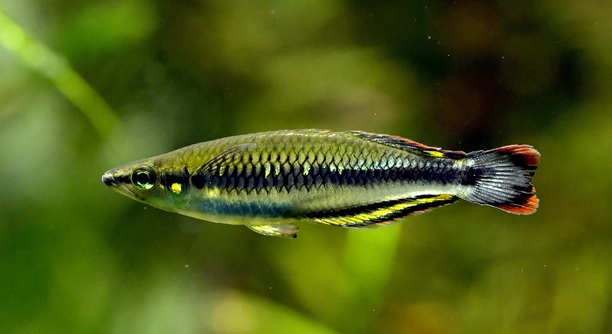
Have you ever noticed how your aquarium seems to respond to your presence? Rainbowfish are small, colorful freshwater fish that many people keep for their lively behavior and shimmering scales in home tanks.
Rainbowfish can detect changes in mood through subtle visual and chemical cues. Their behavior, swimming patterns, and coloration often shift in response to environmental stressors or human interaction, suggesting an ability to perceive and react to emotional states.
Observing these changes can reveal more about their well-being and help you create a calmer, healthier environment for your fish.
How Rainbowfish Show Emotional Changes
Rainbowfish are highly sensitive to their environment, and their reactions can tell you a lot about how they feel. When stressed, they may swim erratically, hide more often, or change their coloration slightly. Calm, happy fish usually display brighter colors and swim in coordinated patterns. These changes are not random; they are often responses to human presence, tank conditions, or the behavior of other fish. For example, sudden loud noises or abrupt movements near the tank can make rainbowfish tense and cluster together. Over time, consistent observation allows owners to recognize patterns and better understand each fish’s baseline behavior. Nutrition and water quality also play a role. A well-fed rainbowfish in clean water will exhibit more natural, relaxed behavior, while neglect in these areas can amplify stress responses. By watching for these subtle cues, you can adjust the tank environment to keep the fish healthier and more comfortable.
Monitoring these cues daily can improve both the fish’s life and the tank’s overall atmosphere.
Recognizing mood changes in rainbowfish is not only about noticing dramatic shifts. Subtle variations in fin movement, color brightness, and swimming speed can indicate how the fish are feeling. For instance, slight paling of colors may suggest mild stress or discomfort, while intense color flashes often appear during excitement or social interaction. Pairing these observations with environmental factors like light, temperature, and water quality gives a clearer picture. Over time, owners can anticipate and respond to needs before stress escalates. Adjustments such as rearranging decorations, reducing sudden noises, or changing feeding routines can have an immediate calming effect. Regularly noting behavior patterns also allows for early detection of health issues. Understanding these signals strengthens the connection between the caretaker and the fish, creating a more harmonious tank. Consistent observation and responsive care ultimately promote a stable, enriched habitat, helping rainbowfish thrive in home aquariums.
Environmental Triggers for Mood Changes
Water quality and lighting are major factors affecting rainbowfish behavior. Poor conditions can stress fish, leading to noticeable behavioral shifts.
Temperature, pH levels, and tank layout all contribute to emotional responses in rainbowfish. A sudden drop in temperature can cause lethargy, while overly bright lighting may trigger hiding. Fish also respond to social dynamics; overcrowded tanks or aggressive companions increase tension. Observing and controlling these elements helps maintain a calm environment. Even small adjustments, like adding plants or creating shaded areas, can reduce stress. It is also important to maintain consistent feeding schedules, as irregular routines may create anxiety. Over time, owners can identify which factors most affect each fish’s mood and adjust accordingly. This attentiveness supports not only immediate comfort but long-term health. Recognizing environmental triggers allows for proactive care, ensuring rainbowfish can exhibit natural behaviors. Maintaining optimal tank conditions leads to more vivid colors, energetic swimming, and social interaction, providing a visually pleasing and healthier aquarium overall.
Observing Social Interactions
Rainbowfish react strongly to the presence of other fish in the tank. Social dynamics influence swimming patterns, feeding behavior, and color display. Aggressive or dominant fish can cause others to hide or become stressed, while a balanced group promotes natural, relaxed movement.
Social hierarchy affects rainbowfish behavior in several ways. Dominant fish often occupy prime swimming areas and can influence the overall mood of the tank. Submissive fish may reduce activity, stay near hiding spots, or show paler colors. Pairing compatible species or maintaining appropriate group sizes helps reduce stress. Consistent observation of these interactions provides insight into how fish perceive their environment and each other. Adjusting the tank layout or introducing plants for cover can help maintain harmony. These strategies encourage natural behavior, which is essential for emotional stability and overall health.
Group dynamics also affect feeding routines. Rainbowfish may hesitate to eat if a dominant fish is present, or they may compete aggressively for food. Careful attention to social interactions ensures that all fish remain healthy, active, and less stressed.
Color Changes and Emotional States
Rainbowfish use color intensity to communicate mood and status. Brighter, vivid colors usually indicate confidence and calmness, while faded or dull colors signal stress or discomfort.
Color changes in rainbowfish are subtle but telling. Stress, illness, or sudden environmental changes can cause temporary paleness. Bright flashes of color often occur during social interaction, mating displays, or excitement. Monitoring these shifts alongside behavior patterns, such as swimming speed and positioning, helps identify mood changes accurately. Even minor variations can indicate early signs of stress or tension in the tank. Maintaining consistent water quality, temperature, and lighting supports natural coloration and emotional stability. Observing patterns over time allows owners to predict responses and make adjustments before stress escalates. Creating hiding spots and maintaining compatible groups reduces tension and encourages natural, vibrant displays. Tracking color changes is an effective way to assess both individual and group well-being, providing insights into how environmental and social factors influence rainbowfish emotions.
Responses to Human Interaction
Rainbowfish notice human presence and react to it. Gentle movements near the tank often result in curiosity, while sudden actions can trigger stress, causing them to hide or swim quickly.
Regular interaction can help fish become accustomed to your presence. Over time, they may display calmer behavior and approach the glass confidently, showing recognition of routine and reduced anxiety.
Feeding Behavior and Mood
Rainbowfish behavior during feeding is a clear indicator of their emotional state. Excited, confident fish swim actively toward food, while stressed or anxious fish may hesitate or hide. Consistent feeding schedules help reduce tension. Observing how each fish responds allows owners to understand social dynamics and individual personalities, adjusting care as needed. Over time, patterns in feeding behavior reveal mood changes linked to tank conditions, water quality, or social structure. Addressing these factors ensures all fish remain active, healthy, and stress-free, contributing to a more stable and harmonious aquarium environment.
Seasonal Changes
Temperature and daylight shifts can affect rainbowfish mood. Gradual adjustments help minimize stress during seasonal transitions.
How can I tell if my rainbowfish is stressed?
Stress in rainbowfish often shows through changes in behavior and appearance. Look for hiding, reduced swimming, faded colors, or erratic movements. Over time, subtle changes like less interest in food or altered interactions with other fish may indicate mild stress. Consistent observation helps identify triggers.
Do rainbowfish recognize their owners?
Yes, rainbowfish can become familiar with the presence of people near their tank. They may swim closer when they see someone they recognize and display calmer behavior during feeding times. Regular, gentle interaction helps fish feel secure and reduces sudden stress reactions.
What environmental factors most affect rainbowfish mood?
Water quality, temperature, pH levels, and lighting are critical. Poor conditions, sudden changes, or overcrowding can increase stress. Providing plants, hiding spots, and maintaining consistent routines supports a stable emotional state. Observing behavior alongside environmental conditions helps identify areas needing adjustment.
How do social interactions influence rainbowfish behavior?
Rainbowfish are social creatures, and group dynamics affect mood. Dominant fish can cause others to hide or reduce activity, while a balanced group encourages natural swimming patterns. Proper tank size, compatible companions, and sufficient space reduce tension and improve overall well-being.
Can rainbowfish communicate mood through color changes?
Yes, color intensity reflects emotional state. Bright, vivid colors suggest confidence or calmness, while paleness or dullness can indicate stress, illness, or discomfort. Watching these shifts alongside behavior provides clues about mood and overall health.
How does feeding behavior reflect emotional states?
Rainbowfish display mood through feeding habits. Active, eager fish usually feel secure, while hesitant or withdrawn individuals may be stressed or unwell. Consistent feeding schedules and observing individual responses helps identify changes in emotional or physical health early.
Do rainbowfish respond to seasonal changes?
Yes, shifts in temperature and daylight can affect activity and mood. Gradual adjustments to these changes reduce stress. Fish may show altered swimming patterns, reduced energy, or temporary color changes until they acclimate to new conditions.
Can I reduce stress through tank setup?
Providing hiding spots, plants, and varied terrain helps rainbowfish feel secure. Sufficient space and compatible companions also reduce tension. Stable water quality, gentle lighting, and predictable routines create a calm environment that encourages natural behavior and emotional stability.
Are rainbowfish sensitive to noise or movement outside the tank?
Yes, sudden noises or fast movements can startle them, causing erratic swimming or hiding. Minimizing disturbances near the tank and interacting calmly improves comfort. Over time, they may become accustomed to predictable human presence, displaying more relaxed behavior during daily activities.
How often should I observe behavior for mood assessment?
Daily observation is ideal for tracking subtle changes. Note swimming patterns, color intensity, feeding response, and social interactions. Recording these observations over time helps detect early signs of stress or illness, allowing timely adjustments to the tank environment and care routines.
Can rainbowfish experience long-term stress?
Chronic stress can occur if environmental conditions, social dynamics, or care routines are consistently unfavorable. It may lead to weakened immunity, poor coloration, or reduced activity. Maintaining clean water, stable conditions, and balanced social groups helps prevent long-term stress and supports healthy emotional responses.
Do rainbowfish react to human emotions?
Rainbowfish primarily respond to external cues like movement, sound, and water changes rather than directly sensing human emotions. However, calm and consistent interaction tends to reduce their stress, while abrupt or tense activity can cause defensive behavior. Observing these responses can guide how to interact with them safely.
Is it normal for rainbowfish to hide for long periods?
Occasional hiding is normal, especially during changes in the tank or when introducing new companions. Persistent hiding may indicate stress, illness, or poor environmental conditions. Evaluating water quality, tank setup, and social dynamics helps determine the cause and improve comfort.
How can I encourage natural behavior in rainbowfish?
Providing a spacious, well-planted tank with varied terrain and hiding spots encourages swimming, exploration, and social interaction. Consistent feeding schedules, compatible companions, and minimal sudden disturbances support natural behavior, emotional stability, and overall health.
What should I do if my fish shows unusual behavior?
Monitor for changes in color, swimming patterns, appetite, or social interaction. Check water quality, temperature, and tank setup for potential issues. Adjusting these factors and reducing stressors often restores normal behavior. Persistent or severe changes may require consultation with an aquatic specialist.
How do I track subtle mood changes effectively?
Keep a simple daily log noting swimming patterns, feeding responses, coloration, and social interactions. Over time, this record highlights patterns and deviations, helping identify stressors or environmental factors impacting emotional well-being. Early detection ensures timely interventions for healthier, calmer fish.
Can lighting affect rainbowfish emotions?
Yes, lighting influences activity levels and stress. Sudden changes or overly bright illumination may cause hiding or reduced activity. Gradual adjustments, natural light cycles, and shaded areas help maintain stable behavior and emotional comfort.
Do rainbowfish prefer certain companions?
They thrive in groups with compatible species or conspecifics. Aggressive or overly dominant fish can disrupt mood, causing stress or hiding. Maintaining proper group sizes and observing interactions ensures balanced social dynamics and a harmonious tank environment.
How important is routine in supporting rainbowfish mood?
Consistent feeding schedules, tank maintenance, and gentle human interaction create predictability. Routine reduces anxiety, encourages active behavior, and supports emotional stability. Changes should be gradual to avoid startling or stressing the fish.
What are signs of happiness in rainbowfish?
Bright coloration, active swimming, exploring the tank, and engaging with companions signal contentment. Calm responses to human presence and eagerness during feeding also indicate a stable emotional state. Maintaining consistent care reinforces these positive behaviors and moods.
How quickly can rainbowfish mood change?
Mood shifts can occur in minutes in response to stressors, such as sudden movement or water changes. Longer-term environmental or social changes gradually affect behavior, color, and activity, highlighting the importance of careful observation and proactive adjustments.
Can I improve a stressed fish’s mood quickly?
Immediate improvements often come from reducing stressors: providing hiding spots, minimizing noise, adjusting lighting, or restoring water quality. Calm interaction and ensuring proper feeding routines help stabilize behavior and encourage a return to natural, relaxed activity.
Do rainbowfish have unique personalities?
Yes, individuals display varying levels of curiosity, boldness, and social tendencies. Some are more active or assertive, while others are shy. Observing these differences helps tailor care and understand how each fish responds to environmental and social factors.
Is tank size critical for mood regulation?
Adequate space reduces competition and stress, allowing natural swimming patterns and social interactions. Overcrowded tanks increase tension and hiding behavior. Proper tank sizing supports emotional stability, encourages natural activity, and promotes overall health.
How does water movement affect emotional states?
Moderate water flow supports natural swimming and reduces boredom. Excessive currents can cause stress, fatigue, or erratic swimming. Balancing flow and observing reactions ensures comfort and well-being while maintaining healthy oxygenation and circulation.
Can rainbowfish recover from prolonged stress?
Yes, with improved tank conditions, stable social groups, and consistent care, fish can gradually return to normal behavior, brighter colors, and active swimming. Recovery may take time, so patience and careful observation are essential.
How do I create a calm environment for rainbowfish?
Stable water parameters, sufficient hiding spots, compatible companions, gentle lighting, and predictable feeding schedules all contribute to emotional stability. Minimizing sudden disturbances and observing individual behavior helps maintain a relaxed and healthy tank atmosphere.
What role does diet play in mood?
Balanced nutrition supports health, energy, and color intensity. Inadequate or inconsistent feeding can lead to stress, lethargy, or increased aggression. Regularly providing high-quality food ensures optimal emotional and physical well-being.
How can I tell if changes in behavior are temporary or serious?
Short-term reactions often follow specific events like feeding, tank cleaning, or sudden noise. Persistent changes in color, appetite, social interaction, or swimming patterns suggest stress, illness, or environmental issues requiring attention. Keeping records aids in distinguishing temporary from chronic problems.
Are rainbowfish more sensitive than other freshwater fish?
Rainbowfish display high responsiveness to environmental, social, and human factors. Their vivid coloration, active behavior, and social nature make mood changes easier to observe compared to less reactive species. Attentive care maximizes health and emotional stability.
Can rainbowfish mood affect their lifespan?
Chronic stress, poor social conditions, or suboptimal environments can weaken immunity, reduce activity, and negatively impact health. Maintaining stable conditions, proper care, and balanced social interactions supports long-term well-being and longevity.
Is it possible to train rainbowfish to respond positively to humans?
Through consistent, gentle interaction, fish may learn to associate feeding and calm presence with safety. Over time, they can approach the glass confidently, displaying relaxed and curious behavior while reducing stress from sudden movements or disturbances.
How often should water parameters be checked?
Regular monitoring of temperature, pH, ammonia, nitrite, and nitrate levels is essential. Consistency prevents stress-related behavior and supports vibrant coloration, active swimming, and healthy social interactions. Adjustments should be made gradually to avoid sudden emotional disruption.
Do rainbowfish respond differently to different caretakers?
Yes, individual fish may react more positively to consistent, calm, and predictable interaction. Sudden or inconsistent behavior from a caretaker can cause stress or hiding, highlighting the importance of routine and gentle handling for emotional stability.
Can rainbowfish experience boredom or frustration?
Limited stimulation, insufficient companions, or lack of hiding spaces can lead to inactivity, repetitive swimming, or hiding. Enriched environments with varied terrain, plants, and social opportunities encourage natural behavior and reduce negative emotional states.
What is the best way to monitor rainbowfish health and mood simultaneously?
Observe behavior, coloration, feeding habits, and social interactions daily. Keep a log of changes alongside water parameters, tank adjustments, and social dynamics. This combined approach ensures early detection of stress or illness and allows proactive care for long-term well-being.
How do I know if tankmates are causing stress?
Watch for hiding, aggression, or color fading in affected fish. Reassessing group composition, adding plants or decorations for cover, and providing sufficient space can reduce tension and improve overall harmony within the tank.
Are juvenile rainbowfish more sensitive than adults?
Juveniles tend to be more vulnerable to stressors, sudden movements, and social hierarchy shifts. Extra care with tank size, environmental stability, and compatible companions supports healthy development and emotional stability as they mature.
Can rainbowfish mood improve naturally without intervention?
Minor fluctuations may stabilize on their own if environmental stressors are minimal. However, prolonged or recurring stress usually requires attention to tank conditions, social dynamics, or feeding practices to restore optimal mood and behavior.
Do rainbowfish show preferences for certain areas of the tank?
Yes, fish often choose locations that provide comfort, shelter, and social security. Observing these preferences can guide tank layout adjustments to support emotional stability and reduce stress-related behavior.
How important is water temperature consistency?
Stable temperature prevents stress-related behavior, lethargy, and color changes. Sudden shifts can trigger hiding, erratic swimming, or aggression. Gradual adjustments and monitoring ensure a comfortable environment for healthy activity and social interaction.
Can rainbowfish develop long-term bonds with other fish?
They often form social hierarchies and attachments within compatible groups. Stable relationships reduce stress, encourage cooperative behavior, and promote overall tank harmony, contributing to consistent mood and well-being.
How do I differentiate illness from mood changes?
Mood changes usually involve subtle behavior shifts, while illness may include persistent lethargy, rapid breathing, lesions, or dramatic color loss. Regular observation and water testing help determine whether intervention is needed for health concerns.
Is observing rainbowfish behavior time-consuming?
Short daily sessions are sufficient. Even a few minutes of careful observation provides valuable insight into social dynamics, feeding patterns, and stress indicators, enabling proactive adjustments for healthier, happier fish.
Can rainbowfish adapt to new tanks easily?
Gradual acclimation reduces stress. Sudden changes in environment, lighting, or companions can trigger hiding, color fading, or reduced activity. Providing plants, hiding spots, and gentle water adjustments supports smoother adaptation.
Do rainbowfish have favorite hiding spots?
Yes, they tend to choose areas offering shelter, shade, or visual security. Observing these preferences allows placement of plants, rocks, or decorations to reduce stress and support natural behavior.
How long does it take to see mood improvement after changes?
Responses vary, but minor adjustments may show results within hours, while significant changes like new tankmates or improved water quality may take days to stabilize behavior, coloration, and social interactions.
Can overfeeding affect mood?
Yes, excessive feeding can lead to water quality issues, aggression, and lethargy. Balanced portions and consistent schedules maintain health, activity, and emotional stability.
Are rainbowfish more active during certain times of day?
They often show increased activity during feeding times or daylight hours, while resting in shaded areas during lower light periods. Observing patterns helps gauge mood, health, and overall comfort in the tank.
Do rainbowfish respond to music or vibrations?
They primarily respond to vibrations and sudden movements rather than melodies. Gentle, consistent handling and minimal disturbances create a calmer environment, supporting relaxed behavior and emotional stability.
Can rainbowfish mood predict health issues?
Behavioral changes, color fading, or altered social interactions often precede visible illness. Tracking these indicators allows early detection and intervention to prevent long-term health problems.
How does water chemistry directly impact mood?
Imbalanced pH, ammonia, or nitrate levels can stress fish, leading to hiding, erratic swimming, or aggression. Maintaining optimal water chemistry supports natural behavior, color expression, and social harmony.
Do rainbowfish respond differently to males and females?
Males often display more vivid colors and dominance, while females may be more subdued. Understanding these differences helps interpret behavior and social interactions within the tank.
Is it normal for rainbowfish to chase each other?
Mild chasing is part of social hierarchy and interaction. Excessive aggression or stress-induced chasing signals issues with tank size, group composition, or environmental conditions. Adjustments reduce tension and promote balanced social behavior.
Can rainbowfish learn from repeated experiences?
Yes, they can recognize feeding routines, human presence, and environmental patterns. Consistency in care builds trust and reduces stress, leading to calmer and more predictable behavior.
Do rainbowfish prefer certain water flow patterns?
Moderate currents mimic natural habitats and encourage swimming. Strong currents may stress fish, while stagnant water can limit activity. Observing preferences helps maintain comfort and emotional stability.
How do I handle multiple stress factors at once?
Address water quality, social dynamics, feeding, and environmental enrichment simultaneously. Prioritize changes gradually to avoid overwhelming the fish, and observe responses to ensure effective stress reduction and mood stabilization.
Can rainbowfish mood improve with companionship alone?
Proper social grouping supports emotional stability, but alone it may not resolve stress caused by poor water quality, lighting, or feeding issues. Combined care practices are necessary for optimal mood and health.
Are there signs of long-term happiness in rainbowfish?
Consistent bright coloration, active swimming, social interaction, and engagement during feeding indicate positive emotional states. Stable tank conditions and attentive care reinforce long-term well-being.
Do rainbowfish remember past stressful events?
They may respond cautiously to locations, tankmates, or situations associated with stress. Gentle and predictable care helps rebuild confidence and reduce anxiety over time.
How does tank complexity influence mood?
Varied terrain, plants, and hiding spots provide stimulation, security, and areas for social interaction. Complex environments reduce stress, encourage natural behavior, and enhance overall emotional well-being.
Can mood swings affect reproduction?
Stress, poor environment, or social tension can reduce breeding activity. Calm, stable conditions, proper nutrition, and balanced social groups promote reproductive behavior and overall health.
Is it important to track individual fish behavior?
Yes, each rainbowfish has unique tendencies. Monitoring individuals allows tailored care, early detection of stress or illness, and better understanding of social dynamics and emotional well-being.
Do rainbowfish respond to changes in tank decorations?
Yes, adding or moving decorations can cause temporary stress or curiosity. Gradual rearrangements and providing familiar hiding spots help maintain comfort and stability in their environment.
How do I know if my fish are comfortable with tankmates?
Observe swimming patterns, color display, feeding behavior, and hiding frequency. Balanced interactions and minimal stress signs indicate a harmonious group.
Can rainbowfish mood be influenced by diet variety?
Yes, diverse and high-quality food supports energy, coloration, and overall well-being. Lack of variety may lead to boredom, reduced activity, or stress-related behavior.
How long does it take to see improvements after stress reduction?
Minor adjustments may yield visible results within hours, while significant changes like social restructuring or major water quality improvements may require days to weeks for full behavioral and color recovery.
Are rainbowfish sensitive to sudden temperature changes?
Yes, abrupt shifts can cause hiding, erratic swimming, or reduced activity. Gradual adjustments and monitoring ensure comfort and support stable behavior and emotional well-being.
Can I use behavior observation to prevent illness?
Consistent monitoring of swimming patterns, color, feeding, and social interactions helps detect early signs of stress or disease, allowing timely interventions before serious health problems develop.
Do rainbowfish need mental stimulation?
Yes, varied tank structures, plants, and social companions provide enrichment, reduce boredom, and support natural behavior, improving emotional stability and overall health.
How do I know if my rainbowfish are bonded?
Fish that swim together, mirror movements, or share territory without aggression demonstrate social bonds. Observing these behaviors ensures group harmony and emotional stability.
Are rainbowfish affected by tank size differently at different life stages?
Juveniles require space to grow and explore safely, while adults need room to maintain social hierarchies. Proper sizing at all stages supports mood, activity, and social dynamics.
Can rainbowfish experience prolonged fear?
Yes, consistent exposure to stressors like aggressive tankmates, poor water quality, or sudden disturbances can lead to chronic fear. Addressing environmental and social factors promotes recovery and long-term comfort.
Do rainbowfish prefer quiet or active environments?
Moderately quiet environments reduce stress, while some movement and activity stimulate natural behavior. Excessive noise or abrupt changes can cause hiding and erratic swimming.
How does water hardness affect mood?
Imbalanced hardness can influence comfort, stress levels, and health. Maintaining appropriate water chemistry supports natural behavior, coloration, and emotional stability.
Can rainbowfish mood affect their interaction with other species?
Yes, stressed or anxious fish may avoid or react aggressively to tankmates. Balanced social groups and proper environmental conditions reduce tension and encourage harmonious interactions.
**How can I create a predictable environment
Rainbowfish are sensitive and responsive creatures that show changes in mood through behavior, coloration, and social interactions. Observing these signs is an important part of keeping a healthy and balanced aquarium. They communicate their feelings in subtle ways, from how they swim to the brightness of their colors. Paying attention to these cues allows caretakers to understand whether the fish are comfortable, stressed, or simply exploring their environment. Consistent observation and care create a deeper understanding of their needs, and even small adjustments can make a significant difference in their overall well-being. Recognizing patterns over time helps identify environmental or social triggers that may be affecting the fish.
Providing a stable and enriched environment is essential for emotional and physical health. Factors such as water quality, temperature, lighting, and tank size all influence how rainbowfish feel and behave. Clean water, proper filtration, and gradual changes in environmental conditions reduce stress and encourage natural activity. Social dynamics also play a role, as rainbowfish are highly social and thrive in compatible groups. Adequate hiding spots, plants, and varied terrain help fish feel secure, allowing them to display their natural behaviors. Feeding routines and diet are another important part of care, as consistent schedules and high-quality food support both energy levels and mood. Maintaining a harmonious tank involves attention to these details, and over time, caretakers can see the positive effects reflected in active swimming, vibrant colors, and relaxed social behavior.
Understanding rainbowfish mood requires patience and attention to detail, but it also makes the experience of keeping them more rewarding. Small observations, like noticing a fish linger in a favorite hiding spot or respond to gentle movements near the tank, provide insight into their emotional state. By adjusting the environment and routines to meet their needs, fish owners can create a more comfortable and healthy habitat. This not only benefits the rainbowfish but also enhances the enjoyment of observing them, as their natural behaviors become more visible. Consistency, careful observation, and thoughtful care form the foundation of supporting rainbowfish emotional well-being. Over time, these efforts lead to a stable, enriched environment where the fish can thrive, and their vibrant personalities and interactions can be fully appreciated.

Hello,
If you enjoy the content that we create, please consider saying a "Thank You!" by leaving a tip.
Every little bit helps us continue crafting quality advice that supports the health, happiness, and well-being of pets around the world, for pets of all shapes, sizes, and species.
We really appreciate the kindness and support that you show us!