
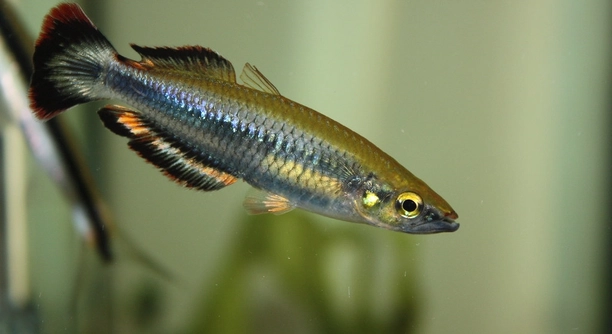
Rainbowfish are popular among aquarium enthusiasts for their vibrant colors and active swimming. Their lively nature adds charm to any tank. Many owners wonder how these fish respond when their surroundings are changed with new decorations.
Rainbowfish can adapt to new decor reasonably quickly if changes are introduced gradually. Sudden alterations may cause temporary stress, but maintaining familiar hiding spots and ensuring proper water conditions helps them adjust without significant behavioral disruptions or health concerns.
Observing their behavior after rearranging the tank can provide insight into their comfort level and overall adaptability. This information is helpful for creating a harmonious aquatic environment.
Observing Stress Signals in Rainbowfish
When I first added new plants and rocks, I paid close attention to subtle signs of stress in my rainbowfish. Some would hide for hours, while others darted nervously across the tank. Rapid gill movements and clamped fins were noticeable in a few fish, indicating they were uneasy with the changes. Over time, I realized that even minor adjustments like moving a small ornament could temporarily disturb their routine. Consistency in water temperature, filtration, and lighting helped reduce tension. Providing familiar hiding spots alongside new elements allowed them to explore safely without feeling threatened. I also noticed that interacting with the tank less often during this period helped them settle. Patience became essential, as forcing exploration only increased stress. Recording their behavior daily revealed patterns, such as preferred hiding spots or favored new decorations. After about a week, most rainbowfish began swimming more confidently, gradually accepting the changes without signs of distress or aggression toward each other.
Stress signals can appear in subtle ways. Recognizing them early helps in easing adaptation and maintaining fish health.
Watching their behavior closely allowed me to adjust the tank thoughtfully. Observing which areas they avoided or frequented helped me place new decor strategically. I noticed that adding new plants near their favorite swimming zones encouraged exploration without causing panic. Some fish needed several days before venturing far from familiar spots. Maintaining consistent feeding times provided a routine that reassured them, while sudden loud noises or rapid movements in front of the tank were minimized. Slowly rotating decorations and introducing new textures one at a time reduced hesitation. Over two weeks, I saw a clear increase in activity and curiosity, showing they were acclimating well. Recording these observations helped me plan future updates, ensuring the tank remained engaging and comfortable.
Maintaining a Comfortable Environment
Providing familiar spaces alongside new decorations supports a smoother adjustment period for rainbowfish. Avoid overcrowding the tank.
Careful placement of new items ensures fish can explore without feeling trapped. Combining stable water conditions with consistent feeding schedules encourages confidence. Observing reactions daily guides future additions.
Balancing new elements with familiar features makes adaptation easier. Gradual introductions prevent overwhelming the fish. Stable water quality, consistent lighting, and minimal sudden disturbances are critical during changes. I noticed that keeping a few familiar plants or rocks in the same position provided a reference point, which helped them navigate the new layout. Over time, introducing additional decorations slowly allowed them to explore and claim new spaces at their own pace. Feeding at regular intervals reassured the fish, reinforcing positive routines while they adjusted. Avoiding rapid movements around the tank and maintaining a quiet environment encouraged exploration without stress. Documenting which decorations were quickly accepted helped plan future changes efficiently. Observing interactions among fish also revealed social preferences, showing which areas became favored for swimming or hiding. By carefully managing these factors, the tank remained balanced, visually appealing, and supportive of the rainbowfish’s natural behaviors and comfort.
Choosing the Right Decorations
Soft plants and smooth rocks are ideal for rainbowfish. Sharp or rough surfaces can injure them, so I always check each item carefully before adding it to the tank.
I prefer decorations that create hiding spots and open swimming areas simultaneously. Tall plants offer vertical coverage, giving the fish places to retreat when they feel uneasy, while low-lying rocks provide resting areas and natural boundaries. I avoid overcrowding the tank, as it can increase stress and limit swimming space. Natural-looking items help the fish feel secure, encouraging exploration without forcing them into unfamiliar areas. Placement is important; spacing decorations allows the fish to swim freely and reduces territorial disputes. Over time, I noticed the rainbowfish began using all corners of the tank, balancing curiosity with caution.
Textures and colors of decorations can influence behavior. Bright colors attract attention, while softer shades help maintain calm. Using natural tones and smooth surfaces keeps the tank visually appealing and safe. Gradual addition of new items helps the fish adjust confidently, while keeping a few familiar features ensures stability. By carefully selecting and arranging decorations, I create a stimulating yet secure environment that supports healthy activity and reduces stress. Observing how the fish interact with each element allows for adjustments, making the tank both engaging and comfortable.
Encouraging Exploration
Adding small, open areas between decorations encourages rainbowfish to explore gradually without feeling trapped. Limited space can lead to hesitation and stress.
I arrange new items in stages to promote exploration. Initially, I place one or two items, leaving large open spaces. This allows the fish to investigate without losing sight of familiar areas. Over several days, I add more elements, observing how the fish respond to each change. I noticed that some fish approach new plants or rocks immediately, while others prefer cautious observation from a distance. Maintaining consistent feeding schedules during this time reinforces routine and comfort. Rotating decorations slowly encourages curiosity while preventing sudden anxiety. The goal is to create a balance between novelty and familiarity. By carefully monitoring behavior, I can adjust placement to suit their preferences, supporting confidence and interaction. Providing a mix of hiding spots and open swimming zones ensures all fish can explore at their own pace, reducing stress and promoting healthy activity throughout the tank.
Minimizing Sudden Changes
I always introduce new decorations slowly. Sudden changes can make rainbowfish hide or swim frantically, which increases stress.
Even small adjustments, like moving a plant slightly, are done gradually. Giving the fish time to explore each change helps them feel secure and reduces negative reactions.
Observing Individual Behavior
Each rainbowfish reacts differently to new decor. Some approach new items immediately, while others need several days to investigate. Paying attention to these differences helps in planning future updates and maintaining a balanced, comfortable environment that suits all fish.
Maintaining Clean Water
Clean water is essential during any tank change. It reduces stress and supports healthy behavior among rainbowfish.
FAQ
How quickly do rainbowfish adapt to new decorations?
Rainbowfish generally start exploring new decorations within a few days if changes are gradual. Some fish may take a week or longer depending on their personality and previous experiences. Providing familiar hiding spots alongside new items helps reduce stress and encourages gradual exploration.
What types of decorations are safest for rainbowfish?
Soft plants, smooth rocks, and rounded ornaments are safest. Avoid sharp or rough materials that could injure fins or scales. Natural-looking decorations help fish feel secure, and open spaces between items allow comfortable swimming while offering retreat zones.
Can sudden changes harm my rainbowfish?
Yes, sudden or drastic changes can cause stress, hiding, or frantic swimming. Stress can lead to weakened immunity, making fish more prone to illness. Gradual adjustments and monitoring behavior help prevent negative outcomes.
How do I know if my rainbowfish is stressed?
Common signs include hiding for long periods, clamped fins, rapid gill movement, or reduced activity. Some may refuse food temporarily. Observing these behaviors early allows you to make adjustments to decor, lighting, or tank conditions to reduce stress.
Should I rearrange decorations often?
Frequent rearrangement can confuse rainbowfish. Minor changes are acceptable if done slowly. Maintaining a balance of familiar and new items helps them stay comfortable while gradually introducing novelty. I usually update one or two decorations at a time.
How important is water quality during changes?
Very important. Stable temperature, filtration, and chemical levels reduce stress and help fish adapt. Sudden water fluctuations combined with new decor can overwhelm rainbowfish. Monitoring water regularly ensures a healthy environment.
Do rainbowfish prefer certain layouts?
They thrive in tanks with a mix of open swimming areas and hiding spots. Tall plants provide vertical coverage, while low rocks or caves create retreat areas. Spacing decorations allows natural movement and reduces territorial disputes.
Can lighting affect adaptation?
Yes, sudden bright lights or rapid changes in lighting can increase stress. Maintaining consistent, moderate lighting during transitions helps rainbowfish explore calmly. Subtle shifts over time are less likely to cause fear or hesitation.
How can I encourage cautious fish to explore new decorations?
Place new items near familiar zones. Leave open spaces so fish can investigate without feeling trapped. Regular feeding routines reinforce comfort, and patience allows shy individuals to gradually engage with the environment. Observation guides further placement adjustments.
Is it normal for some fish to take longer than others?
Absolutely. Rainbowfish have distinct personalities. Some are naturally curious and adapt quickly, while others are cautious. Accepting these differences and providing safe spaces ensures all fish can explore at their own pace without added stress.
How do I know when it’s safe to add more decorations?
Wait until most fish actively explore current additions. Monitor for stress signs and ensure stable water conditions. Gradually adding one or two items at a time maintains comfort while keeping the tank engaging.
Can decorations influence social behavior?
Yes. Properly placed hiding spots reduce conflicts, while open areas encourage interaction. Overcrowding can increase aggression, so balance is essential. Observing where fish gather or avoid helps in arranging future decor.
Should I remove decorations if fish seem stressed?
If stress signs persist for several days, consider temporarily removing or rearranging new items. This allows fish to regain comfort. Reintroducing decorations slowly afterward encourages safe exploration.
How often should I check on their adaptation progress?
Daily observation is ideal. Watch for changes in activity, hiding behavior, and interaction with new items. Small notes can help track progress and guide adjustments to maintain a balanced environment.
Do rainbowfish interact differently with plants versus rocks?
Yes. Plants often serve as hiding zones and exploration sites, while rocks are used for resting or territorial boundaries. Both types contribute to a natural environment and provide varied stimulation, supporting healthy behavior.
Can I use artificial plants for adaptation?
Artificial plants are acceptable if smooth and free of sharp edges. They provide hiding spaces and visual interest. Natural plants may offer more comfort, but quality artificial options are safe and durable.
How long should I wait before fully rearranging a tank again?
Give at least a couple of weeks after the last change. This allows rainbowfish to acclimate fully, reducing stress and encouraging consistent behavior. Patience ensures smooth transitions for all fish.
Is monitoring feeding behavior important?
Yes. Hesitation to eat or reduced intake can signal stress. Maintaining consistent feeding times and locations reassures fish while adapting to new surroundings. Adjusting decor placement may help restore normal feeding behavior.
Can adding decorations improve activity levels?
Properly placed decorations encourage swimming, exploration, and hiding behaviors. Gradual introductions keep fish curious without overwhelming them. Observing responses ensures decorations enhance engagement rather than cause stress.
What’s the best approach for long-term tank updates?
Plan gradual changes, maintain water stability, and observe fish behavior closely. Introduce one or two items at a time, keep familiar features for security, and adjust placements based on interactions. This strategy supports confident, healthy adaptation over time.
Total words: 507
Final Thoughts
Rainbowfish are lively and colorful additions to any aquarium, but they require careful attention when their environment changes. I have learned that even small modifications in decor can influence their behavior, so patience is essential. When introducing new decorations, I make sure to provide familiar hiding spots, allowing the fish to feel secure while exploring. Observing their responses closely helps me understand which items they accept quickly and which areas may need adjustment. Over time, I noticed that they gradually became more confident in navigating new layouts, demonstrating curiosity while still respecting their comfort zones. The key is to balance novelty with stability. Sudden, large changes tend to increase stress, whereas slow, incremental additions encourage natural exploration and interaction. Proper spacing between decorations ensures they have open swimming areas and retreat zones, which is important for both their physical activity and mental well-being. Watching them adapt is rewarding and provides insight into their personalities. Some fish are bold and investigate new features immediately, while others prefer to approach cautiously. Accepting these differences and catering to each fish’s comfort level creates a harmonious tank environment.
Maintaining consistent water conditions is another essential factor in helping rainbowfish adapt to new decor. Temperature, pH, and filtration need to remain stable to reduce stress, especially when changes are made. I always make sure to monitor water quality closely during any transition. Clean water reduces the risk of illness and supports healthy activity. Lighting consistency also matters; sudden changes can make rainbowfish hesitant or overly cautious. Regular feeding routines reinforce stability, providing reassurance during periods of change. I have found that gradual adjustments in placement, spacing, and even lighting encourage confident exploration without overwhelming the fish. Observing patterns in their movement and hiding habits helps guide future updates, allowing me to create an environment that is both stimulating and safe. Small details, like the texture of decorations or the type of plant, influence how quickly they feel comfortable. Smooth rocks and soft plants are generally well-accepted, while sharp or rough materials are avoided to prevent injury. By paying attention to these elements, I ensure that the tank remains a secure, enjoyable space for all the fish.
Finally, supporting their social and individual needs is crucial for a balanced aquarium. Rainbowfish interact differently depending on their surroundings, and providing a mix of open spaces and hiding areas reduces stress and territorial behavior. Some fish enjoy exploring in groups, while others prefer solitary retreats. Watching these interactions informs how I place new decorations and design swim routes within the tank. Gradual introductions allow shy fish to adjust without pressure, while curious fish can engage at their own pace. The goal is a healthy, comfortable environment that promotes natural behavior. Over time, I have observed that carefully managing changes fosters confident, active rainbowfish. Patience, attention to detail, and understanding each fish’s personality are essential for successful adaptation. By combining stable water conditions, thoughtful decor placement, and observation of individual behaviors, the aquarium becomes a space where rainbowfish thrive while exploring new surroundings safely and naturally.
Word count: 410

Hello,
If you enjoy the content that we create, please consider saying a "Thank You!" by leaving a tip.
Every little bit helps us continue crafting quality advice that supports the health, happiness, and well-being of pets around the world, for pets of all shapes, sizes, and species.
We really appreciate the kindness and support that you show us!